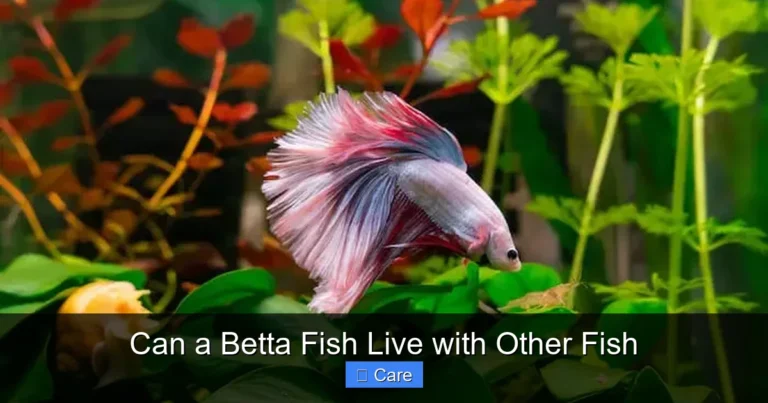
Why Is My Betta Fish Flaring Its Gills at Me and How to Help

Betta fish flaring their gills is a natural display often tied to stress, territory, or excitement. When you see your fish puff up, it usually means they feel threatened or are simply showing off. Understanding why is my betta fish flaring its gills at me helps you create a calmer tank environment and reduce unnecessary stress for your pet.
If you have ever stood near your aquarium and watched your betta suddenly puff up its chest and spread its fins, you have likely asked yourself why is my betta fish flaring its gills at me. It can feel startling at first, especially when your fish turns a deeper shade and points its rays straight at you. The good news is that this behavior is usually normal, and it often tells you something important about your fish environment or mood.
Bettas are highly intelligent, visually driven fish that react quickly to changes around them. They do not flare just to be difficult. Instead, they use this display to communicate, defend, or explore. Once you understand what triggers the behavior, you can make small adjustments that help your fish feel safer and more relaxed.
In this guide, we will walk through the main reasons bettas flare, how to tell the difference between healthy displays and stress signals, and practical steps you can take to calm your tank. By the end, you will feel confident reading your fish body language and creating a more peaceful home for them.
Key Takeaways
- Flaring is normal: Betta fish flare their gills to show dominance, stress, or excitement, not always aggression.
- Tank size matters: Small bowls or cramped tanks often trigger territorial flaring at owners or reflections.
- Water quality impacts behavior: Poor filtration, temperature swings, or dirty water can make your fish feel uneasy.
- Reduce reflections: Covering tank sides or adjusting lighting helps stop your betta from flaring at its own image.
- Give them space: Avoid tapping the glass or hovering over the tank too often, which can startle your fish.
- Enrichment helps: Plants, hiding spots, and gentle stimulation keep your betta mentally healthy and less reactive.
- Monitor closely: Constant flaring paired with faded color or hiding may signal illness or chronic stress.
📑 Table of Contents
- Understanding Why Is My Betta Fish Flaring Its Gills at Me
- How Tank Setup and Environment Affect Flaring
- Is Flaring Aggression or Just Communication?
- Water Quality, Temperature, and Stress Signals
- How to Respond When Your Betta Flares at You
- When Flaring May Signal a Health or Behavior Issue
- Expert Insights on Betta Behavior and Flaring
- Conclusion
Understanding Why Is My Betta Fish Flaring Its Gills at Me
When you notice your betta flaring, the first thing to know is that this behavior is deeply tied to their natural instincts. In the wild, male bettas defend territories and respond to rivals with dramatic displays. Even in a home aquarium, that same instinct remains strong. Your fish may flare when it feels challenged, surprised, or curious.
Flaring is not always aggression. Sometimes it is simply a reaction to movement, a sudden shadow, or even excitement during feeding time. If you lean over the tank or walk by quickly, your betta may see you as a large presence and respond with a quick display. This does not mean your fish dislikes you. It usually means your fish is alert and reactive.
A helpful way to think about flaring is to view it as communication. Your betta is telling you something about its environment or emotional state. The key is learning to read the context. A short flare followed by relaxed swimming is very different from constant puffing, hiding, or faded coloring.
Common Triggers Behind Betta Gill Flaring
Several everyday factors can cause your betta to flare more often than you would like. Most of them are easy to spot once you know what to look for.
- Reflections and movement: Glass walls, shiny ornaments, and nearby windows can create mirror-like surfaces that trick your betta into thinking another fish is nearby.
- Territory defense: Bettas naturally guard their space. If the tank feels crowded or lacks visual barriers, your fish may flare to protect its area.
- Owner interaction: Reaching into the tank, tapping the glass, or standing too close for long periods can trigger a response.
- Feeding excitement: Some bettas flare when they anticipate food, especially if they associate your presence with meals.
- Stress or discomfort: Poor water conditions, temperature changes, or loud vibrations can make your fish feel uneasy and more reactive.
If you want to reduce flaring, start by observing when it happens. Does it occur when the lights turn on? Does it happen when you approach the tank? Does it appear after a water change? Tracking patterns helps you pinpoint the cause quickly.
How Tank Setup and Environment Affect Flaring
Your aquarium setup plays a huge role in how your betta behaves. A cramped or bare tank can make even a calm fish feel exposed and defensive. Bettas do best when they have room to swim, places to hide, and a stable environment that feels predictable.
Tank size is one of the biggest factors. While bettas can survive in small containers, they often thrive better in larger spaces where they can establish territory without feeling trapped. If your fish constantly flares at you or at the glass, the setup may be too tight or too exposed.
Decor choices matter too. Smooth plants, gentle caves, and low-traffic resting spots give your betta a sense of security. On the other hand, sharp ornaments or cluttered layouts can create stress. A balanced tank gives your fish both open swimming areas and sheltered zones.
Reflections, Glass, and Perceived Threats
One of the most common reasons bettas flare is their own reflection. This often surprises new owners because the fish seems to be fighting an invisible rival. In reality, your betta is reacting to what it believes is another fish in its space.
You can reduce this by adjusting the tank environment. Try these simple changes:
- Add a background to one or more sides of the tank.
- Dim bright overhead lighting that creates glare on the glass.
- Move the tank away from mirrors, glossy walls, or windows with strong reflections.
- Use plants or decorations to break line-of-sight along the glass.
If your betta still flares after these changes, the behavior may be tied more to habit or excitement than to a true threat. In that case, gentle routine adjustments can help your fish settle down.
Is Flaring Aggression or Just Communication?
This is one of the most important questions owners ask. Flaring can look intense, but intensity does not always equal hostility. A betta may flare briefly to say, this is my space, or I see you, without any real desire to attack.
You can usually tell the difference by watching what happens next. If your fish flares once and then returns to normal swimming, grazing, or resting, the display was likely short-lived communication. If your fish stays tense, paces the glass, or seems unable to relax, the flaring may be stress-related.
Body Language Clues to Watch For
Bettas give many small signals beyond gill flaring. Paying attention to these clues helps you understand whether your fish feels confident, nervous, or unwell.
- Relaxed fins: Soft fins and steady swimming usually suggest comfort.
- Tight fins and pacing: Constant tension may point to irritation or stress.
- Color changes: Brighter color can appear during displays, while dull color may signal fatigue or poor conditions.
- Hiding or sinking: Frequent retreats can mean your fish wants more shelter or feels overwhelmed.
- Appetite shifts: A healthy betta usually eats regularly. Sudden disinterest deserves closer attention.
If your betta flares but still eats well, explores the tank, and rests normally, the behavior is likely part of its natural personality. Some bettas are simply more expressive than others.
Water Quality, Temperature, and Stress Signals
Even a confident betta can become reactive when the water feels wrong. Temperature swings, cloudy water, or poor filtration can create low-level stress that shows up as more frequent flaring. Fish are sensitive to their environment, and small changes can affect their mood.
A stable temperature is especially important. Bettas are tropical fish, so they prefer warm, consistent water. If the tank cools too much or heats unevenly, your fish may become restless. Clean water also supports calm behavior because it reduces irritation to the gills and skin.
If you are wondering why is my betta fish flaring its gills at me more than usual, check the basics first. Make sure the water is clear, the temperature is steady, and the filter is working properly. A healthier environment often leads to a calmer fish.
Quick Tips for a Calmer Tank
- Test water regularly and keep conditions stable.
- Avoid sudden temperature changes during water changes.
- Clean the tank gradually instead of all at once.
- Use gentle filtration that does not create strong currents.
- Keep the tank in a quiet area with less foot traffic if possible.
These small habits can make a noticeable difference. A settled environment helps your betta feel less need to defend or react.
How to Respond When Your Betta Flares at You
When your betta flares directly at you, the best response is usually calm and predictable movement. Sudden gestures can make the display last longer. Instead, slow down, step back slightly, and give your fish a moment to reset.
Over time, your betta can learn that your presence does not always mean danger. Consistency matters here. Feed at similar times, clean the tank on a routine, and avoid unnecessary disturbances. A steady routine helps your fish feel more secure.
Building Trust With Your Betta
Bettas can recognize patterns and even become comfortable with their owners. You can encourage this by keeping interactions gentle and positive. Try the following:
- Approach the tank slowly instead of looming overhead.
- Avoid tapping the glass or startling the fish.
- Use feeding time as a calm bonding moment.
- Speak softly near the tank if loud sounds seem to bother your fish.
- Give your betta enrichment like safe plants or a simple puzzle feeder if appropriate.
Trust does not happen overnight, but it does grow with patience. A betta that feels safe is less likely to flare constantly and more likely to show off naturally without tension.
When Flaring May Signal a Health or Behavior Issue
Most flaring is harmless, but there are times when it may point to a bigger problem. If your betta flares nonstop, hides afterward, loses color, or stops eating, you should pay closer attention. Chronic stress can weaken a fish over time, so early observation matters.
Also watch for signs of illness. Clamped fins, spots, rapid breathing, or unusual swimming can mean your betta needs help. In those cases, flaring may be only one part of a larger issue.
Common Mistakes That Increase Flaring
- Keeping the tank too small or too bare.
- Placing the aquarium in a noisy, high-traffic spot.
- Changing water temperature or chemistry too quickly.
- Startling the fish repeatedly during the day.
- Ignoring poor water quality until the fish looks stressed.
If you avoid these mistakes, you give your betta a better chance to stay relaxed. Prevention is usually easier than fixing stress after it builds up.
Expert Insights on Betta Behavior and Flaring
Experienced betta keepers often say that flaring is part of the charm of this species. These fish are expressive, bold, and full of personality. The goal is not to eliminate flaring completely, but to keep it balanced and healthy.
A good rule of thumb is to look at the whole fish, not just the gills. Ask yourself whether your betta is eating, resting, exploring, and showing normal color. If the answer is yes, occasional flaring is usually fine. If the answer is no, adjust the environment and monitor closely.
Another helpful insight is that bettas can become bored or under-stimulated. A tank with no variety may cause your fish to focus too much on the glass or on you. Gentle enrichment and a well-designed layout can redirect that energy in a healthier way.
Conclusion
When you ask why is my betta fish flaring its gills at me, the answer usually comes down to instinct, environment, and communication. Flaring is a natural betta behavior that can reflect territory defense, excitement, curiosity, or stress. In many cases, it is not a sign that your fish is angry at you. It is simply a vivid way your betta reacts to the world around it.
The best approach is to observe carefully, keep the tank stable, and reduce common triggers like reflections, crowding, and sudden disturbances. With a calmer setup and a predictable routine, your betta will often flare less and feel more at ease. At the same time, you will get to enjoy the full beauty of a fish that feels safe enough to relax, explore, and show its true personality.
Frequently Asked Questions
Why does my betta fish flare its gills when I walk by?
Your betta may see movement or your silhouette as a presence in its territory, which can trigger a quick display. This is usually a normal reaction rather than true aggression. Slow, calm movements near the tank can help reduce the response over time.
Is gill flaring a sign that my betta is angry at me?
Not usually. Flaring is more often a territorial or alert response than personal anger. Your betta is likely reacting to movement, reflection, or a feeling of being watched. If your fish eats and swims normally, the behavior is probably harmless.
How can I stop my betta from flaring at its reflection?
You can reduce reflections by adding a tank background, adjusting lighting, and moving shiny objects away from the glass. Breaking line-of-sight with plants or decor also helps. If the reflection disappears, the flaring often drops too.
Does flaring mean my betta is stressed?
It can, especially if the flaring happens often and comes with hiding, dull color, or low appetite. Occasional flaring is normal, but constant flaring may point to stress from the environment or water conditions. Check temperature, cleanliness, and tank layout if the behavior continues.
Should I be worried if my betta flares during feeding?
Usually not. Many bettas get excited when they expect food and may flare briefly as part of that anticipation. As long as your fish eats well and settles afterward, this is typically a normal display. Keep feeding routines calm and consistent.
When should I take my betta to a vet or seek help?
If flaring is paired with clamped fins, spots, breathing trouble, lethargy, or refusal to eat, it may signal illness or serious stress. In that case, review water quality first and consider expert advice if symptoms do not improve. Early action gives your fish the best chance to recover.