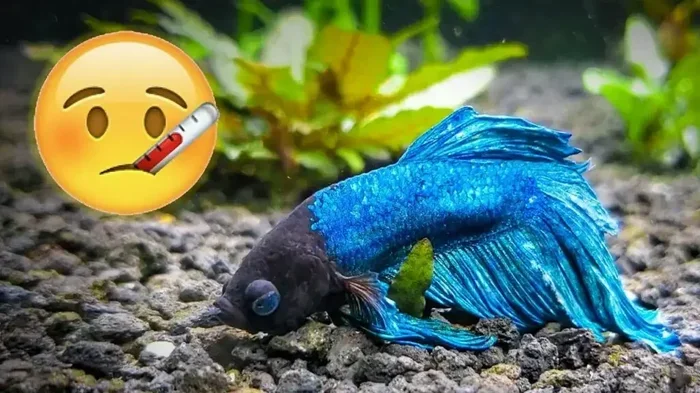
What Can a Betta Fish Live With for a Peaceful Tank
Choosing the right tank mates is key to a happy aquarium. Many owners ask what can a betta fish live with without triggering aggression. You can pair your betta with calm species like snails, shrimp, or small schooling fish. Always check water needs and tank size first. This guide walks you through safe choices and simple care tips.
Keeping a betta fish can be a joyful experience. Their bright colors and flowing fins make them stand out in any room. Yet many new owners worry about loneliness. They ask a simple question: what can a betta fish live with? The answer depends on your fish’s personality, tank size, and the species you choose.
A peaceful tank is possible with the right planning. You do not need a crowded community tank to keep your betta happy. In fact, a calm setup with one or two compatible tank mates often works best. This article breaks down safe choices, smart setup tips, and common mistakes to avoid. Let us find the perfect match for your betta.
Key Takeaways
- Know your betta’s nature: Male bettas are territorial and may flare at bright colors or long fins.
- Pick calm tank mates: Snails, ghost shrimp, and small bottom dwellers often live peacefully with bettas.
- Watch tank size: A larger tank gives every fish enough space to swim and hide.
- Match water needs: Keep temperature and pH in the right range for all species in the tank.
- Add hiding spots: Plants, rocks, and caves help reduce stress and block line of sight.
- Introduce slowly: Add new fish one at a time and watch for signs of bullying or stress.
- Observe daily: Quick action prevents small problems from becoming big fights.
📑 Table of Contents
Understanding Betta Behavior Before Adding Tank Mates
Bettas are known for their bold personality. They are not always aggressive, but they do protect their space. Males often flare their gills and spread their fins to warn others. This behavior is normal, but it can turn into chasing if the tank is too small.
Female bettas tend to be calmer. They can sometimes live in groups called sororities, but only in large tanks with plenty of hiding spots. Even then, fights can happen. It helps to remember that every betta has its own mood. Some ignore other fish, while others patrol every corner.
Signs Your Betta May Not Tolerate Tank Mates
Watch your fish closely before adding anyone new. If your betta constantly flares, chases, or hides, it may not want company. Other warning signs include torn fins, loss of color, and refusal to eat. These signs tell you to slow down and rethink your setup.
On the other hand, a relaxed betta swims slowly and explores without panic. It may ignore a new snail or shrimp. That is a good sign. Patience matters more than speed. A careful introduction leads to better results.
Why Tank Size and Layout Matter
Space changes everything. A cramped bowl forces fish to bump into each other. This raises stress and triggers fights. A larger tank gives each fish a clear path and private zones. It also holds more stable water, which supports better health.
Layout matters just as much. Open water can make a betta feel exposed. Add live plants, driftwood, and smooth rocks to break up sightlines. These hiding spots give shy fish a place to rest. They also give your betta a break from constant staring.
What Can a Betta Fish Live With Safely
The safest tank mates share a few traits. They stay calm, avoid bright flashy fins, and do not nip at fins. They also prefer similar water conditions. When you match these needs, your betta and its tank mates can coexist with less stress.
Many owners start with small, quiet creatures. These animals do not compete for space or food. They also keep to themselves, which reduces tension. Below are some of the most trusted choices for a peaceful tank.
Snails as Gentle Tank Mates
Snails are a popular first choice. They move slowly and rarely bother other fish. Many species help clean the tank by eating leftover food and algae. This makes them useful as well as peaceful.
You can read more about whether a freshwater snail can live with a betta fish to see which species fit best. Some snails stay small, while others grow larger over time. Always check adult size before buying. A large snail may produce more waste, so plan your tank accordingly.
Shrimp and Small Invertebrates
Ghost shrimp and other small shrimp can work well in a calm setup. They stay near the bottom and often hide in plants. This keeps them out of your betta’s way. They also add gentle movement to the tank without causing drama.
Keep in mind that some shrimp may be eaten if they are too small. A betta may treat them as a snack rather than a companion. If you want shrimp to survive, offer plenty of cover and avoid overstocking. A balanced tank gives everyone a fair chance.
Small Schooling Fish for a Calm Community
Some small schooling fish can live with a betta if the tank is large enough. These fish feel safer in groups, and their quick movement can distract a betta from chasing. The key is choosing peaceful species that do not flash bright colors or long fins.
If you want to explore this route, you can learn more about whether a betta fish can live with neon tetras. You may also want to read about whether a male betta fish can live with neon tetras, since males can be more territorial. Schooling fish work best when kept in proper numbers, because a lone fish may feel stressed and draw unwanted attention.
Bottom Dwellers and Quiet Cleaners
Bottom dwellers can be a smart addition if they are gentle. Some catfish and similar species stay near the substrate and leave the upper water alone. This reduces direct contact with your betta. A quiet bottom dweller can help keep the tank clean without causing conflict.
For more details, check whether a betta fish can live with a bottom feeder and whether a sucker mouth fish can live with a betta fish. These guides explain which types are calm and which ones may be too active or too large for a shared tank.
Fish and Creatures to Avoid
Not every species makes a good match. Some fish are too aggressive, too fast, or too flashy. Others have very different water needs. Pairing them with a betta can lead to stress, injury, or poor health. It is better to skip these choices and keep the tank simple.
Bright Fins and Nippy Species
Fish with long, flowing fins can trigger a betta’s instinct to chase. Bright colors may also draw attention. Nippy species can bite fins and cause damage. Even if the tank looks peaceful at first, these traits can create problems over time.
It is wise to avoid fish that are known for chasing or fin nipping. A calm tank works best when every species respects personal space. If you are unsure, choose a quieter companion instead.
Large or Aggressive Tank Mates
Big fish can intimidate a betta, even if they are not aggressive. A large mouth or fast movement may scare your fish. Some larger species also eat smaller tank mates. This creates a risky environment for everyone.
Stay away from fish that need very different temperatures or water flow. A betta prefers warm, still water. Strong currents and cool temperatures can stress it. Matching conditions is just as important as matching temperament.
Setting Up a Peaceful Tank for Bettas and Companions
A successful community tank starts with the right setup. You want stable water, enough space, and a layout that reduces conflict. These basics support better behavior and healthier fish. They also make the tank easier to maintain.
Tank Size and Water Conditions
Start with a tank that gives every fish room to move. A larger volume of water stays warmer and cleaner for longer. It also gives your betta more territory without forcing close contact. Stable water helps reduce stress, which lowers the chance of fighting.
Keep the temperature in a warm range that suits bettas. Use a gentle filter that does not create strong currents. Add a heater if needed to keep conditions steady. Regular water changes matter too, because clean water supports calm behavior.
Plants, Hiding Spots, and Decor Choices
Live plants are a great addition. They improve water quality and give fish places to explore. Many owners also wonder whether live plants are safe, and you can read about whether you can put a live water plant with betta fish for helpful guidance. Plants soften the tank and create natural barriers between fish.
Decor should be smooth and safe. Avoid sharp edges that can tear fins. Use caves, driftwood, and broad leaves to create hiding spots. These features help shy tank mates feel secure. They also give your betta a break when it wants privacy.
Introducing New Tank Mates the Right Way
Take your time with introductions. Add one new animal at a time instead of filling the tank all at once. This makes it easier to spot problems early. Watch how your betta reacts during the first few days.
If you see chasing, try moving decorations to break up sightlines. You can also feed the fish before introductions so everyone is calmer. Keep an eye on fins, appetite, and swimming patterns. A slow, careful approach pays off.
Monitoring Behavior and Solving Common Problems
Even a well-planned tank may need adjustments. Fish can change behavior as they settle in. Temperature shifts, feeding changes, and tank layout can all affect mood. Regular observation helps you catch issues before they grow.
Reading Stress Signals Early
Stress shows up in small ways. A betta may clamp its fins, hide more often, or lose interest in food. Tank mates may dart around or stay hidden all day. These signs tell you something is off. Do not wait too long to act.
Check water quality first. Poor water often causes irritation and aggression. Then look at the tank layout. If fish cannot escape each other, tension rises. Small changes can make a big difference.
When to Separate Tank Mates
Sometimes separation is the safest choice. If chasing turns into biting, or if fins become damaged, remove the problem fish. Use a divider or move the animal to another tank if you have one. Your betta’s health comes first.
You may also need to separate animals if one species is being bullied constantly. It is not a failure to protect your fish. A peaceful tank is built on observation and quick decisions.
Quick Tips for Long-Term Harmony
- Keep the tank clean with regular water changes.
- Feed a varied diet so every fish gets enough food.
- Avoid overstocking the tank.
- Watch for fin damage and unusual hiding.
- Adjust decor if fish keep fighting over territory.
Expert Insights and Key Takeaways
Experienced keepers often say the best tank mate is the one your betta accepts calmly. There is no single perfect answer for every fish. Personality matters more than species lists. A shy betta may welcome a snail, while a bold one may prefer to live alone.
Think of your tank as a small ecosystem. Each animal affects the water, the space, and the mood. When you choose simple, compatible companions and keep the setup balanced, you give your betta the best chance at a peaceful life.
If you want a peaceful tank, focus on calm species, enough space, and careful introductions. Add hiding spots, keep water stable, and watch behavior daily. With the right approach, you can create a serene aquarium that looks beautiful and feels safe for your betta.
Frequently Asked Questions
Can a betta fish live with other fish peacefully?
Yes, a betta fish can live with other fish if you choose calm species and give them enough space. The key is to avoid flashy fins, aggressive fish, and overcrowding. Watch your betta closely after adding any new tank mate.
What are the best tank mates for a betta fish?
The best tank mates are usually snails, shrimp, and small peaceful fish that stay out of the betta’s way. These animals tend to be quiet and do not trigger chasing. A well-planted tank with hiding spots improves the chances of success.
Can a betta fish live with neon tetras?
A betta fish may live with neon tetras if the tank is large enough and the tetras are kept in a proper school. Some bettas ignore them, while others may chase them. Introduce them carefully and monitor the tank for signs of stress.
Can a betta fish live with a snail?
Yes, many bettas live peacefully with snails. Snails are slow and usually do not bother other fish. They can also help clean up leftover food, but you should still avoid overstocking the tank.
What fish should I avoid keeping with a betta?
Avoid fish with long flowing fins, bright flashy colors, or nipping behavior. It is also wise to skip aggressive species and fish that need very different water conditions. These choices can stress your betta and lead to injuries.
How do I know if my betta is stressed by tank mates?
Stress signs include clamped fins, hiding, loss of appetite, and constant flaring or chasing. You may also see torn fins or unusual swimming. If these signs appear, check water quality and consider separating the tank mates.