What Can Betta Fish Live With Best Tank Mates Guide

Betta fish can thrive with the right companions if you choose carefully. Many owners wonder what can betta fish live with without stress or fights. This guide reveals safe tank mates, water needs, and proven tips for harmony. You will learn how to build a calm community aquarium step by step.
This is a comprehensive guide about what can betta fish live with.
Key Takeaways
- Peaceful tank mates work best: Choose calm fish that avoid flaring and chasing.
- Tank size matters: A spacious tank reduces stress and gives everyone room to swim.
- Watch water parameters: Stable temperature and clean water keep all fish healthy.
- Avoid fin nippers: Species that nip fins can hurt your betta and cause stress.
- Add hiding spots: Plants and decorations help fish feel safe and break line of sight.
- Introduce slowly: Add new fish gradually and monitor behavior every day.
- Test compatibility first: Start with one new fish and watch for signs of trouble.
[FEATURED_IMAGE_PLACEHOLDER]
What Can Betta Fish Live With Best Tank Mates Guide
You want a lively tank, but you also want peace. That is why many people ask what can betta fish live with. The good news is that bettas can share a tank with careful choices. The key is to match temperaments, space, and water needs. When you do that, your aquarium feels calm and beautiful.
This guide breaks down safe options, smart setups, and simple rules. You will see which fish work well and which ones to skip. We will also cover plants, snails, and shrimp. By the end, you will feel ready to build a balanced tank. Let us dive in.
Understanding Betta Temperament and Tank Needs
Bettas are famous for their bright colors and flowing fins. They are also known for strong personalities. Males often defend their space, especially in tight tanks. Females can be calmer, but they still need room and structure. Knowing this helps you choose better companions.
A good tank gives every fish a clear path to swim. It also gives them places to hide when needed. This matters because stress can lead to illness. A calm setup supports healthy behavior and better colors. So, space and layout are just as important as the fish you pick.
Here are the basics to keep in mind:
- Tank size: Bigger tanks usually reduce conflict and give more stable water.
- Water flow: Bettas prefer gentle current, so avoid strong filters.
- Temperature: Warm, stable water supports healthy metabolism and comfort.
- Hiding places: Plants and caves help fish feel secure.
- Visual barriers: Break line of sight to lower tension.
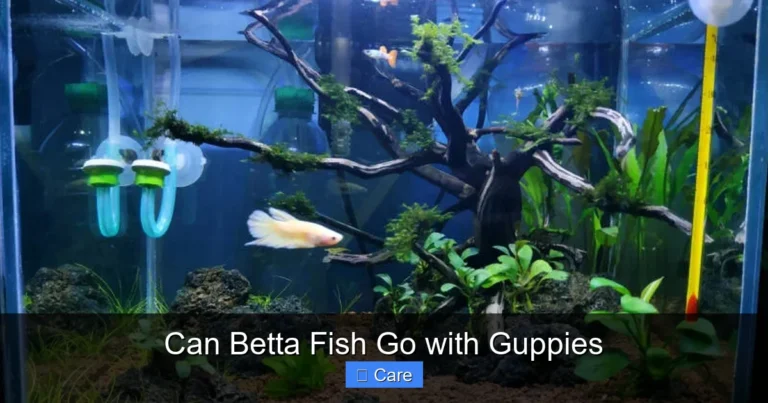
If you are still deciding on companions, you may also want to read about whether your betta fish can live with other fish for a broader overview.
Male Bettas and Space
Male bettas often do best when their tank is not crowded. They may flare at bright colors or quick movements. This does not mean they are aggressive all the time. It means they need thoughtful placement and calm neighbors. A well-planned tank can make a big difference.
Start with a clean layout before adding any new fish. Place plants on both sides of the tank. Leave open swimming space in the middle. This simple setup helps reduce staring and chasing. It also gives your betta a natural sense of territory.
Female Bettas and Group Dynamics
Female bettas can sometimes live in groups, but only with care. They still need enough space and careful monitoring. Some females are bold, while others are shy. You must watch for chasing or fin damage. If you see trouble, be ready to separate fish quickly.
If you are curious about female setups, you can explore whether a female betta can live with other fish. That can help you understand group behavior better.
Best Peaceful Fish Companions for Bettas
When people ask what can betta fish live with, peaceful fish are usually the safest answer. The best companions are calm, small, and not flashy. They should swim smoothly and avoid nipping fins. They should also enjoy similar water conditions.
Good choices often include small community fish that stay out of the betta’s way. These fish usually keep to themselves. They also tend to occupy different parts of the tank. That reduces direct competition and lowers stress.
Here are some common peaceful options to consider:
- Small schooling fish: They usually stay in groups and move together.
- Bottom dwellers: They spend time near the substrate and leave the middle water open.
- Quiet mid-water fish: They are less likely to provoke flaring.
- Slow-moving species: They match a betta’s calmer pace better.
If you want more detail on broad compatibility, you can check whether tropical fish can live with a betta. That guide can help you narrow down options by species type.
Small Schooling Fish
Small schooling fish can work well when the group is large enough. A bigger group helps them feel secure and spread out. It also keeps one fish from bothering the betta too much. The key is to choose species that are not too active or bold.
Keep the school in a tank with plenty of cover. This gives them a chance to retreat if needed. It also helps your betta stay relaxed. Watch the first few days closely. If the betta chases them constantly, you may need to rethink the setup.
Bottom Dwellers
Bottom dwellers are often a smart choice because they stay low. They usually ignore fish that swim above them. This can create a peaceful balance in the tank. Still, you should avoid species that are too pushy or too large.
For example, some people ask whether panda corydoras can live with betta fish. Others want to know whether a panda cory can live with betta fish. These small bottom dwellers are often considered because they stay calm and keep to the lower levels.
Quick tip: Add bottom dwellers only after the tank is cycled and stable. That gives everyone a better start.
Snails, Shrimp, and Invertebrate Tank Mates
Not every companion has to be a fish. Snails and shrimp can be excellent additions in the right setup. They often stay small, quiet, and useful. Many help clean up leftover food or algae. That can make maintenance easier too.
Still, invertebrates are not always safe with every betta. Some bettas investigate everything. Others may try to eat small shrimp. So, you need to match the species to your betta’s personality. Observation is very important in these setups.
Common invertebrate choices include:
- Mystery snails: They are usually calm and easy to watch.
- Small shrimp: They can add activity, but they may be at risk.
- Algae eaters: They can help with maintenance, though results vary.
If you are considering snails, you might look at whether mystery snails can live with betta fish. You can also read whether your betta fish can live with snails for practical tips on snail behavior and compatibility.
Shrimp Considerations
Shrimp can be beautiful and interesting, but they are often small enough to become snacks. Even peaceful bettas may chase them. Because of that, shrimp do best in tanks with lots of cover. Dense plants and moss give them places to hide.
Some owners want to know whether shrimp can live with male betta fish. Others ask whether a male betta fish can live with shrimp. The answer depends on the individual betta and the tank layout. A well-planted tank improves the odds, but it is never a guarantee.
Expert insight: If you want shrimp to survive, start with a planted tank and introduce them carefully. Keep an eye on missing shrimp during the first few weeks.
Snail Benefits and Cautions
Snails can be a gentle addition for many betta tanks. They usually move slowly and do not compete for the same swimming space. They also help keep the glass and substrate cleaner. That makes them a practical choice for many hobbyists.
Still, you should avoid overstocking. Too many cleanup crew members can create waste and affect water quality. Balance is key. A small number of snails is often enough for a healthy tank.
Tank Setup Tips for Peaceful Community Living
A calm tank is built, not guessed. The layout matters a lot when you are choosing what can betta fish live with. Good planning reduces conflict and gives each animal a better chance to thrive. You do not need a complicated setup. You just need a thoughtful one.
Start with stable water and a mature filter. Then focus on structure. Plants, rocks, and driftwood can create natural boundaries. These features help fish feel secure. They also break sightlines, which can lower aggression.
A simple setup checklist helps:
- Use live or soft artificial plants: They provide cover without harsh edges.
- Keep decor smooth: Rough items can damage fins.
- Leave open space: Fish still need room to swim freely.
- Maintain gentle filtration: Strong current can stress bettas.
- Test water regularly: Stable parameters support all tank mates.
Live plants can be especially helpful. If you want to learn more, you can read whether you can put a live water plant with betta fish. You may also find it useful to explore whether you can put a live plant with betta fish for general planting advice.
Plants and Decor for Calm Behavior
Plants do more than look nice. They create natural hiding spots and reduce tension. A betta that feels secure is less likely to act defensively. Plants also give smaller tank mates a place to rest. That can make the whole tank feel more balanced.
Use a mix of heights if you can. Tall plants can soften the background. Shorter plants can cover the substrate. This variety creates a more natural environment. It also makes the aquarium more enjoyable to watch.
Filtration and Water Flow
Bettas usually prefer calm water. Strong flow can tire them out and make swimming harder. It can also push smaller fish around. For that reason, choose a filter with adjustable flow if possible. Baffle the output if the current feels too strong.
Good filtration still matters. Clean water supports healthy fish and fewer disease risks. The goal is balance: enough filtration to keep water fresh, but not so much that it disturbs the tank. Regular maintenance helps you keep that balance.
Species to Avoid and Common Mistakes
Some animals look interesting, but they are not good matches for bettas. This is an important part of answering what can betta fish live with. Compatibility is not just about size. It is also about behavior, fins, and tank habits.
A few types often cause problems. Large fish may bully or eat smaller tank mates. Fast fish may trigger chasing. Fin nippers can damage beautiful betta fins. Some species also need different water conditions. When needs do not match, stress rises quickly.
Common mistakes include:
- Adding too many fish at once: This can overwhelm the tank and spike stress.
- Ignoring body shape: Long fins and bright colors can draw unwanted attention.
- Skipping observation: Early signs of trouble are easier to fix than later ones.
- Overcrowding the tank: Too many animals create competition and poor water quality.
- Choosing based on appearance only: Temperament matters just as much as color.
For example, some people wonder whether goldfish can live with a betta fish. Others ask whether my betta fish can live with goldfish. Goldfish usually have very different needs, so they are often a poor fit. It is better to choose species with similar temperature and water preferences.
Fish With Very Different Needs
Different fish often need different temperatures, diets, and swimming styles. When those needs clash, one fish may suffer. That is why matching requirements is so important. A compatible tank is not just peaceful. It is also healthy.
Before adding any new animal, compare its care needs with your betta’s needs. If the difference is large, think twice. A safer choice is usually a species that thrives in similar conditions.
Overstocking and Stress
Overstocking is one of the easiest mistakes to make. A tank may look empty at first, but every fish adds waste. More fish also mean more movement and more chances for conflict. That can stress your betta and lower water quality.
A better approach is to add slowly. Give the tank time to adjust. Watch how your betta reacts before adding another animal. Patience usually leads to a more stable aquarium.
How to Introduce New Tank Mates Safely
A careful introduction can prevent many problems. Even when you know what can betta fish live with, the first few days matter a lot. New fish change the balance of the tank. Your betta may need time to adjust.
Start by quarantining new animals if possible. That helps reduce disease risk. Then acclimate them slowly to your tank water. After that, watch behavior closely. The first week is especially important.
A simple introduction plan works well:
- Prepare the tank: Make sure water is stable and the layout is ready.
- Add one new animal first: This makes it easier to judge reactions.
- Watch for flaring and chasing: Some interest is normal, but constant aggression is not.
- Check feeding behavior: All fish should be able to eat comfortably.
- Be ready to separate: Keep a backup plan if trouble starts.
If you want broader guidance on mixing species, you may also find whether my betta can live with other fish helpful. It can give you a wider perspective before you make changes.
Monitoring Behavior During the First Week
Pay attention to small signs. A betta that hides all day may be stressed. A new fish that never comes out may also be struggling. On the other hand, some chasing at first can be normal as fish establish boundaries. The key is to notice patterns, not just one moment.
Feeding time is a good time to observe. Watch who eats first and who gets pushed away. Also look at fins and bodies for damage. If you see ongoing harm, act quickly. Early changes are easier than fixing a crisis later.
When to Separate Tank Mates
Sometimes separation is the safest choice. If aggression continues for days, do not wait too long. If fins are damaged, separate the fish right away. If one animal cannot eat or rest properly, that is a warning sign.
You can use a divider or a separate tank if needed. It is better to have a backup plan than to hope things improve on their own. A successful community tank is built on observation and quick decisions.
Conclusion
Choosing companions for a betta is about balance, not luck. When you ask what can betta fish live with, the best answer depends on temperament, tank size, and careful setup. Peaceful fish, calm invertebrates, and good tank design can create a beautiful community. The wrong choices, however, can cause stress and injury.
Keep things simple. Match water needs. Give everyone space. Add plants and hiding spots. Introduce new animals slowly. Watch daily and act when needed. With these habits, you give your betta and its tank mates a much better chance to live comfortably together.
A well-planned aquarium is rewarding to watch and easier to maintain. Take your time, choose wisely, and build a tank that feels peaceful from day one.
What are the safest tank mates for a betta fish?
Peaceful small fish, calm bottom dwellers, and some snails are often safer choices. The best option depends on your betta’s personality and tank size.
Can betta fish live with shrimp in the same tank?
Sometimes, but shrimp can be at risk because they are small. Dense plants and careful monitoring improve the chances, but there are no guarantees.
Do betta fish need a large tank to live with other fish?
A larger tank usually helps because it reduces crowding and stress. More space gives fish room to avoid each other and settle in more comfortably.
What fish should I avoid keeping with a betta?
Avoid fin nippers, very aggressive fish, and species with very different water needs. Large or overly active fish can also cause problems.
How do I know if my betta is stressed by tank mates?
Watch for constant hiding, loss of color, damaged fins, or repeated chasing. Poor feeding and unusual behavior can also be warning signs.
Can I keep two betta fish together safely?
Usually not without caution, especially if both are males. Some female groupings can work, but they still require space, monitoring, and a careful setup.
Frequently Asked Questions
What is what can betta fish live with?
what can betta fish live with is an important topic with many practical applications.