How to Know When Betta Fish Is Dying Signs to Watch

Watching your betta fish fade is heartbreaking. Knowing how to know when betta fish is dying helps you act fast. Look for lethargy, color loss, and breathing trouble. Early action might save your betta or ease their passing.
Betta fish are resilient pets. They fight hard to survive. But they hide illness well. By the time you see signs, things might be serious. You need to pay close attention. How to know when betta fish is dying is a question every owner fears asking. Yet, it is vital for their care.
Recognizing the signs early gives you a chance. You can fix water issues. You can treat diseases. Sometimes, you cannot save them. But knowing helps you make kind choices. This guide covers everything. We look at physical signs. We look at behavior changes. We discuss water quality. We also talk about what to do next.
Key Takeaways
- Spot Physical Changes: Look for fading colors, clamped fins, and bloating early.
- Monitor Behavior: Watch for lethargy, hiding, or loss of appetite as warning signs.
- Check Water Quality: Poor water parameters often cause rapid health decline in bettas.
- Distinguish Illness from Death: Learn the difference between sleeping, sick, and deceased fish.
- Act Quickly: Immediate water changes and treatment can sometimes reverse decline.
- Prepare for End of Life: Understand humane options if recovery is not possible.
- Prevent Future Issues: Consistent care reduces the risk of premature death.
📑 Table of Contents
Understanding the Signs of Decline
Fish cannot tell you they hurt. They show you through actions. You must become a detective. Small changes matter. A betta sleeping too much is a clue. A betta hiding constantly is another. Betta fish health issues often start small. Ignoring them leads to big problems.
You might notice they stop eating. This is a major red flag. Healthy bettas are hungry. They greet you at the glass. If they swim away, something is wrong. Lethargy in betta fish is a common symptom. It means their energy is low. Their body is fighting hard.
Physical Appearance Changes
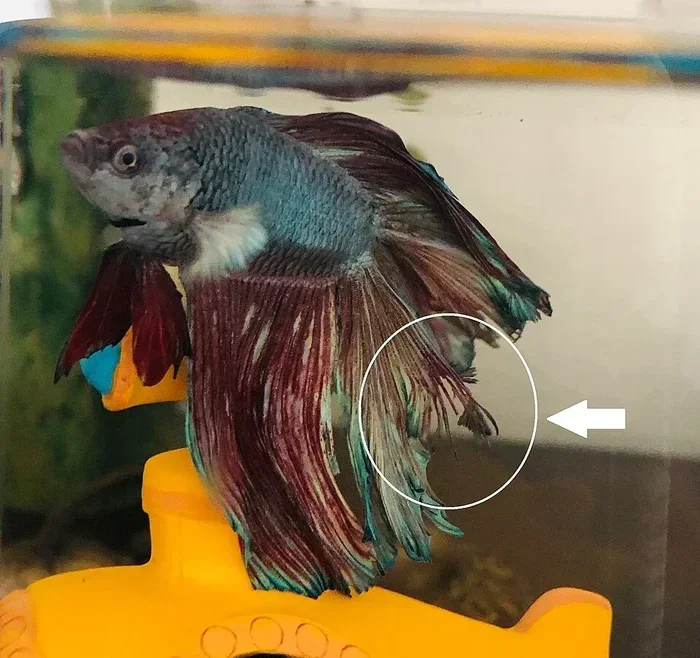
Look at their colors. Bright bettas are happy bettas. Fading colors signal stress. Fading betta fish color is a key indicator. Their fins might clamp down. Healthy fins flow freely. Clamped fins mean discomfort. You might see spots or fuzz. Betta fish disease symptoms vary widely.
Check their belly. A swollen belly is bad. It could be bloating. It could be internal issues. A sunken belly is also worrying. It shows weight loss. Betta fish bloating causes include overfeeding. It also includes infection. Look at their eyes too. Cloudy eyes are not good. They suggest age or illness.
Behavioral Shifts to Watch
Watch how they swim. Erratic swimming is scary. They might float sideways. They might sink to the bottom. Betta fish sinking to bottom is a serious sign. It shows weakness. They might struggle to stay upright. This affects their swim bladder.
Observe their breathing. Gills move fast. Or they move slow. Gasping at the surface is urgent. It means low oxygen. Or it means gill damage. Betta fish breathing difficulties require immediate action. Check your aeration. Check your water temperature. Cold water slows their metabolism.
Water Quality and Health Connection
Most deaths come from water. Tap water has chlorine. Chlorine burns fish gills. You must treat your water. Betta fish water quality is the foundation of life. Ammonia builds up quickly. It burns their skin. Nitrites are also toxic. You need a filter. But filters need maintenance.
Test your water often. Kits are cheap and useful. You want zero ammonia. You want zero nitrite. Nitrates should be low. High nitrates stress the fish. Betta fish tank maintenance prevents these spikes. Change water regularly. Do not change all of it. Fifty percent is safe.
Parameters That Matter
Temperature matters too. Bettas are tropical fish. They need warmth. Seventy-eight degrees is ideal. Cold water weakens their immune system. Betta fish temperature requirements are strict. Use a heater. Use a thermometer. Do not guess the temp.
pH levels matter. Stability is key. Sudden shifts shock the fish. Most bettas like neutral pH. Seven point zero is perfect. But they adapt to slightly varied levels. Just keep it stable. Betta fish care mistakes often involve unstable water.
Distinguishing Sleep from Death
Sometimes fish look dead. But they are sleeping. Bettas rest often. They might lie on leaves. They might hide in caves. Do betta fish sleep is a common question. Yes, they do. But they do not lie flat always. They hover near the bottom.
Check for breathing. Watch the gills. Even slow movement counts. Dead fish do not move gills. Dead fish are stiff. They might float upside down. Do betta fish float when they are dead is true often. Gas builds up inside. This makes them rise.
Reaction Tests
Try a gentle test. Tap the glass lightly. A sleeping fish wakes up. A dead fish does not. Shine a light near them. See if they react. Do not hurt the fish. Be gentle. If there is no response, they may have passed.
Check their eyes. Dead eyes look cloudy. Or they look sunken. Living eyes are clear. They track movement. If you hold food near, they swim. If they ignore food, they are very sick. Can you save a betta fish from dying depends on this stage.
Emergency Care Steps to Try
If your fish is sick, act fast. Move them to a hospital tank. This protects other fish. It lets you medicate safely. Clean water is the best medicine. Do a large water change. Use a conditioner. Betta fish first aid starts with clean water.
Add aquarium salt. Salt helps with osmoregulation. It reduces stress. It fights some bacteria. Use one teaspoon per gallon. Dissolve it first. Do not use table salt. It has iodine. Betta fish medication should be used carefully.
When to Call a Vet
Vets for fish exist. They are exotic vets. They can prescribe antibiotics. This is for serious infections. Ulcers need strong medicine. Dropsy needs professional help. Betta fish vet care is rare but useful. Cost might be high. But it saves lives.
Isolate the sick fish. Quarantine prevents spread. Even if bettas live alone, tools can spread disease. Nets and siphons carry germs. Clean them well. Betta fish disease prevention is better than cure.
Preparing for End of Life
Sometimes there is no hope. The fish suffers too much. You must make a hard choice. Euthanasia is an option. It ends suffering. Clove oil is a method. It sedates them gently. Betta fish euthanasia is a kind act.
Do not flush them. It is cruel. It harms the environment. Bury them in a garden. Or wrap them in paper. Give them respect. They were your pet. Betta fish lifespan is usually two to four years. Old age is natural.
Grieving and Moving Forward
It is okay to be sad. Pets become family. You did your best. Learn from the experience. Improve your setup. Get better filters. Test water more often. Betta fish care guide knowledge helps future fish.
Clean the tank thoroughly. Remove old water. Scrub the glass. Clean the decorations. Restart the cycle. Wait before adding new fish. Betta fish tank cleaning prevents future issues. Rushing leads to new deaths.
Prevention for Future Fish
Prevention is the best cure. Buy healthy fish first. Look for bright eyes. Look for full fins. Avoid fish with spots. Avoid fish breathing hard. Healthy betta fish signs are clear at the store.
Feed them well. Variety is good. Pellets are fine. Treats like worms help. Do not overfeed. Betta fish feeding schedule should be consistent. Remove uneaten food. It rots and pollutes water.
Long Term Maintenance
Keep a routine. Change water weekly. Test water monthly. Check the heater. Check the filter flow. Betta fish lifespan factors include genetics. But care plays a big role. A clean tank means a long life.
Watch their behavior daily. You know them best. You will see changes first. Trust your gut. If something feels off, check the water. How to know when betta fish is dying becomes easier with experience. You will spot the subtle signs.
Your betta relies on you. They cannot speak. They show you through their body. Listen to those signs. Provide a clean home. Provide warm water. Provide good food. This gives them the best chance. Whether they live two years or five, quality matters.
Remember that illness happens. It is not always your fault. Sometimes genetics are weak. Sometimes disease strikes. But good care reduces risks. Stay vigilant. Stay loving. That is what a pet owner does.
Take a moment to breathe. Watching a pet fade is hard. You are not alone. Many owners face this. Use this knowledge to help others. Share what you learned. Help another betta survive.
Frequently Asked Questions
What are the first signs of a dying betta fish?
The first signs include lethargy, loss of appetite, and fading colors. You might also see clamped fins or hiding behavior. These indicate stress or illness before death occurs.
How do I know if my betta fish is dead or sleeping?
Check for gill movement and eye reaction. Sleeping fish breathe slowly and wake with stimulation. Dead fish have no gill movement and often float upside down.
Can poor water quality kill a betta fish quickly?
Yes, high ammonia or nitrite levels can kill quickly. Betta fish water quality is critical for survival. Regular testing and water changes prevent toxic spikes.
What should I do if my betta fish is sinking to the bottom?
This suggests weakness or swim bladder issues. Check water temperature and parameters immediately. Perform a water change and consider betta fish medication if symptoms persist.
Is it humane to euthanize a dying betta fish?
If the fish is suffering with no hope of recovery, euthanasia is kind. Clove oil is a gentle method. It prevents further betta fish suffering in the final stages.
How long can a betta fish live with proper care?
With excellent care, bettas live two to four years on average. Some reach five years. Good diet, clean water, and stable temperatures maximize their betta fish lifespan.