How Many Times Feed Betta Fish for a Healthy Happy Life
Proper feeding is one of the most important parts of betta fish care. If you want to know how many times feed betta fish, the general rule is twice daily with small portions. Overfeeding can cause serious health issues, while underfeeding leads to weakness. This guide covers everything you need to build a safe and healthy feeding routine.
Key Takeaways
- Feeding Frequency: Most bettas do best when you feed them two times per day with small portions.
- Portion Control: Offer only what your fish can eat in two to three minutes to prevent waste and bloating.
- Diet Variety: Rotate between high-quality pellets, frozen foods, and occasional live treats for balanced nutrition.
- Fasting Days: Skipping one meal per week helps support digestion and reduces the risk of obesity.
- Watch For Signs: Learn to spot overeating symptoms like swollen bellies, lethargy, or uneaten food at the bottom.
- Water Quality: Remove leftover food quickly to keep the tank clean and protect your betta from ammonia spikes.
- Age & Size Matter: Younger and smaller bettas may need adjusted feeding schedules compared to fully grown adults.
📑 Table of Contents
Introduction
Bringing home a betta fish is exciting. These colorful swimmers bring life and personality to any room. But new owners often ask the same question: how many times feed betta fish each day? It sounds simple, yet getting it right matters a lot for your fish long-term health.
Feeding your betta the right way keeps them active, colorful, and strong. Too much food causes bloating and dirty water. Too little food leads to stress and weak immunity. In this guide, you will learn a clear feeding schedule, proper portion sizes, and smart tips to keep your betta thriving.
Understanding Betta Fish Feeding Basics
Bettas are small but energetic fish with big appetites. In the wild, they eat insects, larvae, and tiny crustaceans throughout the day. In a tank, they rely on you to match that natural pattern without overdoing it. The goal is steady nutrition, not a stuffed belly.
How Many Times Feed Betta Fish Each Day
Most experts agree that how many times feed betta fish depends on age, size, and activity level. For healthy adult bettas, feeding twice a day works well. Morning and evening meals spread energy evenly. Some owners prefer once daily, but two smaller meals usually support better digestion and steady energy.
Portion Size Matters More Than Frequency
The amount of food matters just as much as the schedule. A good rule is to offer only what your betta can finish in two to three minutes. If food sinks to the bottom, you gave too much. Small stomachs fill quickly, so tiny portions keep your fish comfortable and your water clean.
Here is a simple way to think about portions:
- One to two high-quality pellets per meal for most adults
- A small pinch of flakes if your betta prefers them
- A few pieces of frozen or live treats during the week
If you are still unsure, start small. You can always add a little more next time if your fish seems hungry. It is much easier to increase portions than to fix the problems caused by overfeeding.
Creating the Best Feeding Schedule for Your Betta
A steady routine helps your betta feel secure. Fish do well when meals come at similar times each day. A predictable schedule also makes it easier for you to notice changes in appetite, which can be an early sign of stress or illness.
Morning and Evening Meals
Splitting food into two meals works nicely for most home aquariums. Give one portion in the morning and another in the evening. Keep the time consistent so your betta can settle into a rhythm. This approach also reduces the chance of forgotten meals or accidental overfeeding.
Should You Feed Your Betta Every Day
Daily feeding is normal for healthy adult bettas, but you do not need to feed them heavily every single day. Many owners build in a fasting day once a week. This gives the digestive system a break and helps prevent constipation. If you wonder can you feed betta fish everyday without issues, the answer is yes, as long as portions stay small and the diet stays balanced.
Adjusting for Age and Size
Young bettas and growing juveniles often need more frequent meals than adults. Their bodies use energy quickly, so they benefit from regular, small feedings. Fully grown bettas usually need less because their metabolism slows down. If you are curious about do betta fish grow how big they can get, size can influence how much food they need at each meal.
Choosing the Right Foods for a Healthy Betta
Good food supports bright colors, strong fins, and a resilient immune system. Bettas are carnivorous by nature, so their diet should focus on protein. A mix of staple food and occasional treats keeps meals interesting and nutritious.
Staple Foods: Pellets and Flakes
Quality pellets are a popular choice because they sink slowly and are easy to measure. Flakes can work too, especially if your betta prefers surface feeding. Look for foods made specifically for bettas or other small carnivorous fish. If you ever ask can you feed betta fish flake food safely, the answer is yes when the flakes are small enough and the portion is controlled.
Treats and Variety
Adding variety can improve overall nutrition. Frozen bloodworms, brine shrimp, and daphnia are common favorites. Some owners also ask can you feed betta fish brine shrimp as a treat, and yes, it can be a great protein-rich option when given in moderation. Live or frozen foods should stay occasional, not the main diet, so the tank stays cleaner and the fish stays balanced.
You may also wonder about other options people mention online. For example, some hobbyists ask can you feed betta fish shrimp safely. Small shrimp pieces can be offered sparingly, but avoid salty or seasoned seafood. The safest treats are aquarium-friendly and free of additives.
Foods to Avoid
Not everything safe for humans is safe for bettas. Bread, crackers, and processed snacks can cause digestive trouble and cloud the water. If you are thinking can you feed a betta fish bread, it is best to skip it. Similarly, avoid spicy, oily, or heavily seasoned foods. Bettas need simple, protein-focused meals, not table scraps.
Common Feeding Mistakes and How to Avoid Them
Even well-meaning owners make feeding errors. The good news is that most mistakes are easy to fix once you know what to watch for. A little attention goes a long way in keeping your betta healthy.
Overfeeding and Its Effects
Overfeeding is one of the most common problems. It can lead to bloating, sluggish behavior, and leftover food decaying in the tank. If you have ever asked can you feed a betta fish too much, the answer is definitely yes. Excess food also raises waste levels, which can stress your filter and harm water quality.
Signs of overfeeding may include:
- A swollen or distended belly
- Leftover food collecting at the bottom
- Cloudy water or stronger odors
- Less activity during normal swimming times
Underfeeding and Weakness
Underfeeding can be just as harmful. A hungry betta may become thin, less colorful, or less responsive. If you are unsure can you feed betta fish every other day without risk, keep in mind that occasional fasting is different from routine underfeeding. Healthy adults can handle a planned break, but they still need consistent nutrition overall.
Cleaning Up Uneaten Food
Removing leftovers is part of good feeding habits. Uneaten food breaks down quickly and can affect the tank environment. After each meal, check the substrate and remove waste if needed. This simple habit helps prevent ammonia spikes and keeps your betta comfortable.
Special Feeding Situations and Helpful Tips
Some situations call for small changes to the routine. New tanks, shy fish, or recovering fish may need extra patience. The right approach can make feeding easier and less stressful for everyone.
Hand Feeding and Bonding
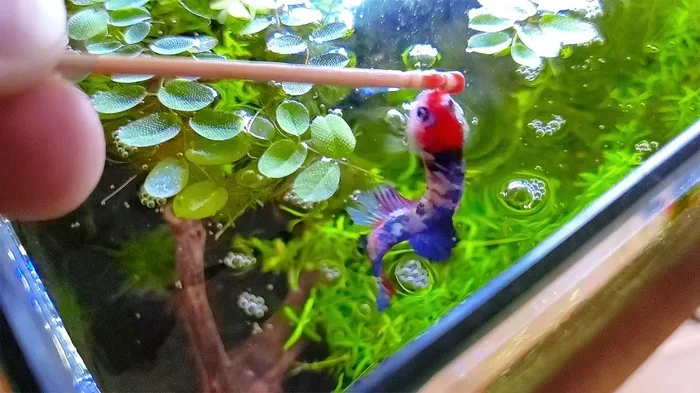
Many betta owners enjoy interacting with their fish. You might even ask can you hand feed betta fish safely, and the answer is yes with patience. Hand feeding can help a shy betta come out more and build trust. Move slowly, keep your hand steady, and let the fish approach on its own terms.
Feeding When Your Betta Is Stressed or Sick
A sick betta may eat less or refuse food entirely. That does not always mean something is wrong, but it does mean you should watch closely. Offer small portions and remove anything uneaten. If your fish stops eating for several days, check water conditions and look for other signs of illness.
Travel, weekends, and Short Breaks
If you need to leave for a short time, do not panic. Healthy adult bettas can handle a brief pause in feeding. Many owners plan a reduced schedule before leaving or use a slow-release option if the absence is longer. For short weekends, a single well-timed feeding before you go may be enough. Just avoid leaving extra food behind, because that creates more risk than a short fast.
Quick Tips for Smarter Feeding
Here are a few simple habits that make feeding easier:
- Use a consistent feeding routine at the same times each day
- Measure portions instead of guessing
- Offer variety without overdoing treats
- Remove uneaten food after each meal
- Watch your betta reaction and adjust if needed
Tracking Health Through Feeding Habits
Feeding time is a great chance to observe your betta. Appetite, swimming style, and body shape all tell you something about overall health. When you pay attention, you catch small issues before they become big problems.
What Healthy Eating Looks Like
A healthy betta usually swims to the surface or feeding area with interest. It should take food readily and digest it without visible distress. Fins should look full, and the body should appear firm but not swollen. Regular meals and clean water help maintain that balance.
When to Change the Routine
If your betta starts leaving food behind, reduce the portion. If your fish seems constantly searching for more, you may need a slight increase or a more nutrient-rich staple food. Changes should happen gradually. Sudden shifts can confuse the fish or upset its digestion.
It also helps to remember that appetite can change with temperature, water quality, and age. A stable tank usually supports a steadier appetite. If you want to understand more about can you tell how old a betta fish is, age can be tricky to judge visually, but feeding response and body condition often give useful clues about maturity and wellness.
Conclusion
So, how many times feed betta fish for the best results? For most healthy adults, twice a day with small portions is a strong starting point. Keep meals simple, watch for leftovers, and use a weekly fasting day when appropriate. A balanced diet, clean water, and a steady routine will help your betta stay active and bright.
The best feeding plan is the one you can maintain consistently. Pay attention to your fish response, adjust portions when needed, and choose foods that support long-term health. With a little care, your betta can enjoy a happy life and a feeding routine that works for both of you.
Frequently Asked Questions
How many times a day should I feed my betta fish?
Most adult bettas do well with two small meals per day, usually once in the morning and once in the evening. Some owners feed once daily, but smaller split portions often support better digestion. Always keep portions small enough for your fish to finish quickly.
How much food should I give my betta at each meal?
A good rule is to offer only what your betta can eat in two to three minutes. For many adults, that means one to two pellets or a very small pinch of flakes. If food remains uneaten, reduce the portion next time.
Can I feed my betta fish every day?
Yes, healthy adult bettas can be fed daily as long as portions stay small and the diet stays balanced. Many owners also include a weekly fasting day to support digestion. Consistency matters more than feeding large amounts.
What foods are best for betta fish?
Bettas do best on protein-rich foods made for small carnivorous fish, such as quality pellets or flakes. Frozen or live treats like bloodworms and brine shrimp can be offered occasionally. Avoid bread, crackers, and other processed human foods.
How do I know if I am overfeeding my betta?
Common signs include a swollen belly, leftover food at the bottom, cloudy water, and less active swimming. If you notice these signs, cut back on portion size and remove uneaten food. Overfeeding can affect both your fish health and water quality.
Can I skip feeding my betta fish sometimes?
Yes, a planned break once a week can help some adult bettas by giving their digestive system time to rest. Short absences are usually fine for healthy fish, but routine underfeeding is not ideal. If your betta is young, sick, or very small, keep feeding more consistent.