How Do You Make a Betta Fish Happy With Simple Care Tips
Making your betta fish happy starts with understanding their unique needs. A spacious tank, clean water, and proper nutrition form the foundation of betta fish care. Adding enrichment like plants and hiding spots keeps them mentally stimulated. Regular maintenance and observing their behavior ensure a thriving betta fish. Follow these simple steps to create a joyful home for your colorful companion.
Welcome to the wonderful world of betta fish ownership. These vibrant creatures bring color and life to any room. But many new owners wonder how do you make a betta fish happy. The answer lies in simple yet effective care practices. Your betta deserves more than just survival. They need an environment where they can thrive and show their full personality.
Betta fish are often misunderstood as low-maintenance pets. While they are hardy, they still have specific needs. Ignoring these needs can lead to stress, illness, and a short lifespan. On the other hand, a well-cared-for betta will display beautiful fins, active swimming, and even recognition of their owner. This guide will walk you through every step to ensure your pet feels safe, stimulated, and content.
Key Takeaways
- Tank Size Matters: Provide at least 5 gallons of water to give your betta enough space to swim and explore.
- Clean Water is Crucial: Maintain stable temperature and perform regular water changes to prevent stress and disease.
- Enrichment Boosts Happiness: Add live plants, caves, and gentle filtration to mimic their natural habitat.
- Proper Diet Prevents Boredom: Offer a variety of high-quality foods and occasional treats to keep feeding times exciting.
- Observe Behavior Daily: Watch for signs of stress or contentment like flaring, hiding, or active swimming.
- Avoid Overcrowding: Keep bettas alone or with carefully chosen tank mates to reduce aggression and anxiety.
- Consistent Routine Helps: Feed and maintain the tank on a regular schedule to create a sense of security for your fish.
📑 Table of Contents
Understanding Your Betta Fish Personality
Before diving into care tips, it helps to know who your fish really is. Bettas are not just pretty decorations. They are intelligent and curious animals. Many people ask do betta fish have a memory. The answer is yes. They can recognize their owners and remember feeding times. This means they form bonds and respond to their environment.
Some bettas are bold and outgoing. Others are shy and prefer hiding. Knowing your fish personality helps you tailor their care. A shy betta might need more cover. A bold one might enjoy more open swimming space. Pay attention to how they react to you and their tank. Their behavior is your best guide to their happiness.
Signs of a Happy Betta
How can you tell if your betta is content? Look for these positive behaviors. A happy betta swims actively around the tank. They explore different areas during the day. Their fins stay open and flowing, not clamped tight against their body. They also show interest in their surroundings. You might see them follow your finger or swim to the front when you approach.
Another good sign is regular breathing. Their gills should move steadily without rapid flaring. A content betta also maintains a good appetite. They come to the surface quickly at feeding time. These small clues tell you that your care routine is working. Keep observing daily to catch any changes early.
Signs of Stress or Unhappiness
It is just as important to spot when something is wrong. A stressed betta may hide constantly. They might stay at the bottom or behind decorations all day. Clamped fins are a clear warning sign. You may also see rapid breathing or gasping at the surface. Loss of color or faded patterns can indicate poor conditions.
Some bettas blow bubble nests when they feel secure. However, not all males build nests, and their absence does not always mean unhappiness. If you notice sudden behavior changes, check your water parameters first. Stress often comes from poor water quality, incorrect temperature, or overcrowding. Address these issues quickly to restore your fish comfort.
Creating the Perfect Tank Environment
The foundation of betta fish happiness starts with their home. Many beginners keep bettas in tiny bowls, but this is far from ideal. Bettas come from shallow rice paddies in Thailand, but those waters are still large and connected. They need room to move. A minimum of five gallons gives them adequate space to swim and explore.
Bigger tanks also maintain water quality better. Small volumes of water change temperature and chemistry quickly. A larger body of water stays more stable. This reduces stress on your fish. When setting up your tank, think about the layout. Bettas appreciate a mix of open swimming areas and planted zones. This mimics their natural habitat and gives them choices.
Choosing the Right Tank Size
Size matters more than most people realize. A five-gallon tank is the absolute minimum for a single betta. Ten gallons or more is even better. More space means more stable water and room for enrichment. You can add plants, driftwood, and gentle decorations without crowding the fish. If you plan to add tank mates later, a larger tank becomes essential.
Some owners worry that a bigger tank is harder to manage. In reality, larger tanks are often easier to maintain. Water parameters fluctuate less. You do not need to change water as frequently. Your betta gets a safer, more comfortable home. Always prioritize space over convenience. Your fish will show their appreciation through active, healthy behavior.
Water Quality and Temperature
Clean water is non-negotiable for a thriving betta fish. Ammonia, nitrite, and nitrate levels must stay in check. Use a water test kit to monitor these regularly. Perform partial water changes weekly to remove waste and refresh minerals. Always treat tap water with a dechlorinator before adding it to the tank.
Temperature plays a huge role in betta comfort. These fish prefer warm water between 78 and 80 degrees Fahrenheit. Cold water slows their metabolism and weakens their immune system. Use a reliable aquarium heater and a separate thermometer to verify the temperature. Avoid placing the tank in direct sunlight or near drafts. Stable conditions keep your betta relaxed and active.
Enrichment and Mental Stimulation
A bare tank can lead to boredom and stress. Bettas are curious by nature. They enjoy exploring and interacting with their surroundings. Adding enrichment is one of the best ways to answer how do you make a betta fish happy. Plants, caves, and smooth decorations give them places to investigate and rest.
Live plants are highly recommended. They improve water quality by absorbing nitrates. They also provide natural hiding spots. Java fern, anubias, and moss balls are great choices for beginners. These plants do not need strong lighting and are easy to care for. Avoid sharp or plastic plants that can tear delicate fins. Soft, natural options keep your betta safe and engaged.
Plants and Hiding Spots
Hiding spots are essential for reducing anxiety. Bettas may feel exposed in wide-open spaces. Caves, ceramic pots, and dense plant clusters offer secure retreats. This is especially helpful during water changes or when the tank is in a busy room. A betta that can hide when needed will feel more confident exploring when they choose.
Arrange decorations to create visual barriers and pathways. This breaks up the line of sight and adds interest. Make sure all items are smooth and free of sharp edges. Rinse new plants and decor thoroughly before placing them in the tank. A well-designed environment encourages natural behaviors and keeps your fish mentally active.
Toys and Interaction Ideas
You can also add safe toys to spark curiosity. Floating mirrors used briefly can encourage flaring and exercise. Just limit mirror time to a few minutes so your betta does not become stressed. Some owners use small ping pong balls or floating rings for gentle interaction. Always supervise playtime and remove items if your fish seems nervous.
Interaction goes beyond objects. Talking softly near the tank or moving your finger slowly outside the glass can engage your betta. They may swim over to investigate. This builds trust and provides mental stimulation. Remember that bettas are individuals. What one fish enjoys, another may ignore. Watch their reactions and adjust accordingly.
Feeding for Health and Happiness
Diet affects both physical health and mood. A betta fish diet should be varied and nutritious. Pellets made specifically for bettas are a solid staple. They contain the right balance of protein and fats. However, feeding the same food every day can become dull. Mixing in frozen or live foods adds excitement and nutrition.
Bloodworms, brine shrimp, and daphnia are excellent treats. These foods mimic what bettas eat in the wild. They also encourage natural hunting behaviors. Offer treats one or two times a week. This keeps feeding time interesting without overfeeding. A varied diet supports vibrant colors and strong immunity.
Balanced Diet Tips
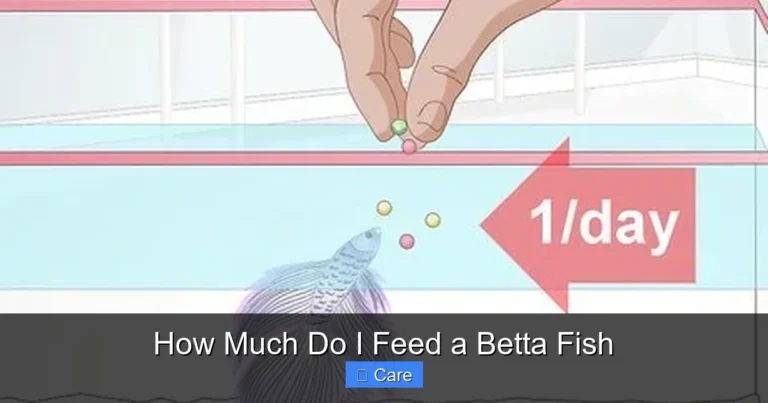
Portion control is key. Bettas have small stomachs, roughly the size of their eye. Overfeeding leads to bloating and poor water quality. Feed small amounts once or twice a day. Remove any uneaten food after a few minutes. This prevents decay and keeps the tank clean. A clean tank means a happier fish.
Some owners wonder do betta fish have treats for a snack. Yes, they do, and treats can be a great enrichment tool. Use them sparingly to avoid nutritional imbalances. Rotate between different food types to keep your betta interested. A well-fed betta with a varied menu will show more energy and enthusiasm at mealtime.
Routine Care and Maintenance
Consistency creates security for your betta. They thrive when their environment is predictable. Establish a simple care routine and stick to it. Feed at the same times each day. Perform water changes on a regular schedule. Check equipment like heaters and filters weekly. These habits prevent problems before they start.
When cleaning the tank, avoid drastic changes all at once. Replace only a portion of the water. Keep some of the old water to maintain stable chemistry. Clean the substrate gently with a gravel vacuum. Wipe the glass with an algae pad if needed. These small tasks keep the habitat fresh without stressing your fish.
Water Changes and Cleaning
Weekly water changes of twenty-five to fifty percent work well for most tanks. The exact amount depends on your tank size and bioload. Test your water before and after changes to track progress. Use a siphon to remove debris from the bottom. This removes waste and keeps the substrate healthy.
Never use soap or harsh chemicals to clean tank items. These leave residues that can harm your betta. Rinse decorations in warm water instead. If you need to disinfect something, use a diluted vinegar solution and rinse thoroughly. Your fish safety comes first. Clean equipment and fresh water are the basics of good betta fish care.
Monitoring Behavior and Health
Daily observation is your best tool. Spend a few minutes watching your betta each day. Note their activity level, appetite, and appearance. Look for new spots, frayed fins, or unusual swimming patterns. Early detection makes treatment easier. Many health issues start small and worsen quickly if ignored.
Keep a simple log if you notice changes. Write down what you saw and when. This helps you spot patterns. For example, you might link a behavior change to a recent water change or new decoration. Tracking details helps you make better decisions. A proactive owner keeps their betta healthier and happier for longer.
Common Mistakes to Avoid
Even well-meaning owners make errors. Knowing these pitfalls helps you sidestep them. One common mistake is keeping a betta in a bowl without a filter or heater. This leads to unstable water and temperature swings. Another mistake is overfeeding or feeding only one type of food. Poor diet weakens the fish over time.
Some people add too many tank mates or aggressive fish. Bettas can coexist with certain species, but compatibility matters. Overcrowding increases stress and competition. Others change decorations frequently, which can upset their fish. While do betta fish get mad when you change their decorations is a common question, sudden changes can cause stress. Make adjustments gradually and watch their reaction.
Quick Tips for Success
Here are some fast reminders to keep your betta thriving:
- Test water weekly to catch issues early.
- Use a heater to maintain warm, stable temperatures.
- Add live plants for natural filtration and cover.
- Feed small portions to prevent bloating and waste.
- Observe daily for behavior and health changes.
- Avoid sharp decor that can damage fins.
- Keep routines consistent to build trust and security.
These simple habits make a big difference. They create a stable, enriching environment where your betta can flourish. Consistency and attention are the real secrets to a content fish.
Expert Insights on Betta Happiness
Experienced keepers agree that happiness comes from meeting both physical and mental needs. A tank that looks beautiful is nice, but function matters more. Good filtration, proper heating, and clean water form the base. Enrichment and interaction build on that foundation. When these elements work together, your betta shows their best self.
Experts also stress the importance of patience. New setups take time to stabilize. Your betta may hide at first while they adjust. Give them days or weeks to settle in. Avoid constant disturbances during this period. Once they feel secure, their true personality emerges. You will see more swimming, exploring, and even playful behavior.
Building a Long-Term Bond
A happy betta often recognizes their owner. They may swim to the glass when you approach. Some will follow your movements or respond to gentle tapping on the tank. This bond grows through regular, calm interaction. Speak softly and move slowly around the tank. Your fish will learn that you bring food and safety, not threats.
Over time, you will notice unique quirks. One betta might love chasing a floating object. Another might prefer resting on a specific leaf. These preferences show that your fish is engaged and comfortable. Celebrate these moments. They are proof that your care is working. A strong bond makes ownership more rewarding for both of you.
Conclusion
So, how do you make a betta fish happy? It starts with a spacious, clean tank and warm, stable water. Add live plants, smooth hiding spots, and gentle enrichment to keep them engaged. Feed a varied diet in small portions and maintain a consistent routine. Watch their behavior closely and adjust care as needed. Avoid common mistakes like overcrowding, overfeeding, and sharp decorations.
A thriving betta fish is not accidental. It comes from daily attention, simple best practices, and genuine care. When you meet their physical and mental needs, your betta will show vibrant colors, active swimming, and a lively personality. Follow these tips, stay patient, and enjoy the unique charm of your colorful companion. Your effort will create a joyful home where your betta truly feels at home.
Frequently Asked Questions
How do I know if my betta fish is happy?
A happy betta swims actively, explores the tank, and keeps their fins open. They also show interest in their surroundings and maintain a steady appetite. Regular breathing and bright colors are additional signs of contentment.
What size tank does a betta fish need to be happy?
A minimum of five gallons is recommended for a single betta. Larger tanks provide more stable water and room for enrichment. Ten gallons or more is ideal if you want to add plants or compatible tank mates.
Can betta fish get bored in their tank?
Yes, bettas can become bored in bare or cramped environments. Adding live plants, caves, and safe toys gives them mental stimulation. Regular interaction and a varied diet also help keep them engaged and active.
How often should I feed my betta fish for optimal happiness?
Feed small portions once or twice a day to match their small stomach size. Offer a mix of quality pellets and occasional frozen or live treats. Remove uneaten food quickly to keep the water clean and your fish healthy.
Do betta fish need a heater to stay happy?
Yes, bettas prefer warm water between 78 and 80 degrees Fahrenheit. A reliable heater keeps the temperature stable and supports their metabolism and immune system. Always use a separate thermometer to verify the heat level.
What are the biggest mistakes that make betta fish unhappy?
Common mistakes include keeping them in tiny unfiltered bowls, overfeeding, and using sharp decorations. Poor water quality and unstable temperatures also cause stress. Consistent care, proper tank size, and enrichment prevent these problems.