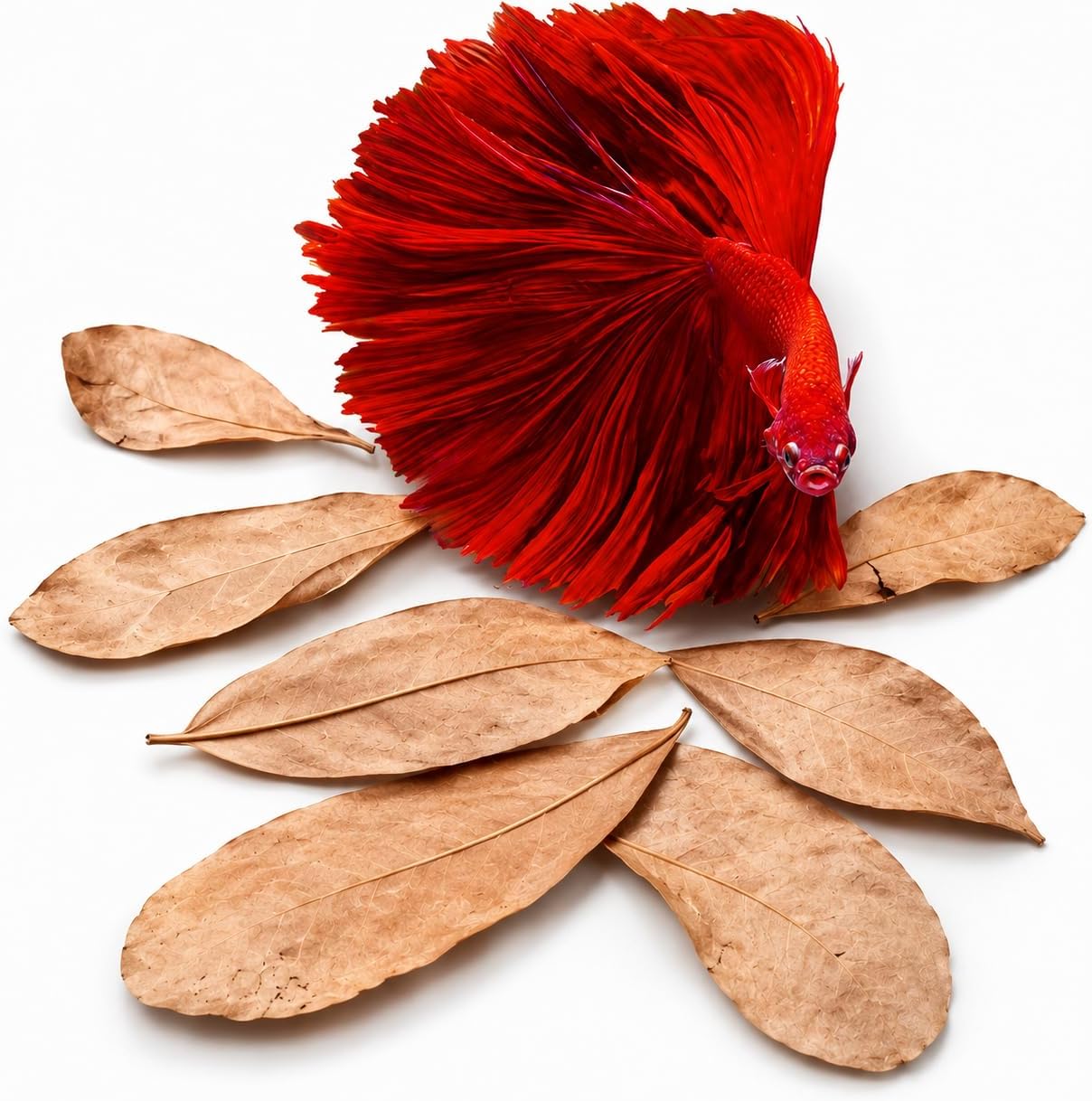
How Can You Tell How Old a Betta Fish Is With Easy Signs
How can you tell how old a betta fish is without a birth certificate? You can estimate age by checking fin development, body color, size, and activity levels. Young bettas show bright colors and short fins, while older ones often have longer fins and faded hues. Watch for slower movement and slight size changes as key clues. These simple signs help you give better care at every life stage.
Many new fish keepers ask one simple question early on: how can you tell how old a betta fish is? It is a fair question. Betta fish do not come with birth certificates. Pet stores rarely share exact hatch dates. Even when you buy a young fish, you may only know it is a juvenile or an adult. Still, you can make a solid guess by looking at a few clear signs. You do not need fancy tools. You just need a careful eye and some basic knowledge.
This guide will walk you through the easiest ways to estimate your betta age. We will cover fin growth, body color, size, behavior, and water conditions. You will also learn how tank setup and care can change how a fish looks over time. By the end, you will feel more confident about guessing your betta age and giving it the right care. Let us dive in.
Key Takeaways
- Fin development matters: Short, rounded fins usually mean a young betta, while long, flowing fins suggest maturity.
- Color changes reveal age: Bright, vivid colors often indicate youth, while fading or dulling hues can signal older fish.
- Size offers clues: Most bettas reach full size by one year, so small fish are likely juveniles.
- Behavior shifts over time: Younger bettas are usually more active, while older ones may swim slower and rest more.
- Water quality affects aging signs: Stress from poor conditions can make a fish look older or younger than it really is.
- Records help most: Keeping a purchase or hatch date makes age tracking much easier than guessing.
- No method is perfect: Visual signs give estimates, not exact ages, so use them as helpful guides.
📑 Table of Contents
- How Can You Tell How Old a Betta Fish Is by Looking at the Fins
- How Can You Tell How Old a Betta Fish Is Using Color and Body Changes
- How Can You Tell How Old a Betta Fish Is by Size and Body Shape
- How Can You Tell How Old a Betta Fish Is by Watching Behavior
- How Water Quality and Tank Setup Affect Age Signs
- How to Track Betta Age More Accurately Over Time
- Common Signs That Help Estimate Betta Age
- When Age Guessing Is Not Enough
- Conclusion
How Can You Tell How Old a Betta Fish Is by Looking at the Fins
The fins are often the best first clue when you ask how can you tell how old a betta fish is. Young bettas usually have short, neat fins. Their tail and side fins may look compact and tidy. As they grow, many bettas develop longer, more dramatic fins. The exact look depends on the type of betta you have. Some breeds naturally keep shorter fins. Others grow very long, flowing fins as they mature.
Young Betta Fin Signs
Juvenile bettas often show small, rounded fins. The tail may look like a soft fan instead of a long flare. Side fins, also called pectoral fins, usually stay close to the body. At this stage, the fish is still growing into its full shape. You may notice the fins look a bit stiff or simple. That is normal for a young fish.
Adult Fin Development
As a betta reaches adulthood, the fins usually become more noticeable. The tail may spread wider. The side fins can grow longer and more elegant. In some fancy varieties, the fins become very long and flowing. This change often happens over several months. If your betta has long, showy fins, it is likely past the juvenile stage.
Older Betta Fin Changes
Older bettas may keep long fins, but the fins can also show wear. You might see small tears, frayed edges, or a less crisp look. That does not always mean the fish is very old. Fin damage can happen from tank decor, strong water flow, or rough handling. Still, if the fins look worn and the fish is calm and less active, age may be part of the picture.
Quick Tip: Fin length alone does not tell the whole story. Always combine fin signs with color, size, and behavior before guessing age.
How Can You Tell How Old a Betta Fish Is Using Color and Body Changes
Color is another helpful clue when you wonder how can you tell how old a betta fish is. Young bettas often display bright, strong colors. Reds, blues, purples, and multi-color patterns can look very vivid early in life. As the fish ages, the colors may soften. Some bettas keep their bright look for a long time. Others slowly fade or develop a more muted tone.
Juvenile Color Patterns
Baby and juvenile bettas can be surprisingly colorful. Their patterns may look sharp and clear. Some young fish even show strong metallic or iridescent tones. If your betta looks very bright and the color seems intense, it may be on the younger side. Of course, good water quality and lighting also make color look stronger.
Adult Color Stability
By the time a betta reaches adulthood, its colors usually settle into a more stable pattern. The fish may still look vibrant, but the colors may not be as shocking as they were in youth. This is a normal part of growth. A healthy adult betta can still look beautiful and rich in color.
Color Fading in Older Bettas
As bettas get older, some owners notice a gradual dulling. Reds may look less intense. Blues may seem softer. In some cases, the fish may develop a slightly washed-out look. Again, this is not a perfect rule. Stress, illness, and poor water can also cause fading. So if your betta color drops fast, check the tank conditions first.
Common Mistake: Many people assume fading color always means old age. It does not. Sudden color loss is often a sign of stress, disease, or bad water quality.
How Can You Tell How Old a Betta Fish Is by Size and Body Shape
Size can help, but it is not the easiest clue on its own. When people ask how can you tell how old a betta fish is, they often hope size will give a simple answer. In reality, size depends on genetics, food, tank size, and overall care. Still, body shape and growth stage can offer useful hints.
Juvenile Size Signs
Young bettas are usually smaller and slimmer. Their bodies may look more streamlined. If your fish is noticeably short in length and has a narrow body, it may still be growing. Juvenile bettas also tend to change shape faster than adult fish. You may see growth over weeks if conditions are good.
Adult Size Range
Most healthy bettas reach their adult size within about a year. At that point, the body looks fuller and more developed. The fish may appear more robust, though not necessarily fat. A well-fed adult betta usually has a solid, balanced shape. If your fish has reached this stage, it is likely no longer a juvenile.
Older Body Changes
In older bettas, the body may look a little different. Some fish keep a strong shape for a long time. Others may seem less full or a bit more tapered. Age can also affect energy, which may change how the fish carries itself. A slower, more careful swimmer may be older, but again, health matters too.
Expert Insight: Size is best used as a general guide, not a strict age meter. A well-cared-for betta may stay healthy and full-bodied longer than a neglected one.
How Can You Tell How Old a Betta Fish Is by Watching Behavior
Behavior is one of the most practical clues for estimating betta age. If you are still asking how can you tell how old a betta fish is, spend time watching your fish during the day. Young bettas often act curious, quick, and energetic. Older bettas may move more slowly and take more rest breaks. These changes are normal, but they should happen gradually, not suddenly.
Young Betta Behavior
Juvenile bettas can be quite active. They may explore the tank more often. They may flare, swim around decorations, or respond quickly to movement outside the tank. Some young bettas also seem bold and alert. That energy usually matches a fish that is still growing and learning its space.
Adult Betta Behavior
Adult bettas usually settle into a steady routine. They may still be active, but they often show more balance between swimming and resting. You might see regular feeding responses and normal exploration. A healthy adult betta should still be alert, not sluggish. If your fish is active and responsive, that is a good sign.
Older Betta Behavior
As bettas age, they may become calmer. They might spend more time near the bottom or in a favorite resting spot. They may swim shorter distances and take more pauses. Some older bettas are still curious, but their pace is slower. If your betta is aging well, it should still eat well and react to you.
Common Mistake: Do not confuse illness with old age. A sudden drop in activity, hiding all day, or refusing food is more likely a health issue than simple aging.
How Water Quality and Tank Setup Affect Age Signs
Water quality can change how a betta looks and acts. That matters a lot when you try to figure out how can you tell how old a betta fish is. A stressed fish may look faded, tired, or smaller than it should. A well-cared-for fish may keep a brighter color and stronger fins for longer. So, before you judge age, look at the tank environment.
Clean Water Supports Healthy Aging
Good water helps fish stay healthy as they grow. Regular water changes, proper filtration, and safe temperature all matter. If you use tap water, make sure it is treated correctly before it goes into the tank. You can read more about safe water choices in our guide on can you use tap water in a betta fish tank. Water that is too cold, too dirty, or too harsh can make a fish look worse than its real age.
Tank Size and Decor Matter
A cramped tank can limit movement and increase stress. A larger, well-decorated tank can support better activity and comfort. Smooth decorations also help protect fins. If your betta has long fins, sharp rocks or plastic plants can cause damage. For more on tank setup choices, see can you put rocks in a betta fish bowl. A better setup often helps a betta look and act healthier at any age.
Filtration and Water Flow
Some bettas prefer gentle water movement. Strong flow can tire them out and make them seem less active. If your fish is always fighting the current, it may look older or more worn than it is. A calm, balanced setup usually supports better behavior and easier age observation.
Quick Tip: If your betta looks dull or tired, improve water quality first. Many age-like signs actually come from poor conditions, not true age.
How to Track Betta Age More Accurately Over Time
If you want a better answer to how can you tell how old a betta fish is, tracking is your best tool. Visual clues only give estimates. A simple record gives you context. When you know when you bought the fish or when you first noticed its size, you can make much better guesses.
Keep a Simple Fish Log
Write down the date you brought your betta home. Note its size, color, fin shape, and behavior at that time. Then check in every few months. Over time, you will see growth, color changes, and behavior shifts. This makes age estimation much easier than trying to guess from one glance.
Compare With Known Life Stages
Use what you know about betta growth stages. A small, bright, active fish is more likely young. A full-sized fish with mature fins is more likely an adult. A calm fish with some fin wear and softer color may be older. Combine these signs instead of relying on one alone.
Watch for Sudden Changes
Age changes happen slowly. Fast changes usually mean something else. If your betta suddenly loses color, stops eating, or becomes very weak, do not assume it is just aging. Check for illness, water problems, or stress. If you are worried about a declining fish, you may want to read can you save a betta fish from dying for helpful next steps.
Expert Insight: The best age estimate comes from pattern recognition over time. One clue is helpful. Several clues observed over weeks or months are much better.
Common Signs That Help Estimate Betta Age
Here is a simple way to think about the main signs when you ask how can you tell how old a betta fish is. Use this as a quick reference, not a strict rulebook. Every betta is different, and care quality changes how fish develop.
Fast Checklist for Age Clues
- Fins: Short and neat often means younger. Long and flowing often means more mature. Worn edges may suggest age or damage.
- Color: Bright and intense often suggests youth. Softer or faded color may suggest older age or stress.
- Size: Smaller and slimmer may mean still growing. Fuller and stable size often means adulthood.
- Activity: Very active and bold may mean younger. Calmer and more restful may mean older.
- Response: Quick reactions often match youth. Slower but steady responses may match age.
- Condition: Good water and care can keep a fish looking younger and healthier longer.
Comparison Table: Age Clues at a Glance
| Sign | Likely Younger Betta | Likely Adult Betta | Possible Older Betta |
|---|---|---|---|
| Fins | Short, simple, compact | Longer, more developed | Long but worn or frayed |
| Color | Bright, vivid, sharp | Stable, still vibrant | Softer, faded, or muted |
| Size | Smaller, slimmer | Full adult size | May look less full |
| Activity | Active, bold, curious | Balanced, regular routine | Calmer, more restful |
| Response Speed | Quick reactions | Steady reactions | Slower but still responsive |
When Age Guessing Is Not Enough
Sometimes you do not need an exact age. You need better care. If your betta is healthy, eating well, and swimming normally, the exact number matters less. What matters more is giving the right environment for the stage it is in. A young betta may need clean water and safe growth conditions. An adult betta may need stable routines and gentle tank conditions. An older betta may benefit from easier access to resting spots and calm water.
If you are ever unsure whether a change is age-related or health-related, look at the whole picture. Check the water. Check the food. Check the temperature. Look for signs of stress or disease. If needed, learn more about supportive care in can you save a betta fish from dying. Acting early is always better than guessing late.
Conclusion
So, how can you tell how old a betta fish is? You look at the full picture. Fins, color, size, behavior, and tank conditions all give useful clues. Young bettas often have shorter fins, brighter colors, smaller bodies, and lively behavior. Adult bettas usually show more developed fins, stable colors, and balanced activity. Older bettas may move more slowly, rest more, and show some fin wear or color softening. None of these signs are perfect on their own. Together, they help you make a much smarter guess.
The best approach is simple. Observe your betta often. Keep basic notes. Protect water quality. Give your fish a safe, calm home. Over time, you will understand its stage of life much better. That knowledge helps you care with confidence, whether your betta is young, adult, or gracefully aging.
Frequently Asked Questions
Can you tell how old a betta fish is just by its size?
Size can help, but it is not exact. A small betta may still be growing, while a fuller one is often an adult. Genetics and care also affect size, so use size along with other signs.
Do faded betta colors always mean the fish is old?
No, faded color does not always mean old age. Stress, poor water, illness, or bad lighting can also dull color. If fading happens quickly, check the tank conditions first.
Are long fins a sign that a betta fish is older?
Long fins often suggest a more mature betta, but not always. Some varieties naturally have longer fins, and fin length can also depend on breeding type. Look at fins together with color, size, and behavior.
Why is my betta fish moving more slowly than before?
Slower movement can happen with age, but it can also signal stress or illness. If the change is sudden, check water quality, temperature, and appetite. Gradual slowing is more likely to be age-related.
What is the best way to estimate betta fish age?
The best way is to combine several clues over time. Watch fins, color, size, and behavior, and keep simple notes about when you got the fish. A record gives you far better context than a single observation.
Can poor water quality make a betta look older than it is?
Yes, poor water can make a fish look tired, faded, or worn. That can mimic aging signs even when the fish is younger. Clean, stable water helps your betta look and act healthier at any age.