Do Betta Fish Get Bigger Growth Facts and Care Tips
Do betta fish get bigger than most people think? Yes, they can reach up to 3.5 inches with proper care. In this guide, we explore betta fish growth rates, tank size requirements, and diet plans to help your fish thrive. You will learn how to avoid common mistakes that stunt their development.
Many new owners ask one common question. Do betta fish get bigger over time? It is a valid concern. You buy a tiny fish and wonder how large it will become. Understanding their growth helps you plan better. You need to know what to expect for your tank.
This article covers everything about betta fish size. We look at growth stages and care tips. You will learn how to support healthy development. We also discuss tank mates and space needs. Let us dive into the details.
Key Takeaways
- Growth Potential: Healthy male bettas typically reach 3 to 3.5 inches in length.
- Tank Size Matters: A minimum 5-gallon tank supports better betta fish growth than small bowls.
- Diet Impact: High-protein foods like bloodworms help them grow stronger and bigger.
- Water Quality: Clean water prevents disease and allows fish to reach their full size.
- Genetics Play a Role: Some betta fish breeds are naturally smaller than others.
- Stress Reduction: Lower stress levels contribute to overall health and growth.
- Patience Is Key: It takes about one year for a betta to reach full maturity.
📑 Table of Contents
- Understanding Betta Fish Growth Patterns
- Do Betta Fish Get Bigger With Better Care?
- Do Betta Fish Get Stressed By Tank Mates?
- Do Betta Fish Get Sick Easily When Stunted?
- Do Betta Fish Get Tired From Swimming?
- Do Betta Fish Get More Colorful As They Grow?
- Common Mistakes That Limit Growth
- Expert Tips for Maximizing Size
- Conclusion
Understanding Betta Fish Growth Patterns
Betta fish do not grow like mammals. They grow steadily until maturity. Most males reach full size around one year. Females might grow slightly slower. Genetics play a huge role here. Some fish are bred for size while others are not.
You might notice your fish grows fast at first. Then growth slows down. This is normal behavior. Do betta fish get bigger after the first year? Usually, they stop growing in length. They might gain some weight or muscle. But their fins might grow longer over time.
Factors Influencing Size
Several things affect how big your fish gets. Water quality is number one. Dirty water causes stress. Stress stunts growth. Diet is another major factor. Poor food leads to poor growth. Tank size also matters a lot. Small spaces limit movement and health.
- Genetics: Some lines are bred for larger bodies.
- Nutrition: Protein-rich diets support muscle development.
- Environment: Clean water reduces stress hormones.
- Age: Growth slows significantly after 12 months.
It is important to manage expectations. You cannot force a fish to grow beyond its genetic limit. But you can help it reach its potential. Good care ensures they do not stay stunted. A stunted fish is often a sick fish.
Do Betta Fish Get Bigger With Better Care?
This is the core question for many owners. Do betta fish get bigger if you treat them well? The answer is yes and no. They will reach their genetic maximum. Poor care prevents them from reaching that max. Good care helps them get there.
Think of it like a plant. A plant in bad soil stays small. A plant in good soil grows tall. Your fish is similar. You provide the soil and water. You cannot change the seed. But you can nurture the growth.
The Role of Nutrition
Food is fuel for growth. Bettas are carnivores in the wild. They eat insects and larvae. Your tank diet should match this. Flakes are okay but not enough. You need variety for best results.
High-protein foods are essential. Look for ingredients like fish meal. Avoid fillers like corn or wheat. These offer little nutrition. Here are some good food options:
- High-quality pellets: Look for protein content above 30 percent.
- Frozen bloodworms: Great treat for growth boosts.
- Brine shrimp: Easy to digest and nutritious.
- Live foods: Mimics natural hunting behavior.
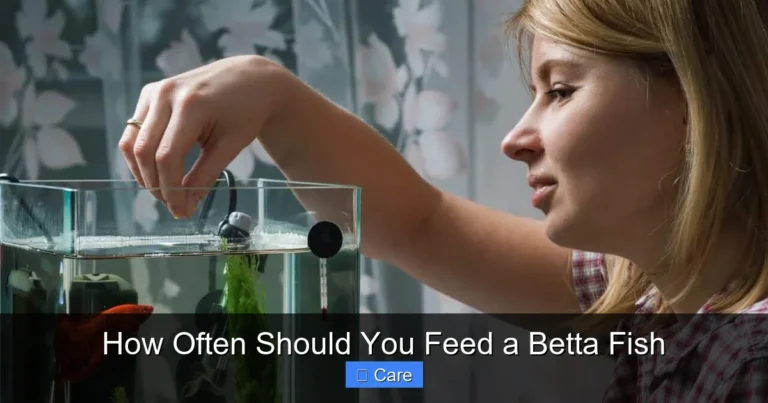
Feeding frequency matters too. Overfeeding causes bloating. Underfeeding causes stunting. Feed small amounts twice a day. Watch their belly size. It should look slightly rounded, not distended.
Impact of Tank Size on Growth
Many people keep bettas in small bowls. This is a common mistake. Small water volumes pollute quickly. Ammonia builds up fast. This harms the fish gills and health. Betta fish growth suffers in bad conditions.
A 5-gallon tank is the minimum standard. This gives enough space to swim. It also stabilizes water parameters. Stable water means less stress. Less stress means better growth. You should also consider filtration.
Filters remove waste automatically. This keeps water clean longer. Heaters are also vital. Bettas are tropical fish. They need warm water around 78 to 80 degrees Fahrenheit. Cold water slows their metabolism. Slow metabolism means slow growth.
Do Betta Fish Get Stressed By Tank Mates?
Social environment affects size too. Stress is a growth killer. Some fish live alone happily. Others might want friends. But bettas are known for aggression. Adding the wrong mate causes fights. Fights cause stress and injury.
You might wonder about compatibility. Do betta fish get along with tetras? Sometimes yes, sometimes no. It depends on the individual fish. Some bettas ignore small fish. Others chase them constantly. Constant chasing raises cortisol levels.
High cortisol stops growth. It weakens the immune system. Your fish might get sick easier. Sick fish do not grow well. You need to watch behavior closely. If you see hiding or fin nipping, separate them.
Compatible Tank Mates
If you want a community tank, choose wisely. Peaceful fish are best. Bottom dwellers are often safe. They stay out of the betta’s face. Here are some safe options to consider:
- Cory catfish: They stay at the bottom mostly.
- Neon tetras: Small and fast, they usually ignore bettas.
- Snails: Great cleaners and non-threatening.
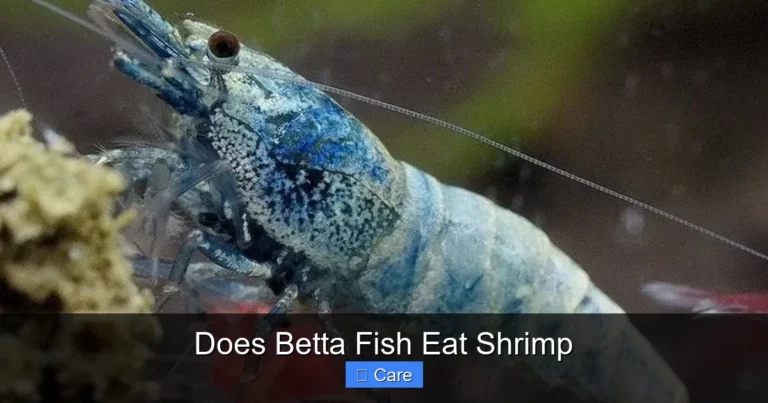
- Shrimp: Good for cleaning, but might get eaten.
Avoid fin nippers. Fish like tiger barbs are risky. They will attack long fins. This causes pain and stress. Stress leads to stress spots on the body. It is better to keep them alone if unsure. Solo living is perfectly fine for bettas.
Do Betta Fish Get Sick Easily When Stunted?
Health and size are linked. A small fish might be sick. Or it might be young. You need to tell the difference. Do betta fish get sick easily? They can if conditions are poor. Stunted growth is often a sign of chronic issues.
Look for physical signs. Pale colors suggest illness. Clamped fins show stress. White spots indicate parasites. These issues prevent normal growth. Treating the illness allows growth to resume. Prevention is always better than cure.
Preventing Common Health Issues
Prevention starts with water quality. Test your water weekly. Check ammonia and nitrite levels. They should be zero. Nitrates should be low. Regular water changes help this. Change 25 percent of water weekly.
Quarantine new fish too. New fish can carry diseases. You do not want to infect your main tank. This is crucial for community setups. Also, avoid sudden temperature changes. Stability is key for health.
If you notice issues, act fast. Early treatment saves lives. It also saves growth potential. A recovered fish can grow again. But chronic illness keeps them small. You can read more about specific illnesses online. Understanding betta fish health helps you act quickly.
Do Betta Fish Get Tired From Swimming?
Exercise affects muscle growth. Fish need to move to stay strong. But too much current is bad. Bettas have heavy fins. They are not strong swimmers like trout. Strong filters create too much flow.
You might ask, do betta fish get tired easily? Yes, they can exhaust themselves. They prefer calm water. Adjust your filter flow rate. Use a baffle if needed. This creates a gentle current.
Moderate swimming builds muscle. It keeps them fit. Fit fish look bigger and healthier. But they need rest spots. Add plants or decorations. These break the water flow. They give the fish a place to rest.
Creating a Balanced Environment
Balance is crucial for development. You want activity without exhaustion. Here is how to balance the tank environment:
- Flow Rate: Keep it low to moderate.
- Hiding Spots: Provide caves or dense plants.
- Surface Access: Ensure they can breathe air easily.
- Lighting: Use a day and night cycle.
Lighting affects their sleep cycle. Fish need rest to grow. Constant light stresses them out. Use a timer for your light. Give them 8 to 10 hours of light. Darkness allows them to rest and recover.
Do Betta Fish Get More Colorful As They Grow?
Color is a sign of health. Young bettas often have dull colors. As they mature, colors deepen. This happens around 3 to 4 months. Do betta fish get more colorful over time? Yes, healthy fish show vibrant hues.
Diet affects color too. Foods with carotenoids help. These pigments enhance reds and oranges. A dull fish might need better food. Or it might be stressed. Stress fades colors quickly.
Age also plays a role. Older fish might fade slightly. This is natural aging. But sudden color loss is bad. It signals a problem. Monitor color changes regularly. It is an easy health indicator.
Common Mistakes That Limit Growth
Many owners make errors unknowingly. These errors stop growth. Avoiding them helps your fish thrive. Let us look at the top mistakes.
Overcrowding the Tank
Too many fish create waste. Waste spikes ammonia levels. High ammonia burns gills. Burned gills reduce oxygen intake. Low oxygen slows metabolism. Slow metabolism stops growth. Keep the tank lightly stocked.
Inconsistent Feeding
Random feeding confuses the fish. They do not know when food comes. This causes anxiety. Consistent schedules reduce stress. Feed at the same time daily. This builds a routine.
Ignoring Water Temperature
Cold water is a silent killer. It slows digestion. Food sits in the belly. This leads to constipation. Constipated fish do not grow well. They feel heavy and sluggish. Keep the heater working properly.
Expert Tips for Maximizing Size
Want the best results? Follow these expert tips. They are simple but effective. You will see better results over time.
- Perform Weekly Water Changes: Keep nitrates low.
- Vary the Diet: Rotate between pellets and frozen foods.
- Monitor Behavior: Watch for signs of stress or aggression.
- Upgrade Tank Size: Move to 10 gallons if possible for more stability.
- Check Equipment: Ensure heaters and filters work well.
Patience is the most important tip. Growth takes time. You will not see changes overnight. Take photos monthly. Compare them to see progress. This keeps you motivated. It also helps you spot issues early.
Conclusion
So, do betta fish get bigger with the right care? Absolutely. They can reach their full potential size. This requires clean water, good food, and low stress. A 5-gallon tank is the best start. Proper diet fuels their development.
Remember that genetics set the limit. You cannot make them huge. But you can prevent stunting. Healthy fish are happier fish. They show better colors and behaviors. Your effort pays off in their vitality.
Start optimizing your tank today. Check your water parameters. Review your feeding schedule. Make sure your fish has space. Your betta will thank you with growth and beauty. Enjoy watching your fish thrive.
Frequently Asked Questions
How big do betta fish get on average?
Male betta fish typically grow to about 3 inches in body length. Their fins can add several more inches to their total appearance. Females are usually slightly smaller than males. Genetics and care quality determine the final size.
What size tank helps betta fish grow best?
A 5-gallon tank is the minimum recommended size for healthy growth. Larger tanks like 10 gallons offer more stability and swimming space. Small bowls restrict movement and pollute quickly. Stable water conditions support better development.
Does food affect betta fish size?
Yes, high-protein foods support muscle growth and overall size. Poor quality food with fillers can lead to stunting. A varied diet ensures they get all necessary nutrients. Avoid overfeeding to prevent bloating issues.
Can stress stop a betta fish from growing?
Chronic stress releases hormones that inhibit growth and weaken immunity. Aggressive tank mates or poor water quality are common stressors. Reducing stress allows the fish to focus energy on growth. A calm environment is essential for development.
At what age do betta fish stop growing?
Betta fish usually reach their full body size by one year of age. After this point, they may gain weight or grow longer fins. Growth slows down significantly after the first year. Proper care ensures they reach this milestone healthily.
Do betta fish fins grow bigger over time?
Yes, fins often continue to develop and lengthen after the body stops growing. Good water quality prevents fin rot and damage. Some breeds have longer fins naturally due to genetics. Healthy fish display more impressive fin growth.