Can Betta Fish Eat Goldfish Flakes Safety and Better Options
Can betta fish eat goldfish flakes? While your betta might nibble on them, these flakes are not safe for long-term feeding. Goldfish food lacks the high protein your betta needs and often contains fillers that cause digestive issues. Stick to betta-specific pellets or frozen treats for a thriving, colorful fish.
Many new fish owners ask the same question: can betta fish eat goldfish flakes? It is an easy mistake to make. Both fish are popular. Both live in tanks. Both eat flakes. So it feels like they can share a meal. But fish diets are not one-size-fits-all. What works for a goldfish can cause real trouble for a betta.
Bettas are beautiful, smart, and full of personality. They also have very specific needs. Their bodies are built for a high-protein diet. Goldfish food simply does not match that need. In this guide, we will break down why goldfish flakes are a poor choice. We will also share safe food options that keep your betta active, colorful, and healthy. Let us dive in.
Key Takeaways
- Goldfish flakes are not ideal: They lack the high protein content bettas require for energy and vibrant colors.
- Nutritional mismatch: Betta fish are carnivores, while goldfish are omnivores with very different dietary needs.
- Risk of digestive problems: Feeding goldfish flakes regularly can lead to bloating, constipation, and swim bladder issues.
- Better alternatives exist: High-quality betta pellets, frozen bloodworms, and brine shrimp are much safer choices.
- Occasional feeding is risky: Even as a treat, goldfish flakes offer little benefit and may harm water quality.
- Observe your fish: Watch for signs of stress or illness if your betta accidentally eats goldfish food.
- Stick to species-specific diets: Providing the right food ensures a longer, healthier life for your betta.
📑 Table of Contents
What Are Goldfish Flakes Made Of?
Goldfish flakes are designed for a very different kind of fish. Goldfish are omnivores. They eat plants, insects, and small crustaceans in the wild. Their food reflects that mix. Most goldfish flakes contain a blend of fish meal, wheat, soy, and vegetable matter. They also include fillers that help goldfish feel full. These fillers are cheap and easy to produce. But they are not great for bettas.
Bettas come from shallow, warm waters in Southeast Asia. In the wild, they eat insects, larvae, and small aquatic creatures. Their digestive systems are short and built for meat-based nutrition. They need lots of protein and very little plant matter. Goldfish flakes often have low protein and high carbs. That mismatch is the core problem. Your betta may eat the flakes, but his body cannot use them well.
Common Ingredients in Goldfish Flakes
Here is what you will often find on a goldfish flake label:
- Fish meal: A protein source, but usually lower quality than what bettas need.
- Wheat and corn: Cheap fillers that add bulk but little nutrition.
- Soy or vegetable powders: Plant-based ingredients that bettas struggle to digest.
- Vitamins and minerals: Added for general health, but not tailored to bettas.
- Binders and preservatives: Help the flakes stay together and last longer on the shelf.
These ingredients are fine for goldfish. They are not fine for bettas. The high carb and plant content can cause bloating and constipation. Over time, this can lead to bigger health issues. That is why the answer to can betta fish eat goldfish flakes is not a simple yes.
Can Betta Fish Eat Goldfish Flakes? The Short Answer
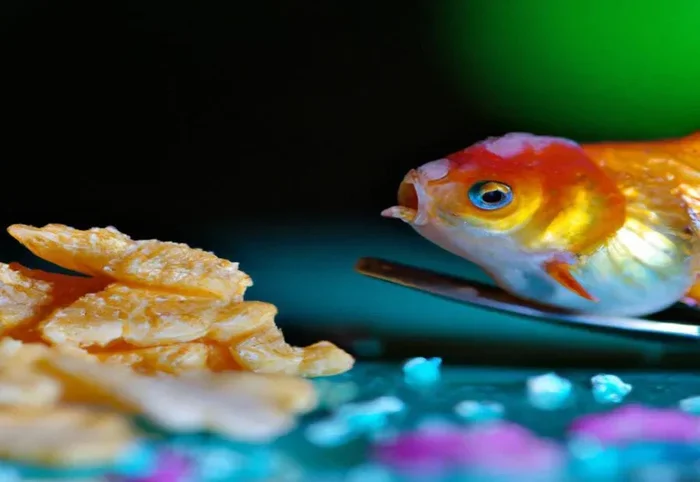
The short answer is: not recommended. Your betta might take a bite. He might even finish the flake. But that does not mean it is good for him. Think of it like feeding a cat a bowl of dog food. The cat may eat it, but it will not get the right nutrients. The same idea applies here.
Bettas need protein-rich food. Goldfish flakes are built for a different digestive system. They often sink quickly, which can cause bettas to gulp air while eating. That can lead to swim bladder problems. The low protein and high filler content also leave bettas hungry for the right nutrients. Over time, this can dull their colors and lower their energy.
What Happens If Your Betta Eats Goldfish Flakes?
One accidental flake is not a crisis. Do not panic. But regular feeding is a different story. Here is what can happen:
- Digestive upset: Fillers and plant matter can cause constipation and bloating.
- Poor growth and color: Lack of quality protein can make colors fade and fins look dull.
- Low energy: Bettas may become less active and less curious.
- Water quality issues: Uneaten flakes break down fast and can spike ammonia levels.
- Swim bladder stress: Gulping air or eating heavy fillers can affect buoyancy.
If your betta eats a goldfish flake by mistake, just watch him. Make sure he swims normally and acts like himself. If you see bloating or lethargy, skip the next feeding and offer a high-quality betta pellet instead. The key is to avoid making it a habit.
Why Bettas Need a Different Diet
Bettas are carnivorous by nature. Their bodies are built to process protein and fat from animal sources. In the wild, they hunt insects that land on the water surface. They also eat larvae and tiny crustaceans. This diet gives them the energy to display, flare, and stay vibrant.
Goldfish, on the other hand, are opportunistic omnivores. They graze on plants, algae, and small organisms. Their food is balanced for that lifestyle. It has more carbs and plant material. It also has less of the dense animal protein that bettas crave. This is the main reason can betta fish eat goldfish flakes is such a common but risky question.
Key Nutritional Differences
Here is a simple comparison to show the gap:
- Protein: Bettas need 40% or more. Goldfish flakes often sit lower than that.
- Fats: Bettas need healthy fats for energy and fin health. Goldfish food has less targeted fat.
- Carbs and fillers: Goldfish flakes use more fillers. Bettas do poorly with high carb loads.
- Fiber: Goldfish need more fiber for their longer digestive tract. Bettas need very little.
- Vitamins: Both need vitamins, but the balance should match the species.
When you feed a betta goldfish flakes, you are giving him the wrong fuel. It is like putting low-grade gas in a high-performance engine. The engine may run for a while, but it will not thrive. Your betta deserves better.
Risks of Feeding Goldfish Flakes to Bettas
The risks go beyond just poor nutrition. Feeding the wrong food can create a chain reaction of problems. Some show up quickly. Others build up over weeks or months. Here are the main risks to watch for.
Digestive Problems and Bloating
Bettas have a simple gut. They are not built to process lots of wheat, corn, or soy. When they eat goldfish flakes, the fillers can sit in the gut and cause constipation. Bloating follows. A bloated betta may struggle to swim normally. In serious cases, this can strain the swim bladder. Swim bladder issues are painful and can be hard to reverse.
Poor Water Quality
Goldfish flakes are often bulkier and break apart faster. Bettas may leave bits behind. Those bits sink and rot. Rotting food raises ammonia and nitrate levels. That stresses your betta and every other fish in the tank. Clean water is one of the best gifts you can give your fish. Poor food choices make that harder.
Dull Colors and Low Energy
Bettas show their health through their colors and activity. A well-fed betta is bright and active. A poorly fed betta can look washed out and sleepy. The lack of quality protein and proper fats can dull those stunning colors. It can also lower the energy needed for natural behaviors like exploring and flaring.
Long-Term Health Risks
One flake will not hurt. But a pattern of wrong feeding can shorten your betta’s life. Chronic digestive stress weakens the immune system. That makes your betta more open to disease. It also affects growth, fin condition, and overall vitality. The goal is a long, happy life for your fish. The right food is a big part of that.
Quick Tips to Avoid Feeding Mistakes
- Read the label: Check protein levels and ingredient lists before buying any fish food.
- Pick betta-specific food: Pellets and frozen treats made for bettas are the safest choice.
- Control portions: Feed only what your betta can eat in a few minutes.
- Remove leftovers: Siphon out uneaten food to keep water clean.
- Watch behavior: Note any bloating, lethargy, or color changes after trying new food.
Better Food Options for Betta Fish
Good news: there are many safe, healthy choices. You do not need goldfish flakes to keep your betta happy. In fact, the right foods will make your betta shine. Here are the best options to consider.
High-Quality Betta Pellets
Betta pellets are the easiest and most reliable choice. Look for pellets with high protein as the first ingredient. Avoid lots of fillers and plant powders. Good pellets sink slowly and are easy for bettas to catch at the surface. They also come in controlled sizes, which helps prevent overfeeding.
When choosing pellets, check for:
- Protein from fish or aquatic sources: This matches a betta’s natural diet.
- Low filler content: Less wheat, corn, and soy is better.
- Added vitamins: These support immune health and color.
- Appropriate size: Small enough for your betta to eat comfortably.
Frozen and Live Foods
Frozen foods are a fantastic treat and a great main food for many bettas. They are close to what bettas eat in the wild. They are also rich in protein and healthy fats. Popular options include:
- Bloodworms: A favorite for many bettas. High in protein and easy to feed.
- Brine shrimp: Great for variety and healthy fats.
- Daphnia: A lighter option that can help with digestion.
- Mosquito larvae: Very natural, but usually used as an occasional treat.
Live foods can be even more exciting for bettas. They trigger natural hunting behavior. Just make sure the live food comes from a clean, trusted source. This reduces the risk of parasites or disease.
Freeze-Dried Options
Freeze-dried foods are convenient and shelf-stable. They keep much of the nutrition of live foods. They are also easy to store and portion. Common choices include freeze-dried bloodworms and brine shrimp. These make excellent treats or diet variety. Just rehydrate them a bit before feeding to help digestion.
How to Build a Balanced Betta Diet
Variety is the secret to a healthy betta. No single food is perfect every day. A good routine might look like this:
- Main diet: High-quality betta pellets fed daily in small portions.
- Treats: Frozen or freeze-dried foods given a few times a week.
- Fasting: One fasting day per week can help digestion for some bettas.
- Observation: Adjust portions based on your betta’s activity and body shape.
This approach gives your betta the protein he needs without the fillers he does not. It also keeps meals interesting. A happy betta is a colorful, active betta.
What If You Already Fed Goldfish Flakes?
If you have been feeding goldfish flakes, do not worry. Fish are resilient. You can switch to a better diet and see improvements. Start by changing the food gradually if your betta is sensitive. Mix a small amount of betta pellets with the flakes at first, then increase the pellets over a few days. This helps the digestive system adjust.
Watch your betta closely during the switch. Look for better color, more activity, and normal swimming. If you see bloating, reduce portions and consider a short fasting day. Clean the tank well to remove any leftover flakes. Good water quality will support the transition.
Common Mistakes to Avoid
- Feeding too much: Overfeeding causes waste and digestive stress.
- Using one food only: Variety supports better health and interest.
- Ignoring water quality: Uneaten food and waste harm the tank fast.
- Skipping observation: Small changes in behavior can signal big problems.
- Assuming all flakes are equal: Goldfish flakes and betta pellets are not the same.
Expert Insights on Betta Nutrition
Betta care experts agree on a few core points. First, protein is king for bettas. Second, fillers and plant-heavy foods should stay minimal. Third, variety and clean water matter just as much as the food itself. Many hobbyists also note that bettas show clear signs when their diet is off. Dull color, lethargy, and bloating are common warning signs.
Experts also recommend avoiding overfeeding. Bettas have small stomachs. A few pellets per feeding is usually enough. It is better to feed small amounts twice a day than one large meal. This keeps energy steady and reduces waste. A stable routine helps your betta feel secure and thrive.
Key Takeaways for Feeding Your Betta
- Match the diet to the species: Bettas need carnivore-style nutrition.
- Choose quality over convenience: Good pellets beat cheap fillers every time.
- Add variety safely: Frozen and freeze-dried foods bring balance and excitement.
- Keep portions small: Small, frequent meals work best.
- Protect water quality: Remove leftovers and test water regularly.
Conclusion
So, can betta fish eat goldfish flakes? Technically, they might nibble them. But they should not. Goldfish flakes do not give bettas the high-protein nutrition they need. They also bring fillers and carbs that can cause digestive problems and poor water quality. Your betta deserves food that matches his natural diet.
The best path is simple. Use betta-specific pellets as the main diet. Add frozen or freeze-dried treats for variety. Keep portions small and watch your fish for signs of health or stress. Clean water and a steady routine will do the rest. With the right food, your betta will show brighter colors, better energy, and a longer, happier life. Make the switch today and give your betta the diet he truly needs.
Frequently Asked Questions
Can betta fish eat goldfish flakes once in a while?
A single accidental flake is usually not harmful, but it should not become a habit. Goldfish flakes lack the protein bettas need and can cause bloating over time. Stick to betta-specific food for the best health.
What happens if my betta eats goldfish flakes?
Your betta may digest a small amount without issue, but regular feeding can lead to constipation and dull colors. Watch for bloating or lethargy after accidental feeding. If problems appear, switch back to high-quality betta pellets.
Can goldfish flakes replace betta pellets?
No, goldfish flakes cannot replace betta pellets. They have a different nutrient balance and too many fillers for a betta’s carnivorous diet. Betta pellets are formulated to support energy, color, and digestion.
What is the best food for betta fish?
The best food is a high-quality betta pellet with strong protein content as the first ingredient. Frozen bloodworms and brine shrimp make excellent treats too. Variety and small portions help keep your betta healthy and active.
How often should I feed my betta fish?
Most bettas do well with small feedings twice a day. Offer only what they can eat in a few minutes. One fasting day per week can also help support healthy digestion for some bettas.
Can betta fish eat tropical fish flakes instead of goldfish flakes?
Some tropical flakes may be closer in protein, but they are still not ideal for bettas. Betta-specific pellets are the safest and most balanced choice. If you want variety, use frozen or freeze-dried treats made for bettas.