Will a Betta Fish Kill a Goldfish Facts and Safe Tank Tips
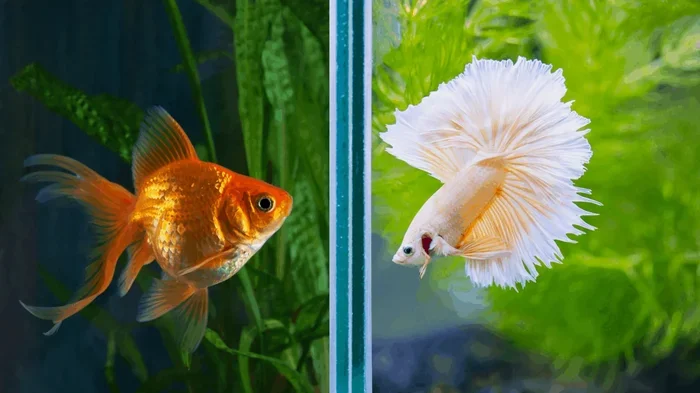
Will a betta fish kill a goldfish? The short answer is yes, it can happen, but it is not guaranteed. Bettas are territorial and may attack slow-moving tank mates. Goldfish produce heavy waste and prefer cooler water. You must understand their needs before mixing them. This guide explains the risks and offers safe alternatives.
This is a comprehensive guide about will a betta fish kill a goldfish.
Key Takeaways
- Territorial nature: Male bettas often attack other fish that invade their space.
- Water temperature mismatch: Bettas need warm water while goldfish prefer cooler conditions.
- Waste and filtration: Goldfish create heavy waste that can harm betta gills.
- Size and fin differences: Goldfish may nip betta fins or outcompete them for food.
- Tank size matters: Both species need room, but goldfish require much more space.
- Safer alternatives: Choose peaceful, warm-water fish that suit betta habits.
- Careful monitoring: If you try community tank setups, watch for stress signs daily.
[FEATURED_IMAGE_PLACEHOLDER]
Will a Betta Fish Kill a Goldfish? Understanding the Real Risk
When people ask, will a betta fish kill a goldfish, they often hope for a simple yes or no. The truth is more nuanced. Bettas are famous for their bold personalities. They guard their territory and may chase intruders. Goldfish are generally calm, but they can be slow and clumsy. This combination can create problems in a shared tank.
Many new fish keepers want a colorful community tank. They see a bright betta and a chunky goldfish and think they will look great together. Looks can be deceiving. These two species have very different needs. Their water preferences, feeding habits, and behaviors do not always match. That mismatch can lead to stress, injury, or worse.
In this guide, we will break down the facts in simple terms. You will learn why these fish can clash, what warning signs to watch for, and how to make safer choices. We will also cover tank setup tips, feeding advice, and better tank mates. By the end, you will know how to protect both fish and build a healthier aquarium.
Behavior Differences That Can Trigger Conflict
Bettas are often called Siamese fighting fish for a reason. Males, in particular, can be very territorial. They may flare their gills, chase, or bite when they feel crowded. This behavior is not evil. It is a natural response to a space they see as their own. If a goldfish swims into that space, the betta may react.
Goldfish are not aggressive in the same way. They are usually peaceful and curious. Still, they can be bolder than many people expect. They may nibble at long fins or compete aggressively for food. Their round bodies and slow movements can also annoy a betta that prefers clear lanes and calm water.
Why Space and Hiding Places Matter
A crowded tank increases tension. When fish have nowhere to retreat, small annoyances become big problems. A betta needs places to rest and hide. A goldfish also needs open swimming room. If the tank is too small, both fish may feel trapped. That stress can lead to chasing, fin damage, or constant hiding.
Good tank layout can reduce conflict. Plants, gentle decor, and clear zones help. Still, decor alone cannot fix major species mismatches. It can only lower the odds of trouble. If you want to understand more about whether a betta will attack another fish, you can read do betta fish kill and eat other fish for more context on their hunting and defense habits.
Water Temperature and Tank Conditions
One of the biggest issues is water temperature. Bettas come from warm tropical environments. They usually do best in stable, warmer water. Goldfish are cool-water fish. They can tolerate lower temperatures and often prefer them. Putting both in the same tank can force one fish into uncomfortable conditions.
Temperature stress is serious. If the water is too warm for a goldfish, it may become sluggish or weak. If the water is too cool for a betta, its immune system may suffer. Over time, that stress can make both fish more vulnerable to illness. For a deeper look at temperature risks, you may find can warm water kill a betta fish useful. You can also check can a change in temperature kill a betta fish if you are worried about sudden swings.
Filtration and Water Quality Challenges
Goldfish are messy eaters and heavy waste producers. Their tanks need strong filtration and frequent maintenance. Bettas are more delicate when water quality drops. They can struggle with high ammonia or poor oxygen levels. A goldfish tank that is not cleaned well may create a harmful environment for a betta.
This does not mean the two can never share water. It means the tank must be managed carefully. That is hard in small setups. Many beginners underestimate how much waste goldfish produce. They also underestimate how sensitive bettas can be to poor water. If you are deciding on a tank type, do betta fish have to be in a filtered tank is a helpful read. You may also want to explore do betta fish bowls need a heater before choosing equipment.
Size, Fins, and Feeding Competition
Body size and fin shape matter more than many people think. Bettas have long, flowing fins that look beautiful but can be vulnerable. Goldfish may accidentally bump or nip at those fins while swimming. This is not always intentional bullying. Sometimes it is just clumsy tank behavior. Even so, the result can be torn fins and stress.
Feeding is another flashpoint. Goldfish are eager eaters. They often rush to the surface and grab food quickly. Bettas may struggle to get their share in a busy feeding scene. If the goldfish is much larger, it can dominate meals. A betta that does not eat enough may weaken over time.
Signs of Trouble During Feeding
Watch how both fish behave at mealtime. If the betta hides, swims away, or seems anxious, the goldfish may be overwhelming it. If the betta flares every time food appears, the competition may be triggering aggression. You can reduce problems by using separate feeding spots or sinking foods that give the betta a fair chance.
If you are wondering about food choices, can we feed a betta fish goldfish food explains why diet matters. You can also see can u feed a betta fish goldfish food for more feeding guidance. For a broader compatibility question, can you put a male betta fish with goldfish covers the male betta side of the issue in detail.
Tank Size and Long-Term Compatibility
Tank size is a major factor in any community setup. Goldfish grow quickly and need lots of water to stay healthy. They also produce more waste as they grow. Bettas need stable conditions and enough space to establish a comfortable territory. A tiny bowl or small tank is a poor choice for either fish, let alone both.
When people ask, will a betta fish kill a goldfish, they sometimes imagine a small tank with two fish. In that setting, problems are more likely. Limited space increases competition and stress. It also makes water quality harder to control. A larger, well-filtered tank gives both fish a better chance, but it still does not guarantee peace.
When a Shared Tank May Be Risky
Even in a larger tank, behavior can change. A betta may tolerate a goldfish at first and then become defensive later. A goldfish may seem calm and then start nipping during feeding. Fish relationships are not always fixed. They can shift with age, season, feeding, and tank changes. That is why careful observation matters.
If you want to compare common setup questions, can betta fish live in a goldfish bowl is worth reading. You can also check can betta fish live in a tank with goldfish for a broader view of shared tank conditions.
Better Tank Mates and Safer Alternatives
If your goal is a peaceful community tank, there are often better choices than goldfish. Many tropical fish share bettas’ temperature needs and are less likely to cause trouble. Small, calm species with simple fins are usually safer. The best match depends on your tank size, filtration, and experience level.
A betta can sometimes live with peaceful tank mates if the setup is right. The key is to avoid fish that are overly bold, fin-nipping, or too different in water needs. You also want species that do not create heavy waste or outcompete the betta for food. A thoughtful selection makes the tank calmer and easier to maintain.
Choosing Compatible Fish
Look for fish that stay peaceful and occupy different areas of the tank. Some swimmers stay near the top, while others stay lower down. That can reduce direct conflict. It also helps to avoid overly active fish that constantly chase or disturb the betta. A calm tank is better for everyone.
If you are comparing options, can betta fish share a tank with goldfish gives another angle on compatibility. You may also want to read can betta fish live with a goldfish before making a final decision. For a wider look at mixed species, can goldfish live with a betta fish explores the reverse question as well.
Quick Tips for Safer Betta Care
If you are keeping a betta, the safest path is often a species-specific tank. That gives you control over temperature, decor, and feeding. It also reduces the chance of unexpected aggression. A well-planned single-fish tank can still be beautiful and interesting.
- Use a tank with stable heating and reliable filtration.
- Add live or artificial plants for shelter and visual breaks.
- Keep water changes consistent to protect water quality.
- Feed a balanced diet suited to bettas, not goldfish.
- Watch for fin damage, hiding, or loss of color.
- Avoid sudden changes in temperature or tank layout.
A calm routine helps bettas feel secure. They often respond well to predictable care. If you ever need to move your fish, can transporting a betta fish kill the fish explains what to watch for during transport. For a broader view of stress risks, see can stress kill a betta fish.
Common Mistakes to Avoid
Many tank problems come from simple mistakes. New keepers often choose fish based on appearance instead of compatibility. Others place two species together without checking water needs. These errors can lead to stress, injury, or illness. Avoiding them is easier than fixing them later.
Mistake 1: Ignoring Temperature Needs
Do not assume one temperature setting fits every fish. Bettas and goldfish have different comfort ranges. Matching both in one tank can be difficult. If the water favors one fish, the other may suffer over time.
Mistake 2: Underestimating Goldfish Waste
Goldfish are not low-maintenance in small tanks. They create a lot of waste and need strong filtration. If the tank is not cleaned often enough, water quality can drop fast. That environment is risky for bettas.
Mistake 3: Overfeeding or Poor Feeding Setup
Overfeeding can foul the water and harm both fish. It can also increase competition if one fish dominates the food. Feed small amounts and monitor who is actually eating. If you are worried about feeding mistakes, can you kill a betta fish by overfeeding is a useful warning guide.
Expert Insights on Compatibility
Experienced keepers usually say the same thing: compatibility is about more than friendliness. It is about water, space, behavior, and long-term care. A fish may look peaceful in a store tank and act very differently in your home. That is why research matters before buying.
Think about the whole system, not just the two fish. Ask yourself whether the tank can handle the waste, temperature, and activity level. Ask whether the betta has a chance to claim a safe territory. Ask whether the goldfish will compete too hard for food or space. These questions lead to better decisions.
If you are also curious about other species interactions, do betta fish and goldfish fight offers a focused look at conflict behavior. You can also read do betta fish fight with goldfish to see how those clashes may appear. For a broader compatibility question, can a goldfish be with a betta fish may help you weigh the risks.
Final Thoughts on Will a Betta Fish Kill a Goldfish
So, will a betta fish kill a goldfish? It can happen, especially if the tank is small, the water is wrong, or the betta feels threatened. But the more important question is whether the setup is truly safe and sustainable for both fish. In many cases, the answer is no. Their needs are simply too different for a beginner-friendly community tank.
That does not mean you cannot keep both species in the same home. It means you should think carefully before combining them. A separate, well-maintained betta tank is often the better choice. If you want a community tank, choose mates that match your betta’s water needs and temperament. With the right plan, you can enjoy a beautiful aquarium without putting either fish at risk.
Frequently Asked Questions
Can a betta fish and goldfish live together peacefully?
They can sometimes share a tank, but peaceful coexistence is not guaranteed. Their water needs, waste levels, and behaviors often clash. A large, well-filtered tank and close monitoring are essential if you try it.
Why would a betta attack a goldfish?
A betta may attack if it feels its territory is invaded or if the goldfish bothers it during feeding. Long fins and slow movement can also trigger chasing. Stress and cramped space make aggression more likely.
Do goldfish harm betta fins?
Goldfish may accidentally bump or nip at betta fins, especially in tight tanks. This can cause tears and stress. Even if the goldfish is not being mean, the damage can still be serious.
What water temperature is best if I keep both fish?
There is no perfect temperature for both, because bettas prefer warmer water and goldfish prefer cooler water. That mismatch is one reason they are difficult to house together. You usually have to favor one species and accept compromise.
Is a goldfish bowl safe for a betta?
No, a goldfish bowl is usually too small and unstable for either fish. It offers poor filtration, limited space, and weak temperature control. A larger tank with proper equipment is much safer.
What are safer tank mates for a betta?
Safer choices are usually peaceful, warm-water fish that do not nip fins or create heavy waste. Look for calm species that stay out of the betta’s way. Always match tank mates to your tank size and water conditions.