Whats a Betta Fish Everything You Need to Know
Betta fish are colorful freshwater pets known for their flowing fins and bold personalities. Many people ask whats a betta fish because they look stunning but need specific care to thrive. You will learn about their habitat, diet, behavior, and common health needs in this guide. Proper care helps your fish live a long and happy life in your home.
If you have ever seen a bright fish with flowing fins at a store, you may have wondered whats a betta fish and why so many people love them. These fish are small, colorful, and full of personality. They can be a great choice for a first aquarium, but they still need thoughtful care. A happy betta is not just about a pretty tank. It is about clean water, warm temperatures, good food, and a calm home.
Many new fish owners think a tiny bowl is enough, but that is not the best setup. Bettas do best when they have enough room to swim and a stable environment. They also enjoy places to hide and explore. When you understand their needs, you can give them a much better life. This guide will walk you through the basics in a simple way.
Key Takeaways
- Betta basics: Betta fish are tropical freshwater fish that need warm water and clean tanks to stay healthy.
- Tank size matters: A larger tank gives your fish more space and makes water quality easier to manage.
- Water care is key: You should use treated tap water or safe bottled water and keep the temperature steady.
- Feeding needs: A balanced diet with quality pellets and occasional treats supports strong fins and energy.
- Signs of stress: Watch for faded color, torn fins, or low activity as early warning signs of trouble.
- Gentle handling: Avoid touching your fish unless necessary, since their body coating can be easily damaged.
- Regular maintenance: Small weekly cleanups help prevent disease and keep the tank environment stable.
📑 Table of Contents
Whats a Betta Fish and Where Do They Come From
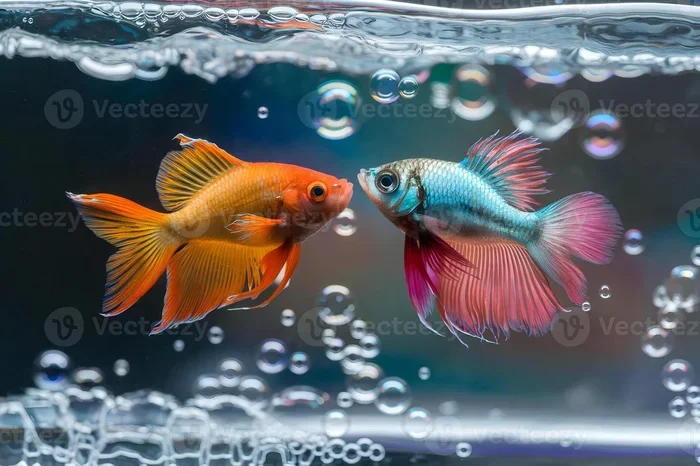
A betta fish is a small freshwater fish that is famous for its bright colors and long fins. People often call them Siamese fighting fish because males can be very territorial. In the wild, they live in shallow waters such as rice fields, slow streams, and ponds. These places are warm and often have lots of plants. That natural history matters because it helps explain what they need in a tank.
Bettas are not just pretty pets. They are active little animals with interesting behavior. They can flare, build bubble nests, and show strong reactions to their surroundings. Some bettas are calm, while others are more bold. If you want to understand whats a betta fish really like, it helps to watch their daily habits. You will notice how they use their fins, how they explore, and how they respond to movement near the tank.
Why Their Natural Habitat Matters
Wild bettas live in warm water that stays fairly steady. They also survive in places with less oxygen, which is one reason they can breathe air from the surface. That ability is useful, but it does not mean they want dirty water. Clean water still matters a lot. A good tank should feel like a safe version of their natural home, with warmth, shelter, and room to move.
Common Betta Types You May See
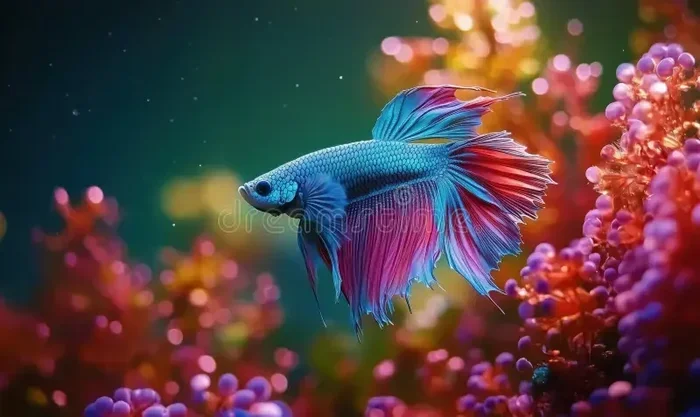
You will find bettas in many colors and tail shapes. Some have round tails, some have long flowing fins, and some look much more compact. The type you choose may affect how active they are and how much space they need. Long-finned bettas can be beautiful, but their fins may make them a little less agile. Shorter-finned bettas often swim more quickly and may seem more energetic.
Whats a Betta Fish Tank Setup Should Look Like
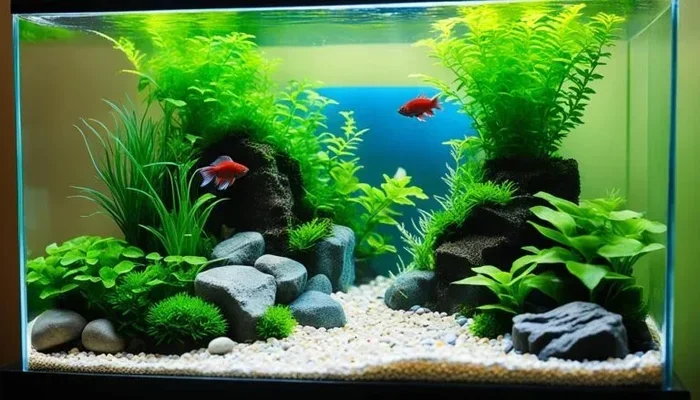
A good tank setup gives your betta comfort and stability. The tank should be wide enough for swimming and tall enough for gentle water movement. Many beginners start too small, but a larger setup usually makes care easier. It gives the fish more room and helps water stay healthier between cleanings. If you are wondering whats a betta fish tank should include, think about warmth, filtration, and shelter.
Plants, rocks, and hides can make the tank feel secure. Soft plants are often better than sharp ones because bettas can tear their fins on rough edges. You also want a gentle filter if you use one, since strong currents can stress a betta. The goal is a calm environment that still keeps the water fresh. A heater is important too, because bettas are tropical fish and prefer steady warmth.
Tank Size and Space Needs
Space matters more than many people expect. A bigger tank is usually easier to keep stable because the water changes temperature more slowly. It also gives your fish a better chance to swim naturally. If you want to know do betta fish like a lot of space, the answer is yes, they usually benefit from more room. A cramped setup can lead to stress and poorer water quality.
A larger tank also gives you more options for decoration and filtration. You can create a little aquatic scene with plants and hiding spots. That makes the tank look nicer and helps the fish feel more at ease. When the tank feels comfortable, your betta may show more natural behavior.
Filtration and Water Flow
Filters can help keep the water clean, but the flow should be mild. Bettas do not like fighting strong currents all day. If you are asking do betta fish have to be in a filtered tank, the short answer is that filtration is helpful, but the setup must suit the fish. A gentle filter can support better water quality without making the tank feel like a whirlpool.
If the current is too strong, you can adjust the output or use a baffle. The right filter should clean the water without stressing your fish. Keep an eye on how your betta moves. If it seems to struggle against the flow, the setup may need a small change.
Water Care and Temperature Needs
Water quality is one of the most important parts of betta care. Even a beautiful fish will struggle if the water is dirty or inconsistent. You should test the water often and make small changes instead of large sudden ones. Stable water helps your betta stay active and healthy. If you are curious about whats a betta fish environment should feel like, think warm, clean, and calm.
Temperature also matters a lot. Bettas prefer steady warmth, so a reliable heater is a smart choice. Sudden temperature swings can be stressful. You should also avoid placing the tank in direct sunlight or near drafts. A quiet spot with a stable room temperature is usually best.
Tap Water and Water Treatment
Tap water can work well, but it usually needs treatment first. Chlorine and other chemicals can harm fish. If you want to know can you use tap water in a betta fish tank, the answer is yes, as long as you condition it properly. A good water conditioner helps make the water safer for your fish.
Some people also ask about bottled water or well water. These can work in some cases, but you still need to check the water quality. If you want more detail, you can read about using bottled water in a betta fish tank and using tap water in a betta fish tank. The best choice depends on your local water and how you prepare it.
Cleaning Routine That Helps Prevent Trouble
Regular cleaning keeps the tank healthier without shocking the fish. You do not need to replace all the water at once. Small water changes are usually better. During cleaning, remove waste, rinse decorations if needed, and vacuum the substrate gently. If you want to avoid common errors, learn why soap should not be used to clean a betta fish tank. Soap can leave harmful residue behind.
A simple routine works best. Check the temperature, look at the fish, and notice any changes in the water. If you stay consistent, you will catch problems earlier. That makes care much easier in the long run.
Feeding and Nutrition Basics
Good food helps a betta stay strong and active. Bettas are carnivorous by nature, so they need protein-rich food. Quality pellets made for bettas are a common choice. You can also offer frozen or live foods sometimes, as long as the portions stay small. If you are learning whats a betta fish diet should include, focus on variety and moderation.
Overfeeding is a common mistake. It can leave uneaten food in the tank and affect water quality. It can also cause health problems for the fish. Feed small amounts that your betta can finish quickly. If you are unsure about portions, it is better to feed less than too much.
Treats and Extra Foods
Some owners like to give occasional treats. Treats can be fun, but they should not replace a balanced main diet. If you want to know whether betta fish have treats for a snack, the answer is yes, in moderation. You can also read about feeding bread to a betta fish to see why bread is not a good choice. Human snack foods are usually not safe for fish.
Healthy treats should fit a betta’s needs. Small portions are best. Too many extras can upset the balance of the diet and the tank. Think of treats as a small bonus, not a full meal.
Signs of Good Feeding Habits
A well-fed betta usually has steady energy and a healthy appearance. Watch how your fish responds during feeding time. If it eats eagerly and seems alert, that is a good sign. If it ignores food or seems sluggish, you may need to check the water, the temperature, or the food itself. Small changes in appetite can be early clues.
Behavior, Personality, and Daily Life
Bettas are more interesting than many people expect. They can recognize routines and may react when you approach the tank. Some will swim to the front when they see you. Others may hide more often. These habits are part of what makes whats a betta fish such a fun pet to watch. Their behavior can tell you a lot about how they feel.
Bettas also use their fins and posture to communicate. A flaring betta may look larger and more intense. That can happen during stress, excitement, or when they see their reflection. It is normal in small amounts, but constant flaring may mean the fish feels threatened. A calm tank setup usually helps reduce that kind of stress.
Interaction and Handling
Bettas are delicate, so it is best to be gentle. You should avoid unnecessary contact. If you are asking whether you can touch a pet betta fish, the safest answer is usually no, unless there is a clear reason and you are very careful. Their body coating can be damaged by dry hands or rough handling.
You can still interact with your fish in safe ways. Moving slowly near the tank, feeding on a routine, and observing daily behavior are all good habits. If you want to know whether you can put your hand inside a betta fish bowl, it is usually better to avoid doing that unless necessary. Less contact often means less stress.
Boredom, Exploration, and Enrichment
A tank should not feel empty or dull. Bettas can benefit from places to explore and rest. If you wonder whether betta fish get bored in a tank, the answer is that enrichment can help them stay more active and engaged. Plants, gentle decoration, and a stable routine can make daily life more interesting.
You can also try safe changes over time. Rearranging a hide or adding a new plant may give your fish something fresh to investigate. Keep changes small and gentle. Too much change at once can be stressful. The best enrichment is a balanced one.
Health, Stress, and Common Problems
A healthy betta usually looks alert, moves smoothly, and has clear eyes and intact fins. When something is wrong, the signs may be subtle at first. You might see less swimming, clamped fins, fading color, or changes in appetite. If you want to understand whats a betta fish health status, watch for small changes over several days.
Stress is one of the biggest problems for bettas. Poor water, strong currents, low temperatures, and crowded setups can all cause trouble. Even a hardy fish can weaken if the environment is not right. Prevention is much easier than fixing a serious issue later.
Fin Damage and Recovery
Fin problems are common and can worry new owners. A torn or deteriorating fin may happen for several reasons, including rough decor, poor water, or stress. If you are asking whether a betta fish tail can grow back, it often can, if the fish is cared for well and the damage is not ongoing. Clean water and a calm setup support healing.
Sometimes people also wonder whether diet changes can help with fin issues. If you want to explore that idea, you can read about whether changing a betta fish food can help with fin rot. Good nutrition matters, but water quality and environment are just as important. A healthy setup gives the fish the best chance to recover.
When to Act Quickly
Some signs need fast attention. If your fish is struggling to breathe, staying at the surface too much, or showing sudden weakness, check the water right away. Temperature, ammonia, nitrite, and nitrate levels can all matter. If you are worried about a serious decline, you may also want to learn whether you can save a betta fish from dying and whether you can revive a dead betta fish. Quick action helps, but prevention is always better.
If a problem keeps getting worse, it is wise to slow down and review the whole setup. Look at the food, the water, the temperature, and the decorations. Often the issue is not one big mistake, but several small ones added together. Fixing the basics usually helps the most.
Choosing the Right Home for Your Betta
The best home for a betta is one that fits both the fish and your routine. A quiet location, a stable heater, clean water, and a tank that is easy to maintain all help. You do not need the most expensive setup, but you do need a thoughtful one. If you are still asking whats a betta fish owner should prepare before bringing one home, start with the basics: warmth, space, and water safety.
It also helps to think about your own schedule. A fish needs regular feeding, observation, and water care. If you can keep a simple routine, your betta will have a much better life. A well-planned tank is easier to manage and more enjoyable to watch.
A Simple Care Checklist
- Keep the water warm and steady with a reliable heater.
- Use a tank that gives your fish enough room to swim.
- Condition new water before adding it to the tank.
- Feed small portions and avoid overfeeding.
- Clean the tank regularly without using harsh chemicals.
- Watch for changes in fins, color, appetite, and activity.
- Keep the environment calm and free from strong currents.
If you follow those basics, you will give your betta a strong foundation. Small consistent habits matter more than occasional big efforts. That is the real secret to good betta care.
When people ask whats a betta fish really all about, the answer is simple and meaningful. It is about a small tropical fish that deserves clean water, warm temperatures, good food, and gentle care. These fish can bring a lot of color and life into a room, but they also depend on you for their daily comfort. The more you learn, the easier it becomes to give them a safe and happy home.
A betta is not just decoration. It is a living pet with real needs. When you respect those needs, you get a much healthier fish and a much more rewarding experience. Take your time, keep the setup simple, and pay attention to what your fish tells you through its behavior. That is the best way to enjoy betta care for the long term.
Frequently Asked Questions
Whats a betta fish and why is it so popular?
A betta fish is a small tropical freshwater fish known for bright colors and flowing fins. People like them because they look beautiful and have interesting behavior, but they still need proper care to stay healthy.
Can a betta fish live in a small bowl?
A small bowl is usually not the best choice because it gives the fish less space and makes water quality harder to maintain. A larger tank with stable temperature and clean water is usually a better home.
Do betta fish need a heater?
Yes, bettas are tropical fish and usually need warm, steady water to feel comfortable. A reliable heater helps keep the temperature stable and supports better health.
What should I feed a betta fish?
A betta usually does best with quality betta pellets and occasional appropriate treats in small amounts. It is important to avoid overfeeding and to keep the main diet balanced.
How do I know if my betta is stressed?
Stress may show up as faded color, torn fins, hiding more than usual, or less interest in food. Poor water quality, strong currents, and temperature changes are common causes of stress.
Can betta fish recover from fin damage?
Bettas can often recover from fin damage if the water is clean and the environment is calm. Ongoing care matters because the fins may grow back better when the fish is not constantly stressed or injured.