Best Tank Mates What Fish Go With Bettas For Peaceful Aquariums

Choosing the right tank mates for your betta fish can transform your aquarium into a peaceful, vibrant underwater community. Many hobbyists wonder what fish go with bettas without triggering aggression or stress. The secret lies in selecting calm, non-fin-nipping species that thrive in similar water conditions. This guide breaks down the best companions, tank setup tips, and common mistakes to avoid. You will walk away with a clear plan for a harmonious betta tank.
Key Takeaways
- Bettas need calm companions: Peaceful, slow-moving fish work best because aggressive or fast swimmers can stress your betta.
- Tank size matters: A minimum of 10 gallons gives everyone enough space to establish territories and swim comfortably.
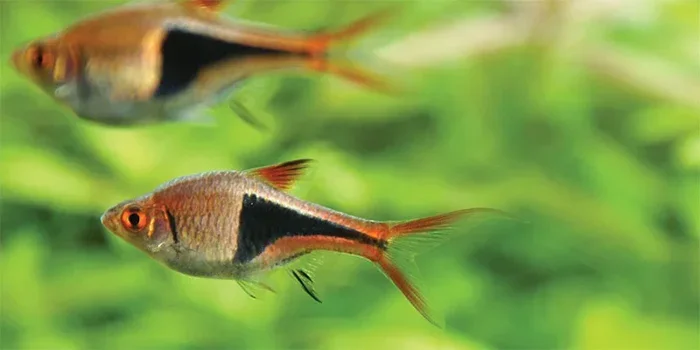
- Avoid fin nippers: Species like tiger barbs or certain rasboras will harass your betta and cause stress or injury.
- Bottom dwellers are excellent choices: Corydoras catfish and peaceful loaches stay near the substrate and rarely bother surface swimmers.
- Watch water parameters: All tank mates must share similar temperature and pH ranges to keep the whole community healthy.
- Introduce fish carefully: Add new companions gradually and monitor behavior closely during the first few weeks.
- Female bettas are often more flexible: They can sometimes handle small groups of gentle fish better than solitary males.
📑 Table of Contents
Understanding What Fish Go With Bettas
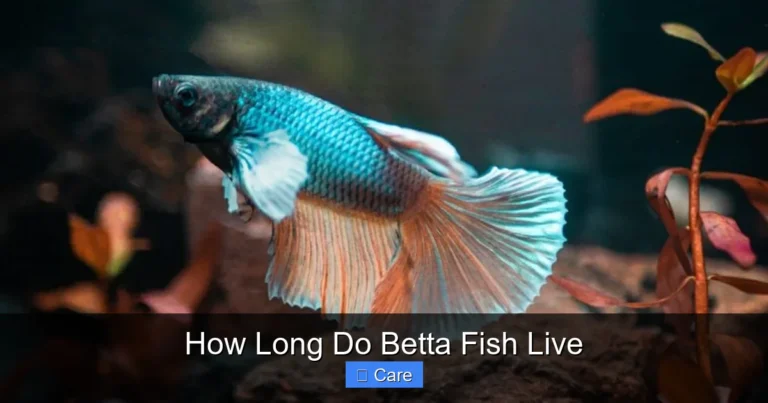
Betta fish are famous for their stunning colors and flowing fins. They also carry a reputation for being feisty. Many new aquarists hear stories about fighting fish and assume they must live alone forever. The truth is a bit more nuanced. Bettas can share a tank with the right companions, but you must choose carefully.
When you ask what fish go with bettas, you are really asking about temperament, space, and water needs. A good tank mate will not flash bright colors that trigger aggression. It will not swim too fast or nip at delicate fins. It will also prefer the same warm, clean water that bettas love. Getting these factors right creates a calm community tank that looks amazing and stays healthy.
Before you add any new fish, think about your betta personality. Some bettas ignore everything around them. Others patrol every inch of the glass. If your betta is highly territorial, you may need to stick with bottom dwellers or very shy species. If your betta is relaxed, you have more options. Observing your fish closely will guide every decision you make.
Why Compatibility Matters More Than Species Names
You will find endless lists online claiming certain fish always work. Those lists can help, but they do not tell the whole story. Two fish of the same species can behave very differently depending on their environment. A cramped tank, poor water quality, or lack of hiding spots can turn a peaceful fish into a troublemaker.
Compatibility is about matching lifestyles. Bettas spend most of their time near the top and middle of the water column. They like calm currents and plenty of plants. Tank mates that occupy different zones work best. Bottom dwellers stay beneath the betta. Small schooling fish hang in the middle. This separation reduces direct confrontations and keeps stress low.
You should also consider the visual triggers. Bettas often react to bright colors and long fins. A fish with similar coloring or flowing tails may get chased. Duller, streamlined fish usually blend in better. This is why many hobbyists succeed with small tetras, gentle catfish, and certain invertebrates.
The Role of Tank Size and Layout
Space changes everything. A tiny bowl forces every creature into constant conflict. A larger tank creates natural territories and gives fish room to avoid each other. For a betta community, many experienced keepers recommend at least 10 gallons. Bigger is even better when you plan to add multiple companions.
Layout matters just as much as volume. Live plants, driftwood, and smooth rocks break up sightlines. These features give shy fish places to hide and give your betta visual barriers. A well-planted tank with open swimming areas and quiet corners works beautifully. You can also use floating plants to soften the light and create a more natural feel.
Water flow is another detail that often gets overlooked. Bettas prefer gentle currents because their large fins make swimming in strong flow tiring. If your filter creates a powerful stream, you can baffle it or adjust the output. Calm water helps every fish feel relaxed, which lowers the chance of aggression.
Best Peaceful Tank Mates for Bettas
Now let us look at the species that consistently work well. These fish share similar water preferences, stay relatively calm, and rarely bother bettas. They also bring interesting movement and color to the tank without creating chaos.
Small Schooling Fish That Work Well
Small schooling fish can be excellent choices when kept in proper numbers. They feel secure in groups and usually ignore the betta. The key is to pick species that are not flashy or nippy. Here are some reliable options:
- Neon tetras: These tiny fish add bright color and swim in the middle of the tank. They stay peaceful and do best in groups of six or more.
- Ember tetras: Their soft orange glow looks beautiful against green plants. They are shy, gentle, and rarely cause problems.
- Chili rasboras: These miniature fish are calm and colorful. They prefer planted tanks and stay out of the betta way.
- Endler guppies: Small and active, they can work in larger tanks with plenty of cover. Avoid long-finned guppies if your betta shows interest in fancy fins.
When you keep schooling fish, always add enough of them. A small group of three can feel stressed and may hide all day. A proper school spreads out, shows natural behavior, and creates a soothing display. This also helps the betta see them as background activity rather than individual targets.
Bottom Dwellers That Stay Out of the Way
Bottom dwellers are some of the safest companions for bettas. They spend their time searching the substrate for food and rarely compete for the same space. They also help keep the tank lively without crowding the upper levels. Good choices include:
- Corydoras catfish: These friendly little catfish are social, peaceful, and love soft sand. They do best in small groups and ignore bettas completely.
- Kuhli loaches: These shy, eel-like fish hide during the day and come out at night. They need fine substrate and lots of hiding spots.
- Pygmy Corydoras: Even smaller than regular corys, they stay tiny and gentle. They are perfect for compact community tanks.
Bottom dwellers need proper substrate and good food. Smooth sand or rounded gravel protects their sensitive bellies. They also appreciate sinking foods that reach the bottom before the betta eats everything. A balanced feeding routine ensures every fish gets enough to eat.
Invertebrates and Snails as Safe Companions
Not every tank mate has to be a fish. Snails and shrimp can add fascinating variety without creating aggression issues. They also help with cleanup and give your aquarium a more complete ecosystem feel. Many keepers successfully pair bettas with:
- Mystery snails: These charming snails graze on algae and leftover food. They are slow, calm, and easy to watch.
- Nerite snails: Excellent algae eaters that do not overpopulate in freshwater tanks. They are hardy and peaceful.
- Cherry shrimp: Small and colorful, they can work in heavily planted tanks with lots of cover. Be aware that bettas may occasionally hunt them.
Invertebrates are not risk-free. A hungry betta may view tiny shrimp as snacks. Snails are generally safer, but you should still monitor the tank. If you see relentless chasing, you may need to rethink the setup. Providing plenty of plants and hiding places improves the odds for everyone.
Fish to Avoid When Choosing Tank Mates
Just as important as picking good companions is knowing which ones to skip. Some fish simply do not fit a betta community. They may be too aggressive, too fast, or too similar in appearance. Avoiding these species saves you from stress, injury, and heartbreak.
Aggressive or Fin Nipping Species
Fin nippers are a major problem for bettas. Their habit of chasing and biting can tear delicate fins and cause ongoing stress. Even if the betta survives, damaged fins can lead to infection. Common fin nippers and aggressive species to avoid include:
- Tiger barbs: Famous for nipping fins and harassing slower fish.
- Serpae tetras: Active and bold, they can bother peaceful tank mates.
- Large cichlids: Many cichlids are territorial and will fight with a betta.
- Rainbowfish: Some species grow large and can overwhelm a betta tank.
You should also avoid fish with extremely long fins if your betta tends to chase flashy shapes. The visual similarity can trigger constant harassment. When in doubt, choose simpler, duller companions that blend into the background.
Fish That Need Very Different Water Conditions
Compatibility is not only about behavior. It is also about chemistry. Bettas thrive in warm water with a stable temperature and slightly acidic to neutral pH. Fish that need cold water, very hard water, or strong currents will not thrive in the same setup. Forcing incompatible water needs leads to weak immune systems and short lifespans.
For example, goldfish prefer cooler water and produce a lot of waste. They also grow large and need very different tank conditions. That is why many keepers ask whether goldfish can share a tank with bettas, and the answer is usually no. You can read more about this in our guide on can gold fish go with bettas if you want a deeper comparison.
Similarly, some tropical fish need heavily planted, soft-water environments while others prefer open, rocky setups. Matching water parameters keeps the whole community stable. Before buying any new species, check its temperature, pH, and hardness requirements against your betta needs.
How to Introduce New Fish Safely
A successful community tank starts with a careful introduction process. Dumping new fish into the tank all at once can shock the system and trigger immediate aggression. A slower, smarter approach gives everyone time to adjust.
Preparing the Tank Before Adding Companions
Before you bring in new fish, make sure the tank is fully cycled and stable. Test the water for ammonia, nitrite, nitrate, and pH. Confirm that the temperature is steady and the filter is working properly. A healthy environment reduces stress and helps fish cope with change.
Add plants, decorations, and hiding spots first. These features create territories and break up direct lines of sight. If the tank looks bare, the betta may feel exposed and more defensive. A rich, planted setup gives new arrivals a better chance to settle in quietly.
It also helps to match the new fish water to the tank water. When you bring fish home, float the sealed bag for temperature acclimation and then mix some tank water into the bag over time. This gentle process helps them adapt without sudden changes.
Watching Behavior During the First Few Weeks
The first few weeks are the most important. Watch how your betta reacts to the newcomers. Some chasing is normal as fish establish boundaries. Constant attacking, pinned fins, or hiding fish are warning signs. If you see serious aggression, you may need to separate the fish or rearrange the tank.
Feeding time can reveal a lot. If the betta guards all the food or prevents others from eating, the balance may be off. Try using multiple feeding spots or sinking foods for bottom dwellers. This simple trick helps reduce competition and keeps the peace.
Patience pays off. Sometimes fish need a few days to settle into a new rhythm. Other times, a particular combination simply does not work. If that happens, do not blame yourself. Tank dynamics are living systems, and sometimes the best choice is to rehome a problematic fish.
Setting Up a Community Tank That Stays Peaceful
A peaceful aquarium is not an accident. It comes from thoughtful planning, good equipment, and regular care. When you build the tank with compatibility in mind, you create a space where your betta and its companions can all thrive.
Choosing the Right Tank Size and Shape
A longer tank is often better than a tall one for community setups. More surface area means better oxygen exchange and more horizontal swimming space. It also gives fish more room to spread out. For a betta with tank mates, many keepers aim for 10 to 20 gallons depending on the number and size of the fish.
Bigger tanks are easier to keep stable. Water parameters fluctuate less in larger volumes, which benefits every inhabitant. If you are new to community tanks, starting with a manageable size like 10 gallons gives you room to learn without overwhelming yourself.
Maintaining Water Quality for All Species
Clean water is the foundation of a healthy community. Bettas are sensitive to poor conditions, and tank mates can suffer too. Regular partial water changes, gentle filtration, and careful feeding keep the environment safe. Avoid overfeeding, because excess food breaks down and pollutes the tank.
It is also wise to use water conditioners when you add fresh water. Many keepers ask about products like Tetra Aquasafe for bettas with other fish because treating tap water properly matters in mixed tanks. Safe water care helps protect delicate fins and supports overall health.
Keep an eye on temperature stability as well. Sudden drops or spikes can stress fish and trigger aggression. A reliable heater and thermometer make a big difference. When the water stays steady, the fish stay calmer.
Creating Zones for Different Fish
A well-designed tank gives each species its own preferred zone. Floating plants and the surface area suit the betta. Midwater becomes the domain of small schooling fish. The bottom belongs to catfish and snails. This natural separation reduces conflict and makes the tank look full and lively.
You can enhance these zones with plants, wood, and rockwork. Tall plants create vertical structure. Broad leaves offer resting spots near the surface. Caves and tunnels give shy fish secure hiding places. The more natural the layout, the more comfortable the community feels.
Lighting also plays a role. Bright, harsh light can make shy fish nervous. Moderate lighting with shaded areas creates a calmer atmosphere. If your betta likes to rest on leaves near the top, that is perfectly normal and often a sign of comfort.
Expert Tips for Long-Term Success
Keeping a betta community healthy takes consistency. The initial setup is only the beginning. Ongoing observation, maintenance, and small adjustments keep the tank peaceful over time. Here are some expert habits that make a real difference.
Monitoring Stress Signals Early
Stress shows up in subtle ways. Fish may fade in color, clamp their fins, hide more than usual, or lose their appetite. If you notice these signs, check the water first. Then look at the tank dynamics. Sometimes a small change in temperature, flow, or territory is enough to improve behavior.
It helps to keep a simple notebook or digital note about your tank. Record new additions, water change dates, and any behavior you notice. Over time, patterns become easier to spot. This habit helps you act quickly before small problems grow.
Adjusting Feeding and Hiding Spots
Food competition can create tension even in calm tanks. Spread feeding across different areas of the tank. Use floating pellets for the betta and sinking foods for bottom dwellers. If shrimp or snails live in the tank, make sure they get access to algae and leftovers without being bullied.
If aggression rises, try rearranging decorations. Moving a plant or piece of wood can reset territorial lines and reduce conflict. Sometimes a fresh layout gives everyone a new perspective and a chance to start over peacefully.
Knowing When to Simplify the Tank
Not every betta wants company. Some fish are happiest alone with a beautiful planted setup. If your betta constantly harasses newcomers or seems stressed by activity, a simpler tank may be the better choice. A single betta in a well-decorated aquarium can be just as rewarding as a busy community.
You may also need to simplify if the tank becomes too crowded. Overstocking leads to poor water quality and more competition. It is better to keep fewer fish and maintain a clean, balanced environment than to pack in too many species. Quality always beats quantity.
Final Thoughts on What Fish Go With Bettas
Finding the right companions for your betta is a rewarding process. It asks you to think about temperament, space, water needs, and daily observation. When you choose calm, compatible species and set up the tank thoughtfully, you can enjoy a beautiful community without constant conflict. The result is an aquarium that feels alive, balanced, and peaceful.
Remember that every betta is an individual. What works for one fish may not work for another. Start with reliable choices like small tetras, corydoras, and snails. Give the tank enough space, plants, and hiding spots. Watch the behavior closely and make adjustments when needed. With patience and care, you will discover what fish go with bettas in a way that suits your unique setup.
A successful betta community is built on respect for the fish and their environment. Keep the water clean, the layout natural, and the species selection careful. Your betta will have a richer world to explore, and you will enjoy a tank that is both stunning and harmonious.
Frequently Asked Questions
Can I put a betta with neon tetras?
Yes, neon tetras can work well with bettas when kept in a group of six or more. They are small, peaceful, and usually stay in the middle of the tank. Just make sure the tank is large enough and has plenty of plants for cover.
Do any fish get along with bettas reliably?
Some fish do get along with bettas reliably, especially calm bottom dwellers and small schooling species. Corydoras catfish, ember tetras, and mystery snails are common choices. Compatibility still depends on your betta personality and the tank setup.
Can you put other fish in with male bettas?
You can sometimes put other fish in with male bettas, but you must choose carefully. Male bettas are often more territorial, so peaceful species that stay in different zones are the safest option. Watch the tank closely during the first few weeks.
What fish should I never add to a betta tank?
You should avoid fin nippers like tiger barbs and aggressive fish like large cichlids. Fish that need very different water conditions, such as goldfish, are also poor matches. These species can stress or injure your betta.
How big does a tank need to be for betta tank mates?
A tank of at least 10 gallons is a good starting point for a betta with compatible tank mates. Larger tanks give everyone more space and make water quality easier to maintain. Bigger setups are especially helpful when you keep small schools or multiple species.
Can snails live safely with betta fish?
Yes, many snails can live safely with betta fish, especially mystery snails and nerite snails. They are slow, peaceful, and help clean the tank. Shrimp can also work in planted tanks, but bettas may occasionally hunt them.