How to Tell if a Betta Fish is Happy and Healthy
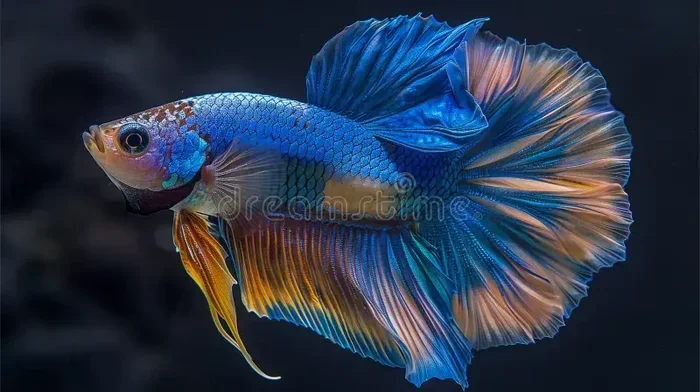
Knowing how to tell if a betta fish is happy helps you provide better care and spot health issues early. A content betta shows vibrant colors, active swimming, and regular eating habits. Watch for bubble nests and smooth fins as clear signs of a thriving fish. Simple changes in tank setup and routine can make a huge difference in their well being.
Many new fish owners wonder how to tell if a betta fish is happy because these colorful pets can be quiet about their needs. Bettas do not bark or meow, so you have to read their behavior closely. The good news is that they show clear signs when they feel safe and comfortable. You just need to know what to look for each day.
A thriving betta will move with purpose, eat with enthusiasm, and show strong color. Stress looks very different. A worried fish may hide, fade, or clamp its fins close to its body. Learning the difference helps you build a better home for your pet. It also helps you avoid common mistakes that quietly affect fish health.
This guide breaks down the easiest ways to read your betta’s mood. You will learn what normal behavior looks like, what environmental factors matter most, and how small care changes can improve quality of life. If you want a fish that feels lively and secure, start by watching the daily habits that matter most.
Key Takeaways
- Active behavior matters: Happy bettas swim regularly and explore their tank with curiosity.
- Bright colors signal health: Faded or dull scales often mean stress or poor water conditions.
- Bubble nests show comfort: Males build nests when they feel secure and relaxed.
- Clean water is essential: Proper filtration and regular water changes keep bettas thriving.
- Good food supports mood: A balanced diet with occasional treats boosts energy and coloration.
- Space reduces stress: Larger tanks with gentle lighting help bettas feel safe and active.
- Observe daily habits: Noticing small changes in behavior helps you catch problems early.
📑 Table of Contents
- How to Tell if a Betta Fish is Happy Through Daily Behavior
- Physical Signs That Show Your Betta Is Thriving
- Water Quality and Tank Setup for a Happy Betta
- Feeding Habits and Appetite as Mood Indicators
- Social Needs and Environment Stressors
- When to Worry and How to Improve Betta Well-Being
- Conclusion
How to Tell if a Betta Fish is Happy Through Daily Behavior
The fastest way to understand your fish is to watch how it moves through the tank. A happy betta usually swims with confidence. It may patrol the water, investigate the glass, or drift calmly near plants and decorations. This kind of movement shows comfort and curiosity. A fish that feels good in its home does not need to stay still all day.
You should also notice how your betta reacts when you approach the tank. A content fish often comes closer when it sees movement outside the aquarium. It may swim up to look around or follow your hand gently. That response does not mean it wants to be handled. It simply means the fish recognizes activity and feels secure enough to check it out.
Normal Swimming Patterns
Healthy swimming should look smooth and balanced. Your betta may rise, sink, and turn without struggling. It should not bump into objects repeatedly or tilt sideways for no reason. Normal movement also includes short rests. Bettas often pause near a leaf, the substrate, or a quiet corner before moving again. That rest period is normal, especially after eating or exploring.
A stressed fish may behave differently. It might dart around in a panic, sink to the bottom and stay there, or float awkwardly near the surface. These changes can point to water quality issues, temperature swings, or illness. If you see sudden changes, check the tank conditions first. Behavior is often the earliest warning sign.
Curiosity and Interaction
Curiosity is a strong clue that your betta feels settled. A happy fish may inspect new decorations, check the water surface, or watch other fish if tank mates are present. It may also respond to feeding time with excitement. This kind of engagement suggests the fish is not overwhelmed by its environment.
Interaction does not always mean the fish wants company. Some bettas prefer a quieter setup. The key is balance. Your betta should seem alert without appearing nervous. If it flinches at every shadow or hides constantly, something in the tank may feel too harsh or unpredictable.
Physical Signs That Show Your Betta Is Thriving
Body condition tells you a lot about overall comfort. A betta that feels well usually has a smooth shape and steady posture. The fins should appear relaxed rather than pressed tightly against the body. Eyes should look clear, and the gills should move at a normal pace. These details may seem small, but they reveal a lot about water quality and stress levels.
Color is another useful clue. Bright, even coloration often suggests a fish that is doing well. Some bettas naturally change shade a little during the day, but extreme fading can be a warning. Dull color can happen when the fish is stressed, sick, or living in poor conditions. On the other hand, rich color does not always guarantee perfect health, so you should look at the full picture.
Fin Condition and Posture
Fins are one of the easiest features to observe. Healthy fins usually spread naturally and move with the current. They should not look torn, clamped, or frayed unless there is a clear injury. A relaxed betta often carries its fins in a gentle, open position. This posture suggests comfort.
Clamped fins can signal discomfort. If the fins stay tucked in for long periods, check the water temperature, filtration, and cleanliness. Fin issues can also come from rough decorations, poor water flow, or aggression from tank mates. When fins look better after a water change or tank adjustment, that response often shows the fish was dealing with environmental stress.
Color and Eye Clarity
Clear eyes are a simple but important sign. Cloudy, bulging, or oddly shaped eyes can indicate a problem. Healthy bettas usually have bright, alert eyes that move naturally as they observe their surroundings. Their scales should lie smoothly without strange patches or open spots.
Color changes can happen for many reasons. Some bettas darken or lighten slightly with age, mood, or breeding behavior. That is normal. What matters more is whether the color shift happens suddenly and comes with other signs of trouble. If your fish loses color quickly and also hides or stops eating, investigate the tank environment right away.
Water Quality and Tank Setup for a Happy Betta
A betta can only feel relaxed if its home supports good health. Water quality is the foundation of that comfort. Clean, stable water helps fish breathe, digest food, and stay active. Even a beautiful tank can cause stress if the water is dirty, too warm, or too cold. If you want to know how to tell if a betta fish is happy, start by checking the environment it lives in every day.
Tank size also matters. Small containers can make it harder to keep water stable. They may also limit movement and exploration. A larger setup usually gives your fish more room to swim and more space for plants, hiding spots, and gentle flow. That extra space can reduce tension and encourage natural behavior.
Temperature and Filtration Needs
Bettas prefer warm, stable water. Temperature swings can make them sluggish or uncomfortable. A steady range helps them stay active and digest food properly. If the water gets too cool, your betta may become less responsive. If it gets too warm, oxygen levels can drop and cause stress.
Filtration is important too, but the flow should not be strong enough to push your betta around. These fish do best in calm or gently moving water. A filter helps remove waste and keeps the tank healthier over time. If you are wondering do betta fish have to be in a filtered tank, the short answer is that filtration usually supports better water quality and less stress. Still, the setup must match the fish’s needs.
Lighting, Plants, and Hiding Places
Lighting affects mood more than many people realize. Too much brightness can make a tank feel exposed and uncomfortable. Too little light can make it hard for you to observe your fish and for plants to grow. A balanced light cycle usually works best. If you notice your betta seems nervous during bright periods, you may need to soften the setup or add shaded areas.
Plants and decorations give your betta places to rest and explore. Smooth leaves and soft surfaces are better than sharp ornaments that can damage fins. Hiding spots also help fish feel secure, especially in a busy room. A tank with some open swimming space and some cover usually offers the best balance. If you want to know can a light be to bright for a betta fish, the answer is yes, especially if there are no shaded areas for the fish to retreat to.
Feeding Habits and Appetite as Mood Indicators
Appetite is one of the clearest signs of well being. A happy betta usually shows interest in food and eats with confidence. It may swim toward you when feeding time starts or respond quickly when food enters the water. That eagerness often means the fish feels alert and comfortable.
Feeding behavior should stay fairly consistent. Of course, bettas do not need to eat the same amount every single day. They may take a little less after a large meal or during a quiet period. The concern starts when a fish refuses food for too long, spits food repeatedly, or seems unable to swallow normally. Those changes can point to stress, illness, or water problems.
Portion Control and Treats
Overfeeding can cause more trouble than many owners expect. Extra food wastes away, affects water quality, and can leave your betta feeling sluggish. Small portions given in a calm routine usually work better than large meals. You want your fish to eat cleanly and finish its food without leftover debris sinking into the tank.
Treats can be useful when used carefully. Some owners like to offer variety, but not everything is safe. If you are asking can you feed peanut butter to a betta fish, the answer is no, because it is not suitable for their digestive system. The same caution applies to many human foods. It is better to use foods made for fish and offer treats only in moderation.
Safe Foods and Common Feeding Mistakes
A good diet supports color, energy, and overall condition. Quality betta food usually works well as a staple. Some owners also use occasional treats designed for fish. If you want to know can i give regular fish food to a betta, it depends on the type of food and whether it matches your fish’s needs. Some general aquarium foods are fine in small amounts, but bettas often do best with food formulated for their feeding style.
Another common mistake is feeding too much at once. A betta’s stomach is small, so large portions can overwhelm it. Another mistake is ignoring leftover food. Uneaten pieces can break down in the tank and make the water less clean. A simple feeding routine helps prevent those problems.
Here is a quick comparison of common feeding choices:
| Food Type | Best Use | Caution |
|---|---|---|
| Betta pellets | Daily staple | Avoid overfeeding |
| Frozen foods | Occasional variety | Thaw before feeding |
| Live foods | Enrichment and protein | Use clean, safe sources |
| Human snacks | Not recommended | Can harm digestion and water |
A steady feeding routine also helps you notice changes faster. If your betta suddenly loses interest in food, that is a useful clue. It may be reacting to temperature, water quality, stress, or illness. Watching appetite closely gives you an early warning system.
Social Needs and Environment Stressors
Bettas are often kept alone, and that setup works well for many of them. They do not need constant company to feel content. What they need is a stable environment where they can rest, explore, and eat without pressure. If you want to understand how to tell if a betta fish is happy, remember that solitude is not the same as loneliness. A quiet, predictable tank can be a very good home.
That said, some bettas tolerate tank mates better than others. This depends on the individual fish, the tank size, and the type of companion. Aggressive or overly active neighbors can create stress. If a betta spends too much time hiding or seems chased, the arrangement may not be a good fit. The goal is calm coexistence, not constant competition.
Keeping Bettas Alone or With Tank Mates
Many owners ask do betta fish have to be kept alone. The answer is that they often do best in a carefully managed setup, but the right companion can work in some cases. If you add tank mates, choose peaceful fish that do not nip fins or crowd the betta. Watch the interaction closely at first. If the betta seems tense, it may be better to return to a single-fish tank.
A solo tank can still be enriching. Plants, gentle decor, and a consistent routine give your betta enough stimulation. You can also observe your fish more easily when it is the main resident. That makes it simpler to notice small behavior changes and respond quickly.
Handling, Noise, and Routine Changes
Bettas do not enjoy being handled. Touching them can remove protective coating and cause stress. It is better to use a net only when necessary and to move carefully around the tank. Loud vibrations, frequent tapping on the glass, and sudden movements can also make the fish nervous. A calm household helps a lot.
Routine matters too. Fish often adjust to predictable feeding, lighting, and maintenance schedules. Big changes can be disruptive. If you need to rearrange the tank or move it to a new location, do it slowly and watch for reactions. If your betta hides more than usual after a change, give it time to adapt and make sure the water conditions stay stable.
Some owners also worry about strange questions they hear online, like can you train a betta fish to fight. Fighting is not a sign of happiness. It is a sign of stress, aggression, or poor management. A happy betta should not live in conflict. The best environment supports calm behavior, not confrontation.
When to Worry and How to Improve Betta Well-Being
Even a healthy betta has off moments. It may rest more after a big meal or stay quiet during a dim light cycle. The important thing is to notice patterns. A single quiet afternoon is not always a problem. Repeated hiding, fading color, labored breathing, or refusal to eat deserves attention.
If you are trying to figure out how to tell if a betta fish is happy, compare current behavior with your fish’s normal routine. That is more useful than guessing from a single moment. Keep track of eating, swimming, color, and resting spots. Over time, you will learn what typical behavior looks like for your specific betta.
Common Warning Signs
Here are some signs that should make you pause:
- Constant hiding throughout the day
- Clamped fins for long periods
- Sudden loss of color
- Difficulty swimming or balance problems
- Low interest in food
- Gasping near the surface more than usual
These signs do not always mean a serious emergency, but they do mean you should check the tank carefully. Start with water quality, temperature, and cleanliness. Then look at the setup, food, and recent changes. Often, the cause is something manageable.
Simple Ways to Support a Happier Betta
Small improvements can make a big difference. Keep water changes consistent and use dechlorinated water that matches the tank temperature. Clean the substrate and remove leftover food before it breaks down. Make sure the filter is working properly and that the flow is not too strong. If your betta seems unsettled, reduce bright light, add cover, and keep the room quieter around the tank.
You can also improve enrichment without making the tank busy. Smooth plants, a resting leaf near the surface, and a predictable feeding time can help your betta feel more secure. Some fish enjoy watching gentle movement outside the tank, while others prefer a quieter spot. Adjust the setup to match your fish’s personality.
If you ever wonder can you bring a betta fish back to life after a serious decline, the best approach is prevention and fast action. Once a fish is very weak, recovery is not always possible. That is why daily observation matters so much. Catching stress early gives your betta a much better chance of staying healthy.
Conclusion
Learning how to tell if a betta fish is happy comes down to paying attention to small, everyday details. A content betta usually swims with confidence, eats well, shows strong color, and rests without looking stressed. It may build bubble nests, explore its tank, and respond calmly to routine activity. Those signs suggest the fish feels secure in its environment.
The best care plan is simple and steady. Keep the water clean, maintain a stable temperature, offer a proper diet, and avoid unnecessary stress. Give your betta enough space, gentle lighting, and places to rest. Most importantly, watch for changes and respond early. A happy betta is not just a beautiful pet. It is a sign that you have built a thoughtful, supportive home.
Frequently Asked Questions
What are the easiest signs of a happy betta fish?
A happy betta usually swims actively, eats well, and shows bright color with relaxed fins. It may also explore the tank and respond calmly when you approach.
Do betta fish need a filtered tank to stay content?
Filtration usually helps keep water cleaner and more stable, which supports better health and less stress. A calm filter flow is best because strong currents can make bettas uncomfortable.
Can a bright light stress out a betta fish?
Yes, overly bright lighting can make a tank feel exposed and unsettling. Adding plants or shaded areas and using a balanced light cycle can help your betta feel more secure.
How do I know if my betta is stressed instead of just resting?
Resting is normal, but stress often shows up as constant hiding, clamped fins, faded color, or little interest in food. If the behavior continues, check water quality and tank conditions.
Is it okay to feed a betta treats from the kitchen?
Most human foods are not suitable for bettas and can cause digestion or water quality problems. Stick to fish-appropriate foods and use treats only in moderation.
Do bettas need tank mates to be happy?
No, many bettas do best alone in a calm, stable tank. Some can live with peaceful companions, but only if the setup is large enough and the fish stay relaxed.