How Often Do You Clean a Betta Fish Tank for Best Health
Cleaning your betta fish tank regularly keeps your fish healthy and happy. You should perform partial water changes every week and deep clean the substrate monthly. Understanding how often do you clean a betta fish tank prevents disease and maintains clear water. This guide covers everything you need to know about tank maintenance.
Key Takeaways
- Weekly Water Changes: Replace 25-50% of the water every week to remove toxins.
- Monthly Deep Clean: Scrub the glass and vacuum the gravel once a month.
- Avoid Soap: Never use soap or chemicals when cleaning tank equipment.
- Water Conditioner: Always treat new water with a dechlorinator before adding it.
- Filter Maintenance: Rinse filter media in old tank water, not tap water.
- Watch Your Fish: Adjust cleaning frequency based on fish waste and tank size.
- Consistency Matters: Stick to a schedule to reduce stress on your betta.
📑 Table of Contents
Why Cleaning Your Betta Tank Matters
Keeping a clean home is important for you. It is also important for your fish. Betta fish need clean water to stay healthy. Dirty water can make them sick. It can also shorten their lives. Many new owners ask how often do you clean a betta fish tank. The answer depends on a few things. Tank size matters. Filter usage matters too. The number of fish matters as well.
Waste builds up quickly in small tanks. Fish poop and uneaten food rot. This creates harmful toxins. Ammonia is one of these toxins. It burns fish gills. Nitrites are also dangerous. They stop blood from carrying oxygen. Regular cleaning removes these dangers. It keeps the water safe. Your betta will swim happily. You will see brighter colors too.
A clean tank looks better. It is easier to see your fish. You can enjoy your pet more. Maintenance does not have to be hard. You just need a routine. This article will help you build one. We will cover schedules and tools. You will learn safe cleaning methods. Let us dive into the details.
The Ideal Cleaning Schedule for Beginners
New owners often feel confused. They worry about doing too much. They also worry about doing too little. Finding the right balance is key. A standard schedule works for most tanks. You should change some water every week. This is called a partial water change. It removes dirty water. You replace it with fresh water.
Small tanks need more attention. A five-gallon tank is common. It needs weekly changes. Larger tanks are more stable. They might need changes every two weeks. But weekly is still better. It keeps toxins lower. Consistency helps your fish feel safe. Sudden changes stress them out. A routine prevents big swings in water quality.
You should also clean the glass. Algae grows on the sides. It blocks your view. It can also cover decorations. Use an algae scraper. Do this during your water change. It is easy to do. You can also vacuum the gravel. This removes hidden waste. Regular maintenance keeps the tank beautiful.
Weekly Water Change Routine
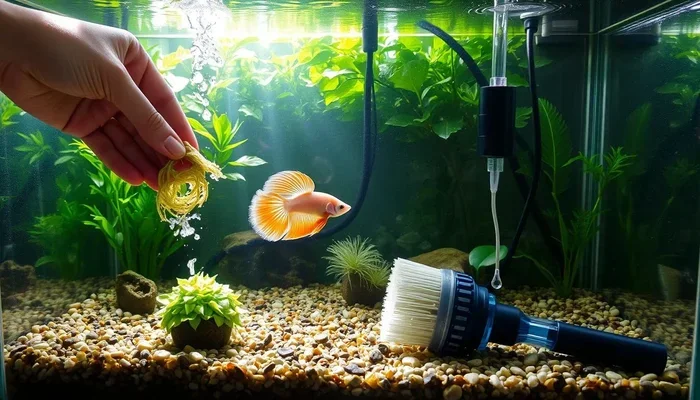
Start by gathering your supplies. You need a bucket. You need a siphon tube. You need water conditioner. Make sure the bucket is clean. It should not have soap residue. Soap is very dangerous for fish. We will talk about that later.
Turn off your filter first. This protects the beneficial bacteria. Then start the siphon. Put one end in the tank. Put the other end in the bucket. Suck gently to start the flow. Remove about twenty-five percent of the water. If the tank is small, remove fifty percent. Watch your fish during this process. Make sure they are not sucked into the tube.
Once the water is out, clean the gravel. Push the tube into the substrate. This lifts dirt and waste. Let the debris flow into the bucket. Do not dig too deep. You do not want to disturb the bacteria bed too much. Rinse your filter media gently. Use the old tank water you just removed. This keeps the good bacteria alive.
Monthly Deep Cleaning Tasks
Weekly changes handle most waste. But some things need monthly attention. You should scrub the decorations. Algae can stick to them hard. Take them out of the tank. Scrub them in the old water bucket. Do not use tap water for this. Chlorine can kill beneficial bacteria.
Check your filter flow. If it is slow, the media is clogged. Rinse the sponge or cartridge. Replace it only if it is falling apart. Never replace all filter media at once. This removes too much bacteria. You can also wipe the outside glass. Use a clean cloth. Dry it gently. Your tank will look brand new.
Water Changes and Maintenance Best Practices
Water is the most important part. The quality of water determines fish health. Tap water often contains chlorine. Chlorine kills fish. It also kills good bacteria. You must treat every drop of new water. Use a liquid conditioner. Follow the bottle instructions. This makes the water safe instantly.
Temperature matters too. Cold water shocks fish. Hot water burns them. Match the new water to the tank water. Use a thermometer. Check the temperature before pouring. Sudden temperature changes cause stress. Stress weakens the immune system. Sick fish are more likely to die. Keep the temperature steady.
Pour the new water slowly. Aim for the glass edge. Do not pour directly on the fish. This disturbs the substrate. It also scares the fish. Add the water gently. Turn your filter back on. Check that it is working. Your tank is now refreshed.
Using Water Conditioners Safely
Conditioners are simple to use. But you must use them right. Add the correct amount. Too little does not work. Too much is usually safe. But follow the label. Some conditioners also detoxify ammonia. This is helpful during cleaning. It gives extra protection.
You can add conditioner to the bucket. Or add it to the tank. Adding to the bucket is better. It treats the water before it enters. This ensures every drop is safe. Mix it well. Wait a minute if needed. Then pour it in. Your betta will thank you.
Matching Temperature and Parameters
Test your water regularly. Use a test kit. Check ammonia and nitrite levels. They should be zero. Nitrate levels should be low. High nitrates mean you need more changes. Testing tells you the true story. Do not guess. Numbers do not lie. Adjust your schedule based on results.
pH levels are also important. Bettas like slightly acidic water. But stability is more important than perfect pH. Do not try to change pH quickly. This shocks the fish. Keep the parameters stable. Consistency is the goal. Clean water supports stable parameters.
Essential Tools for Safe Cleaning
You need the right gear. It makes the job easier. It also keeps your fish safe. A gravel vacuum is essential. It removes waste from the bottom. A clean bucket is needed too. Dedicate this bucket to the tank. Never use it for soap or chemicals.
An algae scraper helps too. Glass gets dirty over time. A magnetic cleaner is convenient. You move it outside the tank. It cleans the inside glass. This keeps your hands dry. It is also fun to use. Test kits are vital tools. They measure water quality. You cannot see toxins with your eyes. Testing kits give you peace of mind.
Choosing the Right Siphon
Siphons come in different sizes. Pick one for your tank size. A small tube works for small tanks. A larger tube moves water faster. Some have gravel guards. These protect the substrate. They prevent too much gravel from sucking up. Choose a tool that fits your needs.
Manual siphons are cheap. They are reliable too. Battery-powered siphons exist. They start the flow for you. This is helpful for large tanks. But manual ones work fine. Practice makes perfect. You will get faster with time.
Safe Cleaning Products to Avoid
Many household cleaners are toxic. Bleach is very dangerous. Ammonia cleaners are also bad. Never use soap to clean tank items. Soap leaves residues. Fish absorb chemicals through their skin. This can kill them. Even small amounts are harmful.
If you must disinfect something, use hot water. Boiling water kills bacteria. Let it cool completely. Or use a vinegar solution. Rinse it very well. Ensure no smell remains. Your fish breathe the water. Keep their environment pure. Natural cleaning is best.
Signs Your Tank Needs Immediate Attention
Sometimes you need to clean sooner. Watch your fish closely. Behavior changes signal problems. If your betta hangs at the top, it may lack oxygen. Dirty water holds less oxygen. Gasping at the surface is a bad sign. Check your water immediately.
Cloudy water is another sign. It means bacteria are blooming. Or there is too much waste. Do a water change right away. Smells are also warning signs. A healthy tank smells earthy. A dirty tank smells rotten. Trust your nose. It tells you when things are wrong.
Cloudy Water and Algae Blooms
New tanks often get cloudy. This is the nitrogen cycle. It usually clears up. But old tanks can get cloudy too. Overfeeding causes this. Excess food rots in the water. Reduce how much you feed. Clean the tank more often. Algae blooms turn water green. Light causes this. Reduce lighting hours. Clean the glass and decorations.
Green water is annoying. It blocks light for plants. It looks bad too. A UV sterilizer can help. But water changes are the first step. Remove the nutrients algae love. Starve the algae out. Keep the tank clean consistently.
Fish Behavior Changes
Active fish are healthy fish. Lethargy means something is wrong. Hiding all the time is also bad. Bettas are curious. They should explore their tank. Changes in behavior need investigation. Check the water parameters first. Clean the tank if needed. Sometimes a new decoration scares them. But usually, water quality is the cause.
Loss of appetite is another sign. Fish stop eating when sick. Dirty water makes them feel bad. Clean the tank gently. Do not stress them more. A clean environment helps them recover. Watch them for a few days. They should start eating again.
Common Cleaning Mistakes to Avoid
Even good owners make mistakes. Avoiding them saves your fish. One big mistake is using tap water directly. Chlorine kills fish. Always use a conditioner. Another mistake is cleaning the filter too much. You kill the good bacteria. This crashes your cycle.
Overcleaning is also bad. You do not need to scrub everything. Leave some biofilm. It is beneficial. Do not replace all the water at once. This shocks the fish. It also removes all bacteria. Partial changes are safer. Stick to the twenty-five percent rule.
Overcleaning and Beneficial Bacteria
Bacteria live on surfaces. They live on the gravel. They live on the filter. They eat fish waste. They turn it into less harmful stuff. If you scrub everything, you kill them. Your tank becomes unsafe. Ammonia spikes quickly. This is dangerous. Clean gently. Rinse media in tank water. Keep the bacteria alive.
Think of bacteria as pets. They work hard for you. They keep the water clean. Protect their home. Do not sterilize the tank. A little dirt is okay. It shows the ecosystem is working. Balance is the goal.
Using Tap Water Directly
Tap water varies by location. Some places have more chlorine. Some have chloramine. Chloramine is harder to remove. Check your local water report. Use a conditioner that handles chloramine. Boiling water does not remove chloramine. It only removes chlorine. Conditioner is the best solution.
Let water sit for twenty-four hours. This helps chlorine evaporate. But it does not help chloramine. Conditioner is faster and safer. Treat the water every time. Make it a habit. Your fish depend on you. Safe water means safe fish.
Expert Tips for Long-Term Tank Health
Experienced owners have tricks. They know how to save time. They know how to keep fish happy. One tip is to keep spare water. Store treated water in a jug. This makes water changes faster. You do not need to treat water every time. Just pour and go.
Another tip is to feed less. Less food means less waste. Less waste means cleaner water. Your tank stays clean longer. You do not need to clean as often. Watch your fish belly. It should not look bloated. Feed only what they eat in minutes.
Maintaining Consistent Water Quality
Consistency is the secret. Clean the tank on the same day. Use the same method. Your fish will adapt to the routine. They will not get stressed. Stress causes disease. Healthy fish fight off illness. Keep a log of your cleaning. Note what you changed. This helps you track patterns.
If you go on vacation, plan ahead. Ask a friend to help. Or use an automatic feeder. Do not leave the tank dirty. Waste builds up while you are gone. A partial change before you leave helps. Come back to a healthy tank.
Feeding Habits and Waste Management
Overfeeding is a common problem. Fish look hungry all the time. But their stomachs are small. Feed small amounts frequently. Or feed once a day. Remove uneaten food quickly. It rots and pollutes the water. Use a net to pick it out.
Choose high-quality food. It produces less waste. Cheap food has fillers. Fillers pass through the fish. This makes the water dirty. Better food means a cleaner tank. It also means healthier fish. Invest in good nutrition. Your betta will show vibrant colors.
Conclusion
Taking care of a betta fish is rewarding. You get a beautiful pet. You also learn about nature. Knowing how often do you clean a betta fish tank is the first step. Regular maintenance keeps the water safe. It prevents disease and stress. Your fish will live a long life.
Remember to change water weekly. Clean the filter gently. Avoid using soap or chemicals. Test your water often. Watch your fish for signs of trouble. Adjust your routine as needed. Every tank is unique. But the goal is always clean water. Follow these tips for success. Your betta will thrive in its home.
Frequently Asked Questions
How often should I change the water in my betta tank?
You should change 25% to 50% of the water every week. Smaller tanks may need more frequent changes. This keeps toxins low and your fish healthy.
Can I use tap water for my betta fish tank?
You can use tap water, but you must treat it first. Tap water contains chlorine that harms fish. Always add a water conditioner before adding it to the tank.
Do I need to clean the filter every week?
You should rinse the filter media every month or when flow is slow. Never use tap water to clean it. Use old tank water to protect beneficial bacteria.
What happens if I don’t clean my betta tank?
Dirty water builds up ammonia and nitrites. These toxins can burn your fish’s gills and make them sick. Eventually, poor water quality can kill your betta.
Is it okay to use soap to clean tank decorations?
No, you should never use soap on tank items. Soap residues are toxic to fish. Use hot water or a vinegar solution instead, and rinse thoroughly.
How do I know if my tank is dirty?
Look for cloudy water, algae growth, or a bad smell. Your fish may also gasp at the surface or hide more. Testing water parameters confirms if toxins are high.