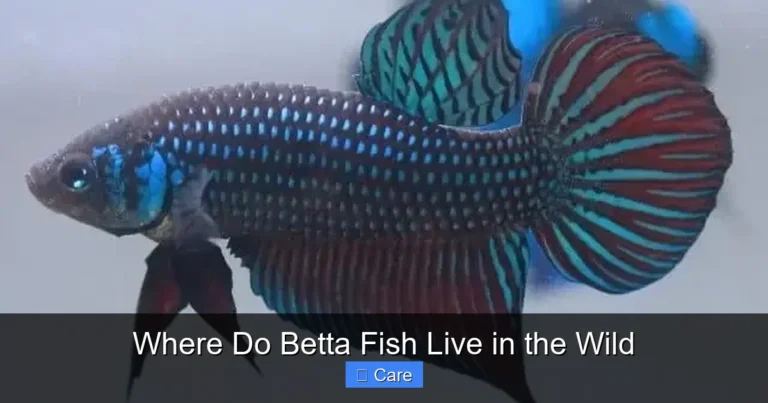
What Temp Is Best For Betta Fish Ideal Water Guide

What temp is best for betta fish is one of the most important questions new and experienced owners ask. Keeping your tank in the right temperature range prevents stress, supports a strong immune system, and encourages natural behaviors. This guide breaks down the ideal range, explains why consistency matters, and shares simple tips to maintain perfect water conditions.
If you just brought home your first betta or you have been keeping them for years, you probably wonder what temp is best for betta fish. The short answer is simple, but the details matter a lot. Bettas come from warm, shallow waters in Southeast Asia. They thrive when their tank mimics those conditions as closely as possible. When the water stays in the right range, your fish swims with confidence, eats well, and shows off those brilliant colors.
Temperature affects everything from digestion to breathing. A stable environment keeps stress low and helps your betta fight off common issues. Many new owners focus on food and tank decor, but water temperature is the foundation of good care. Once you understand the ideal range and how to maintain it, you will notice a big difference in your fish behavior and overall health.
Key Takeaways
- Ideal range: The best temperature for betta fish sits between 78 and 80 degrees Fahrenheit.
- Consistency matters: Sudden temperature swings cause stress and weaken your fish immune system.
- Heaters help: A reliable submersible heater keeps water stable, especially in cooler rooms.
- Monitor regularly: Use a trusted thermometer to check water temperature daily.
- Avoid extremes: Water that is too cold slows metabolism, while water that is too hot reduces oxygen levels.
- Acclimate slowly: Always adjust temperature changes gradually to prevent shock.
- Match your setup: Tank size, room temperature, and filtration all influence how you maintain heat.
📑 Table of Contents
Why Water Temperature Matters For Bettas
Bettas are tropical fish. That means they need warm water to function properly. When the water drops too low, their metabolism slows down. They become less active, eat less, and may even refuse food altogether. Over time, cold water can weaken their immune system and make them more vulnerable to illness.
On the other hand, water that runs too hot creates a different set of problems. Warm water holds less dissolved oxygen, which can make it harder for your betta to breathe comfortably. High temperatures also speed up metabolism too much, which can lead to stress and a shorter lifespan. The goal is balance, not extremes.
Temperature stability is just as important as the number on the thermometer. Fish do not handle sudden changes well. A quick drop or spike can shock their system and cause immediate stress. That is why consistent heating and good monitoring matter so much. If you want to understand how bettas interact with their environment, you may also find it helpful to read about do betta fish have to come up for air, since temperature and oxygen levels are closely connected.
How Temperature Affects Metabolism
Metabolism is the process your fish uses to convert food into energy. In warmer water, this process runs faster. In cooler water, it slows down. That is why feeding amounts should match the tank temperature. A betta in a stable, warm tank digests food efficiently and stays active. A betta in cool water may struggle to process meals, which can lead to bloating or uneaten food decaying in the tank.
Temperature And Immune Health
Stress is one of the biggest enemies of fish health. Fluctuating water temperature creates constant low-level stress, even if your betta looks fine on the surface. Over time, that stress can open the door to fin issues, lethargy, and infections. A steady temperature helps your fish stay resilient and bounce back faster when minor problems appear.
What Temp Is Best For Betta Fish
So, what temp is best for betta fish? The ideal range is 78 to 80 degrees Fahrenheit. This range supports healthy digestion, comfortable activity levels, and strong immune function. Many betta owners aim for around 78 degrees as a reliable baseline. Some prefer closer to 80 degrees, especially if their fish seems more active at that level.
You do not need to chase perfection. A stable temperature within this range is far better than a perfect number that swings up and down all day. If your tank stays between 76 and 82 degrees and remains steady, your betta can still do well. The biggest mistake is allowing the water to drift constantly or drop too low for long periods.
Why 78 To 80 Degrees Works So Well
This range closely matches the warm conditions bettas experience in the wild. It gives them enough energy to explore, eat, and interact without pushing their bodies too hard. It also helps maintain good oxygen levels while keeping metabolism steady. For most home setups, this range is practical and easy to maintain with a decent heater.
Can Bettas Tolerate Slightly Cooler Or Warmer Water
Bettas can survive outside the ideal range for short periods, but survival is not the same as thriving. Slightly cooler water may be acceptable for a few hours during a water change, as long as the shift is gradual. Slightly warmer water can be okay in summer, but you should watch for signs of overheating, such as gasping near the surface or unusually fast breathing. If you ever wonder can water be too hot for betta fish, the answer is yes, and it is worth monitoring closely during hot weather.
Choosing The Right Heater For Your Tank
A good heater makes temperature management much easier. Not all heaters are equal, and the best choice depends on your tank size and setup. Submersible heaters are popular because they sit fully underwater and usually provide even heat distribution. Adjustable heaters are especially useful because you can set the exact temperature you want.
When selecting a heater, think about reliability first. A heater that turns on and off consistently is more important than flashy features. You also want a heater rated for your tank size. If the heater is too weak, it may struggle to keep the water warm. If it is too powerful, it may overshoot the target temperature.
Heater Types Compared
Here is a simple comparison to help you choose:
| Heater Type | Best For | Pros | Cons |
|---|---|---|---|
| Submersible heater | Most betta tanks | Even heating, easy to hide, reliable | Must be fully submerged, needs careful placement |
| Hang-on-back heater | Smaller tanks | Simple design, affordable | Can be less efficient, water level matters |
| Adjustable thermostat heater | Owners who want control | Precise temperature settings, flexible | Usually costs more, needs monitoring at first |
| Preset heater | Beginners on a budget | Easy to use, no dial adjustments | Less precise, may not fit every setup |
Placement Tips For Even Heating
Where you put the heater matters. Place it near the filter output if possible. That helps spread warm water through the tank more evenly. Avoid placing it too close to decorations or substrate that could trap heat or block water flow. Also, make sure the heater is fully submerged according to the manufacturer instructions.
Smart Temperature Monitoring
A heater is only as useful as your ability to check its results. Use a separate thermometer instead of relying only on the heater dial. Digital thermometers are easy to read, and adhesive strip thermometers can work in a pinch, though they may be less precise. Checking the temperature once a day is a simple habit that prevents bigger problems later.
How To Maintain Stable Water Temperature
Keeping the temperature steady is the real goal. A stable tank is easier on your betta than a perfect tank that changes constantly. Several simple habits make a big difference. First, keep the tank away from drafts, open windows, and direct sunlight. Second, avoid placing the tank near heating vents or cold walls. Third, use a lid or hood to reduce heat loss from the surface.
Water changes also affect temperature. If you add water that is much colder or warmer than the tank, your betta may feel the shift immediately. That is why it helps to match the new water to the tank temperature before adding it. A slow, gentle water change is always better than a fast one.
Room Temperature Plays A Big Role
Your tank does not exist in a vacuum. The room around it influences water temperature every day. If your home gets chilly at night, your tank may lose heat even with a heater running. If your room gets very warm in summer, the heater may not need to work as hard, but the water could still rise too much. Watching room temperature helps you anticipate tank changes before they happen.
Insulation And Tank Covers
A simple tank cover can reduce heat loss and help maintain stability. It also slows evaporation, which is a nice bonus. Some owners use a loose lid or a custom cover that still allows gas exchange. Just make sure any cover does not trap too much heat or block access for maintenance.
Quick Tips For Temperature Stability
- Check daily: Make thermometer readings part of your routine.
- Match water changes: Warm new water to tank temperature before adding it.
- Reduce drafts: Move the tank away from windows, doors, and vents.
- Use a cover: A lid helps hold heat and lowers evaporation.
- Watch summer spikes: Turn down or unplug the heater if the room gets very warm.
- Go slow: Adjust temperature changes gradually, not all at once.
Signs Your Betta Is Too Cold Or Too Hot
Your betta can give you clues when the water is not right. You just need to pay attention. If the water is too cold, your fish may sit at the bottom more often, swim slowly, or seem uninterested in food. You may also notice clamped fins or a dull color. These signs do not always mean temperature is the only issue, but they are worth checking.
If the water is too warm, your betta may breathe faster, spend more time near the surface, or look restless. Warm water holds less oxygen, so increased surface activity can be a warning sign. You might also see your fish avoid certain areas of the tank or act unusually stressed.
Behavior Changes To Watch For
Fish behavior is a useful early warning system. A healthy betta usually explores, flares occasionally, and reacts to feeding time. When temperature drifts, behavior often changes first. That is why daily observation matters. If you notice a pattern, check the thermometer before assuming the worst.
When To Take Action
If the temperature is slightly off, make small adjustments and monitor the result. If the water is dangerously cold or hot, correct it carefully and gradually. Sudden fixes can cause more stress than the original problem. If your betta shows strong signs of distress, improve the conditions first, then watch for recovery over the next day or two.
Common Temperature Mistakes And How To Avoid Them
Many betta owners make the same temperature mistakes without realizing it. One common mistake is trusting the heater dial without checking the actual water with a thermometer. Another is changing the temperature too quickly after noticing a problem. A third is placing the tank in a spot where room temperature swings all day.
Another mistake is assuming a small tank stays warm on its own. Small volumes of water lose heat faster than larger ones. That means tiny bowls and nano tanks often need more attention, not less. If you are working with a smaller setup, consistent monitoring becomes even more important.
Expert Insights For Better Temperature Control
Experienced keepers usually focus on three things: reliable equipment, regular checks, and gradual adjustments. They also treat temperature as part of the whole environment, not a standalone number. Good filtration, clean water, and a calm tank location all support stable heat. If you want to build a stronger care routine, it helps to learn more about daily maintenance and water quality as well.
A Simple Care Routine That Works
- Morning check: Look at the thermometer and note the temperature.
- Feeding observation: Watch how your betta responds to food.
- Weekly water change: Match new water temperature to the tank.
- Monthly equipment check: Make sure the heater and thermometer still work properly.
- Seasonal awareness: Adjust for summer heat and winter chills.
Common Mistakes To Avoid
- Relying on guesswork: Always verify temperature with a thermometer.
- Making fast changes: Adjust temperature slowly to avoid shock.
- Ignoring room conditions: Drafts and sunlight can destabilize the tank.
- Overheating the water: More heat is not better if oxygen drops too low.
- Forgetting small tanks: Smaller water volumes change temperature faster.
Frequently Asked Questions
What temp is best for betta fish in Fahrenheit?
The best temperature for betta fish is usually between 78 and 80 degrees Fahrenheit. This range supports healthy metabolism, comfortable activity, and better overall stability. A steady temperature in this range is more important than chasing an exact number.
Can betta fish live in 75 degree water?
Betta fish may survive in 75 degree water for a while, but it is not ideal for long-term health. Cooler water can slow their metabolism and reduce activity. If the temperature stays that low, a reliable heater is usually the best solution.
Is 82 degrees too hot for a betta fish?
82 degrees can be too warm for extended periods, especially if the water oxygen level drops. Your betta may breathe faster or seem stressed at that temperature. It is better to keep the tank closer to the ideal range and monitor for signs of overheating.
Do betta fish need a heater in their tank?
Yes, most betta tanks need a heater to keep the water consistently warm. Room temperature alone is often not stable enough, especially at night or during colder seasons. A good heater helps maintain the steady warmth bettas prefer.
How do I know if my betta tank is too cold?
You can usually tell by checking the thermometer and watching your fish behavior. Common signs of cold water include sluggish swimming, less interest in food, and clamped fins. The safest approach is to measure the water and correct it gradually if needed.
What is the fastest way to raise betta water temperature safely?
The safest way is to use an adjustable heater and raise the temperature slowly over time. You can also perform a partial water change with slightly warmer water that matches the tank conditions. Avoid sudden spikes, since rapid changes can stress your betta.