Best Tank Mates For Betta Fish What Gets Along With Betta Fish

Choosing the right tank mates starts with understanding betta fish behavior and temperament. Peaceful, non-fin-nipping species that occupy different tank levels work best. Always prioritize tank size, water conditions, and careful introductions to keep your betta happy and healthy.
Key Takeaways
- Tank size matters: A minimum 10-gallon tank gives bettas and companions enough space to thrive.
- Pick peaceful species: Choose calm fish that won’t trigger your betta’s territorial instincts.
- Avoid fin nippers: Species that chase or bite fins will stress your betta and cause injury.
- Match water needs: Companions must share similar temperature and pH requirements.
- Watch behavior closely: Monitor early interactions and separate fish if aggression appears.
- Provide hiding spots: Plants, caves, and driftwood reduce stress and break lines of sight.
- Feed separately if needed: Ensure shy tank mates get enough food without competing with your betta.
📑 Table of Contents
Understanding Betta Fish Temperament
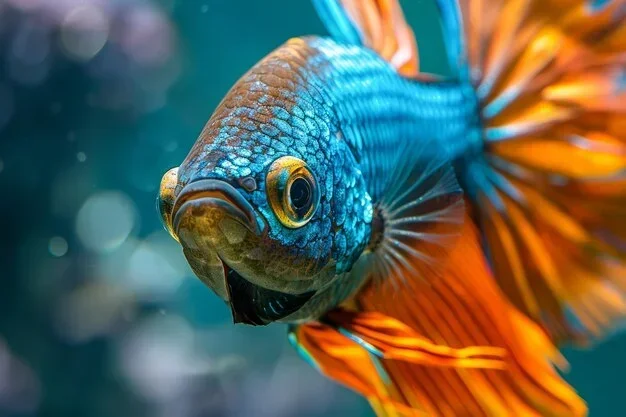
Betta fish are famous for their bright colors and flowing fins. They also have a reputation for being feisty. Male bettas, in particular, can be quite territorial. This natural behavior shapes everything about what gets along with betta fish in a shared aquarium.
You might hear people call them Siamese fighting fish. That name comes from their history of being bred for aggression. In the wild, they defend small territories. In a tank, that instinct can still show up. A betta may flare its gills, chase, or nip at fish that swim too close or display similar colors.
That does not mean bettas cannot live with others. Many bettas do fine in a community setup. The key is matching personalities and needs. A calm betta often tolerates gentle tank mates. A highly aggressive betta may need a solo tank. You should always watch your individual fish before making decisions.
Water conditions also play a big role. Bettas prefer warm, clean water with low flow. Tank mates must thrive in the same environment. When temperature, pH, and filtration line up, stress drops and peace rises. This makes compatibility much easier to achieve.
Quick Tip: Spend a few minutes each day observing your betta. Note how it reacts to movement, color, and other fish. This helps you predict what gets along with betta fish in your specific setup.
What Gets Along With Betta Fish Best
When people ask what gets along with betta fish, the best answer usually points to small, peaceful species. These fish stay out of the betta’s way and do not compete for the same space. They also tend to swim in different areas of the tank, which reduces conflict.
Bottom dwellers are often excellent choices. They spend most of their time near the substrate, leaving the upper and middle water columns open. Small schooling fish can also work well when kept in proper numbers. A larger group helps spread attention and lowers the chance of one fish becoming a target.
Some invertebrates can coexist peacefully too. Shrimp and snails often ignore bettas entirely. They also help keep the tank clean. Still, there is always some risk. Curious bettas may investigate or occasionally nip at small creatures. Careful observation remains essential.
Here is a simple comparison of common compatible tank mates:
| Tank Mate Type | Best For | Key Consideration |
|---|---|---|
| Small peaceful fish | Mid and top water columns | Keep in groups to reduce targeting |
| Bottom dwellers | Substrate and lower areas | Ensure enough floor space and hiding spots |
| Shrimp | Algae control and cleanup | Provide plants and cover for safety |
| Snails | Low conflict cleanup crew | Watch for overpopulation in some species |
Expert Insight: Start with one or two compatible species instead of a crowded community. This gives you room to adjust if your betta shows stress or aggression.
Top Peaceful Fish Choices
Several small fish are known for calm behavior and simple care needs. These species often work well when you want what gets along with betta fish without constant drama. They usually prefer similar warm water conditions and stay relatively small.
Look for fish with short fins and subdued colors. Long, flashy fins can sometimes trigger chasing. Bright, intense coloration may also draw attention. A quieter appearance often helps everyone settle in faster.
Good options often include:
- Small tetras that school peacefully
- Gentle livebearers with calm temperaments
- Small rasboras that stay in groups
- Quiet bottom dwellers that avoid confrontation
Quick Tip: Add schoolers in groups of six or more when your tank size allows. A proper school behaves more naturally and often ignores the betta.
Safe Bottom Dwellers
Bottom dwellers can be a smart addition because they use a different part of the tank. Many of them are peaceful, hardy, and interesting to watch. They also help make the lower area feel occupied without crowding the betta’s favorite spaces.
Corydoras catfish are a popular choice for many hobbyists. They are social, gentle, and usually stay near the bottom. Loaches can also work in some setups, though size and activity level matter. Some bottom dwellers grow large or become active at unexpected times, so research is important.
If you want to explore bottom dweller compatibility more closely, you can read about cory catfish tank mate options. It is also worth checking yoyo loach compatibility if you are considering more active bottom species.
Common mistakes with bottom dwellers include overcrowding and poor substrate choices. Sharp gravel can hurt sensitive bellies and fins. Soft sand or smooth gravel is usually safer. Also make sure the tank has enough hiding places so weaker fish can retreat.
Common Mistake: Adding only one bottom dweller to a social species. Many of these fish feel safer and behave better in small groups.
Invertebrates and Cleanup Crew
Shrimp and snails can be excellent low-conflict additions. They often stay small, move slowly, and focus on grazing rather than interacting. That makes them less likely to bother a betta. They can also help manage algae and leftover food.
Shrimp do best when they have plenty of cover. Dense plants, moss, and small caves give them places to hide. Some bettas ignore shrimp completely. Others may view them as interesting snacks. If your betta is very food-motivated, shrimp may not be the safest choice.
Snails are usually easier to predict. Many hobbyists keep them because they are calm and useful. They move slowly and rarely provoke aggression. Still, you should avoid overfeeding, since excess food can lead to population issues in some snail species.
If you are curious about other invertebrates, you may want to review shrimp compatibility and algae eater compatibility before adding them to your tank.
Quick Tip: Introduce invertebrates only after your tank is cycled and stable. New tanks can fluctuate too much for small creatures to handle safely.
Fish to Avoid With Bettas
Not every fish makes a good roommate. Some species are too active, too bold, or too likely to nip fins. Others need very different water conditions. When you are deciding what gets along with betta fish, it is just as important to know what to skip.
Fin nippers are a major concern. These fish chase and bite the fins of slower tank mates. Bettas have long, delicate fins, which makes them especially vulnerable. Even a playful chase can lead to stress, torn fins, or infection.
Large or aggressive fish can also cause problems. A bigger fish may intimidate your betta, even if it does not attack directly. Constant pressure can weaken the betta’s immune system over time. Some bold species may also compete for food and space.
Coldwater fish are another poor match. Bettas need warm water, while some popular cool-water species do not. Mixing them forces one animal to live in unsuitable conditions. That is unfair and often harmful.
Here are common types to avoid:
- Fin-nipping species that chase slow fish
- Large, boisterous fish that overwhelm the tank
- Highly territorial fish with similar colors
- Coldwater species that need cooler temperatures
Common Mistake: Choosing tank mates based only on appearance. A beautiful fish is not automatically peaceful or compatible.
Expert Insight: If a species is known for bold chasing or constant activity, assume it may stress a betta. It is better to choose a calmer alternative.
Setting Up a Community Tank for Bettas
A successful community tank starts with planning. You need enough space, good structure, and stable water. These basics matter just as much as species selection when figuring out what gets along with betta fish.
Tank size is one of the first things to consider. Small bowls or tiny tanks leave no room for escape. They also make water quality harder to control. A larger tank gives fish more territory and reduces tension. It also supports better filtration and more stable temperature.
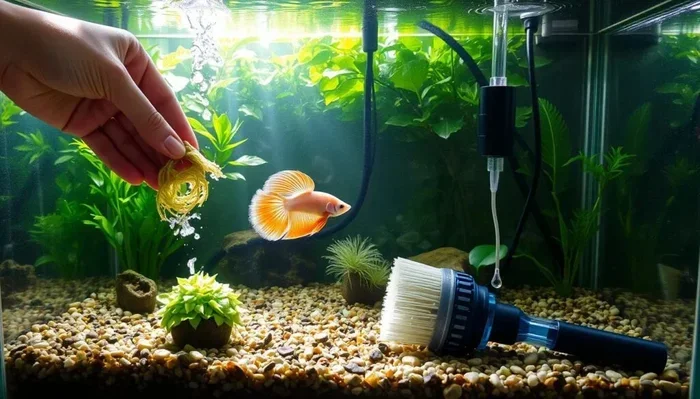
Layout matters too. Bettas feel more secure when they have places to rest and hide. Plants, wood, and smooth decorations help break up sightlines. This is important because constant staring can trigger aggression. A well-structured tank gives each animal a sense of privacy.
Water flow should stay gentle. Bettas are not strong swimmers, and strong currents can tire them out. At the same time, filtration must still keep the water clean. A balanced setup supports every inhabitant, not just the betta.
Before adding companions, make sure the tank is fully cycled. Beneficial bacteria need time to establish. Stable water quality reduces stress during introductions and helps prevent illness later.
Quick Tip: Arrange decorations so there are multiple routes through the tank. Fish should not be forced into narrow choke points where conflict can happen.
Tank Size and Layout
More space usually means fewer problems. In a cramped tank, even peaceful fish can become irritated. A larger footprint also gives bottom dwellers room to roam and gives schooling fish space to move together.
A long tank is often better than a tall one. Horizontal swimming space helps fish spread out. It also makes it easier to create separate zones. You can keep the top area open for the betta while leaving the bottom and middle areas for others.
Plants are extremely helpful. Live plants can improve water quality and give fish shelter. If live plants are not practical, smooth artificial plants can still provide cover. Just avoid sharp plastic decorations that can tear fins.
If you are wondering whether equipment choices affect compatibility, it helps to review filter use with bettas. Good filtration supports a calmer, healthier community environment.
Water Parameters and Flow
Matching water conditions is essential. Bettas generally prefer warm water and stable parameters. Tank mates should thrive in the same range. If one species needs cooler water or very different hardness, do not force the pairing.
Temperature stability is especially important. Sudden swings can weaken fish and make them more irritable. A reliable heater and regular checks help keep conditions steady. Clean water also reduces stress, which lowers the chance of aggression.
Flow should be mild but effective. Stagnant water is unhealthy, yet strong currents can bother bettas and slow-moving companions. Adjust your filter output if needed. Baffles or spray bars can soften the movement without sacrificing filtration.
Expert Insight: Test water regularly during the first few weeks after adding new fish. New additions can change the tank’s balance quickly.
Introducing New Tank Mates Safely
Even compatible species need a careful introduction. Rushing this step can create problems that might have been avoided. When you are learning what gets along with betta fish, the way you add new animals matters a lot.
Start by acclimating the new fish properly. Float the bag or container to match temperature, then slowly mix tank water into it. This reduces shock and helps the newcomer adjust. After that, release the fish gently into the tank.
Watch the first few hours closely. Some chasing is normal as fish establish boundaries. However, constant attacking, pinned fish, or visible stress are warning signs. If the betta cannot relax, the pairing may not work.
It often helps to rearrange decorations before adding new fish. Changing the layout can disrupt established territories and make the betta less defensive. This simple trick sometimes eases the transition.
Feeding can also influence behavior. A well-fed betta is usually less interested in chasing. Try offering food before or during the introduction so attention is directed elsewhere.
Quick Tip: Keep a net or separate container ready during introductions. If aggression escalates, you can act quickly instead of waiting too long.
Monitoring Behavior
Observation is your best tool. The first week is especially important. Look for signs of stress such as hiding all the time, refusing food, faded color, or damaged fins. These clues tell you something is wrong.
Also pay attention to the betta. Some bettas flare occasionally but still coexist peacefully. Others become obsessed with a new fish and never settle down. If the betta spends most of its time chasing, the community may not be a good fit.
New tank mates need monitoring too. A peaceful species can become stressed if it is constantly pursued. Even if the betta is not hurting anyone, ongoing tension can still harm the tank’s balance.
If you want broader guidance on mixing species, you can explore adding other fish to a betta tank and general betta community living for more context.
Common Mistake: Assuming the first day tells the whole story. Some issues appear only after fish settle in, so keep watching for at least a week or two.
Signs Your Betta Is Stressed or Aggressive
Not every problem comes from bad species choices. Sometimes a compatible setup still goes wrong because of individual personality or environment. Knowing the warning signs helps you respond before things get serious.
Stress can show up in many ways. A betta may clamp its fins, hide more than usual, or lose interest in food. It may also breathe faster or stay near the surface constantly. These signs do not always mean aggression, but they do mean something is off.
Aggression looks different. Flaring, repeated chasing, biting, and guarding a specific area are common signals. A little flaring can be normal. Nonstop hostility is not. If one fish is always on the defensive, the arrangement is probably not working.
Physical damage is the clearest red flag. Torn fins, missing scales, and sudden spots can indicate trouble. Injury also raises the risk of infection, so quick action matters.
If problems appear, try these steps:
- Add more hiding places to break sightlines
- Reduce feeding competition with targeted feeding
- Lower stress with stable water and gentle flow
- Separate fish if chasing becomes constant
Expert Insight: Sometimes the issue is not the species at all. A betta may do better alone if it has a strong territorial personality.
When to Separate Tank Mates
Separation is not failure. It is responsible care. If your betta or its companions are suffering, you should act. A temporary divider can help you test whether the problem is territorial or species-based.
If the betta calms down behind a divider, the issue may be territory. If it still reacts strongly, its temperament may simply not suit community life. Either way, the animal’s welfare comes first.
You can also rehome a problematic tank mate if needed. It is better to remove one fish than to keep everyone under constant stress. A peaceful solo tank can be a beautiful and healthy choice too.
Quick Tip: Keep a quarantine setup available if possible. It gives you a safe place to move fish without disrupting the whole tank.
Conclusion
Finding what gets along with betta fish is really about balance. You need peaceful species, compatible water conditions, enough space, and a tank layout that reduces conflict. When those pieces come together, a community aquarium can be both beautiful and calm.
Remember that every betta has its own personality. Some are relaxed and curious. Others are bold and territorial. Watch your fish, start slowly, and be ready to adjust your plan. A thoughtful approach will save you trouble and help your tank thrive.
If you choose carefully and monitor behavior, you can build a setup that works well for everyone. The best tank mate is not just a species on a list. It is a companion that fits your betta’s temperament, your tank size, and your care routine.
Frequently Asked Questions
Can betta fish live with other fish?
Yes, many bettas can live with other fish if the tank is large enough and the companions are peaceful. You should still watch for aggression, since each betta has its own personality.
What gets along with betta fish best?
Small, calm fish and gentle bottom dwellers usually work best. Species that stay in groups and avoid fin nipping are often the safest choices.
Can I keep a betta with shrimp or snails?
Often yes, but there is some risk. Many bettas ignore invertebrates, while others may chase or eat them. Dense plants and hiding spots improve the odds.
Why do bettas fight with tank mates?
Bettas can be territorial, especially males. They may react to bright colors, long fins, quick movement, or fish that enter their preferred space too often.
How big should a tank be for betta tank mates?
A larger tank is always better for community living. More space reduces tension, improves water stability, and gives each fish a chance to establish its own area.
What fish should I avoid with a betta?
Avoid fin nippers, very active chasers, large aggressive fish, and coldwater species. These can stress or injure a betta, or need unsuitable water conditions.