Do Betta Fish Live Food And What Is Best To Eat

Do betta fish live food? Yes, they absolutely thrive on it! Live meals like brine shrimp and bloodworms mimic their natural diet and boost energy. However, you must choose safe options and feed them in moderation. This guide covers the best choices, proper feeding methods, and common mistakes to avoid.
Key Takeaways
- Bettas are carnivores: They need high-protein meals like live insects and larvae.
- Safe live options: Brine shrimp, bloodworms, and daphnia are top choices.
- Feed in moderation: Overfeeding causes bloating and water pollution.
- Avoid wild-caught prey: It may carry parasites or pesticides.
- Vary the diet: Mix live, frozen, and pellet foods for balanced nutrition.
- Watch for allergies: Some fish react poorly to certain live foods.
- Clean up leftovers: Remove uneaten prey to keep water fresh.
📑 Table of Contents
- Do Betta Fish Live Food And What Is Best To Eat
- Best Live Foods For Bettas
- How To Feed Live Food Safely
- Do Bettas Need Live Food Every Day
- Risks And What To Avoid
- How To Balance Live Food With Pellets
- Expert Tips For Feeding Live Prey
- Quick Tips For Success
- Common Mistakes To Avoid
- Final Thoughts On Live Feeding
Do Betta Fish Live Food And What Is Best To Eat
Many new owners ask do betta fish live food. The short answer is a clear yes. Bettas are natural hunters. They love chasing moving prey. This instinct makes live meals very appealing. It also provides excellent nutrition.
Live food closely matches what these fish eat in the wild. In their native rice paddies and slow streams, they grab insects, larvae, and tiny crustaceans. Captive fish still crave that same protein-rich diet. Offering live prey can improve color, boost energy, and support healthy growth. But not all live options are safe. You must pick the right types and feed them correctly.
This guide breaks down everything you need to know. We will cover the best live choices, how to feed them safely, and what to avoid. You will also learn how to balance live meals with other foods. By the end, you will feel confident about feeding your betta the right way.
Best Live Foods For Bettas
Choosing the right live prey matters a lot. Some options are perfect for daily feeding. Others work better as occasional treats. Here are the top picks that keep bettas happy and healthy.
Brine Shrimp
Brine shrimp are a favorite among hobbyists. They are small, easy to digest, and packed with protein. You can buy them live or hatch them at home. Many owners start with baby brine shrimp for young fish. Adults enjoy the full-sized ones too. They swim actively, which triggers your betta natural hunting drive.
Brine shrimp also contain healthy fats and vitamins. These nutrients support bright colors and strong fins. You can feed them two or three times a week. Just rinse them before adding them to the tank. This step removes excess salt and keeps your water clean.
Bloodworms
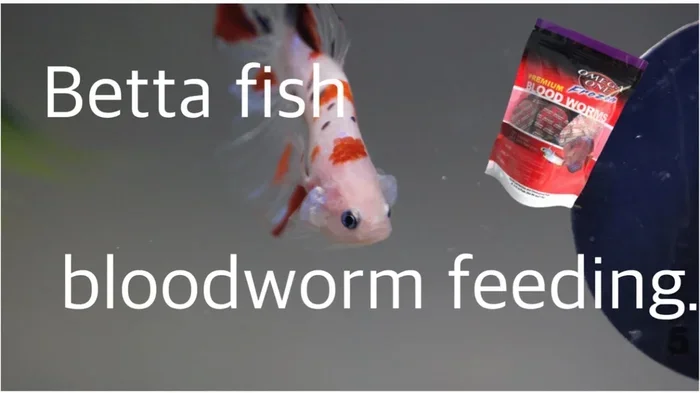
Bloodworms are another excellent choice. They are actually midge larvae, not true worms. Their deep red color looks striking against dark substrates. Bettas go crazy for them because they are rich in iron and protein. You can find them live, frozen, or dried.
Live bloodworms move around, making them very enticing. They are best used as a treat rather than a staple. Too many can cause digestive issues. Feed a small pinch once or twice a week. Always source them from trusted suppliers to avoid contaminants.
Daphnia
Daphnia are tiny water fleas that work well for bettas. They are smaller than brine shrimp and very gentle on the stomach. Many breeders use them to help fish digest food better. Daphnia contain chitin, which acts like a natural laxative. This helps prevent constipation, a common problem in bettas.
You can culture daphnia at home or buy them live. They are a great addition to a varied diet. Feed them in small amounts a few times a week. Your betta will enjoy chasing them around the tank.
Blackworms
Blackworms are a bit larger but still safe for most bettas. They are rich in protein and very nutritious. These worms live in freshwater and move slowly, which makes them easy for bettas to catch. They are a good option for adult fish with bigger appetites.
Just make sure to rinse them well before feeding. Leftover worms can decay quickly and foul the water. Feed only what your betta can eat in a few minutes. Remove any uneaten pieces right away.
How To Feed Live Food Safely
Live food brings many benefits, but it also comes with risks. You must handle it carefully to keep your fish healthy. Follow these simple steps to feed safely and avoid common problems.
Source From Trusted Suppliers
Never catch wild insects or larvae from your backyard. They may carry pesticides, parasites, or harmful bacteria. Always buy live food from reputable pet stores or trusted breeders. Look for clean packaging and active, healthy-looking prey. If the container smells bad or looks cloudy, skip it.
You can also hatch your own brine shrimp at home. This gives you full control over quality. It takes a little effort, but many owners find it worth it. Home-hatched shrimp are fresh, clean, and free from unknown contaminants.
Rinse Before Feeding
Always rinse live food under cool, clean water before adding it to the tank. This removes excess waste, salt, or debris. It also helps prevent sudden water parameter shifts. Use a fine mesh strainer or a small feeding net. Gently swish the prey in fresh water for a few seconds.
This simple step keeps your aquarium stable. It also reduces the chance of introducing harmful organisms. Clean feeding habits make a big difference over time.
Feed In Small Amounts
Bettas have small stomachs. A good rule is to feed only what they can eat in two to three minutes. Overfeeding leads to bloating, poor water quality, and wasted food. Start with a few pieces and watch how your fish reacts. If they finish quickly, you can offer a little more next time.
Live prey moves around, so your betta may chase it for a while. This is normal and healthy. But do not let the feeding session drag on. Remove leftovers promptly to keep the tank clean.
Remove Uneaten Prey
Uneaten live food can die and rot in the water. This releases ammonia and clouds the tank. It also attracts pests like snails or algae. After feeding, check the tank for any leftovers. Use a net or siphon to remove them.
This habit keeps your water fresh and your fish safe. It also helps you track how much your betta actually eats. Over time, you will learn the right portion size.
Do Bettas Need Live Food Every Day
Many owners wonder if they must feed live prey daily. The answer is no. Bettas do not need live food every single day. A balanced diet works best. You can mix live meals with high-quality pellets and frozen options. This approach gives your fish variety without overloading the tank.
Live food is great for enrichment and extra protein. But it should not replace a complete staple diet. Pellets and flakes made for bettas contain essential vitamins and minerals. They also sink or float in predictable ways, which makes portion control easier. Use live food as a supplement, not the only meal.
Aim for two to three live feedings per week. On other days, offer pellets or frozen treats. This routine keeps your betta healthy and your water stable. It also saves you time and money. Quality matters more than frequency.
Risks And What To Avoid
Live food is generally safe when handled properly. But some risks exist. Knowing what to avoid helps you protect your fish and your aquarium.
Parasites And Disease
Live prey can carry hidden threats. Parasites, bacteria, and viruses may hitch a ride into your tank. This is why sourcing matters so much. Wild-caught insects are especially risky. Even store-bought live food can sometimes harbor issues if not stored correctly.
To reduce risk, quarantine new live food when possible. Observe it for unusual behavior or signs of decay. If you notice anything suspicious, discard it. Keeping your tank isolated from unknown organisms is a smart practice.
Water Quality Issues
Live food adds organic waste to the water. Dead prey, excess food, and leftover debris break down quickly. This raises ammonia and nitrate levels. Poor water quality stresses fish and weakens their immune system. It can also trigger algae blooms and cloudy water.
You can prevent this by feeding small portions and cleaning up afterward. Test your water regularly, especially after introducing live meals. A good filter and routine water changes also help maintain balance.
Overfeeding And Bloating
Bettas are prone to bloating when they eat too much. Their digestive systems are sensitive. Large meals or frequent live feedings can cause swelling and discomfort. In severe cases, it leads to swim bladder problems. This makes it hard for the fish to swim normally.
Stick to small, controlled portions. Watch your betta body shape and behavior. If you notice a swollen belly or lethargy, cut back on feeding. Give the fish a fasting day to reset its digestion. Prevention is much easier than treatment.
How To Balance Live Food With Pellets
A mixed diet gives your betta the best of both worlds. Live prey provides excitement and high protein. Pellets offer consistency and complete nutrition. Combining them creates a healthy routine that is easy to manage.
Start by choosing a quality betta pellet as your staple. Look for formulas with high protein and low fillers. Feed pellets once or twice a day in small amounts. On alternate days, add a live treat. This keeps meals interesting and supports natural behaviors.
You can also rotate different live options. One day offer brine shrimp, the next try daphnia. Variety prevents nutritional gaps and keeps your fish engaged. Just remember to keep portions small and clean up afterward. A simple schedule works best.
For example, you might feed pellets in the morning and evening on Monday. On Tuesday, offer a small live treat in the afternoon. Wednesday returns to pellets only. This pattern is easy to follow and keeps your tank stable. Adjust based on your fish age, size, and activity level.
Expert Tips For Feeding Live Prey
Experienced keepers know that small habits make a big difference. Here are some practical tips to get the most out of live feeding while keeping your betta safe.
Observe Your Fish Response
Watch how your betta reacts to different live foods. Some fish prefer fast-moving prey, while others like slower options. Notice which types they chase eagerly and which they ignore. This helps you pick the best choices for your individual fish.
Also pay attention to digestion and energy levels. A healthy betta stays active and maintains a smooth body shape. If you see changes after a new food, adjust your routine. Every fish is a little different.
Use Feeding Tongs Or Droppers
Feeding tongs or small droppers give you better control. They help you place prey exactly where you want it. This reduces waste and makes it easier to remove leftovers. Tongs are especially useful for larger prey like blackworms.
Droppers work well for baby brine shrimp or daphnia. You can release a small cluster in one spot and watch your betta hunt. This method keeps the tank cleaner and makes feeding more predictable.
Keep A Feeding Log
Tracking what you feed helps you spot patterns. Note the type of live food, portion size, and your fish response. Over time, you will learn what works best. A simple notebook or phone note is enough.
This habit also helps you avoid overfeeding. You can see how often you offer live meals and adjust as needed. Consistency leads to healthier fish and clearer water.
Fast Occasionally
A short fasting day once a week gives your betta digestive system a break. It also helps prevent constipation and bloating. Many owners skip feeding on a set day, like Sunday. This is safe for healthy adult fish.
Fasting does not mean starving. One missed meal will not harm your betta. In fact, it often improves digestion and keeps the fish active. Just make sure the rest of the week includes balanced meals.
Quick Tips For Success
- Start small: Offer a few live prey at first and watch how your betta reacts.
- Rotate options: Mix brine shrimp, bloodworms, and daphnia for variety.
- Rinse everything: Clean live food before adding it to the tank.
- Remove leftovers: Clear uneaten prey within a few minutes.
- Stick to a schedule: Feed live treats two to three times a week.
- Test water regularly: Check ammonia and nitrate after live feedings.
- Watch body shape: A swollen belly means you need to cut back.
Common Mistakes To Avoid
- Feeding wild-caught insects: They may carry pesticides or parasites.
- Overfeeding live prey: Too much causes bloating and dirty water.
- Ignoring leftovers: Rotting food spikes ammonia and harms fish.
- Using live food as the only diet: Pellets and frozen foods provide balance.
- Skipping rinsing: Excess waste and salt can upset water parameters.
- Feeding large portions to young fish: Babies need smaller, more frequent meals.
- Changing foods too fast: Introduce new live options gradually.
Final Thoughts On Live Feeding
So, do betta fish live food? Yes, and they often love it. Live prey taps into their natural hunting instincts and delivers high-quality protein. It can improve color, energy, and overall vitality. But it works best as part of a balanced routine, not as the only meal.
Focus on safe sources, small portions, and clean feeding habits. Mix live treats with quality pellets and frozen options. Watch your fish response and adjust as needed. With a little care, live food becomes a healthy, enjoyable part of your betta care routine. Your fish will stay active, well-fed, and full of life.
Frequently Asked Questions
Can I feed my betta live food every day?
You can, but it is not necessary. Most bettas do better with live treats two to three times a week. A balanced diet with pellets or frozen food keeps nutrition steady and water cleaner.
What is the safest live food for bettas?
Brine shrimp and daphnia are among the safest choices. They are easy to digest, widely available, and less likely to cause issues. Always rinse them before feeding and source them from trusted suppliers.
Do bettas prefer live food over pellets?
Many bettas do prefer live prey because it moves and triggers their hunting instinct. However, high-quality pellets still provide essential nutrients. A mix of both usually works best for health and convenience.
Can live food make my betta sick?
It can if the prey carries parasites, bacteria, or pesticides. Wild-caught insects are especially risky. Buy from reputable sources, rinse before feeding, and remove leftovers to reduce the chance of illness.
How much live food should I give at one time?
Offer only what your betta can eat in two to three minutes. A few brine shrimp or a small pinch of bloodworms is usually enough. Start small and adjust based on how quickly your fish finishes the meal.
Should I fast my betta after feeding live food?
A short fasting day once a week is helpful, especially if you feed live treats often. It gives the digestive system a break and helps prevent bloating. Healthy adult bettas handle occasional fasting very well.