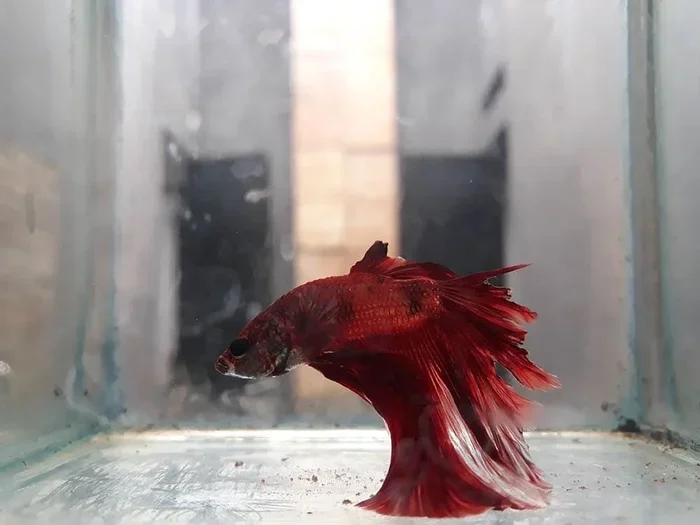
Do Betta Fish Like To Be In The Dark Find Out

Do betta fish like to be in the dark? The short answer is yes, they need darkness to rest properly, but they also require consistent light during the day. Understanding their natural rhythms helps you avoid stress and keep your fish healthy. This guide breaks down exactly how much light your betta needs and what happens when the lights go out.
If you have ever stared at your aquarium and wondered do betta fish like to be in the dark, you are asking a very smart question. Lighting plays a huge role in how your fish feels, sleeps, and behaves. Many new owners keep the lights on all day because they want to admire their colorful pet. Others turn the lights off completely and worry that their fish might get scared. The truth sits somewhere in the middle, and it is easier to understand once you look at how bettas live in the wild.
Bettas come from shallow rice paddies, slow-moving streams, and warm wetlands in Southeast Asia. These habitats follow a natural rhythm of bright daylight and dark nights. Your aquarium should mimic that pattern as closely as possible. When you get the balance right, your fish will show off vibrant colors, swim with confidence, and rest peacefully. When the balance is off, you may notice stress, dull colors, or strange hiding habits.
In this guide, we will walk through everything you need to know about betta lighting. You will learn how much light they actually need, why darkness matters, and how to build a simple routine that keeps your fish happy. Let us dive in.
Key Takeaways
- Bettas need a clear day-night cycle: They thrive with 8-12 hours of light followed by complete darkness for rest.
- Darkness is essential for sleep: Without a dark period, bettas can become stressed, lethargic, or develop health issues.
- They do not see well in total darkness: Bettas rely on light to navigate, find food, and recognize their surroundings.
- Constant light causes stress: Leaving aquarium lights on 24/7 disrupts their circadian rhythm and weakens their immune system.
- Natural or timer-controlled lighting works best: A consistent schedule mimics their wild habitat and supports healthy behavior.
- Moonlight or dim night lights are optional: Very low light at night is fine, but bright lights will interrupt their rest.
- Watch for stress signs: Hiding, loss of color, or irregular swimming often means the lighting setup needs adjustment.
📑 Table of Contents
- Understanding the Natural Habitat of Bettas
- Do Bettas Actually Like Darkness?
- How Much Light Do Betta Fish Really Need?
- Can Betta Fish See and Eat in the Dark?
- Should You Keep Your Tank in Total Darkness?
- Best Lighting Setup for a Happy Betta
- Signs Your Betta Is Stressed by Lighting
- Common Myths About Bettas and Darkness
- Quick Tips for a Healthy Light Routine
- Final Thoughts on Do Betta Fish Like To Be In The Dark
Understanding the Natural Habitat of Bettas
To really answer do betta fish like to be in the dark, it helps to look at where they come from. Wild bettas live in tropical environments where the sun rises and sets at predictable times. They do not live in constant brightness, and they do not live in pitch black either. Their world follows a steady cycle that shapes their daily habits.
How Wild Bettas Experience Light
In their natural homes, bettas spend the day exploring shallow water, searching for tiny insects, and interacting with their surroundings. When evening arrives, the light fades slowly. The water cools slightly, and the fish slow down. This gradual shift tells their bodies that it is time to rest. They do not need bright light to survive the night, but they also do not sleep in total chaos. The natural dimming of light is a gentle signal that keeps their internal clock running smoothly.
What This Means for Your Tank
Your aquarium does not need to copy the wild exactly, but it should respect the same basic rhythm. A steady pattern of light and dark gives your betta a sense of security. When the lights turn on at roughly the same time each day, your fish learns what to expect. That predictability lowers stress and encourages normal behavior. If you want to learn more about what generally makes bettas comfortable, you can read about what betta fish like in their daily environment.
Quick Tip: Try to match your tank lighting to your own daily routine. Turn the lights on when you start your day and off when you wind down. Your betta will adapt faster when the schedule feels natural and consistent.
Do Bettas Actually Like Darkness?
This is the core of the question, and the answer is quite simple. Bettas do not fear darkness, and they certainly do not prefer bright light all the time. They need a dark period to rest properly. Just like humans, fish rely on downtime to recover, recharge, and stay healthy. When you give them a clear dark phase, you are supporting their natural sleep cycle.
Why Darkness Matters for Sleep
Bettas do not sleep the same way people do, but they do enter a resting state. During this time, their breathing slows, their movement drops, and they often settle near the bottom or among plants. They may still wake up quickly if something startles them, but their bodies are clearly taking a break. Without a dark window, that rest gets interrupted. Over time, poor rest can lead to fatigue, weaker immunity, and less vibrant colors.
Do They Get Scared in the Dark?
Many owners worry that their fish will feel frightened once the lights go out. In most cases, that fear comes from sudden changes, not from darkness itself. If the room goes from bright to pitch black in one second, your betta may startle. A gradual dimming is much calmer. You can also leave a very soft room light on if you want to ease the transition. If you are curious about whether bettas feel fear at night, you can explore whether betta fish get scared of the dark for more details.
Signs Your Betta Is Comfortable in the Dark
A relaxed betta will usually settle into a resting position when the lights go off. You might see it hover quietly near a leaf, rest on a plant, or tuck itself into a calm corner. It will not panic or dash around the tank. If your fish behaves this way, it is a good sign that the lighting schedule feels right. If it keeps pacing or hiding frantically, you may need to adjust the brightness or timing.
How Much Light Do Betta Fish Really Need?
Bettas do not need intense lighting, but they do need enough light to see, eat, and act naturally. A good target is about 8 to 12 hours of light per day, followed by a solid dark period. This range gives them enough activity time without overwhelming their senses. It also creates a reliable rhythm that supports healthy sleep.
Daytime Lighting Basics
During the day, your betta benefits from clear, gentle light. This does not mean you need powerful aquarium lamps. In fact, too much brightness can cause stress or encourage unwanted algae. Soft to moderate light is usually enough for a standard betta setup. If your room already gets good natural light, you may not need much extra lighting at all. The main goal is to make sure your fish can see its environment and feed comfortably.
Nighttime Lighting Basics
At night, the goal shifts from activity to rest. Complete darkness is perfectly fine, and many bettas prefer it. A tiny amount of ambient light from the room is also acceptable. What you want to avoid is bright aquarium lights staying on after bedtime. If you need to check on your fish at night, use a dim flashlight or a very low night light. For more guidance on how bettas handle low-light conditions, you can look into whether betta fish can survive in the dark.
Using a Timer for Consistency
One of the easiest ways to keep a healthy cycle is a simple light timer. A timer removes guesswork and keeps your tank on a steady schedule. You set the hours once, and the lights turn on and off automatically. This is especially helpful if your own schedule changes often. Your betta benefits from predictability, and a timer helps you provide it without extra effort.
Common Mistake: Leaving the aquarium light on all night because you forgot to switch it off. This can confuse your betta and disrupt its rest. Always double-check your timer or make a habit of turning the light off at the same time each evening.
Can Betta Fish See and Eat in the Dark?
A lot of people ask do betta fish like to be in the dark because they worry their fish will not be able to find food or move around safely. Bettas do have eyes, and they use them well during the day. Their vision is not built for total darkness, though. In low light, they can still sense movement and shapes, but their sight becomes less sharp.
Vision in Low Light
Bettas rely on light to navigate their tank and recognize objects. When the room gets dim, they depend more on memory and instinct. They usually know where their plants, decorations, and feeding spot are located. That familiarity helps them move around even when the lights are low. Still, they are not nocturnal hunters with night vision. They simply rest until the light returns.
Finding Food Without Bright Light
If you drop food into the tank after dark, your betta may not notice it right away. In dim conditions, it can take longer for them to spot the food. That is why it is best to feed during the lit part of the day. If you ever wonder whether they can spot their meals in low light, you can check whether betta fish can see their food in the dark for a deeper look.
Best Feeding Times
The easiest routine is to feed your betta when the aquarium light is on. This gives your fish the best chance to see the food, eat calmly, and digest properly. A morning or evening feeding works well for most owners. Try to keep the timing consistent so your betta learns when to expect meals. A steady feeding schedule also reduces begging or frantic swimming.
Should You Keep Your Tank in Total Darkness?
Some owners think that if bettas need dark rest, they should keep the tank in a completely dark room all the time. That is not the best approach. Bettas need both light and dark to stay balanced. A tank that never gets proper light can lead to dull behavior and poor orientation. A tank that never gets dark can cause constant stress. The healthiest setup is a balanced cycle.
The Problem with Constant Darkness
If your aquarium sits in a room with almost no light during the day, your betta may struggle to find its way around. It may also have trouble spotting food or noticing changes in the tank. Over time, this can make the fish less active and less confident. Even though bettas are hardy, they still need a clear daytime environment to thrive.
The Problem with Constant Light
On the other side, keeping the light on all the time is equally problematic. Your betta will not get the rest it needs. Sleep disruption can make the fish more irritable, less colorful, and more prone to illness. If you want to understand how bettas handle being left in the dark or under unusual lighting, you can read whether you can leave betta fish in the dark for extra context.
Finding the Right Balance
The sweet spot is simple: give your betta a bright enough day and a calm, dark night. You do not need fancy lighting effects or dramatic changes. Just keep the schedule steady and the brightness moderate. Your fish will adapt quickly, and you will see the difference in its behavior. A balanced routine is one of the easiest ways to support long-term health.
Best Lighting Setup for a Happy Betta
Creating a good lighting setup does not have to be complicated. You just need a few basic pieces and a clear routine. The goal is comfort, consistency, and a natural feel. When you get those three things right, your betta will have a much easier time staying active and rested.
Choosing the Right Light
A standard aquarium light or a soft room light is usually enough for a betta tank. You do not need strong grow lights unless you are keeping live plants that require extra intensity. Even then, you can often use a moderate setting. Look for a light that spreads evenly across the tank instead of focusing on one hot spot. Even coverage helps your fish feel secure.
Setting a Daily Schedule
A simple schedule works best. For example, you can turn the lights on in the morning and off in the evening. If you use a timer, set it to match that pattern. Try to keep the on and off times similar from day to day. Your betta will settle into the routine and respond with calmer behavior. Consistency matters more than perfection.
Using Plants and Hiding Spots
Plants and decorations give your betta places to rest and explore. During the light phase, they create a rich environment. During the dark phase, they offer shelter and a sense of safety. Soft plants, leaves, and gentle hiding spots help your fish feel secure at all times. If your betta likes to rest among objects, that is completely normal and healthy.
Expert Insight: A stable light-dark cycle is one of the simplest ways to improve betta welfare. Many behavior problems come from irregular lighting, not from the fish itself. When owners fix the schedule, they often see calmer swimming, better color, and more predictable feeding within a short time.
Signs Your Betta Is Stressed by Lighting
Even with a good setup, it helps to watch your fish closely. Bettas show stress in subtle ways, and lighting is one of the common triggers. If something feels off, your fish may change how it swims, rests, or reacts to you. Catching these signs early makes it easier to adjust the environment.
Behavior Changes to Watch For
A stressed betta may hide more than usual, stay at the bottom, or dart around without a clear reason. It might also lose some of its bright color or seem less interested in food. Sometimes the fish will clamp its fins close to its body or ignore its usual routine. These changes do not always mean lighting is the problem, but they are worth checking.
How to Adjust the Setup
If you notice stress signs, start with the simplest changes. Shorten the light period a little, or dim the brightness. Make sure the tank is not in a noisy, high-traffic spot where sudden movement startles the fish. Check that the dark period is truly dark enough for rest. Small tweaks often solve the issue quickly.
When to Seek Extra Help
If your betta stays stressed after you adjust the lighting, look at other factors too. Water quality, temperature, tank size, and tank mates can all affect behavior. Lighting is important, but it works as part of a bigger picture. A healthy tank gives your fish the best chance to feel safe and active.
Common Myths About Bettas and Darkness
There is a lot of advice online, and not all of it is accurate. Some myths make owners worry unnecessarily, while others encourage bad habits. Clearing up these misunderstandings can save you time and help your fish right away.
Myth: Bettas Hate the Dark
This is not true. Bettas do not hate darkness, and they do not need constant light to feel safe. They need a cycle. Darkness is a normal and healthy part of that cycle. The problem only comes when the change is too sudden or the schedule is inconsistent.
Myth: Bettas Can See Perfectly at Night
Bettas do not have strong night vision. They can manage in low light, but they are not built to navigate easily in pitch black. That is why a balanced daytime light source matters. They do best when they can see clearly during their active hours.
Myth: More Light Equals a Happier Fish
More light is not always better. Too much light can stress your betta and disturb its rest. A happier fish is one that gets enough light to be active and enough darkness to sleep. Balance beats brightness every time.
Quick Tips for a Healthy Light Routine
If you want a simple checklist, this section gives you the essentials. These tips are easy to follow and work well for most betta tanks.
- Keep a steady schedule: Turn the lights on and off at similar times each day.
- Aim for 8-12 hours of light: This gives your betta enough activity time without cutting into rest.
- Dim the lights at night: A soft transition feels calmer than a sudden shutoff.
- Feed during the light period: Your betta will find food more easily and eat more calmly.
- Use a timer if possible: Automation helps you stay consistent, even on busy days.
- Watch your fish’s behavior: Adjust the routine if you see hiding, stress, or low energy.
- Avoid bright night lights: If you need light at night, keep it very dim and brief.
Final Thoughts on Do Betta Fish Like To Be In The Dark
So, do betta fish like to be in the dark? They do not fear it, and they actually need it to rest well. The healthiest setup is not all light or all dark. It is a steady rhythm that gives your betta a clear day for activity and a calm night for sleep. When you provide that balance, your fish is more likely to show bright colors, natural behavior, and a relaxed attitude.
The best part is that this does not require much effort. A simple timer, moderate light, and a consistent bedtime routine can make a big difference. Watch your betta, adjust as needed, and keep the schedule steady. With a thoughtful lighting routine, you give your fish the environment it needs to feel secure and thrive.
Frequently Asked Questions
Do betta fish need complete darkness to sleep?
No, they do not need total darkness, but they do need a calm dark period to rest properly. A dim room light is usually fine, while bright aquarium lights can interrupt their sleep.
How many hours of darkness should a betta fish get?
Most bettas do well with about 8 to 12 hours of darkness each night, depending on how long you keep the lights on during the day. The key is consistency, not perfection.
Can betta fish see in the dark?
Bettas can manage in low light, but they do not have strong night vision. They rely on daytime light to see clearly, find food, and move around confidently.
Is it bad to leave the aquarium light on all night?
Yes, leaving the light on all night can stress your betta and disrupt its rest. Constant light may lead to fatigue, dull color, and a weaker immune system over time.
Do betta fish get scared when the lights go out?
Usually not, as long as the change is gradual. Sudden shutoffs can startle them, so dimming the lights slowly or keeping a soft room light on can help them settle.
What is the best lighting schedule for a betta fish?
A simple schedule with moderate light during the day and a dark period at night works best. Many owners use a timer to keep the routine steady and predictable.