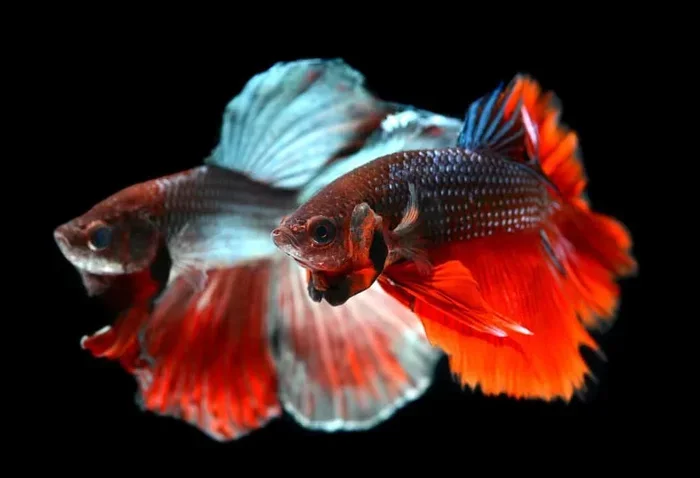
Can I Boil Water for My Betta Fish
Boiling water for your betta fish is not recommended as a primary method for water preparation. While boiling can remove chlorine, it doesn’t address chloramine, heavy metals, or essential minerals your betta needs. The best approach is using a water conditioner with dechlorinator or choosing safe alternative water sources like properly treated tap water.
Key Takeaways
- Boiling alone is insufficient: Boiling water removes chlorine but not chloramine, which is commonly used in municipal water supplies and is equally harmful to betta fish.
- Essential minerals matter: Boiling can reduce beneficial minerals that betta fish need for healthy osmoregulation and overall wellbeing.
- Temperature shock risk: Water must be cooled to 76-82°F (24-28°C) before adding to your betta’s tank, requiring careful monitoring.
- Water conditioners are superior: Commercial dechlorinators neutralize both chlorine and chloramine instantly, making them the most reliable option.
- Alternative safe options: Treated tap water, spring water, filtered water, or aged water are all better choices than boiled water.
- Consistency is key: Whatever water source you choose, maintaining stable parameters is more important than the specific preparation method.
- Test your water: Invest in a water test kit to monitor pH, ammonia, nitrite, and nitrate levels regardless of your water source.
📑 Table of Contents
Can I Boil Water for My Betta Fish?
If you’ve ever wondered whether boiling water makes it safe for your betta fish, you’re not alone. Many new betta owners ask this question when trying to provide the best care for their colorful companions. The short answer is that while boiling water can remove some harmful substances, it’s not the most effective or recommended method for preparing water for your betta fish.
Betta fish are sensitive creatures that require specific water conditions to thrive. The water you use directly impacts their health, coloration, and lifespan. Understanding what makes water safe—and unsafe—for your betta is essential for responsible fishkeeping. In this comprehensive guide, we’ll explore why boiling falls short, what alternatives work better, and how to ensure your betta has the cleanest, safest water possible.
What Happens When You Boil Water?
Chlorine Removal
Boiling water does effectively remove free chlorine from tap water. When you bring water to a rolling boil for 15-20 minutes, chlorine gas escapes into the air. This was a common practice decades ago when most municipal water systems used only chlorine for disinfection. However, modern water treatment has evolved significantly.
The Chloramine Problem
Today, many water utilities use chloramine instead of or in addition to chlorine. Chloramine is a compound made from chlorine and ammonia, and it’s much more stable than chlorine alone. Here’s the critical issue: boiling does NOT remove chloramine effectively. Even extended boiling times struggle to eliminate this persistent chemical from your water.
Chloramine is particularly dangerous for betta fish because it damages their gills and can cause respiratory distress. Since you can’t always know whether your local water supply uses chlorine, chloramine, or both, relying on boiling alone puts your betta at risk.
Mineral Content Changes
Another consideration is what boiling does to water’s mineral content. When you boil water, some minerals precipitate out and form scale. While this might seem beneficial, betta fish actually need certain dissolved minerals for proper osmoregulation—the process by which they maintain fluid balance in their bodies. Removing too many minerals can stress your betta’s system.
Why Boiling Water Isn’t the Best Choice
Incomplete Protection
The biggest problem with boiling water for your betta fish is that it provides incomplete protection. Even if you successfully remove chlorine, you’re not addressing:
- Chloramine (as mentioned above)
- Heavy metals like copper, lead, and zinc
- Dissolved solids and contaminants
- Potential bacterial regrowth after cooling
Your betta deserves water that’s been comprehensively treated, not just partially cleaned.
Time and Energy Intensive
Boiling enough water for a betta tank—even a small 5-gallon setup—requires significant time and energy. You need to boil the water, let it cool to the proper temperature (76-82°F), and then carefully add it to the tank. This process becomes especially impractical during regular water changes, which should occur weekly for optimal betta health.
Temperature Management Challenges
One often-overlooked issue is the temperature shock risk. Boiling water must be cooled significantly before it can safely contact your betta. Adding water that’s too hot—or even too cold after cooling—can stress your fish and compromise their immune system. Maintaining the precise temperature bettas require (76-82°F or 24-28°C) takes careful monitoring with a reliable thermometer.
Better Alternatives to Boiling Water
Water Conditioners and Dechlorinators
The gold standard for preparing water for your betta fish is using a commercial water conditioner. Products like Seachem Prime, API Tap Water Conditioner, or Tetra AquaSafe instantly neutralize both chlorine and chloramine. They also often detoxify heavy metals, providing comprehensive protection in just a few drops.
These conditioners work immediately—no waiting, no boiling, no temperature concerns. Simply add the recommended amount to your water before introducing it to your betta’s tank. For detailed instructions on this process, check out our guide on how to condition tap water for betta fish.
Letting Water Age Naturally
If your water supply uses only chlorine (not chloramine), you can let tap water sit in an open container for 24-48 hours. The chlorine will naturally off-gas during this time. However, this method has limitations:
- It doesn’t work for chloramine
- It requires planning ahead
- Stagnant water can develop bacteria
- It doesn’t address heavy metals
Aging water can work in a pinch, but it shouldn’t be your primary method for regular water changes.
Filtered Water Options
Using a quality water filter can remove many contaminants from tap water. Carbon filters, reverse osmosis systems, and specialized aquarium filters all provide cleaner water for your betta. If you’re considering this option, our article on using filtered water for betta fish covers everything you need to know.
Keep in mind that some filtration systems remove too many minerals, so you might need to remineralize the water before using it for your betta.
Spring Water and Purified Water
Bottled spring water can be a good option for betta fish, as it typically contains beneficial minerals without harmful additives. Purified water (through distillation or reverse osmosis) lacks both harmful chemicals and essential minerals, so it requires remineralization. Learn more about using spring water for your betta fish to determine if it’s right for your setup.
Understanding Your Local Water Supply
Contact Your Water Utility
One of the smartest things you can do as a betta owner is contact your local water utility and ask about their treatment process. Find out whether they use chlorine, chloramine, or both. This information helps you choose the right water preparation method.
Most water utilities publish annual water quality reports online, detailing exactly what’s in your tap water. This transparency allows you to make informed decisions about your betta’s care.
Test Your Water Regularly
Invest in a comprehensive water test kit that measures:
- pH: Bettas prefer 6.5-7.5
- Ammonia: Should always be 0 ppm
- Nitrite: Should always be 0 ppm
- Nitrate: Below 20 ppm is ideal
- General Hardness (GH): 3-4 dGH is optimal
- Carbonate Hardness (KH): 3-5 dKH helps stabilize pH
Regular testing ensures your chosen water preparation method is actually working and keeping your betta safe.
Proper Water Change Techniques
How Much Water to Change
For betta fish, weekly water changes of 25-50% are recommended. The exact amount depends on your tank size, filtration, and bioload. Smaller tanks (under 5 gallons) typically need more frequent, larger changes.
The Step-by-Step Process
Here’s the proper way to perform a water change:
- Prepare your new water by treating it with a dechlorinator
- Match the temperature to your tank water (within 1-2°F)
- Use a gravel vacuum to remove debris and old water
- Slowly add the new water to avoid disturbing your betta
- Test water parameters after the change
Never change 100% of the water at once, as this removes beneficial bacteria and can shock your fish. For more details, visit our guide on how to dechlorinate water for betta fish.
Maintaining Temperature Stability
Bettas are tropical fish that require stable temperatures between 76-82°F. When adding new water during changes, always ensure it’s within this range. A sudden temperature drop or spike can cause stress, illness, or even death. Use a reliable aquarium thermometer to verify temperatures before and after water changes.
Common Mistakes to Avoid
Using Untreated Tap Water
Perhaps the most dangerous mistake is adding untreated tap water directly to your betta’s tank. Even if your water seems clean and smells fine, it likely contains chlorine, chloramine, or both. These chemicals burn your betta’s gills and can cause irreversible damage.
Over-Boiling and Mineral Depletion
If you do choose to boil water, avoid excessive boiling times. Prolonged boiling removes too many dissolved minerals, creating soft water that lacks the electrolytes your betta needs. This can lead to osmotic stress and health problems over time.
Ignoring Water Parameters
Don’t assume that because water looks clear, it’s safe. Many harmful substances are invisible to the naked eye. Always test your water and treat it appropriately before adding it to your betta’s environment.
Using Hot or Cold Water Directly
Never add boiling or hot water to your betta’s tank. Similarly, very cold water can shock your fish. Always bring water to the proper temperature range before introducing it to your aquarium.
Creating the Ideal Betta Environment
Tank Size Matters
While bettas can survive in small bowls, they thrive in tanks of 5 gallons or larger. Larger volumes of water are more stable, dilute toxins more effectively, and provide room for your betta to explore and exercise.
Filtration and Heating
A gentle filter helps maintain water quality between changes, while a reliable heater keeps temperatures consistent. Bettas prefer low-flow filters since their long fins make swimming against strong currents difficult.
Water Quality and Betta Health
Clean, properly prepared water is the foundation of betta health. Poor water quality leads to common issues like fin rot, ich, and velvet disease. By using the right water preparation method—not boiling—you set your betta up for a long, healthy life.
Conclusion
So, can you boil water for your betta fish? Technically, yes—but you really shouldn’t rely on it as your primary water preparation method. Boiling fails to remove chloramine, doesn’t address heavy metals, removes beneficial minerals, and creates temperature management challenges. The time and effort required make it impractical for regular use.
Instead, invest in a quality water conditioner that neutralizes both chlorine and chloramine instantly. Test your water regularly, maintain proper temperature, and perform consistent water changes. Your betta will reward you with vibrant colors, active behavior, and a lifespan of 3-5 years or more.
Remember, the goal isn’t just to keep your betta alive—it’s to help them thrive. By choosing the right water preparation method and maintaining excellent water quality, you’re giving your betta fish the best possible chance at a happy, healthy life.
Frequently Asked Questions
Does boiling water remove chlorine for betta fish?
Yes, boiling water for 15-20 minutes effectively removes free chlorine through evaporation. However, many modern water systems use chloramine instead of chlorine, and boiling does not remove chloramine effectively. This makes boiling an incomplete solution for betta fish water preparation.
What is the best water to use for betta fish?
The best water for betta fish is dechlorinated tap water treated with a quality water conditioner. Spring water and properly filtered water are also good alternatives. The key is ensuring the water is free from chlorine, chloramine, and heavy metals while maintaining appropriate mineral content.
How long should I let boiled water cool before adding it to my betta tank?
Boiled water should cool to match your betta tank’s temperature of 76-82°F (24-28°C) before adding it. This typically takes several hours depending on the volume. Always use a thermometer to verify the temperature—never guess, as temperature shock can seriously harm your betta.
Can I use distilled water for my betta fish?
Pure distilled water lacks essential minerals that betta fish need for healthy osmoregulation. If you use distilled water, you must remineralize it with a product designed for aquarium use. For most betta owners, treated tap water or spring water is a simpler and more reliable option.
How often should I change my betta fish’s water?
Perform weekly water changes of 25-50% of your tank’s volume. Smaller tanks (under 5 gallons) may require more frequent changes of 40-50%, while larger, well-filtered tanks can sometimes go with 25% weekly changes. Always use dechlorinated water matched to your tank’s temperature.
Is it safe to use tap water for betta fish?
Tap water is safe for betta fish only after proper treatment with a water conditioner that removes chlorine and chloramine. Never add untreated tap water directly to your betta’s tank, as the chemicals can damage their gills and cause serious health problems. Always treat tap water before use.