Can I Add Warm Water to a Betta Fish Tank

Can you add warm water to a betta fish tank? Yes, but it must be done carefully. Sudden temperature changes can shock your betta, so always match the temperature and use a thermometer to ensure a safe, stable environment for your fish.
Key Takeaways
- Yes, you can add warm water: It is safe to add warm water to your betta tank as long as the temperature change is gradual and controlled.
- Match the tank temperature: The new water should be within 1-2 degrees Fahrenheit of the existing tank water to prevent thermal shock.
- Use a thermometer: Always test both the tank water and the new water before adding it to ensure they are the same temperature.
- Avoid hot water: Never add boiling or very hot water directly to the tank, as it can harm your betta and damage the tank.
- Ideal betta temperature: Bettas thrive in water between 76°F and 82°F, with 78°F being the sweet spot for most bettas.
- Use a heater for stability: A reliable aquarium heater is the best way to maintain a consistent temperature instead of manually adding warm water.
- Treat tap water first: Always use a water conditioner to remove chlorine and chloramines from tap water before adding it to your betta tank.
📑 Table of Contents
- Can I Add Warm Water to a Betta Fish Tank?
- Why Water Temperature Matters for Betta Fish
- How to Safely Add Warm Water to Your Betta Tank
- The Best Way to Maintain Warm Water in a Betta Tank
- Adding Warm Water During Water Changes
- Common Mistakes to Avoid
- Signs Your Betta Is Comfortable with the Water Temperature
- Frequently Asked Questions About Warm Water and Betta Tanks
- Conclusion
Can I Add Warm Water to a Betta Fish Tank?
If you’re a betta fish owner, you’ve probably wondered at some point, “Can I add warm water to my betta fish tank?” Maybe the room got cold overnight, or you’re doing a water change and the new water feels a little chilly. It’s a common question, and the answer is more nuanced than a simple yes or no.
The short answer is yes, you can add warm water to a betta fish tank. But there’s a right way and a wrong way to do it. Adding water that’s too hot, too cold, or too fast can stress your betta and even cause serious health problems. In this article, we’ll walk you through everything you need to know about adding warm water safely, maintaining the right temperature, and keeping your betta happy and healthy.
Bettas are tropical fish. They come from the warm, shallow waters of Southeast Asia, where temperatures stay consistently warm throughout the year. That means they’re very sensitive to temperature changes. Understanding how water temperature affects your betta is the first step to being a great fish keeper.
Why Water Temperature Matters for Betta Fish
The Tropical Nature of Bettas
Betta fish, also known as Siamese fighting fish, are native to Thailand, Cambodia, Vietnam, and Laos. In the wild, they live in warm, slow-moving waters like rice paddies, shallow ponds, and marshes. These environments stay warm all year, typically between 76°F and 82°F (24°C to 28°C).
Because bettas evolved in these warm environments, their bodies are designed to function best within this temperature range. When the water gets too cold, their metabolism slows down. They become sluggish, lose their appetite, and their immune system weakens. This makes them more susceptible to diseases like fin rot, ich, and fungal infections.
On the other hand, water that’s too hot can also be dangerous. Extremely warm water holds less oxygen, which can make it hard for your betta to breathe. It can also speed up their metabolism too much, causing stress and shortening their lifespan.
The Dangers of Temperature Shock
One of the biggest risks when adding warm water to a betta tank is temperature shock. This happens when the water temperature changes too quickly, either up or down. Even a sudden change of just a few degrees can be enough to shock your betta.
Signs of temperature shock in bettas include:
- Erratic swimming or darting around the tank
- Lethargy and lying at the bottom of the tank
- Loss of appetite
- Clamped fins (fins held close to the body)
- Pale or faded coloration
- Rapid gill movement or gasping at the surface
If you notice these symptoms after adding water to your tank, it’s likely that the temperature change was too drastic. The good news is that if you catch it early, you can often help your betta recover by slowly adjusting the temperature back to the ideal range.
How to Safely Add Warm Water to Your Betta Tank
Step 1: Check the Current Tank Temperature
Before you add any warm water, you need to know the current temperature of your tank. This is where a good aquarium thermometer becomes essential. You can use a digital stick-on thermometer, a floating glass thermometer, or an infrared thermometer. Digital thermometers tend to be the most accurate and easiest to read.
Take note of the current temperature. If your tank is already within the ideal range of 76°F to 82°F, you may not need to add warm water at all. If it’s below this range, you’ll want to gradually bring it up.
Step 2: Prepare the Warm Water
When preparing warm water to add to your betta tank, there are a few important rules to follow. First, never use boiling or extremely hot water. The water you add should be no more than 1-2 degrees warmer than the current tank temperature.
If you’re using tap water, make sure to treat it with a water conditioner first. Tap water contains chlorine and chloramines that are harmful to bettas. A good water conditioner will neutralize these chemicals and make the water safe for your fish. You can learn more about this in our article on using tap water for your betta fish tank.
To warm the water, you can use a few methods:
- Let it sit in a warm room: Fill a clean container with treated water and let it sit in a warm area of your home until it reaches the desired temperature.
- Mix hot and cold water: Combine warm and cool treated water in a clean container, testing the temperature as you go until it matches your tank.
- Use a microwave (with caution): You can gently warm treated water in a microwave-safe container, but be very careful. Stir the water well before testing the temperature, as microwaves can create hot spots.
Step 3: Test the Temperature
This step is absolutely critical. Before adding any warm water to your tank, test the temperature of the new water with your aquarium thermometer. It should be within 1-2 degrees of your tank’s current temperature. Ideally, it should be exactly the same.
Many beginner fish keepers skip this step, and it’s one of the most common mistakes that leads to temperature shock. Taking an extra 30 seconds to test the temperature can save your betta from serious stress.
Step 4: Add the Water Slowly
Even if the temperature is perfect, you should never dump a large amount of water into your betta tank all at once. Instead, add the warm water slowly, a little at a time. You can pour it gently onto a small plate or saucer placed on the substrate to disperse the flow, or use a cup to add it in small increments.
A good rule of thumb is to add no more than 10-20% of the tank’s total volume at one time. If you need to raise the temperature more than 2 degrees, it’s better to do it gradually over several hours or even a day, rather than all at once.
Step 5: Monitor Your Betta
After adding warm water, keep a close eye on your betta for the next few hours. Watch for any signs of stress or temperature shock, such as erratic swimming, lethargy, or clamped fins. If your betta seems normal and is swimming around, eating, and showing its usual colors, you’ve done a good job.
Also check the tank temperature again after adding the water to make sure it’s stable and within the ideal range.
The Best Way to Maintain Warm Water in a Betta Tank
Invest in a Quality Aquarium Heater
While you can add warm water manually, the best and most reliable way to keep your betta tank at the right temperature is to use an aquarium heater. A good heater will maintain a consistent temperature automatically, which is much safer and less stressful for both you and your fish.
There are several types of aquarium heaters to choose from:
- Submersible heaters: These are the most popular choice. They sit inside the tank and can be fully submerged. They’re efficient, accurate, and easy to adjust.
- Hang-on-back heaters: These attach to the back of the tank and hang into the water. They work well but may not heat as evenly as submersible models.
- Inline heaters: These connect to your filter’s tubing and heat the water as it passes through. They’re great for larger setups but can be expensive.
- Heating mats: These go under the tank and heat from the bottom. They’re less common for betta tanks but can work in a pinch.
For most betta tanks, a simple submersible heater is the best choice. Look for one that’s adjustable, as this allows you to set the exact temperature you want. A heater with a built-in thermostat will automatically turn off when the desired temperature is reached, preventing overheating.
As a general rule, you want about 3-5 watts of heating power per gallon of water. So for a 5-gallon tank, a 25-watt heater would be appropriate. For a 10-gallon tank, look for a 50-watt heater.
Use a Reliable Thermometer
A thermometer is just as important as a heater. Even the best heaters can malfunction, and a thermometer lets you monitor the temperature and catch any problems early. Place the thermometer on the opposite side of the tank from the heater so you can get an accurate reading of the overall water temperature.
Check the temperature daily, especially during the first few weeks after setting up your heater. Once you’re confident that the heater is working properly, you can check it a few times a week.
Consider Your Room Temperature
The temperature of the room where your betta tank is located plays a big role in how well your heater can maintain the right water temperature. If your room gets very cold at night, your heater will have to work harder, and there’s a greater risk of temperature fluctuations.
Try to place your betta tank in a room that stays relatively stable in temperature. Avoid placing it near windows, air conditioning vents, or drafty doorways. These areas can cause rapid temperature changes that stress your betta.
During winter months, you might need a slightly more powerful heater to compensate for colder room temperatures. If your home gets very cold, consider using a tank cover or lid to help retain heat. You can read more about whether you can cover a betta fish tank in our detailed guide.
Adding Warm Water During Water Changes
Why Water Changes Are Important
Regular water changes are one of the most important things you can do to keep your betta healthy. Over time, waste products like ammonia, nitrites, and nitrates build up in the tank. These chemicals are toxic to fish, even at low levels. Water changes help dilute these substances and keep the water clean.

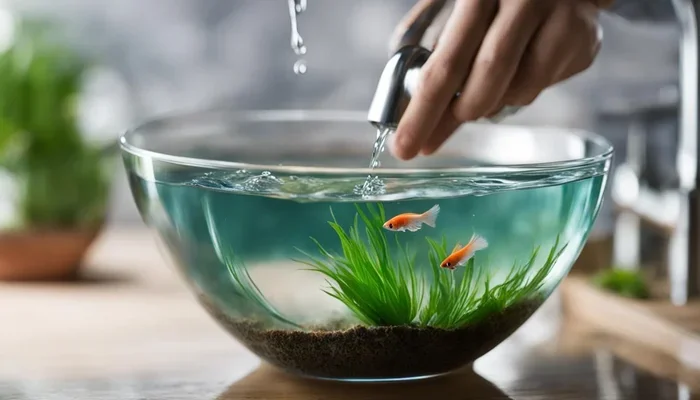
Visual guide about Can I Add Warm Water to a Betta Fish Tank
Image source: niniandblue.com
Most betta experts recommend changing 25-50% of the water once a week for smaller tanks (2-5 gallons), and 15-25% once a week for larger tanks (10+ gallons). The exact frequency and amount will depend on your tank size, whether you have a filter, and how heavily stocked your tank is.
Matching Temperature During Water Changes
When doing a water changes, it’s crucial that the new water you add is the same temperature as the existing tank water. This is where many beginners run into trouble. They take tap water that’s a different temperature and add it directly to the tank, causing a sudden temperature shift.
Here’s the right way to do it:
- Fill a clean bucket or container with the amount of water you need to replace.
- Add water conditioner to remove chlorine and chloramines.
- Let the water sit until it reaches room temperature, or use a heater to bring it up to tank temperature.
- Test the temperature with your aquarium thermometer. It should match your tank temperature within 1-2 degrees.
- Add the water slowly to the tank, pouring gently to avoid disturbing your betta too much.
If you want a more detailed walkthrough, check out our comprehensive guide on how to change the water in a betta fish tank. It covers everything from preparing the water to cleaning the substrate during a water change.
What If the New Water Is Too Cold?
If you’ve prepared your replacement water and it’s a few degrees cooler than your tank, don’t panic. You can gently warm it up before adding it. The safest way is to place the container of water in a warm area of your home, or to add a small amount of warmer water to bring the temperature up.
Never use boiling water or water straight from the kettle. This can create extreme temperature differences and may also introduce minerals or metals that are harmful to your betta. Always use treated water and bring the temperature up gradually.
Another option is to use a small aquarium heater in the bucket of replacement water. This is actually a great technique that many experienced fish keepers use. Just set the heater to match your tank temperature, and let the water warm up naturally before adding it.
Common Mistakes to Avoid
Pouring Water Too Quickly
One of the most common mistakes betta owners make is adding water too fast. Even if the temperature is correct, a sudden influx of water can create strong currents that stress your betta. Bettas prefer calm, still water, and they don’t do well in strong currents.
Always add water slowly and gently. Pour it onto a plate, saucer, or even a plastic bag floating on the surface to break the flow. This simple step can make a big difference in how your betta reacts to the water change.
Using Untreated Tap Water
Another frequent mistake is adding tap water without treating it first. Tap water contains chlorine, chloramines, and sometimes heavy metals like copper and lead. These substances are safe for humans but toxic to fish. They can burn your betta’s gills, damage its slime coat, and cause serious health problems.
Always use a water conditioner before adding tap water to your betta tank. Products like Seachem Prime, API Tap Water Conditioner, or Tetra AquaSafe are all excellent choices. They work instantly to neutralize harmful chemicals and make the water safe for your fish.
Ignoring the Thermometer
Guessing the temperature is never a good idea. Water that feels warm to your hand might actually be too hot for your betta, and water that feels cool might be dangerously cold. Human skin is not an accurate thermometer.
Always use an actual aquarium thermometer to test the water before adding it to your tank. It’s a small investment that can prevent big problems.
Making Drastic Temperature Changes
Even if you’re trying to correct a temperature problem, don’t make changes too quickly. If your tank is at 70°F and you want to bring it up to 78°F, don’t add 80°F water all at once. Instead, raise the temperature by 1-2 degrees at a time, waiting a few hours between each adjustment.
Rapid temperature changes are one of the leading causes of stress and illness in betta fish. Slow and steady is always the way to go.
Signs Your Betta Is Comfortable with the Water Temperature
Once you’ve added warm water or adjusted your tank temperature, how do you know if your betta is happy? Here are some signs that your betta is comfortable and healthy:
- Active swimming: A happy betta will swim around the tank actively, exploring its environment.
- Bright colors: Healthy bettas display vibrant, rich colors. If your betta looks pale or washed out, it might be stressed.
- Good appetite: A betta that’s eating regularly and enthusiastically is usually a healthy betta.
- Flared fins: Bettas occasionally flare their fins, which is a sign of confidence and good health.
- Bubble nest building: Male bettas sometimes build bubble nests at the surface, which is a sign they’re comfortable in their environment.
- Normal breathing: Your betta’s gills should move steadily and rhythmically, not rapidly or erratically.
If your betta is showing these signs after you’ve added warm water, you can feel confident that you did it correctly and your fish is doing well.
Frequently Asked Questions About Warm Water and Betta Tanks
Can I use hot water from the tap?
You can use warm water from the tap, but you should never use hot water directly from the tap. Hot water from your household pipes may contain higher levels of metals like copper and lead, which can leach from the pipes. It’s always safer to use cold tap water and warm it up yourself, or to mix hot and cold water to reach the desired temperature. Always treat the water with a conditioner before adding it to your tank.
What temperature is too hot for a betta?
Water temperatures above 86°F (30°C) are generally considered too hot for betta fish. At these temperatures, the water holds less oxygen, and your betta’s metabolism speeds up to an unhealthy rate. If your tank is consistently above 82°F, you should take steps to cool it down, such as turning off the heater, moving the tank to a cooler location, or using a small fan to blow across the water surface.
How long does it take for water to reach room temperature?
It typically takes 12-24 hours for tap water to reach room temperature when left in an open container. However, this can vary depending on the starting temperature of the water and the ambient room temperature. Always use a thermometer to verify the temperature rather than guessing based on time alone.
Conclusion
So, can you add warm water to a betta fish tank? Absolutely, yes! But the key is doing it safely and carefully. Always match the temperature of the new water to your tank water, test with a thermometer, add the water slowly, and monitor your betta afterward.
The best long-term solution for maintaining the right temperature is a quality aquarium heater. It takes the guesswork out of keeping your tank warm and provides a stable, consistent environment for your betta. Combine that with a reliable thermometer and regular water changes, and you’ll have a happy, healthy betta that thrives for years to come.
Remember, bettas are tropical fish that need warm, clean water to stay healthy. By paying attention to temperature and making gradual adjustments when needed, you’re giving your betta the best possible care. If you’re ever unsure about something, it’s always better to go slow and double-check than to rush and risk harming your fish.
Your betta depends on you to provide a safe, comfortable home. With a little knowledge and attention to detail, you can make sure your betta lives a long, vibrant, and happy life.
Frequently Asked Questions
Can I add warm water directly to my betta tank?
Yes, you can add warm water directly to your betta tank, but the temperature must match your tank water within 1-2 degrees. Always test the temperature with a thermometer before adding it, and pour the water in slowly to avoid stressing your betta.
What is the ideal water temperature for betta fish?
The ideal water temperature for betta fish is between 76°F and 82°F, with 78°F being the optimal temperature. Keeping your tank within this range helps your betta maintain a healthy metabolism, strong immune system, and vibrant colors.
How do I warm up my betta tank without a heater?
You can warm up your betta tank by adding small amounts of warm (not hot) treated water gradually over several hours. You can also place the tank in a warmer room or use a warm water bottle wrapped in a towel and floated on the surface temporarily. However, a proper aquarium heater is the most reliable long-term solution.
Can cold water kill a betta fish?
Yes, prolonged exposure to cold water can kill a betta fish. Water temperatures below 74°F can cause your betta’s immune system to weaken, making it vulnerable to diseases. Sudden drops in temperature can also cause temperature shock, which can be fatal.
How often should I check my betta tank temperature?
You should check your betta tank temperature at least once a day, especially if you don’t have a reliable heater. During the first few weeks after setting up your tank or installing a new heater, check it multiple times a day to ensure it’s working correctly.
Is it okay to use bottled water for my betta tank?
Bottled water can be used for betta tanks, but it’s not always the best choice. Some bottled water lacks essential minerals that bettas need, while others may have added minerals that aren’t ideal. If you use bottled water, choose spring water over distilled water, and always treat it appropriately before adding it to your tank.