Can Guppy Fish Live with Betta

Can guppy fish live with betta fish? It’s possible, but it’s risky and requires careful planning. Male bettas may see colorful guppies as rivals and attack them. Success depends on tank size, betta temperament, and proper setup. Many experienced aquarists recommend keeping them separate to avoid stress and injury. If you do try it, follow expert guidelines closely.
Key Takeaways
- It’s possible but risky: Guppies and bettas can sometimes coexist, but there’s no guarantee of success due to the betta’s territorial and aggressive nature.
- Male bettas are the biggest concern: Male bettas are more likely to attack guppies, especially fancy guppies with bright, flowing fins that resemble rival bettas.
- Tank size matters enormously: A minimum 20-gallon tank is recommended to give both species enough space and reduce territorial aggression.
- Female bettas are safer options: Female bettas are generally less aggressive than males and have a better chance of coexisting peacefully with guppies.
- Always have a backup plan: Be prepared to separate the fish immediately if aggression occurs, and never leave them unsupervised during the first few weeks.
- Water parameters are compatible: Both species thrive in similar water conditions (76–82°F, pH 6.8–7.5), which is one reason people consider housing them together.
- Not all bettas have the same temperament: Some bettas are naturally more docile, while others are extremely aggressive — individual personality plays a huge role in compatibility.
📑 Table of Contents
- Can Guppy Fish Live with Betta? The Complete Guide
- Understanding Betta Fish Temperament
- Why Guppies Can Be a Problem for Bettas
- Tank Requirements for Housing Guppies and Bettas Together
- Which Combinations Work Best?
- How to Introduce Guppies to a Betta Tank
- Risks and Potential Problems
- Alternatives to Guppies for Betta Tank Mates
- Expert Tips for Success
- Frequently Asked Questions
- Final Verdict: Should You Keep Guppies and Bettas Together?
Can Guppy Fish Live with Betta? The Complete Guide
If you’ve ever wandered through a pet store and admired the dazzling colors of both betta fish and guppies, you’ve probably wondered: can guppy fish live with betta? It’s one of the most common questions in the freshwater aquarium hobby, and honestly, it’s a great question to ask. Both species are stunning, relatively easy to care for, and popular among beginners and experienced fish keepers alike.
But here’s the thing — just because two fish are both beautiful doesn’t mean they’ll be best friends in the same tank. Betta fish, especially males, have a reputation for being territorial and aggressive. Guppies, on the other hand, are peaceful, social fish with flashy fins that can trigger a betta’s fighting instincts. So, can these two species actually share a home? The answer is yes, but with significant caveats.
In this comprehensive guide, we’ll break down everything you need to know about keeping guppies and bettas together. We’ll cover the risks, the ideal tank setup, which combinations work best, warning signs to watch for, and expert tips to give you the best chance of success. Let’s dive in!
Understanding Betta Fish Temperament
Why Are Bettas So Aggressive?
To understand whether guppy fish can live with betta fish, you first need to understand what makes bettas tick. Betta splendens, commonly known as Siamese fighting fish, were originally bred in Thailand for fish fighting competitions. Yes, you read that right — they were literally bred to fight. This genetic background means that many bettas, particularly males, have a strong territorial instinct.
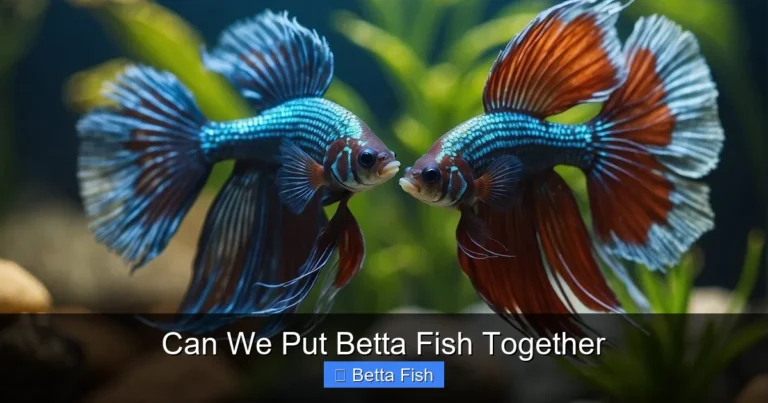
Male bettas are especially prone to aggression. In the wild, they establish and defend territories against other male bettas. They flare their gills, spread their fins, and attack anything they perceive as a rival. This behavior doesn’t disappear just because they’re in a home aquarium. When a betta sees another fish with bright colors and flowing fins — like a fancy guppy — it may instinctively view that fish as a competitor.
Not All Bettas Are the Same
That said, not every betta is a raging ball of fury. Just like people, bettas have individual personalities. Some male bettas are surprisingly docile and may ignore tank mates entirely. Others will attack anything that moves. Female bettas tend to be less aggressive overall, which is why many aquarists have better luck pairing female bettas with guppies.
The key takeaway here is that betta temperament is unpredictable. You won’t know how your betta will react to guppies until you try — and by then, it might be too late. This uncertainty is the biggest reason why many experienced fish keepers advise against mixing the two species.
Why Guppies Can Be a Problem for Bettas
The Fin Factor
Guppies are gorgeous fish. Their flowing, colorful tails are part of what makes them so popular. But those beautiful fins are exactly what can get them into trouble with a betta. To a male betta, a guppy’s tail looks remarkably similar to the fins of another betta. This visual trigger can cause the betta to attack the guppy, sometimes with fatal results.
Fancy guppies with long, elaborate tails are the most at risk. Male guppies tend to have the flashiest fins, making them the primary targets. Female guppies, which have shorter, less colorful tails, are generally safer around bettas — though they’re not completely risk-free.
Guppy Behavior and Activity Levels
Guppies are active, fast-swimming fish that love to zip around the tank. This constant movement can stress out a betta, especially in a smaller tank where the betta can’t escape the guppies’ energy. Bettas prefer calmer environments and may become agitated by the guppies’ hyperactive swimming patterns.
Additionally, guppies are schooling fish. They feel most comfortable in groups of five or more. A group of guppies swimming together can create a lot of visual stimulation in the tank, which may overwhelm or irritate a betta. It’s a bit like trying to relax in a quiet room while a group of energetic kids runs around — eventually, you’re going to get annoyed.
Tank Requirements for Housing Guppies and Bettas Together
Size Matters More Than Anything
If you’re determined to try keeping guppy fish with betta fish, tank size is the single most important factor. A small 5-gallon tank is absolutely out of the question. You need a minimum of 20 gallons, and honestly, 30 gallons or larger is even better.
Why so big? Because space is the best tool you have for reducing aggression. In a larger tank, guppies can swim away from the betta, and the betta can establish a territory without feeling the need to defend every inch of the aquarium. A cramped tank forces the fish into close proximity, which dramatically increases the chances of conflict.
Creating a Safe Environment
Beyond size, the layout of your tank plays a crucial role. You want to create plenty of hiding spots and visual barriers so that both species can retreat when needed. Here’s what to include:
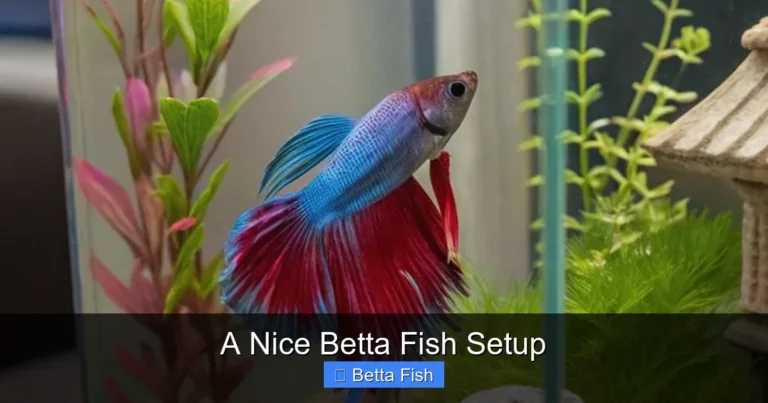
- Live or silk plants: Dense planting provides cover and breaks up sight lines. Plants like java fern, anubias, and hornwort are excellent choices. Avoid plastic plants, as they can tear a betta’s delicate fins.
- Caves and decorations: Add caves, driftwood, and rock formations to create hiding spots. Guppies especially appreciate having places to retreat if the betta gets aggressive.
- Floating plants: Bettas love floating plants like frogbit or water lettuce. These provide shade and make bettas feel secure near the surface.
- Territory dividers: Some aquarists use tank dividers to give the betta its own section while still allowing water flow throughout the tank.
Water Parameters
The good news is that guppies and bettas have very similar water requirements, which is one reason people consider keeping them together. Here’s what both species prefer:
- Temperature: 76–82°F (24–28°C)
- pH: 6.8–7.5
- Water hardness: Bettas prefer softer water, while guppies can tolerate slightly harder conditions. Aim for a middle ground.
- Filtration: Use a gentle filter. Bettas don’t like strong currents, and guppies are small enough to be stressed by powerful filters.
Maintaining clean, stable water conditions is essential for both species. Poor water quality stresses fish and can make aggression worse. Perform regular water changes (25% weekly) and monitor ammonia, nitrite, and nitrate levels closely.
Which Combinations Work Best?
Female Betta with Guppies
If you’re going to try this combination, a female betta with guppies is your best bet. Female bettas are generally less aggressive than males and are more likely to tolerate tank mates. They still have territorial instincts, but they’re usually less intense.
Even with a female betta, you should still follow all the guidelines we’ve discussed — large tank, plenty of plants, and close monitoring. Female bettas can still be aggressive, especially if they feel threatened or if the tank is too small.
Male Betta with Female Guppies
Another option that sometimes works is pairing a male betta with female guppies only. Female guppies have shorter, less colorful tails, which makes them less likely to trigger the betta’s aggression. Without flashy male guppies in the tank, the betta may be more tolerant.
However, be aware that guppies breed very easily. If you keep male and female guppies together, you’ll quickly have a tank full of baby guppies. The increased population can stress the betta and lead to aggression. If you go this route, consider keeping only female guppies to prevent breeding.
Avoid Male Betta with Male Guppies
This is the combination most likely to end in disaster. A male betta paired with male fancy guppies is a recipe for conflict. The guppies’ bright colors and flowing fins will almost certainly trigger the betta’s territorial instincts. If you value the safety of your fish, avoid this combination entirely.
How to Introduce Guppies to a Betta Tank
Step-by-Step Introduction Process
If you’ve decided to try keeping guppy fish with betta fish, the introduction process is critical. Don’t just dump the guppies into the betta’s tank and hope for the best. Follow these steps:
- Set up the tank first: Make sure your tank is fully cycled, planted, and decorated before adding any fish. The betta should be established in the tank for at least a week before guppies are introduced.
- Add the guppies first (alternative method): Some aquarists prefer adding the guppies to the tank first, then introducing the betta. This can reduce the betta’s territorial behavior since the tank isn’t “theirs” yet.
- Use a quarantine container: Place the guppies in a clear container or breeder box inside the tank for 30–60 minutes. This allows the betta to see the guppies without being able to attack them. Watch the betta’s reaction closely.
- Release and observe: If the betta doesn’t show extreme aggression during the quarantine period, release the guppies and watch carefully for the next several hours.
- Monitor continuously: For the first week, check on the fish multiple times a day. Look for signs of chasing, nipping, or stress.
Warning Signs to Watch For
During the introduction period and beyond, watch for these red flags:
- Flaring: The betta spreads its gills and fins to appear larger. This is a threat display.
- Chasing: The betta actively pursues the guppies around the tank.
- Nipping: The betta bites the guppies’ fins. Even small nips can lead to infection and serious injury.
- Guppies hiding: If the guppies spend all their time hiding and won’t come out to eat, they’re too stressed.
- Clamped fins on guppies: Guppies that keep their fins clamped close to their body are stressed or frightened.
- Loss of color: Stressed fish often lose their vibrant coloration.
If you notice any of these signs, separate the fish immediately. It’s better to have two peaceful, separate tanks than one tank full of stressed and injured fish.
Risks and Potential Problems
Injury and Death
The most obvious risk of keeping guppy fish with betta fish is physical harm. Bettas have sharp teeth and can inflict serious damage on guppies. Torn fins, bite wounds, and even death are real possibilities. Guppies are small and fragile compared to bettas, and they may not survive an attack.
Even if the betta doesn’t kill the guppies outright, injuries can lead to infections like fin rot, which can be fatal if left untreated. Always keep a hospital tank or quarantine setup ready in case you need to separate and treat an injured fish.
Chronic Stress
Even if the betta doesn’t physically attack the guppies, the mere presence of a predator can cause chronic stress. Stressed fish have weakened immune systems, making them more susceptible to diseases like ich, fin rot, and bacterial infections. A stressed guppy may stop eating, lose color, and eventually die — not from a bite, but from the constant fear of being attacked.
Chronic stress also affects the betta. A betta that’s constantly on high alert, patrolling its territory and chasing guppies, is a stressed betta. This can lead to a shortened lifespan and a lower quality of life.
Competition for Food
Guppies are fast, aggressive eaters. Bettas are slower, more deliberate feeders. In a community tank, guppies may eat all the food before the betta gets a chance. This can lead to malnutrition for the betta, especially if you’re not careful about feeding strategies.
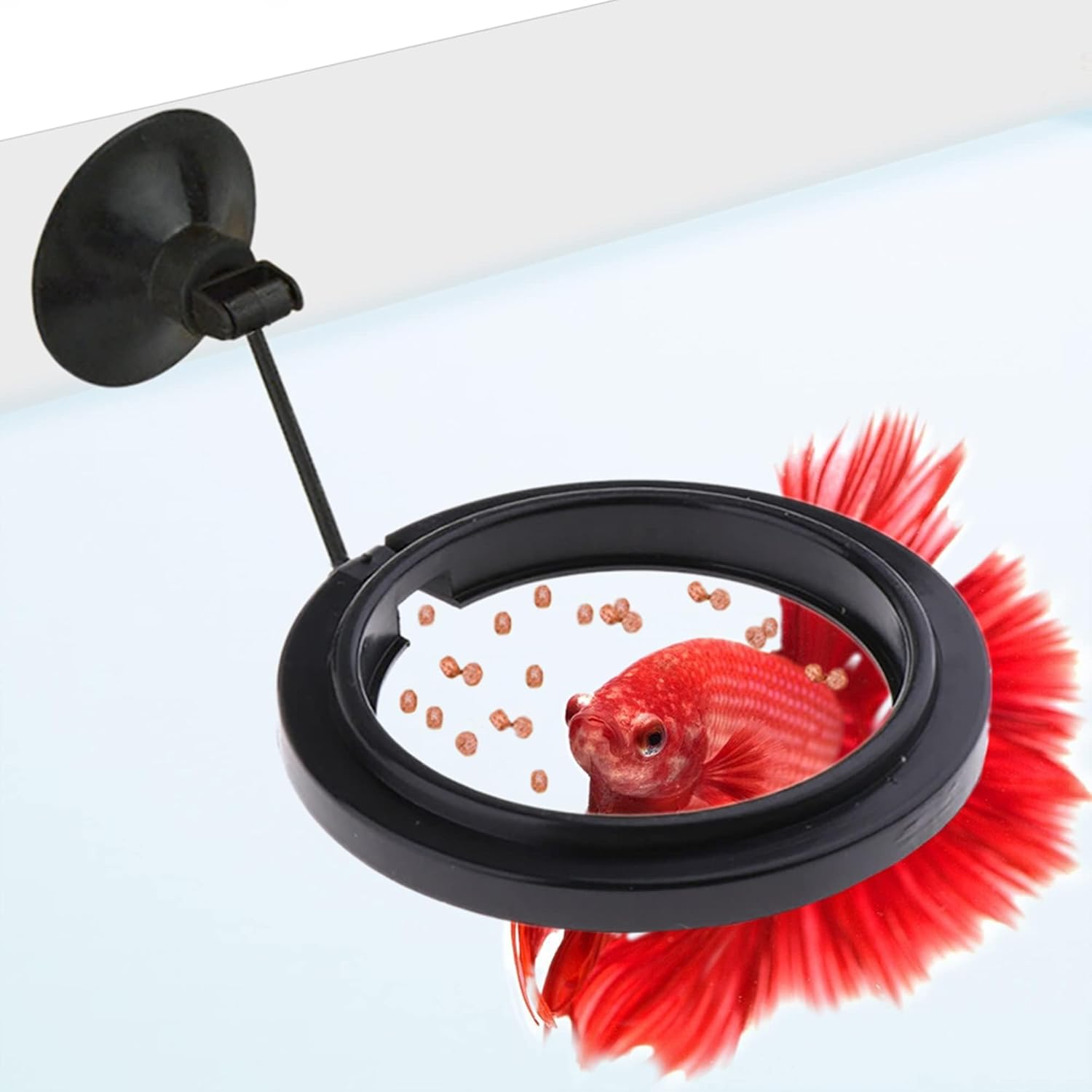
To prevent this, try feeding the betta and guppies in different areas of the tank. You can use a feeding ring for the betta or distract the guppies with food on one side while feeding the betta on the other.
Alternatives to Guppies for Betta Tank Mates
Safer Options to Consider
If the risks of keeping guppy fish with betta fish seem too high — and honestly, they might be — there are plenty of other tank mate options that are much safer. If you’re wondering what other fish can live with betta fish, here are some excellent alternatives:
- Ember tetras: Small, peaceful, and not flashy enough to trigger betta aggression.
- Harlequin rasboras: Calm schooling fish that stay in the middle of the tank.
- Corydoras catfish: Bottom dwellers that mind their own business and help clean the tank.
- Kuhli loaches: Peaceful, nocturnal fish that spend most of their time hiding.
- Neon tetras: Small and fast enough to avoid bettas, though they can sometimes be nippy.
You might also consider keeping shrimp with your betta or adding snails to the tank. Both are excellent cleanup crew members and generally safe with bettas, though some bettas may try to eat smaller shrimp.
When to Keep Bettas Alone
Sometimes, the best decision is to keep your betta in a species-only tank. Bettas are perfectly happy living alone, and many actually thrive without tank mates. A well-decorated 10-gallon tank with clean water, good food, and plenty of enrichment can provide everything a betta needs to live a long, healthy life.
If your betta has a particularly aggressive temperament, don’t force the issue. There’s no shame in keeping a betta solo. In fact, it’s often the kindest thing you can do for both the betta and any potential tank mates.
Expert Tips for Success
Start with a Proven Docile Betta
If you’re shopping specifically for a betta to keep with guppies, spend time observing the fish at the store. Look for a betta that seems calm and curious rather than one that’s flaring at everything that moves. Ask the store staff if they’ve noticed any particularly docile individuals. While there’s no guarantee, starting with a calm betta gives you a better chance of success.
Have a Backup Tank Ready
This is non-negotiable. Before you even attempt to introduce guppies to a betta tank, make sure you have a separate, cyclized tank ready to go. If things go wrong — and they might — you need to be able to separate the fish immediately. A 10-gallon tank with a heater and filter is ideal for a backup setup.
Feed Well and Frequently
A well-fed betta is less likely to view guppies as competition or prey. Feed your betta a varied, high-quality diet including pellets, frozen bloodworms, and brine shrimp. A betta that’s getting plenty of nutrition is generally calmer and less aggressive.
Rearrange the Tank Before Introduction
Before adding guppies to a betta’s tank, rearrange the decorations and plants. This disrupts the betta’s established territory and makes the tank feel “new” to both fish. It’s a simple trick that can significantly reduce territorial aggression.
Be Patient and Realistic
Even with perfect conditions, there’s no guarantee that your betta and guppies will get along. Be prepared for the possibility that you’ll need to keep them separate permanently. Don’t get so attached to the idea of a community tank that you risk the health and safety of your fish.
Frequently Asked Questions
Can guppy fish live with betta in a 10-gallon tank?
A 10-gallon tank is too small for housing guppies and bettas together. The limited space increases the likelihood of aggression and doesn’t give the guppies enough room to escape. If you want to try this combination, use at least a 20-gallon tank, though 30 gallons is even better.
Will a betta kill a guppy?
Yes, a betta can kill a guppy, especially if the betta is aggressive and the guppy has bright, flowing fins. Male bettas are the most dangerous, but even female bettas can injure or kill guppies. Always monitor the fish closely and be ready to separate them if needed.
Can female bettas live with guppies?
Female bettas are generally more tolerant of tank mates than males, so they have a better chance of coexisting with guppies. However, success is not guaranteed, and you should still follow all the guidelines for tank size, setup, and monitoring.
How many guppies should I keep with a betta?
If you’re keeping guppies with a betta, aim for a group of at least 5–6 guppies. Guppies are schooling fish and feel safer in groups. A larger group also distributes the betta’s attention, reducing the chance that one guppy will be singled out for aggression.
What should I do if my betta attacks my guppies?
Separate the fish immediately. Remove the guppies to a separate tank or use a tank divider. Assess any injuries and treat them promptly. Once separated, do not attempt to reintroduce the fish. It’s best to keep them in separate tanks permanently.
Final Verdict: Should You Keep Guppies and Bettas Together?
So, can guppy fish live with betta fish? The honest answer is: sometimes, but it’s not recommended for most people. While it’s technically possible under the right conditions — a large tank, a docile betta, plenty of hiding spots, and careful monitoring — the risks are significant. Many experienced aquarists have tried this combination and ended up with injured or dead guppies.
If you’re a beginner, the safest choice is to keep your betta in a species-only tank or choose more compatible tank mates like ember tetras, corydoras, or snails. If you’re an experienced fish keeper with a large, well-planted tank and a backup plan, you might have better luck — but always prioritize the well-being of your fish over the desire for a community tank.
At the end of the day, the question isn’t just “can guppy fish live with betta?” — it’s “should they?” And in most cases, the answer is no. Your fish will be healthier, happier, and safer in separate, species-appropriate setups. But if you do decide to try, follow the guidelines in this article, stay vigilant, and always be ready to separate them at the first sign of trouble.
Frequently Asked Questions
Can guppy fish live with betta fish?
Guppies and bettas can sometimes coexist, but it’s risky. Male bettas may attack guppies due to their bright, flowing fins. Success depends on tank size, betta temperament, and careful monitoring. Many experts recommend keeping them separate.
What size tank do I need to keep guppies and bettas together?
You need a minimum 20-gallon tank, though 30 gallons or larger is better. A larger tank gives guppies room to escape and reduces the betta’s territorial behavior. Small tanks dramatically increase the risk of aggression and injury.
Are female bettas safer with guppies than male bettas?
Yes, female bettas are generally less aggressive than males and have a better chance of coexisting peacefully with guppies. However, they can still be territorial, so the same precautions apply — large tank, plenty of plants, and close observation.
What are the signs that my betta is attacking my guppies?
Watch for flaring, chasing, fin nipping, guppies hiding constantly, clamped fins, and loss of color. If you notice any of these signs, separate the fish immediately to prevent serious injury or death.
Can I keep male guppies with a male betta?
This is the most dangerous combination and should be avoided. Male guppies have bright colors and flowing fins that closely resemble rival bettas, almost certainly triggering aggressive behavior. The risk of injury or death is very high.
What are safer alternatives to guppies as betta tank mates?
Safer options include ember tetras, harlequin rasboras, corydoras catfish, kuhli loaches, and neon tetras. Shrimp and snails are also excellent choices. These species are less likely to trigger betta aggression and are more compatible in community settings.