Can Betta Fish Remember Things
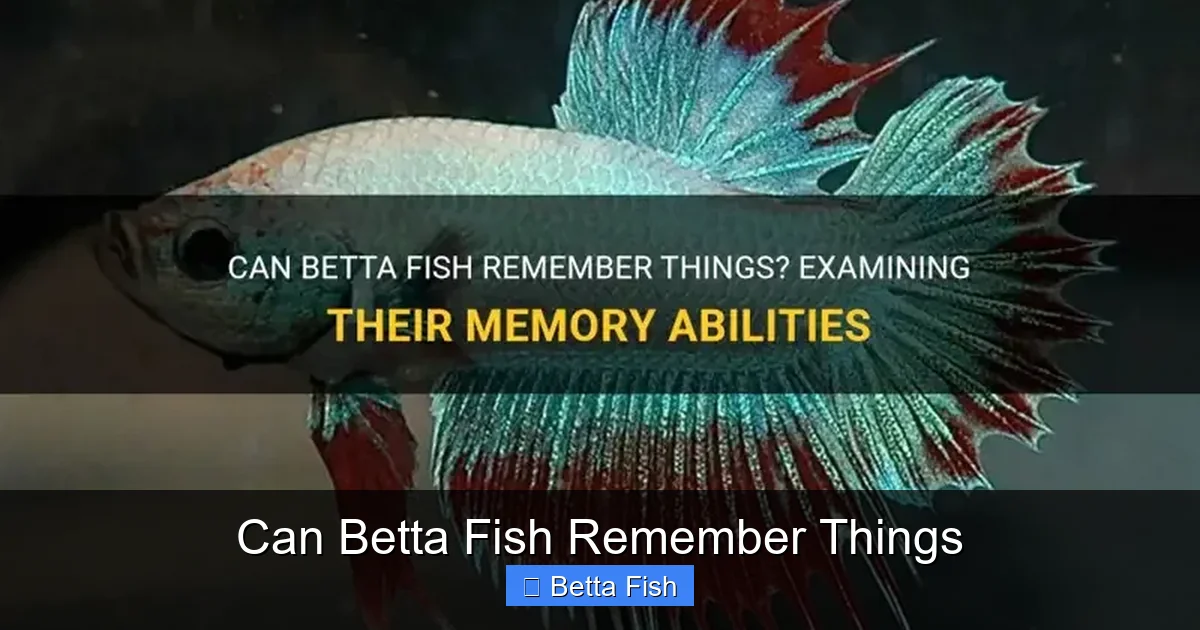
Yes, betta fish can remember things far longer than most people realize. Scientific research and real-world observations show that betta fish have a memory span of several months, not just a few seconds. They can recognize their owners, learn feeding routines, remember tank layouts, and even respond to training. Understanding how betta fish memory works can help you build a stronger bond with your aquatic pet and provide better care.
Key Takeaways
- Betta fish memory lasts months, not seconds: Research shows betta fish can remember things for at least five months, debunking the myth that fish have only a three-second memory.
- They recognize their owners: Betta fish can distinguish between different people and often react differently to their primary caregiver compared to strangers.
- Betta fish can be trained: With patience and consistency, betta fish can learn to follow targets, swim through hoops, and respond to feeding cues.
- They remember feeding schedules: Bettas quickly learn when it is feeding time and will often gather at the surface or front of the tank in anticipation.
- Environmental enrichment supports memory: A well-decorated tank with plants, caves, and hiding spots helps betta fish stay mentally active and engaged.
- Stress negatively affects memory: Poor water conditions, overcrowding, or aggressive tank mates can impair a betta fish’s cognitive abilities and overall well-being.
- Social interactions leave lasting impressions: Betta fish remember other fish they have encountered, especially those they have had aggressive encounters with.
📑 Table of Contents
- Can Betta Fish Remember Things? The Truth About Betta Memory
- The Science Behind Betta Fish Memory
- What Can Betta Fish Remember?
- Can Betta Fish Be Trained?
- Factors That Affect Betta Fish Memory
- How to Keep Your Betta Fish Mentally Stimulated
- Common Misconceptions About Betta Fish Intelligence
- Building a Strong Relationship With Your Betta Fish
- Conclusion
Can Betta Fish Remember Things? The Truth About Betta Memory
If you have ever heard someone say that fish only remember things for three seconds, you are not alone. This myth has been around for decades. But here is the exciting part. Betta fish can remember things for months. That is right. Your betta is not swimming around in a fog of forgetfulness. These colorful, intelligent creatures have a surprisingly strong memory that continues to amaze researchers and fish keepers alike.
Understanding how betta fish memory works is more than just a fun fact. It can completely change the way you care for your pet. When you know that your betta remembers routines, recognizes your face, and responds to training, you start to see them in a whole new light. They are not just beautiful decorations in a tank. They are smart, aware animals capable of forming associations and learning from their environment.
In this article, we will dive deep into the science behind betta fish memory. We will explore what they can remember, how long their memory lasts, and what you can do to keep your betta mentally stimulated. Whether you are a new betta owner or a seasoned fish keeper, this guide will give you fascinating insights into the mind of your betta fish.
The Science Behind Betta Fish Memory
Debunking the Three-Second Memory Myth
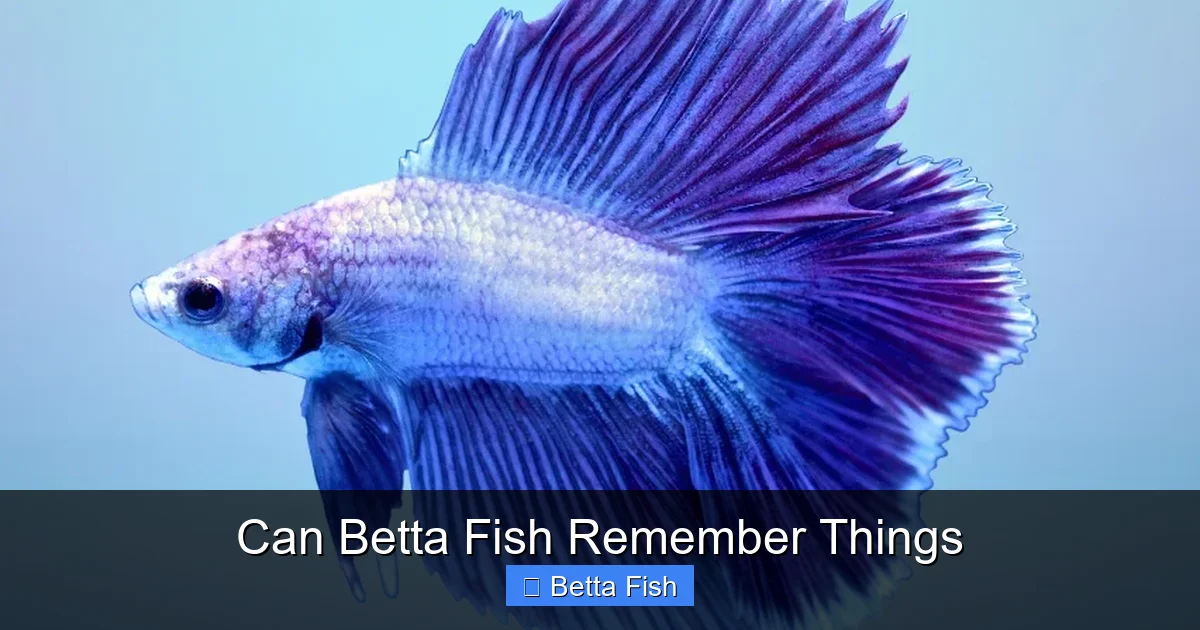
The idea that fish have a three-second memory has been repeated so often that many people accept it as fact. However, this claim has no scientific basis. Studies conducted on various fish species, including betta fish, have consistently shown that fish are capable of retaining information for extended periods. In one well-known study, researchers trained fish to associate a specific sound with feeding time. The fish remembered the association for at least five months after the training stopped.
Visual guide about Can Betta Fish Remember Things
Image source: animals.in.net
Another study focused specifically on betta fish demonstrated that they could remember the layout of their environment and navigate mazes with impressive accuracy. These findings prove that betta fish memory is far more sophisticated than the outdated myth suggests. The truth is that betta fish have both short-term and long-term memory, much like many other animals.
How Betta Fish Brains Work
Betta fish have relatively small brains compared to mammals, but their brains are highly efficient. The areas responsible for learning and memory in fish are different from those in humans, but they serve similar functions. The telencephalon in a fish brain is associated with memory formation and spatial awareness. In betta fish, this region is well-developed, which helps explain their ability to learn and remember.
Fish also rely heavily on their senses to form memories. Betta fish have excellent eyesight and can see colors vividly. They also have a strong sense of smell and can detect chemical signals in the water. These sensory inputs help them create detailed mental maps of their environment and remember important information, such as where food is located or which areas of the tank are safe.
What Can Betta Fish Remember?
Recognizing Their Owners
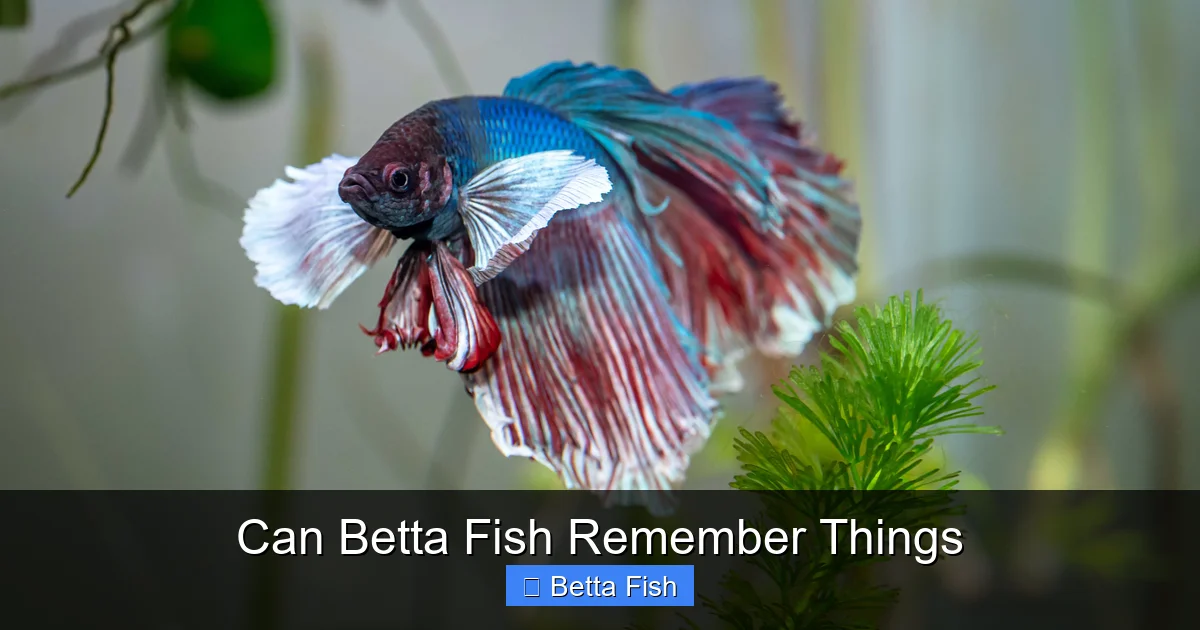
One of the most exciting discoveries about betta fish memory is that they can recognize their owners. Many betta keepers report that their fish swim to the front of the tank when they approach, while ignoring other people who walk by. This behavior is not random. Betta fish can distinguish between different human faces and associate specific people with positive experiences, such as feeding.
Visual guide about Can Betta Fish Remember Things
Image source: worldanimalprotection.us
If you spend time near your betta tank each day, your fish will begin to recognize you. You might notice your betta following your movements along the glass or becoming more active when you are nearby. This is a clear sign that your betta remembers you and associates your presence with food and care. Some betta owners even notice that their fish react differently to strangers, sometimes hiding or displaying less enthusiasm.
Feeding Routines and Schedules
Betta fish are creatures of habit, and they quickly learn their feeding schedule. If you feed your betta at the same time each day, you will likely notice that your fish starts to gather near the feeding area in anticipation. This behavior demonstrates that betta fish can remember time-based patterns and associate specific times of day with food.
This ability to remember routines is not just a neat trick. It is a survival mechanism. In the wild, betta fish need to remember where and when food is available. This instinct carries over to captive bettas, making them surprisingly good at keeping track of their daily schedule. If you accidentally feed your betta late one day, you might notice them swimming around restlessly near the surface, waiting for their expected meal.
Tank Layout and Environment
Betta fish also remember the layout of their tank. They learn where their favorite hiding spots are, which areas have the best water flow, and where they like to rest. If you rearrange the decorations in your betta tank, you might notice your fish exploring the new layout carefully. Over time, they will create a new mental map of their environment.
This spatial memory is especially important for betta fish because they are territorial animals. In the wild, male betta fish establish and defend specific territories. They need to remember the boundaries of their territory and the locations of potential threats. This territorial memory is why betta fish can become stressed when their environment changes suddenly. They rely on familiar surroundings to feel secure.
Can Betta Fish Be Trained?
Simple Training Techniques
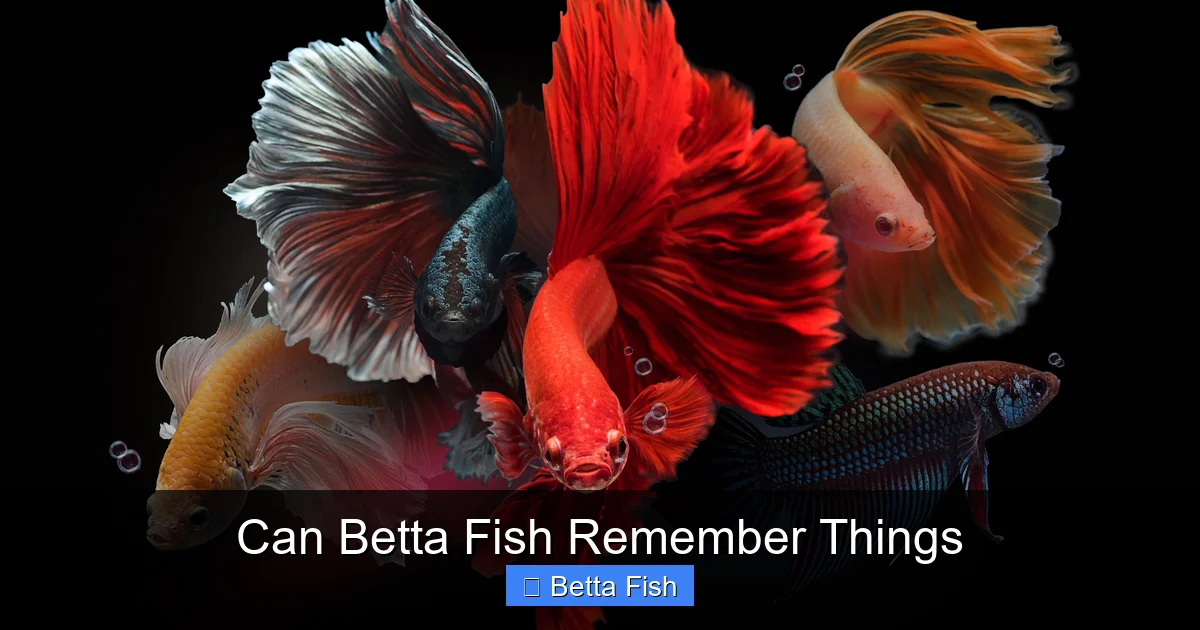
Yes, betta fish can absolutely be trained. While they may not fetch a ball like a dog, betta fish are capable of learning simple behaviors through positive reinforcement. The key is patience and consistency. Here are some training techniques you can try with your betta.
Visual guide about Can Betta Fish Remember Things
Image source: facts.net
Target training: Use a small stick or your finger as a target. Place it near the water surface and reward your betta with a treat when they swim toward it. Over time, your betta will learn to follow the target. This is a great way to mentally stimulate your fish and build a bond with them.
Hoop swimming: You can purchase or make small hoops for your betta to swim through. Start by holding the hoop near your betta and rewarding them when they swim closer. Gradually increase the difficulty by requiring them to swim through the hoop to get the treat.
Feeding cues: Create a specific sound or visual cue before feeding your betta. For example, you could tap the glass gently or use a small flashlight. Over time, your betta will associate the cue with food and respond accordingly.
How Long Does Training Take?
The amount of time it takes to train a betta fish varies depending on the individual fish and the complexity of the behavior. Some bettas learn quickly within a few days, while others may take a couple of weeks. The most important factor is consistency. Short, daily training sessions of five to ten minutes are more effective than long, infrequent sessions.
It is also important to keep training sessions positive. Never punish your betta for not performing correctly. Instead, reward them generously when they succeed. Betta fish respond best to food treats, such as freeze-dried bloodworms or brine shrimp. These high-value rewards motivate your betta to participate and learn.
Factors That Affect Betta Fish Memory
Water Quality and Health
Just like humans, betta fish need a healthy environment to function at their best. Poor water quality can have a significant impact on your betta’s memory and cognitive abilities. Ammonia, nitrite, and high nitrate levels can stress your fish and impair their brain function. Regular water changes and proper filtration are essential for maintaining good water quality.
If you are wondering about the best setup for your betta, you might want to read about whether betta fish can live in a small bowl. The size and setup of your betta’s home play a crucial role in their overall health and mental well-being.
Stress and Its Impact on Memory
Stress is one of the biggest enemies of betta fish memory. When a betta fish is stressed, their body releases hormones that can interfere with memory formation and recall. Common sources of stress for betta fish include aggressive tank mates, sudden changes in water temperature, loud noises, and lack of hiding spots.
If you are considering adding tank mates to your betta’s home, it is important to choose compatible species. You can learn more about what other fish can live with betta fish to ensure a peaceful community tank. A stressed betta will not be able to learn or remember things as well as a calm, comfortable one.
Age and Memory
Like all animals, betta fish memory can be affected by age. Younger betta fish tend to learn faster and retain information better than older ones. However, older bettas can still learn new things and remember familiar routines. Providing mental stimulation throughout your betta’s life can help keep their mind sharp and slow down age-related cognitive decline.
How to Keep Your Betta Fish Mentally Stimulated
Enrichment Ideas for Your Betta Tank
Keeping your betta fish mentally stimulated is one of the best things you can do for their health and happiness. A bored betta is more likely to become stressed, lethargic, and prone to illness. Here are some great ways to enrich your betta’s environment.
- Add live or silk plants: Plants provide hiding spots and make the tank feel more natural. Bettas love to explore and rest on plant leaves near the surface.
- Include caves and tunnels: Betta fish enjoy having places to hide and explore. Caves, tunnels, and other decorations give them a sense of security.
- Use a mirror occasionally: Placing a small mirror outside the tank for a few minutes can stimulate your betta’s natural territorial behavior. However, do not leave the mirror in place for too long, as prolonged exposure can cause stress.
- Change the tank layout periodically: Rearranging decorations every few weeks gives your betta new things to explore and keeps their mind active.
- Offer varied foods: Feeding your betta a diverse diet of pellets, frozen foods, and live treats provides both nutritional and mental enrichment.
Interactive Play and Bonding
Spending time interacting with your betta fish is one of the best ways to strengthen your bond and keep them mentally engaged. You can use a finger or a small object to guide your betta around the tank. Many bettas enjoy chasing a target and will eagerly follow your finger along the glass.
Feeding time is also a great opportunity for interaction. Instead of simply dropping food into the tank, try holding a treat near the surface and letting your betta come to you. This builds trust and reinforces the positive association between you and food. Over time, your betta will look forward to these interactions and become more responsive to your presence.
Common Misconceptions About Betta Fish Intelligence
Bettas Are Not Just Pretty Fish
Many people underestimate betta fish because of their small size and the fact that they are often kept in small tanks or bowls. However, betta fish are remarkably intelligent for their size. They can learn, remember, and adapt to their environment in ways that surprise even experienced fish keepers.
One common misconception is that betta fish are simple creatures that do not need mental stimulation. This could not be further from the truth. Bettas are curious, active fish that thrive in enriched environments. Without adequate stimulation, they can become bored and develop behavioral issues, such as fin biting or excessive aggression.
Memory Myths Debunked
Another myth is that betta fish forget things almost instantly. As we have discussed, this is completely false. Betta fish can remember people, routines, and environmental layouts for months. They can also remember negative experiences, such as encounters with aggressive tank mates. This is why it is so important to provide a stress-free environment for your betta.
Some people also believe that betta fish do not have personalities. In reality, every betta fish has a unique personality. Some are bold and outgoing, while others are shy and reserved. These personality traits are a reflection of your betta’s individual experiences and memories. Getting to know your betta’s personality is one of the most rewarding aspects of keeping these amazing fish.
Building a Strong Relationship With Your Betta Fish
Consistency Is Key
Building a strong relationship with your betta fish requires consistency. Feed them at the same time each day, maintain a regular cleaning schedule, and spend time near their tank daily. Your betta will learn to recognize you and associate your presence with positive experiences. Over time, this consistency builds trust and strengthens your bond.
Reading Your Betta’s Body Language
Understanding your betta’s body language is essential for building a strong relationship. A happy, comfortable betta will display vibrant colors, active swimming, and flared gills when they see you. A stressed or unhappy betta may have clamped fins, dull colors, or hide frequently. By paying attention to these signals, you can adjust your care routine to better meet your betta’s needs.
If your betta’s fins appear damaged or clamped, you might want to learn about whether betta fish fins can grow back. Fin health is often an indicator of overall well-being, and understanding how to support fin recovery can help you provide better care for your betta.
Conclusion
So, can betta fish remember things? The answer is a resounding yes. Betta fish have a remarkable memory that allows them to recognize their owners, remember feeding schedules, navigate their environment, and even learn simple tricks. Their memory lasts for months, not seconds, and they are far more intelligent than most people give them credit for.
Understanding betta fish memory opens up a whole new world of possibilities for fish keepers. By providing a stimulating environment, maintaining consistent routines, and spending quality time with your betta, you can build a meaningful relationship with your aquatic companion. Your betta is not just a beautiful fish in a tank. They are a smart, aware creature capable of learning, remembering, and bonding with you.
The next time someone tells you that fish have a three-second memory, you can confidently share what you have learned. Betta fish are living proof that intelligence comes in all shapes and sizes. Treat your betta with the respect and care they deserve, and you will be rewarded with a fascinating, interactive pet that brings joy to your life every single day.
Frequently Asked Questions
How long can a betta fish remember things?
Betta fish can remember things for at least five months, according to scientific studies. They are capable of forming long-term memories related to feeding routines, tank layouts, and even recognizing specific people who care for them.
Can betta fish recognize their owners?
Yes, betta fish can recognize their owners. They can distinguish between different people and often show more excitement and activity when their primary caregiver approaches the tank compared to strangers.
Can you train a betta fish?
Absolutely. Betta fish can be trained using positive reinforcement techniques. They can learn to follow targets, swim through hoops, and respond to feeding cues. Short, daily training sessions of five to ten minutes work best.
Do betta fish remember other fish?
Yes, betta fish can remember other fish they have encountered. They are territorial animals and will remember both friendly and aggressive interactions with other fish, which can influence their behavior in future encounters.
Does water quality affect betta fish memory?
Poor water quality can significantly impair a betta fish’s memory and cognitive abilities. High levels of ammonia, nitrite, or nitrate cause stress, which interferes with memory formation and recall. Regular water changes and proper filtration are essential.
How can I keep my betta fish mentally stimulated?
You can keep your betta mentally stimulated by adding plants, caves, and tunnels to their tank, changing the layout periodically, offering varied foods, and spending time interacting with them daily. Occasional mirror exposure can also provide enrichment, but only for short periods.