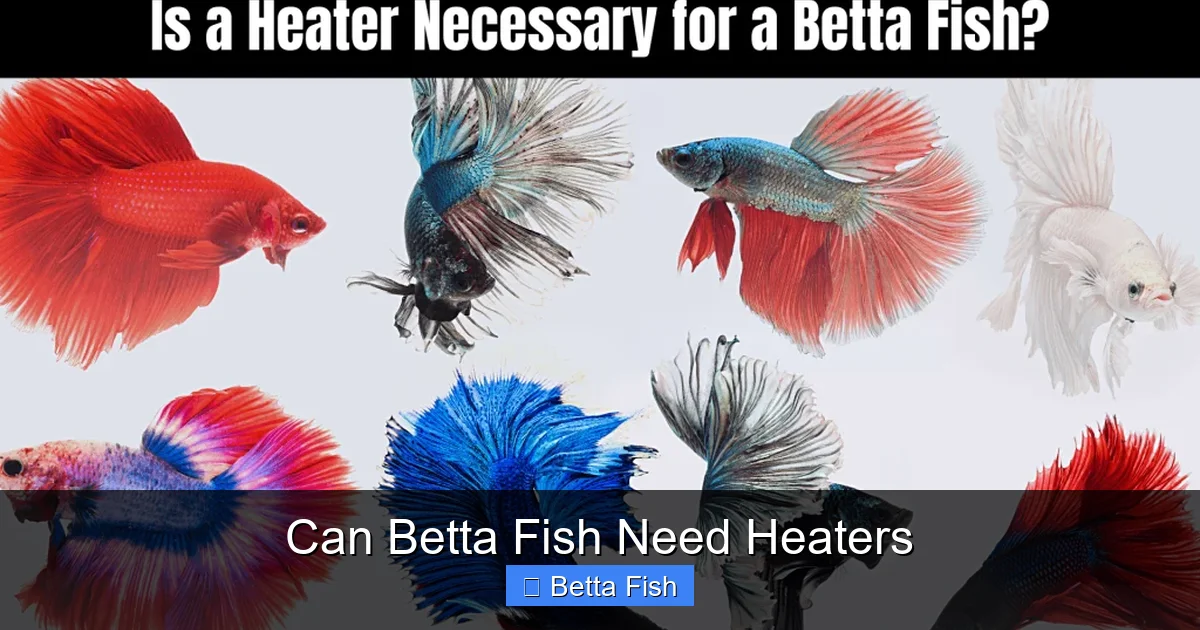
Can Betta Fish Need Heaters
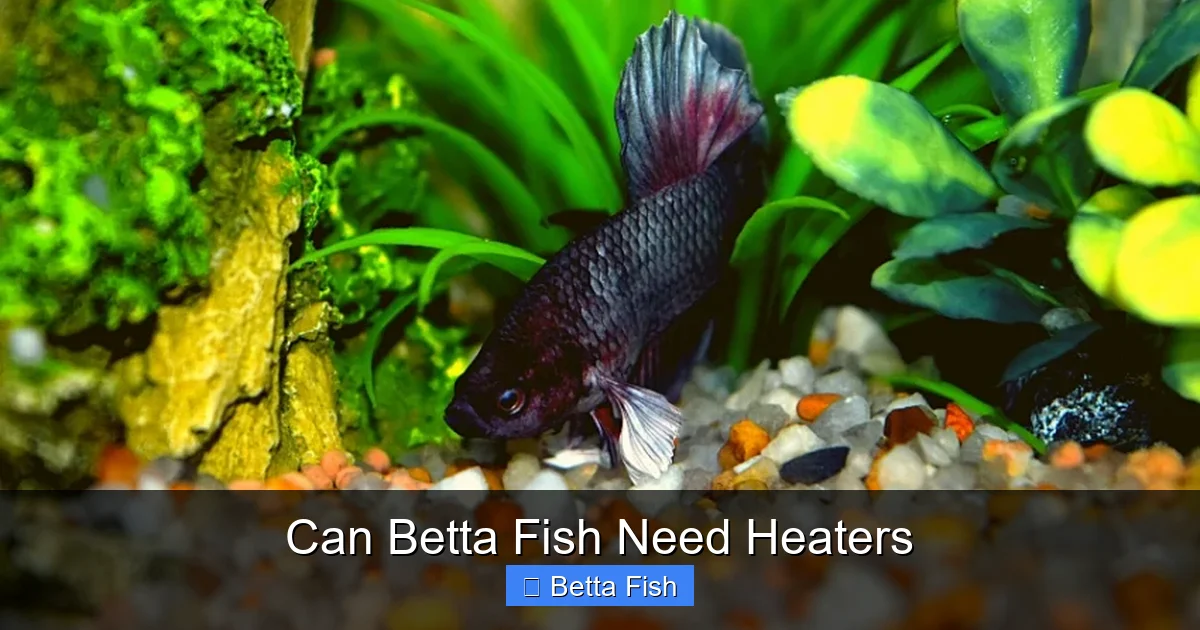
Betta fish absolutely need heaters to stay healthy and live long, vibrant lives. These tropical fish require warm water between 76°F and 82°F, and without a reliable heater, they become stressed, lethargic, and prone to serious illness. Understanding why betta fish need heaters is one of the most important steps you can take as a responsible betta owner.
Key Takeaways
- Betta fish are tropical creatures: They originate from the warm waters of Southeast Asia and require consistent temperatures between 76°F and 82°F to thrive.
- Room temperature is not enough: Most homes fluctuate in temperature throughout the day and night, making a heater essential for stable water conditions.
- Cold water causes serious health problems: Without a heater, betta fish can develop ich, fin rot, and a weakened immune system that shortens their lifespan.
- Choose the right heater size: A general rule is 5 watts per gallon of water, and adjustable heaters give you the most control over temperature.
- Use a thermometer alongside your heater: A separate thermometer lets you monitor water temperature and catch problems before they harm your fish.
- Heaters are affordable and easy to use: Quality betta tank heaters cost between $10 and $25 and are simple to install and maintain.
- Even in warm climates, heaters matter: Air conditioning, seasonal changes, and nighttime drops can all cause dangerous temperature swings in your betta’s tank.
📑 Table of Contents
- Introduction: Why Temperature Matters for Your Betta Fish
- Understanding the Natural Habitat of Betta Fish
- Do Betta Fish Really Need Heaters? The Definitive Answer
- The Ideal Temperature Range for Betta Fish
- What Happens Without a Heater: Real Consequences
- Choosing the Right Heater for Your Betta Tank
- Setting Up Your Heater: A Step-by-Step Guide
- Common Myths About Betta Fish and Heaters
- Seasonal Considerations for Betta Fish Heating
- Conclusion: Give Your Betta the Warm Home It Deserves
Introduction: Why Temperature Matters for Your Betta Fish
If you have ever watched a betta fish glide gracefully through the water, you know how mesmerizing these little creatures can be. Their flowing fins, bold personalities, and stunning colors make them one of the most popular pet fish in the world. But behind that beauty lies a simple truth that many new betta owners overlook. Betta fish need heaters to survive and thrive in a home aquarium.
This might surprise you, especially if you have seen betta fish kept in tiny cups at the pet store. Those cups are not suitable long-term homes, and the fish in them are often already stressed from cold, unfiltered water. The reality is that betta fish are tropical animals. They come from the warm, shallow waters of Thailand, Cambodia, Vietnam, and other parts of Southeast Asia. In their natural habitat, the water stays warm all year long. When we bring them into our homes, it becomes our job to recreate those warm conditions.
In this article, we are going to explore everything you need to know about why betta fish need heaters, what happens when they do not have one, and how to choose the perfect heater for your setup. Whether you are a first-time betta owner or someone looking to improve their fish’s living conditions, this guide will give you the knowledge you need. Let’s dive in.
Understanding the Natural Habitat of Betta Fish
Where Do Betta Fish Come From?
Betta fish, scientifically known as Betta splendens, are native to the tropical regions of Southeast Asia. You can find them in the wild living in shallow rice paddies, slow-moving streams, and warm ponds across Thailand and neighboring countries. These environments share one critical feature. The water is consistently warm, typically ranging from 76°F to 86°F throughout the year.
Visual guide about Can Betta Fish Need Heaters
Image source: aniimad.com
Unlike fish from temperate climates that experience seasonal temperature changes, betta fish have evolved in an environment where warmth is constant. Their bodies are designed to function best within a narrow, warm temperature range. This is not a preference. It is a biological necessity. Their metabolism, immune system, and digestion all depend on warm water to work properly.
What Happens When the Water Gets Too Cold?
When betta fish are kept in water that is too cold, their bodies begin to shut down in subtle but dangerous ways. Their metabolism slows down significantly. This means they become less active, eat less, and digest food poorly. Over time, a sluggish metabolism weakens their immune system, making them vulnerable to diseases like ich, fin rot, and fungal infections.
Many betta fish health problems that owners attribute to other causes are actually rooted in water temperature that is too low. A betta kept at 70°F might survive for a while, but it will never truly thrive. Its colors will fade, its fins may clamp, and its lifespan will be dramatically shortened. A healthy betta kept in properly heated water can live three to five years or more. A betta kept in cold water might not make it past one or two years.
Do Betta Fish Really Need Heaters? The Definitive Answer
The Short Answer Is Yes
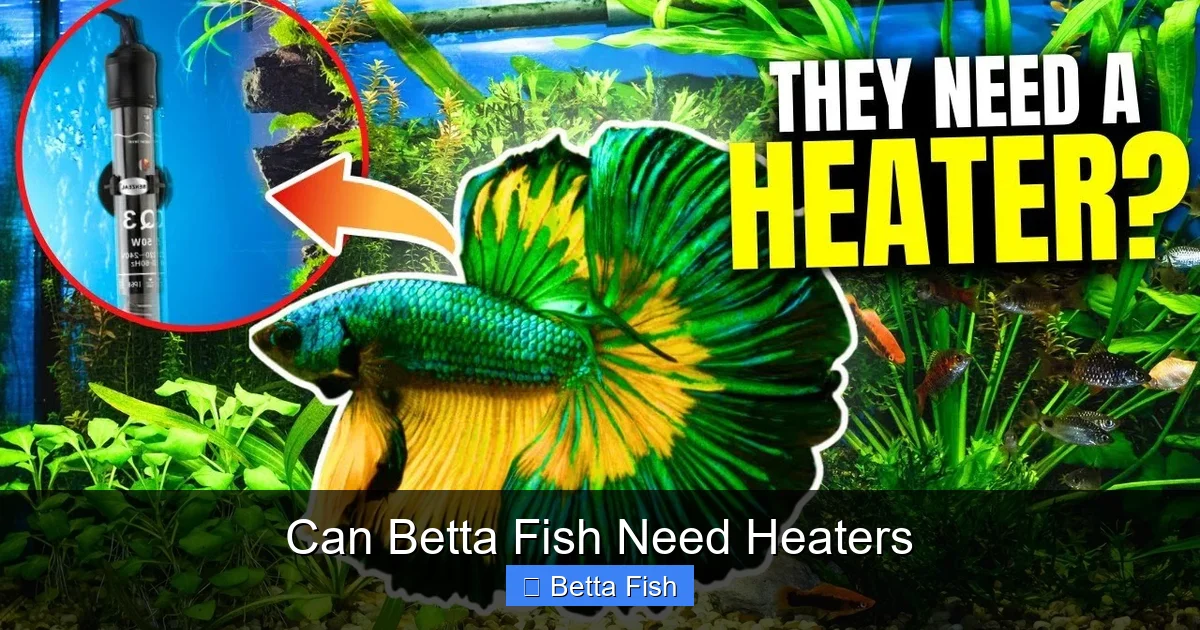
Let’s be absolutely clear. Betta fish need heaters in their tanks, period. This is not a matter of opinion or debate among experienced fish keepers. It is a well-established fact supported by biology, veterinary science, and decades of aquarium hobbyist experience. If you want your betta fish to live a long, healthy, and happy life, a heater is not optional. It is essential equipment.
Visual guide about Can Betta Fish Need Heaters
Image source: i.ytimg.com
Some people argue that their home stays warm enough without a heater. While it is true that some homes maintain temperatures in the mid-70s, this is not reliable enough for a fish tank. Water temperature lags behind air temperature, meaning your tank water is often several degrees cooler than the room. Add in nighttime temperature drops, air conditioning, and seasonal changes, and you have a recipe for an unstable and unhealthy environment.
Why Room Temperature Is Not Sufficient
Here is something most people do not realize. The water in a fish tank does not instantly match the temperature of the room. Water has a high specific heat capacity, which means it takes a long time to warm up and a long time to cool down. During the day, your tank might be an acceptable temperature. But at night, when your thermostat drops by a few degrees, your tank water can fall into the danger zone.
Even if you live in a warm climate like Florida or Southern California, your home likely uses air conditioning. Air-conditioned homes often sit between 68°F and 74°F, which is too cold for betta fish. A heater ensures that your betta’s water stays in the ideal range regardless of what is happening with your home’s climate control. For a deeper dive into this topic, check out our detailed guide on do betta fish need heaters in their tanks.
The Ideal Temperature Range for Betta Fish
What Temperature Should Your Betta Tank Be?
The optimal water temperature for betta fish is between 76°F and 82°F, with most experts recommending a sweet spot around 78°F to 80°F. This range supports healthy metabolism, strong immune function, vibrant coloration, and normal activity levels.
Visual guide about Can Betta Fish Need Heaters
Image source: aquariadise.com
Going above 82°F is also problematic. Warmer water holds less dissolved oxygen, which can stress your betta. It also speeds up their metabolism too much, potentially shortening their lifespan. The goal is consistency, not extremes. A stable 78°F is far better than a tank that swings between 74°F and 82°F throughout the day.
How to Monitor Temperature Accurately
Never guess the temperature of your tank water. Always use a dedicated aquarium thermometer. Stick-on external thermometers are affordable and easy to read. Digital probe thermometers are even more accurate. Place the thermometer on the opposite side of the tank from your heater so you get a true reading of the overall water temperature.
Check the temperature daily, especially during the first week after setting up your heater. This helps you confirm that the heater is working correctly and maintaining a stable temperature. Once you trust your setup, checking a few times a week is still a good habit.
What Happens Without a Heater: Real Consequences
Stress and Lethargy
The first sign that your betta is too cold is usually behavioral. Your fish may become lethargic, spending most of its time sitting at the bottom of the tank or resting on a leaf near the surface. It may lose interest in food and seem generally uninterested in its surroundings. This is not a relaxed betta. This is a stressed, cold betta struggling to function.
Visual guide about Can Betta Fish Need Heaters
Image source: aniimad.com
Stress is the silent killer in aquariums. A stressed fish has a suppressed immune system, which opens the door to a cascade of health problems. What starts as mild lethargy can quickly escalate into serious illness if the underlying temperature issue is not addressed.
Common Cold-Related Diseases
When betta fish are kept in water that is too cold, they become susceptible to several common and potentially deadly diseases. Here are the most frequent problems caused by inadequate heating:
- Ich (White Spot Disease): This parasitic infection appears as tiny white dots on your betta’s body and fins. It is extremely common in tanks with fluctuating or low temperatures. Ich can be fatal if not treated promptly.
- Fin Rot: Cold water weakens the fins, making them vulnerable to bacterial infection. Fin rot causes the fins to appear ragged, discolored, and progressively shorter. If you are wondering can betta fish fins grow back, the answer is yes, but only if the underlying cause, often poor water conditions including cold temperature, is corrected.
- Fungal Infections: Cotton-like growths on the body or mouth are a sign of fungal infection, which thrives in cold, stressed environments.
- Digestive Problems: Cold water slows digestion, leading to constipation and bloating. In severe cases, this can cause swim bladder disorder, which affects your betta’s ability to swim normally.
Shortened Lifespan
Perhaps the most heartbreaking consequence of keeping a betta without a heater is a dramatically shortened lifespan. A well-cared-for betta in a heated, filtered tank can live three to five years, and some have been known to live even longer. A betta kept in cold, unheated water may only survive one to two years, and those years will be filled with stress and illness.
Investing in a heater is investing in your betta’s future. It is one of the simplest and most impactful things you can do to give your fish the best possible life.
Choosing the Right Heater for Your Betta Tank
Types of Aquarium Heaters
There are several types of aquarium heaters on the market, but for betta fish tanks, two types stand out as the most practical and effective.
Visual guide about Can Betta Fish Need Heaters
Image source: aquariumbuddies.com
Submersible heaters are the most popular choice. They sit fully submerged in the tank and can be positioned horizontally or vertically. They distribute heat evenly and are easy to hide behind plants or decorations. Most quality submersible heaters come with an adjustable thermostat, allowing you to set your desired temperature precisely.
Preset heaters are a simpler option. They are designed to maintain a specific temperature, usually around 78°F, without any adjustment. These are great for beginners who want a set-it-and-forget-it solution. However, they offer less flexibility if you need to fine-tune the temperature.
What Size Heater Do You Need?
The general rule of thumb for aquarium heaters is 5 watts per gallon of water. So if you have a 5-gallon betta tank, a 25-watt heater is ideal. For a 10-gallon tank, go with a 50-watt heater. It is always better to slightly oversize your heater than undersize it, because an undersized heater will run constantly and still fail to maintain the right temperature.
Here is a quick reference guide:
- 2.5-gallon tank: 10 to 15 watts
- 5-gallon tank: 25 watts
- 10-gallon tank: 50 watts
- 20-gallon tank: 100 watts
Remember that larger tanks are actually more stable when it comes to temperature. If you are deciding how much water does a betta fish need, know that a larger volume of water holds heat better and gives your betta a healthier overall environment.
Recommended Heater Features
When shopping for a heater for your betta tank, look for these important features:
- Adjustable thermostat: This lets you set the exact temperature you want and make adjustments as needed.
- Automatic shut-off: A safety feature that turns the heater off if it is removed from the water or overheats.
- Indicator light: A small light that shows when the heater is actively warming the water.
- Fully submersible design: Easier to install and provides more even heat distribution.
- Durable construction: Look for shatterproof materials, especially if your betta tank is in a busy household.
Setting Up Your Heater: A Step-by-Step Guide
Installation Tips
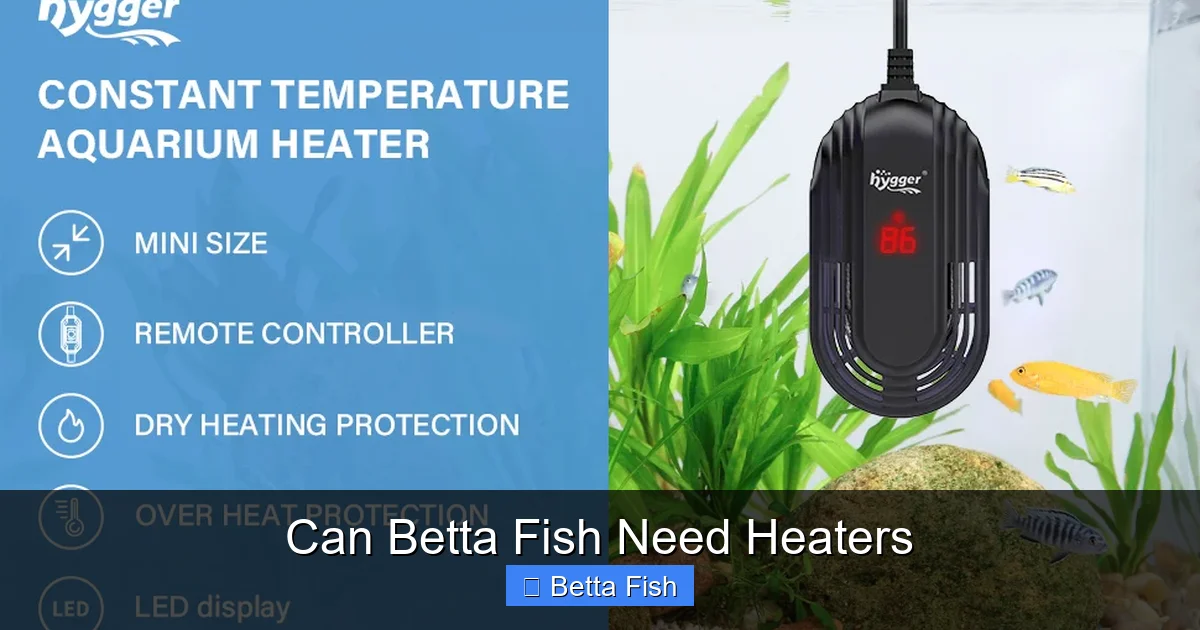
Setting up your betta tank heater is straightforward, but doing it correctly makes a big difference. Start by placing the heater in the tank before you fill it with water. Never plug in a heater that is not submerged, as this can cause it to overheat and crack.
Visual guide about Can Betta Fish Need Heaters
Image source: m.media-amazon.com
Position the heater near the filter output or in an area with good water circulation. This ensures the warm water is distributed evenly throughout the tank. Avoid placing the heater in a dead spot where water does not flow, as this can create hot spots and cold zones.
Set your heater to 78°F initially. Let it run for at least 24 hours before adding your betta fish. Use your thermometer to verify that the temperature has stabilized. Make small adjustments if needed, and give the heater at least a few hours to respond before making further changes.
Maintaining Your Heater Over Time
Heaters are generally low-maintenance, but they do require some attention. Check the temperature reading on your thermometer regularly to make sure the heater is still functioning properly. Over time, heaters can drift out of calibration or fail entirely.
Replace your heater every two to three years, or sooner if you notice inconsistent temperatures. It is also a smart idea to keep a spare heater on hand, especially during winter months when a heater failure could be fatal for your betta. A small investment in a backup heater can save your fish’s life.
Common Myths About Betta Fish and Heaters
Myth: Betta Fish Are Hardy and Do Not Need Special Care
This is perhaps the most damaging myth in the betta fish world. Because betta fish are often sold in small bowls and marketed as easy starter pets, many people assume they are indestructible. The truth is that betta fish are just as sensitive to water conditions as any other tropical fish. Their hardiness is often confused with neglect tolerance, which is a very different thing.
A betta fish surviving in poor conditions is not the same as a betta fish thriving. Survival is not the goal. Your betta deserves to thrive, and that starts with proper heating.
Myth: If the Room Is Warm, the Tank Is Warm
As we discussed earlier, water temperature and air temperature are not the same thing. Your tank water will almost always be cooler than your room air, especially in smaller tanks. Never assume your tank is warm enough without measuring it directly. A thermometer is the only way to know for sure.
Myth: Heaters Are Expensive and Complicated
Quality aquarium heaters are surprisingly affordable. You can find excellent adjustable heaters for between $10 and $25. Installation takes just a few minutes, and once set up, they require almost no ongoing effort. Compared to the cost of treating diseases caused by cold water, a heater is one of the best investments you can make.
Seasonal Considerations for Betta Fish Heating
Winter Challenges
Winter is the most dangerous season for betta fish without heaters. Indoor temperatures can drop significantly, especially at night. If your home heating system is inconsistent or if your betta tank is near a window or exterior wall, the water temperature can plummet quickly.

Visual guide about Can Betta Fish Need Heaters
Image source: i.ytimg.com
During winter, check your tank temperature more frequently and consider using a slightly higher wattage heater to compensate for the colder environment. Insulating the back and sides of your tank with foam board can also help retain heat and reduce the workload on your heater.
Summer Considerations
While summer generally brings warmer temperatures, air conditioning can create the opposite problem. Many homes run AC constantly during summer months, keeping indoor temperatures well below the ideal range for betta fish. Do not assume summer means you can turn off your heater. Keep it running year-round to maintain consistent, stable temperatures.
In rare cases, extremely hot weather can cause tank water to overheat. If your tank temperature rises above 84°F, take steps to cool it down. Moving the tank away from direct sunlight, using a small fan to blow across the water surface, or floating a frozen water bottle in the tank can all help bring the temperature back to a safe range.
Conclusion: Give Your Betta the Warm Home It Deserves
At the end of the day, the answer to the question “do betta fish need heaters” is a resounding yes. These beautiful, tropical fish depend on warm, stable water temperatures to live healthy and fulfilling lives. A heater is not a luxury for a betta tank. It is a fundamental piece of equipment, just as essential as the tank itself.
By investing in a quality heater, using a thermometer to monitor conditions, and maintaining a consistent temperature between 76°F and 82°F, you are giving your betta the best possible chance at a long, vibrant life. Your betta will reward you with brilliant colors, active behavior, and a personality that makes every day of fish keeping a joy.
If you have been keeping your betta without a heater, do not feel guilty. Many of us started our fish keeping journey with incomplete information. The important thing is that you know now. Go get a heater, set it up properly, and watch your betta transform from merely surviving to truly thriving. Your fish will thank you for it.
Frequently Asked Questions
Can betta fish live without a heater?
Betta fish can survive temporarily without a heater, but they will not thrive. Without warm water between 76°F and 82°F, their immune system weakens, their metabolism slows, and they become prone to serious diseases. A heater is essential for long-term health.
What is the best temperature for betta fish?
The ideal temperature range for betta fish is 76°F to 82°F, with 78°F to 80°F being the sweet spot. Keeping the temperature stable within this range supports healthy metabolism, strong immunity, and vibrant coloration.
How do I know if my betta fish is too cold?
Signs that your betta is too cold include lethargy, loss of appetite, clamped fins, faded color, and sitting at the bottom of the tank for extended periods. If you notice these behaviors, check your water temperature immediately with a reliable thermometer.
What size heater do I need for a 5-gallon betta tank?
For a 5-gallon betta tank, a 25-watt heater is the standard recommendation. This follows the general rule of 5 watts per gallon. An adjustable heater is preferred so you can fine-tune the temperature to your betta’s needs.
Do betta fish need heaters in the summer?
Yes, betta fish need heaters year-round, even in summer. Air conditioning can keep indoor temperatures too cool for bettas, and consistent heating prevents dangerous temperature fluctuations that stress your fish and compromise its health.
Can a heater harm my betta fish?
A properly sized and functioning heater will not harm your betta fish. Problems only arise if the heater is too powerful for the tank, malfunctions, or lacks a thermostat. Always use a separate thermometer to monitor the water temperature and ensure your heater is working correctly.