Can Betta Fish Love You
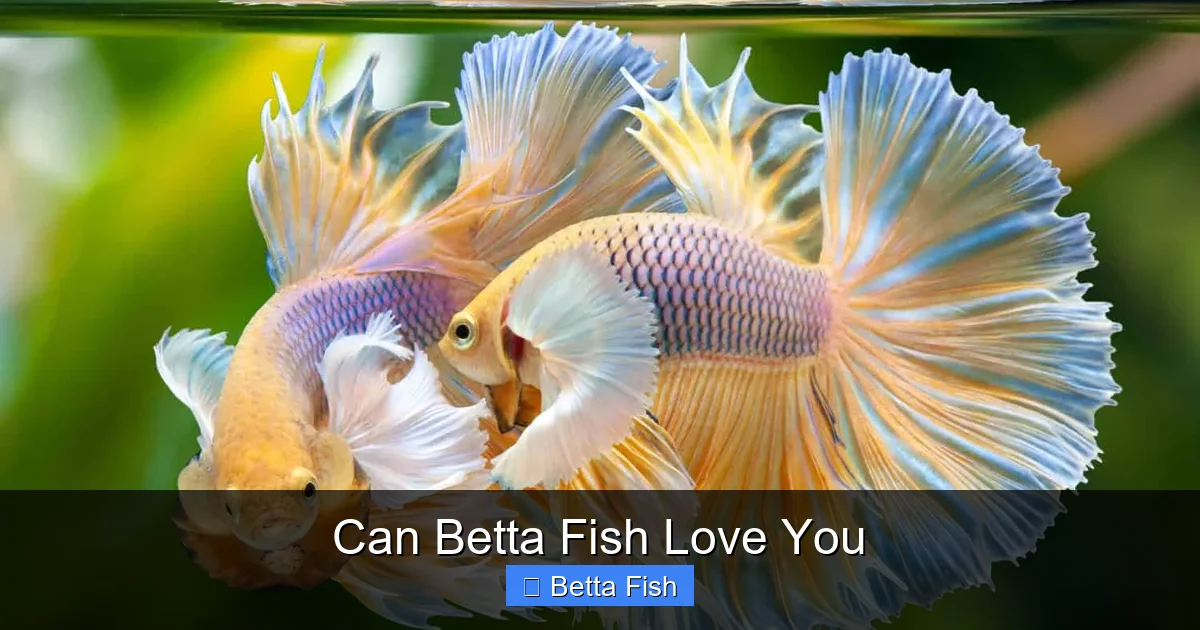
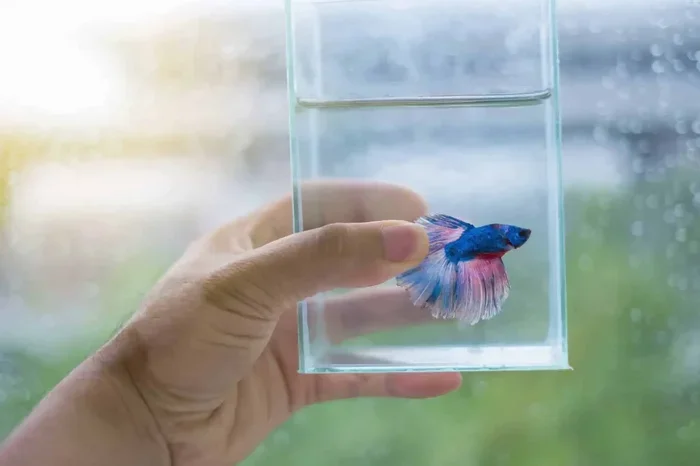
Betta fish can’t love you the way humans or dogs do, but they can recognize you, respond to your presence, and form a bond built on trust and routine. While their emotions are simpler than ours, many betta owners report their fish swimming to the front of the tank, following fingers, and showing excitement at feeding time. Understanding how betta fish perceive the world helps you build a stronger connection with your colorful companion.
Key Takeaways
- Betta fish can recognize their owners: They have excellent memory and can distinguish between different people, often responding more enthusiastically to their primary caregiver.
- What looks like love is often learned behavior: Bettas associate you with food, safety, and stimulation, which creates positive responses that mimic affection.
- Bettas have basic emotions: They experience stress, curiosity, and contentment, but not complex emotions like romantic love or deep attachment.
- Building trust takes time: Consistent care, gentle interaction, and a well-maintained tank help your betta feel safe and comfortable around you.
- Signs of a bonded betta include: Swimming to greet you, following your finger, flaring playfully, and showing relaxed body language near you.
- Your betta’s environment matters: A stressed or unhealthy betta won’t bond well, so proper tank setup and water quality are essential for a happy fish.
- Interaction strengthens your bond: Training tricks, offering varied food, and spending time near the tank all help your betta associate you with positive experiences.
📑 Table of Contents
- Can Betta Fish Love You? The Surprising Truth About Fish Emotions
- Understanding Betta Fish Intelligence and Memory
- Do Betta Fish Have Emotions?
- Signs Your Betta Fish Recognizes and Bonds With You
- How to Build a Stronger Bond With Your Betta Fish
- Common Misconceptions About Betta Fish and Love
- The Role of Environment in Your Betta’s Happiness
- Real Stories From Betta Fish Owners
- Conclusion: The Unique Bond Between You and Your Betta
Can Betta Fish Love You? The Surprising Truth About Fish Emotions
You’re standing in front of your betta fish tank, watching your vibrant little friend swim to the edge as soon as you approach. He follows your finger along the glass, flares his fins, and seems genuinely excited to see you. It’s hard not to wonder — does my betta fish actually love me?
This is one of the most common questions betta fish owners ask, and it’s a completely natural one. After all, when your fish lights up every time you walk into the room, it feels like affection. The answer, though, is more nuanced than a simple yes or no. Betta fish experience the world very differently from humans, and their version of “love” isn’t what we typically imagine. But that doesn’t mean the bond between you and your betta isn’t real.
In this article, we’ll explore the science behind betta fish emotions, how they perceive their owners, and what you can do to build a stronger connection with your aquatic companion. Whether you’re a new betta owner or have had your fish for years, understanding how bettas think and feel will deepen your appreciation for these remarkable little creatures.
Understanding Betta Fish Intelligence and Memory
How Smart Are Betta Fish Really?
Betta fish are far more intelligent than most people give them credit for. These small but mighty fish belong to the Osphronemidae family and have evolved over thousands of years to be skilled hunters, territorial defenders, and problem solvers. In the wild, bettas navigate complex environments, remember the locations of food sources, and recognize rivals and potential mates.
Visual guide about Can Betta Fish Love You
Image source: i.ytimg.com
Research has shown that fish, including bettas, possess cognitive abilities that rival some mammals. They can learn to navigate mazes, recognize patterns, and even distinguish between different shapes and colors. A study published in the journal Animal Cognition demonstrated that fish can remember associations for months — not just seconds, as the old myth about fish memory suggests.
Betta Fish Memory: Debunking the Myth
You’ve probably heard the claim that fish have a three-second memory. This is completely false. Betta fish can remember things for weeks or even months. They remember feeding times, recognize their tank layout, and — most importantly for our discussion — they remember you.
Your betta can distinguish your face from that of a stranger. He learns your routine, associates your presence with food, and develops expectations based on his experiences with you. This memory capability is the foundation of the bond you share with your fish. Without it, your betta would treat every interaction as if it were the first time, and there would be no relationship to speak of.
Do Betta Fish Have Emotions?
The Science of Fish Feelings
The question of whether fish have emotions has been debated among scientists for decades. While fish don’t have the same brain structures as mammals — specifically, they lack a neocortex, which is associated with complex emotions in humans — they do have brain regions that process fear, stress, and reward.
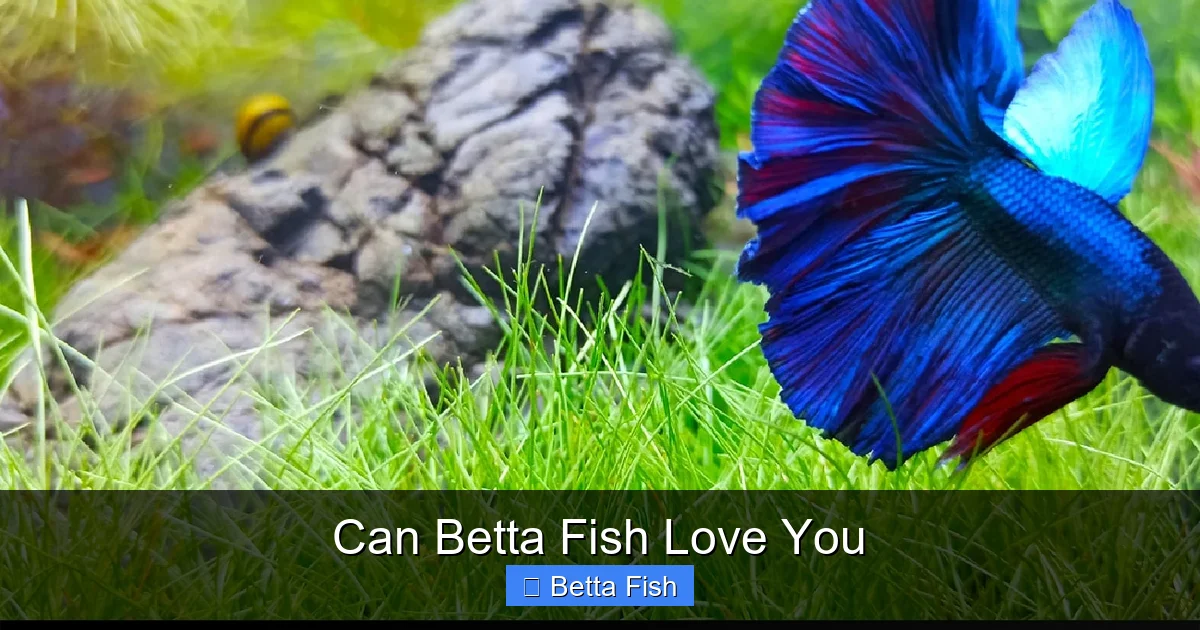
Visual guide about Can Betta Fish Love You
Image source: buildyouraquarium.com
Dr. Culum Brown, a behavioral biologist at Macquarie University in Australia, has published extensive research showing that fish experience a range of emotional states. They can feel fear when threatened, show curiosity when exploring new objects, and display signs of stress when their environment is poor. They also exhibit behaviors that suggest contentment and comfort when conditions are right.
For betta fish specifically, this means they can feel stressed in a dirty tank, curious about a new decoration, and comfortable in a well-maintained environment with a consistent routine. These emotional responses, while simpler than human emotions, are genuine and play a significant role in how your betta interacts with you.
What Betta Fish Can and Can’t Feel
Here’s where we need to be honest about the limitations. Betta fish likely don’t experience love in the way humans understand it. They don’t feel romantic attachment, deep loyalty, or the kind of emotional bond that a dog feels toward its owner. Their brains simply aren’t wired for that level of emotional complexity.
However, bettas can experience:
- Recognition: They know who you are and can tell you apart from other people.
- Anticipation: They learn to expect food and interaction when you appear.
- Comfort: They feel safe and relaxed in a familiar, well-maintained environment.
- Curiosity: They investigate new objects, movements, and changes in their surroundings.
- Stress or fear: They react negatively to threats, poor water conditions, or aggressive tank mates.
So while your betta may not “love” you in the traditional sense, he absolutely forms a positive association with you. He recognizes you as the source of food, safety, and stimulation. In the world of fish emotions, that’s about as close to love as it gets.
Signs Your Betta Fish Recognizes and Bonds With You
Swimming to Greet You
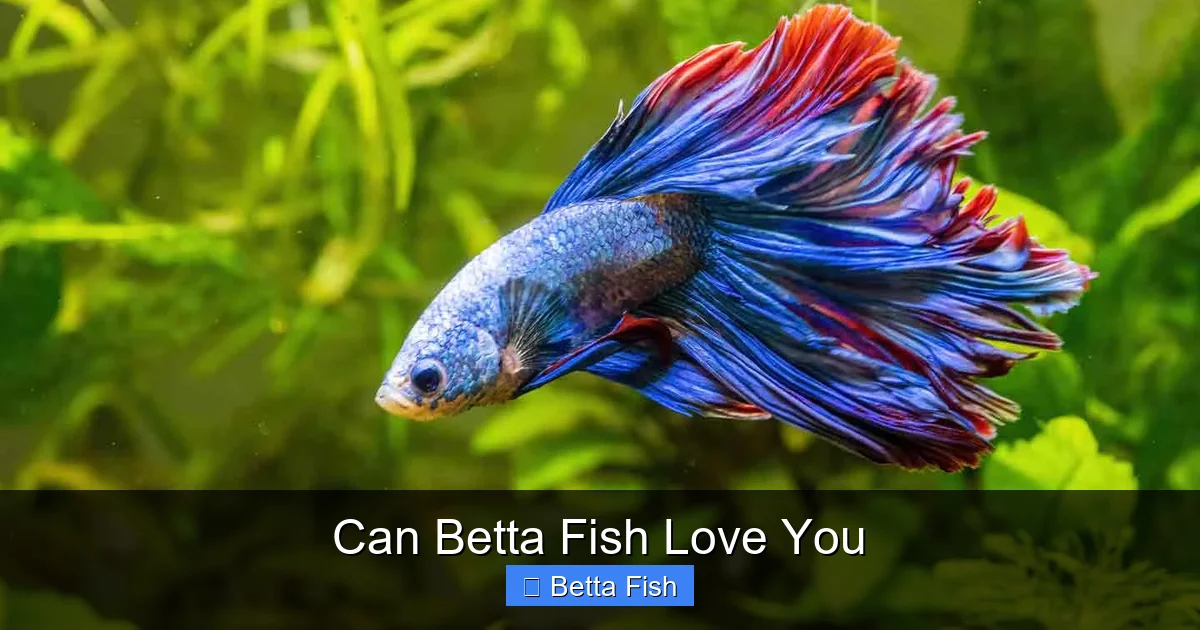
One of the most common signs that your betta recognizes you is swimming to the front of the tank when you approach. Many betta owners report that their fish rushes to the glass as soon as they enter the room, especially around feeding time. This behavior shows that your betta has learned to associate your presence with something positive — usually food.
Visual guide about Can Betta Fish Love You
Image source: media-be.chewy.com
Over time, this greeting behavior can extend beyond feeding time. Some bettas will swim to the front of the tank simply because they’ve learned that your presence often leads to interaction, whether it’s finger-following games, tank maintenance, or just you standing nearby. This is a clear sign of recognition and a positive bond.
Following Your Finger
If you move your finger along the outside of the tank and your betta follows it, that’s a strong indicator of engagement and recognition. Bettas are naturally curious and territorial, so following a moving object is instinctive. But when your betta consistently follows your finger — and not just any movement — it suggests he’s learned to associate you with interesting stimuli.
This behavior can be encouraged through training. Many betta owners successfully teach their fish to follow a target stick, swim through hoops, or even push a small ball. These tricks aren’t just entertaining — they demonstrate your betta’s ability to learn, remember, and engage with you specifically.
Flaring and Displaying
Betta fish are famous for their dramatic fin displays. When your betta flares his gills and spreads his fins as you approach, it can mean a few things. In some cases, it’s a territorial response — he sees his reflection or perceives you as a rival. But many betta owners notice that their fish flares in a playful, non-aggressive way during interaction, almost like showing off.
Context matters here. If your betta flares briefly and then relaxes, swims toward you, and seems energetic, it’s likely a form of communication rather than aggression. He’s acknowledging your presence and engaging with you in the only way he knows how.
Relaxed Body Language
A betta that feels safe and comfortable around you will display relaxed body language. This includes smooth, unhurried swimming, open fins (not clamped), and a willingness to explore the tank while you’re nearby. A stressed betta, by contrast, will hide, clamp his fins, or dart around erratically.
If your betta is calm and active when you’re around, that’s one of the best signs of a strong bond. He trusts you enough to let his guard down, which is no small thing for a territorial species like the betta.
How to Build a Stronger Bond With Your Betta Fish
Establish a Consistent Routine
Bettas thrive on routine, and consistency is the foundation of trust. Feed your betta at the same time each day, perform water changes on a regular schedule, and spend time near the tank at predictable intervals. Your betta will learn to anticipate your presence and associate it with positive experiences.

Visual guide about Can Betta Fish Love You
Image source: i.ytimg.com
Consistency also extends to your behavior. Avoid sudden movements near the tank, loud noises, or tapping on the glass. These actions can startle your betta and erode the trust you’ve built. Instead, approach the tank calmly, speak softly, and move slowly. Over time, your betta will learn that you’re a safe, predictable presence in his world.
Offer a Varied and Nutritious Diet
Food is one of the most powerful tools for building a bond with your betta. High-quality betta pellets should be the staple of his diet, but offering variety — such as freeze-dried bloodworms, daphnia, or brine shrimp — creates excitement and positive associations with feeding time.
Hand-feeding is another excellent way to strengthen your connection. Once your betta is comfortable with your presence, try holding a pellet with tweezers or your fingers just above the water surface. Many bettas will learn to take food directly from their owner’s hand, which is a remarkable display of trust.
Provide Mental Stimulation
A bored betta is an unhappy betta. These intelligent fish need mental stimulation to stay engaged and healthy. Adding live plants, caves, and decorations to the tank gives your betta places to explore and hide. Rearranging the tank layout occasionally provides new territory to investigate.
You can also interact directly with your betta through training. Teaching simple tricks — like following a target stick or swimming through a hoop — provides mental exercise and strengthens your bond. Use a small reward (like a treat) to reinforce desired behaviors, and keep training sessions short (2-3 minutes) to avoid overwhelming your fish.
Maintain Excellent Water Quality
This might not seem directly related to bonding, but it’s absolutely essential. A betta living in poor water conditions will be stressed, lethargic, and prone to illness. A stressed betta won’t have the energy or inclination to interact with you, no matter how much effort you put into building a relationship.
Keep your betta in a tank that’s at least 5 gallons with a heater and filter. Maintain a temperature between 76-82°F (24-28°C), and perform regular water changes — typically 25% weekly. Test the water parameters regularly to ensure ammonia, nitrite, and nitrate levels are safe. A healthy betta in a clean, well-maintained tank is a happy betta who’s ready to engage with you.
Common Misconceptions About Betta Fish and Love
“My Betta Loves Me Because He Gets Excited When I’m Near”
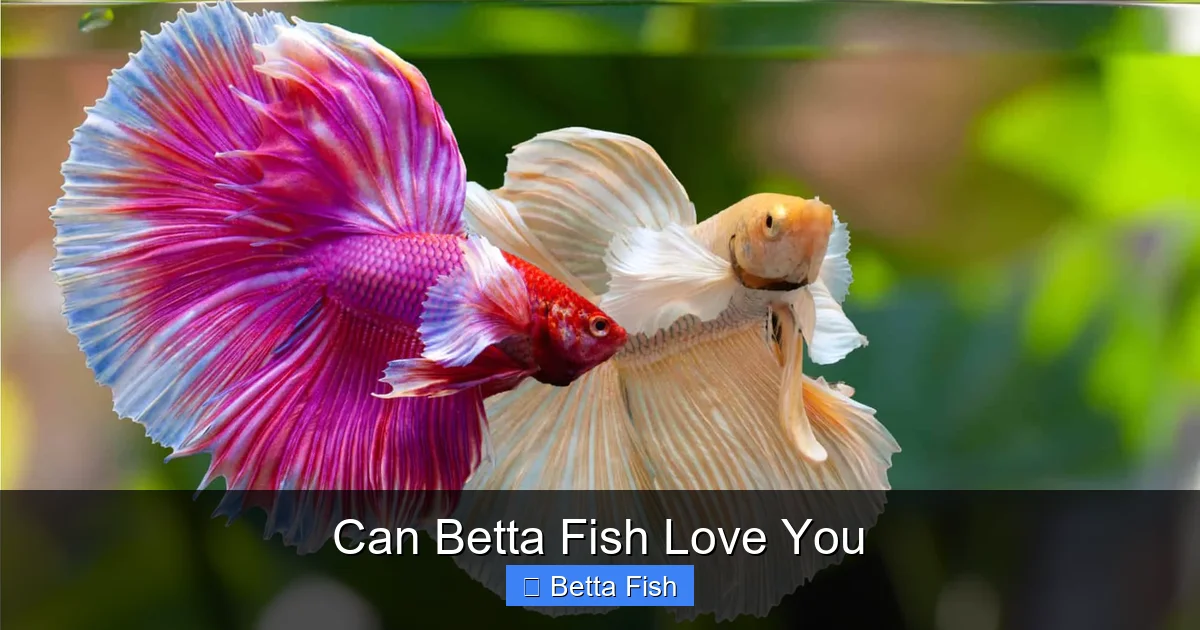
This is partially true, but it’s important to understand the mechanism behind the excitement. Your betta isn’t experiencing the warm, fuzzy feeling of love that you might feel when you see a friend. Instead, he’s experiencing a learned association: your appearance predicts food, interaction, or some other positive stimulus.
Visual guide about Can Betta Fish Love You
Image source: a-z-animals.com
That said, this doesn’t make the bond any less meaningful. The fact that your betta has learned to associate you with positive experiences is a form of connection. In the animal kingdom, learned associations are the building blocks of social bonds. Your betta may not love you the way a dog does, but he definitely prefers your presence over a stranger’s.
“Bettas Are Solitary Fish, So They Don’t Need Companionship”
It’s true that bettas are territorial and should generally be kept alone — especially male bettas, who will fight other males aggressively. However, being territorial doesn’t mean bettas are completely asocial or don’t benefit from interaction. In the wild, bettas interact with their environment constantly, investigating new areas, defending territory, and responding to stimuli.
In captivity, you become a significant part of your betta’s environment. Your presence, your routine, and your interactions provide the mental stimulation that your betta would otherwise get from exploring a larger territory. So while your betta doesn’t need a tank mate for companionship, he does benefit from your engagement and attention.
“If My Betta Doesn’t React to Me, He Doesn’t Like Me”
Not all bettas are equally expressive. Some are naturally more outgoing and interactive, while others are shy or reserved. A betta who doesn’t swim to the front of the tank or follow your finger isn’t necessarily unhappy or disconnected — he might just have a more laid-back personality.
Additionally, a betta who is new to your home may take time to adjust. It can take days or even weeks for a betta to become comfortable in a new environment and start showing interactive behaviors. Be patient, maintain a consistent routine, and give your betta time to settle in. The bond will develop naturally.
The Role of Environment in Your Betta’s Happiness
Why Tank Size and Setup Matter
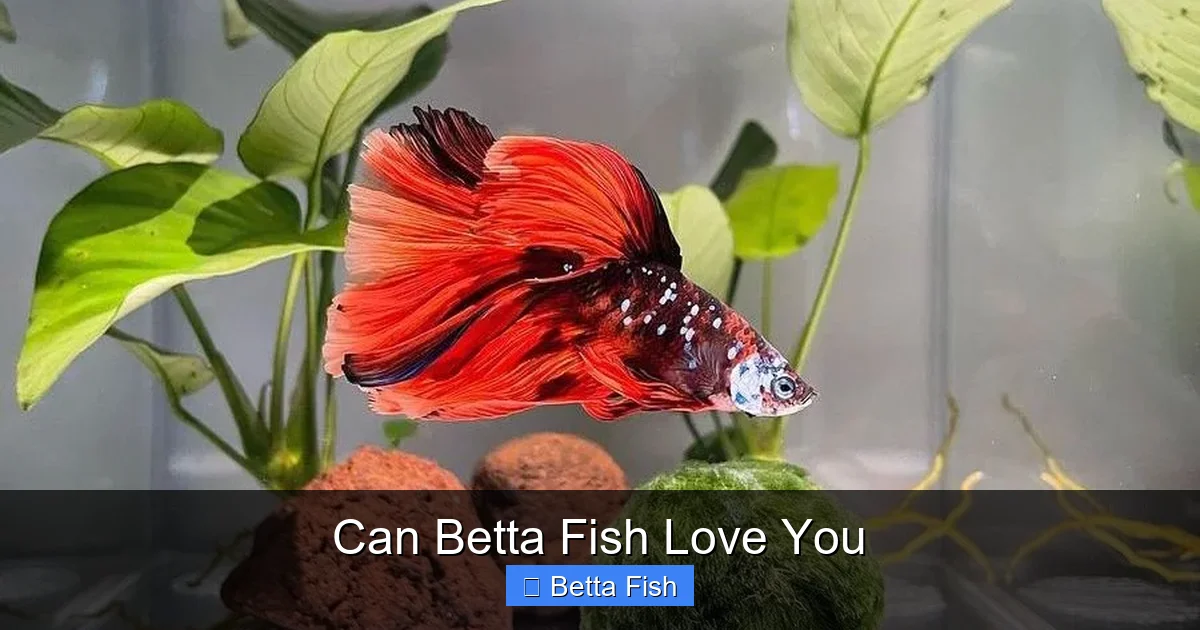
Your betta’s environment has a direct impact on his behavior and his ability to bond with you. A betta kept in a tiny bowl or unfiltered container will be stressed, lethargic, and prone to illness. He won’t have the energy or mental clarity to engage with you, no matter how much you want to connect.
Visual guide about Can Betta Fish Love You
Image source: acaquarium.com
For the happiest, most interactive betta, provide a tank of at least 5 gallons with a gentle filter and a reliable heater. Include live or silk plants (avoid plastic plants, which can tear delicate fins), caves or hiding spots, and open swimming areas. A well-designed tank mimics your betta’s natural habitat and gives him the security he needs to be active and engaged.
If you’re currently keeping your betta in a bowl, consider upgrading to a proper tank. The difference in your betta’s behavior and health will be dramatic. A betta in a well-maintained tank is more likely to be active, curious, and responsive to your presence — all of which contribute to a stronger bond.
The Impact of Stress on Bonding
Stress is the enemy of bonding. A stressed betta will hide, lose his appetite, clamp his fins, and show little interest in his surroundings — including you. Common stressors include poor water quality, incorrect temperature, aggressive tank mates, excessive noise or vibration, and lack of hiding spots.
If your betta seems uninterested in interacting with him, evaluate his environment first. Check the water parameters, ensure the temperature is stable, and look for signs of illness. Addressing the underlying cause of stress is the first step toward rebuilding your betta’s trust and encouraging more interactive behavior.
Real Stories From Betta Fish Owners
When Bettas Show Their Personalities
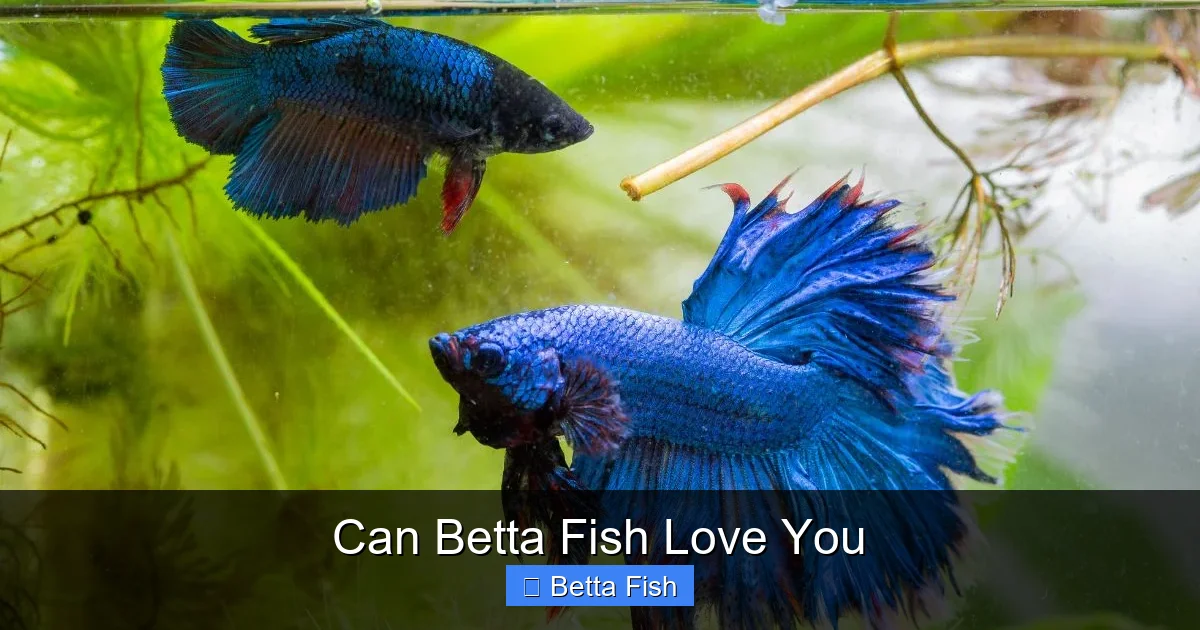
One of the joys of keeping betta fish is discovering their unique personalities. Some bettas are bold and curious, swimming to investigate every new object in the tank. Others are more cautious, preferring to observe from a safe distance before approaching. Some are food-motivated and will do almost anything for a treat, while others are more interested in exploring than eating.
Visual guide about Can Betta Fish Love You
Image source: housedpet.com
Many betta owners share stories of fish who seem to have distinct preferences. Some bettas prefer certain types of food over others. Some enjoy specific types of interaction — like following a finger — while ignoring other stimuli. These individual differences are part of what makes betta fish such rewarding pets. Your betta isn’t just a generic fish; he’s a unique individual with his own quirks and preferences.
Building Trust Over Time
Sarah, a betta owner from Texas, shares her experience: “When I first got my betta, he was terrified of me. He would hide whenever I came near the tank. It took about three weeks of consistent feeding and gentle interaction before he started swimming to the front when I approached. Now, two years later, he follows my finger around the tank and gets excited every time I walk into the room. It’s amazing how much trust can develop over time.”
Stories like Sarah’s are common among betta owners. The bond between a betta and his owner isn’t instant — it’s built through patience, consistency, and genuine care. The reward is a fish who recognizes you, responds to you, and seems genuinely happy in your presence.
Conclusion: The Unique Bond Between You and Your Betta
So, can betta fish love you? The honest answer is that they can’t love you the way humans understand love. They don’t have the brain structures for complex emotional attachment, and their experience of the world is fundamentally different from ours.
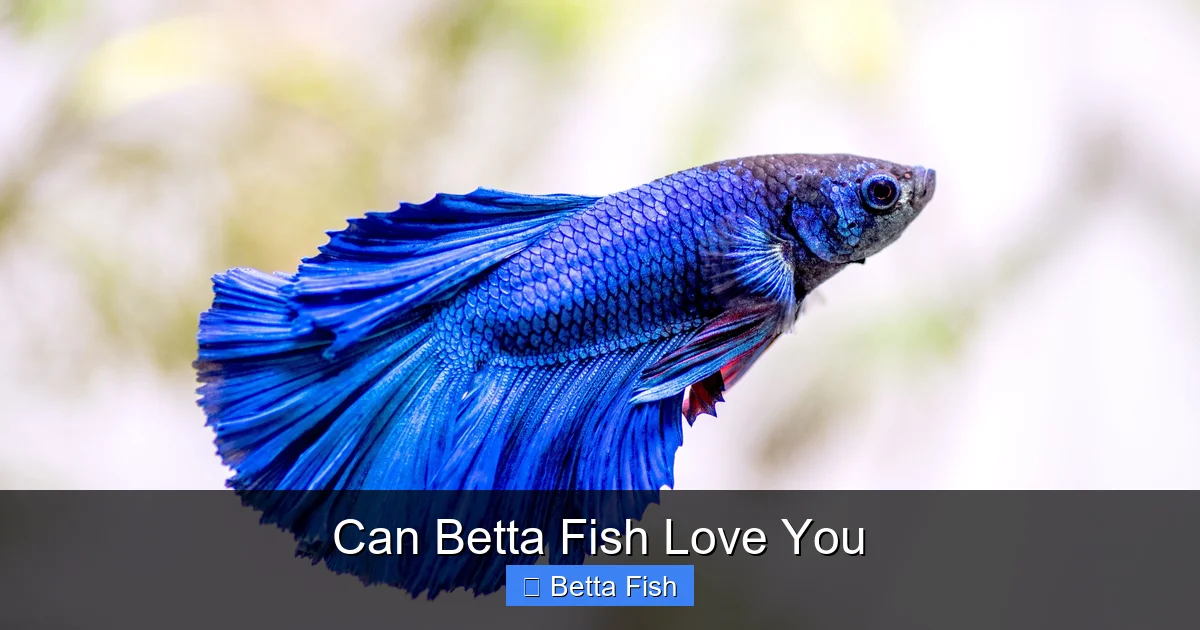
Visual guide about Can Betta Fish Love You
Image source: thesprucepets.com
But here’s what is true: your betta can recognize you, remember you, and form a positive association with your presence. He can learn to trust you, anticipate your arrival, and show excitement when you’re near. He can display curiosity, comfort, and contentment in your care. And for many betta owners, that’s more than enough.
The bond between a betta fish and his owner is real, even if it’s different from the bonds we share with dogs, cats, or other pets. It’s built on consistency, care, and mutual respect. You provide your betta with a safe, clean, stimulating environment, and in return, he rewards you with his vibrant colors, his unique personality, and his enthusiastic greetings.
So the next time your betta swims to the front of the tank when you walk into the room, know that it means something. It might not be love in the human sense, but it’s recognition, trust, and a connection that you’ve built together. And in the world of betta fish, that’s about as close to love as it gets.
Frequently Asked Questions
Can betta fish recognize their owners?
Yes, betta fish can recognize their owners. They have excellent memory and can distinguish between different people, often showing more excitement and activity when their primary caregiver approaches the tank compared to strangers.
How do I know if my betta fish is bonded with me?
Signs of a bonded betta include swimming to greet you, following your finger along the glass, showing relaxed body language in your presence, and displaying excitement during feeding time. These behaviors indicate that your betta recognizes and trusts you.
Can betta fish feel happy?
Betta fish can experience basic emotional states like contentment and comfort. A happy betta will be active, have a good appetite, display vibrant colors, and explore his tank confidently. While their emotions are simpler than human feelings, they do experience positive states.
How long does it take for a betta to bond with its owner?
Bonding time varies by individual betta, but most fish begin showing recognition and positive responses within one to three weeks of consistent care. Building a strong bond requires patience, a regular routine, and a well-maintained tank environment.
Do betta fish get lonely?
Betta fish are naturally territorial and prefer to live alone, so they don’t get lonely in the way social animals do. However, they do benefit from mental stimulation and interaction with their owner, which helps keep them engaged and healthy.
Can I train my betta fish to do tricks?
Yes, betta fish are intelligent enough to learn simple tricks like following a target stick, swimming through hoops, or pushing a small ball. Use positive reinforcement with food rewards and keep training sessions short (2-3 minutes) for the best results.