Can Betta Fish Live with Jade Plants
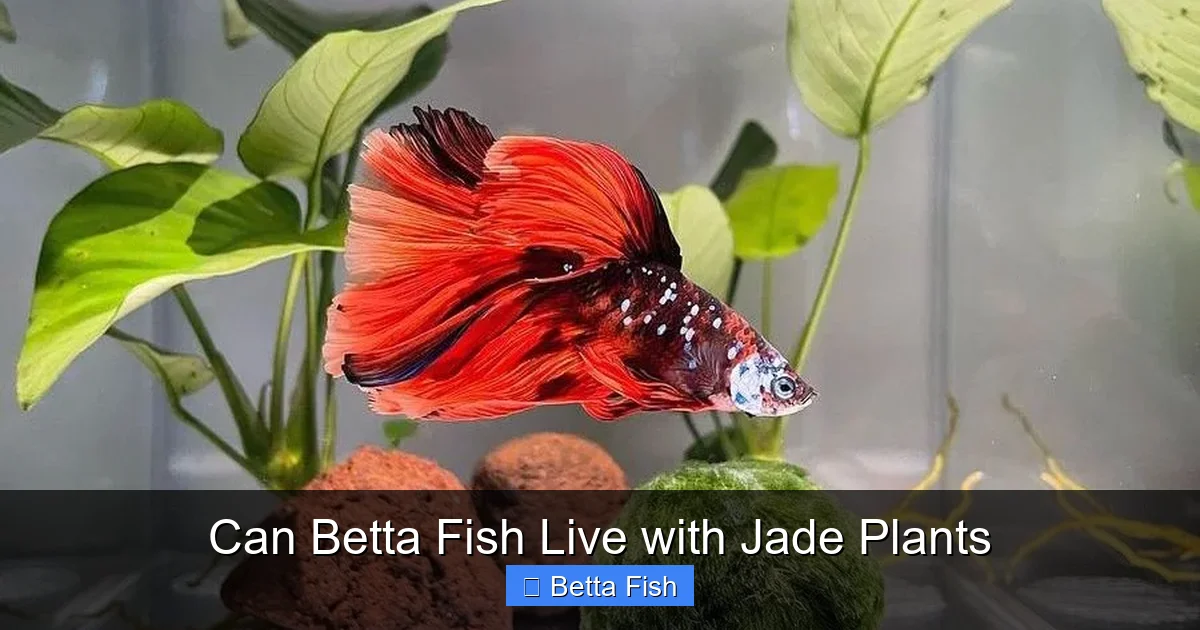
Betta fish cannot safely live with jade plants fully submerged in their tank because jade plants are terrestrial succulents that rot underwater. However, you can grow jade plants partially above the waterline or use them as a decorative feature in a paludarium-style setup to enjoy the benefits of live greenery without harming your betta.
[FEATURED IMAGE_PLACEHOLDER]
Key Takeaways
- Jade plants are not aquatic plants: They are terrestrial succulents that will rot and die if fully submerged in water, creating harmful conditions for betta fish.
- Rotting plants harm water quality: Decomposing jade plant matter releases ammonia and toxins that can seriously sicken or kill your betta fish.
- Partial submersion is possible: You can grow jade plants with roots in water and leaves above the surface using a paludarium or hanging planter setup.
- Safer aquatic alternatives exist: Plants like Java fern, Anubias, Amazon sword, and Vallisneria provide the same aesthetic and biological benefits without the risks.
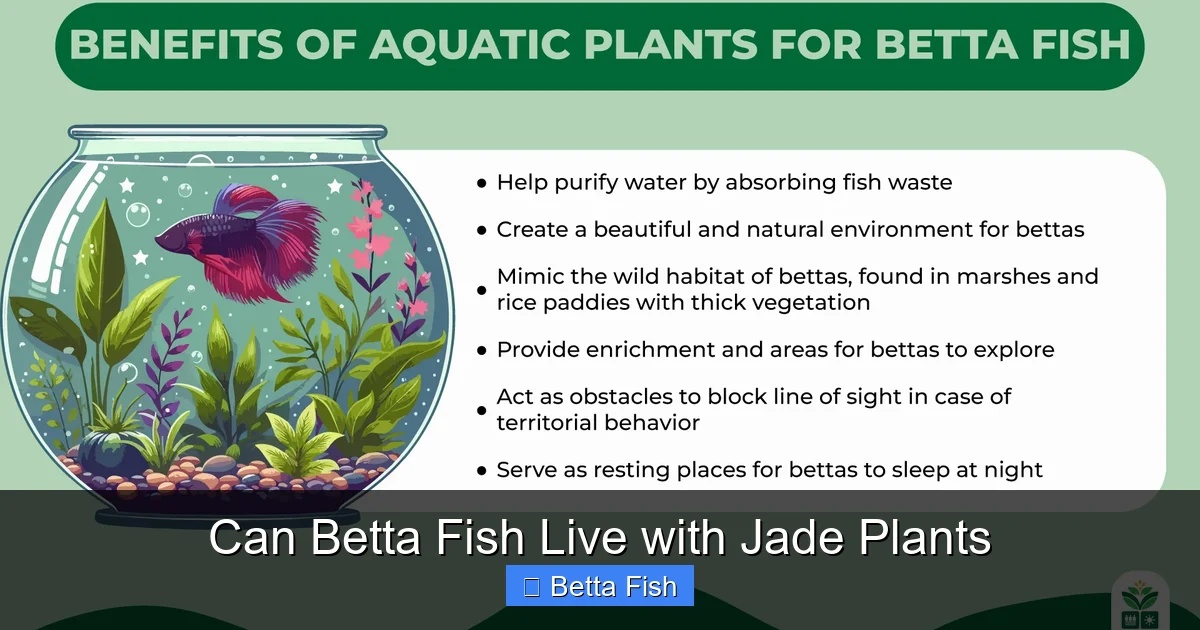
- Betta fish benefit from live plants: Live plants improve water quality, reduce stress, provide hiding spots, and mimic your betta’s natural habitat.
- Roots-only water propagation works: Jade plant cuttings can root in water temporarily, but the foliage must stay dry and above the waterline.
- Choose the right setup carefully: If you want jade plants near your betta tank, use a riparium, paludarium, or external planter rather than submerging the plant fully.
📑 Table of Contents
- Can Betta Fish Live With Jade Plants? Here’s What You Need to Know
- Why Jade Plants Are Not Suitable for Full Submersion
- How Betta Fish Benefit From Live Plants
- Safe Alternatives to Jade Plants for Your Betta Tank
- Creative Ways to Include Jade Plants Near Your Betta Tank
- Setting Up a Betta-Friendly Planted Tank
- Common Mistakes to Avoid
- Final Thoughts on Betta Fish and Jade Plants
Can Betta Fish Live With Jade Plants? Here’s What You Need to Know
If you’ve ever admired a jade plant’s thick, glossy leaves and wondered whether it would look beautiful next to your betta fish, you’re not alone. Many aquarium hobbyists love the idea of combining houseplants with their fish tanks. It creates a lush, natural vibe that makes the whole setup feel like a living piece of art. But here’s the big question — can betta fish live with jade plants safely?
The short answer is more nuanced than a simple yes or no. Jade plants are not aquatic plants. They won’t survive being fully submerged in water. That doesn’t mean you have to abandon the idea entirely, though. There are creative ways to incorporate jade plants into your betta’s environment without putting your fish at risk. Let’s dive deep into everything you need to know about combining betta fish and jade plants.
Understanding the natural needs of both your betta fish and the jade plant is the first step. Betta fish are tropical freshwater fish that thrive in warm, clean, slow-moving water. They come from the rice paddies and shallow streams of Southeast Asia, where dense vegetation provides cover and hunting grounds. Jade plants, on the other hand, are succulents native to South Africa. They store water in their thick leaves and stems, and they absolutely do not like sitting in waterlogged soil — or being underwater at all. This fundamental difference is what makes combining the two a challenge, but not an impossible one.
Why Jade Plants Are Not Suitable for Full Submersion
Understanding the Jade Plant’s Biology
Jade plants, scientifically known as Crassula ovata, are classified as terrestrial succulents. Their entire biology is designed to thrive in dry, well-draining conditions. Their thick, fleshy leaves store water for long periods. Their roots are adapted to absorb oxygen from air pockets in soil, not from water. When you submerge a jade plant completely in an aquarium, you’re essentially suffocating it.
Visual guide about Can Betta Fish Live with Jade Plants
Image source: agribotix.com
Within days to weeks, the submerged jade plant will begin to deteriorate. The leaves will turn mushy, the stems will soften, and the entire plant will start to rot. This isn’t just an aesthetic problem — it’s a serious water quality issue for your betta fish. As the plant decomposes, it releases organic waste into the water, spiking ammonia and nitrite levels. These compounds are highly toxic to betta fish, even in small concentrations.
The Danger of Rotting Plant Matter in Your Betta Tank
When any organic material rots in an aquarium, it triggers a cascade of harmful chemical changes. The decomposition process produces ammonia, which is one of the most dangerous substances in an aquarium. For betta fish, even a small ammonia spike can cause burns to their gills, fins, and skin. Prolonged exposure leads to stress, weakened immune systems, and eventually death.
Beyond ammonia, rotting jade plant matter also promotes bacterial and fungal growth. Your betta fish, with their long, delicate fins, is particularly susceptible to fin rot and other infections that thrive in poor water conditions. What starts as a beautiful decorative choice can quickly turn into a health crisis for your fish. This is why experienced aquarists always warn against placing non-aquatic plants in fish tanks.
How Betta Fish Benefit From Live Plants
Natural Habitat and Stress Reduction
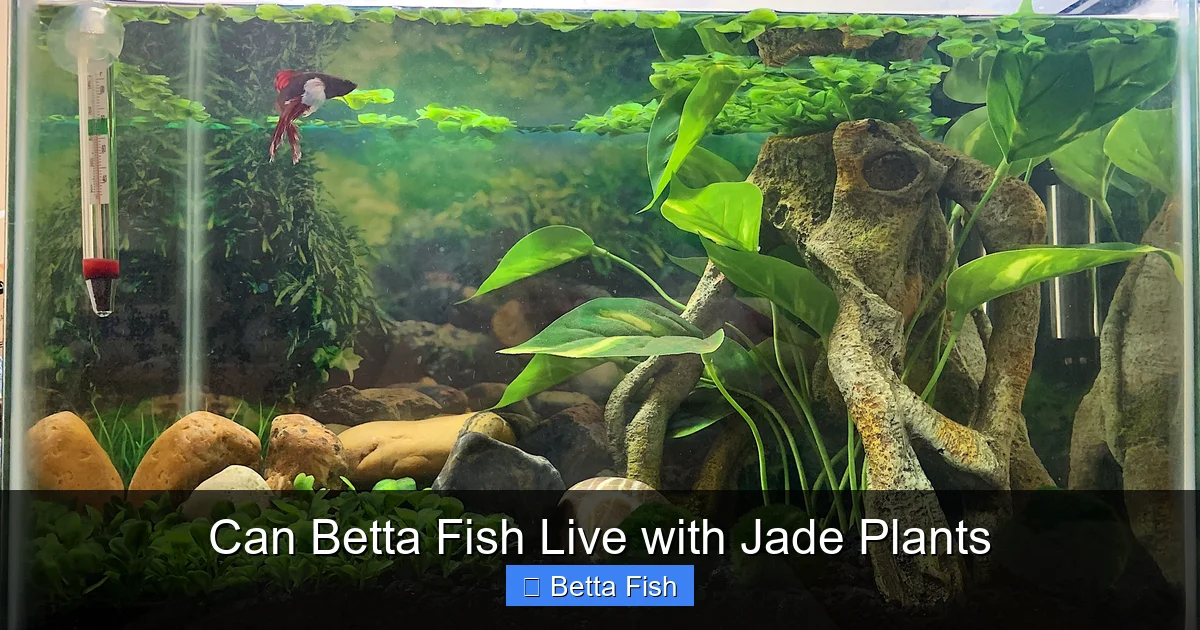
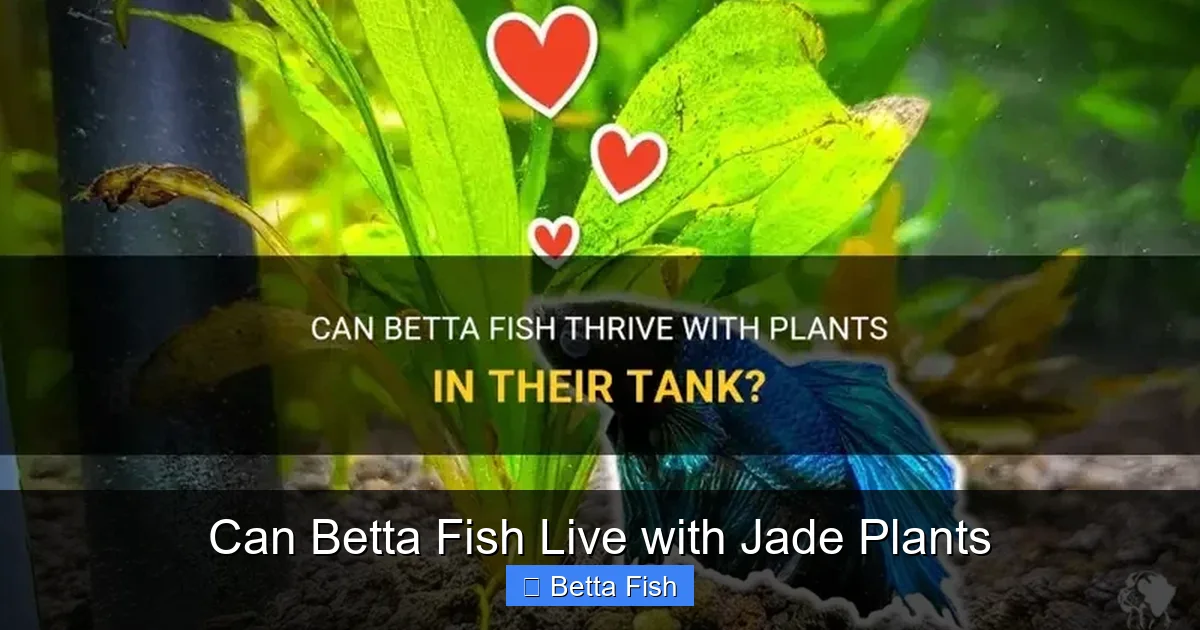
Before we explore alternatives, it’s worth understanding why live plants matter so much for betta fish. In the wild, bettas live among dense vegetation. Plants give them places to hide, rest, and explore. They feel secure when they have cover overhead and around them. A bare tank, even a clean one, can leave a betta feeling exposed and stressed.
Visual guide about Can Betta Fish Live with Jade Plants
Image source: i.pinimg.com
Live plants also help maintain water quality by absorbing nitrates, which are the end product of the nitrogen cycle. While you still need regular water changes, live plants act as a natural filtration supplement. They also provide surfaces for beneficial bacteria to colonize, which helps keep the nitrogen cycle stable. For betta fish, a planted tank is simply a healthier, more enriching environment.
Resting Spots Near the Surface
One of the most charming things about betta fish is their habit of resting near the water’s surface. They have a labyrinth organ that allows them to breathe atmospheric air, so they frequently swim to the top for a gulp of oxygen. Broad-leaved aquatic plants provide perfect resting platforms for bettas. They’ll often lounge on a leaf just below the surface, looking like little underwater royalty. This behavior is natural and healthy, and having the right plants encourages it.
Safe Alternatives to Jade Plants for Your Betta Tank
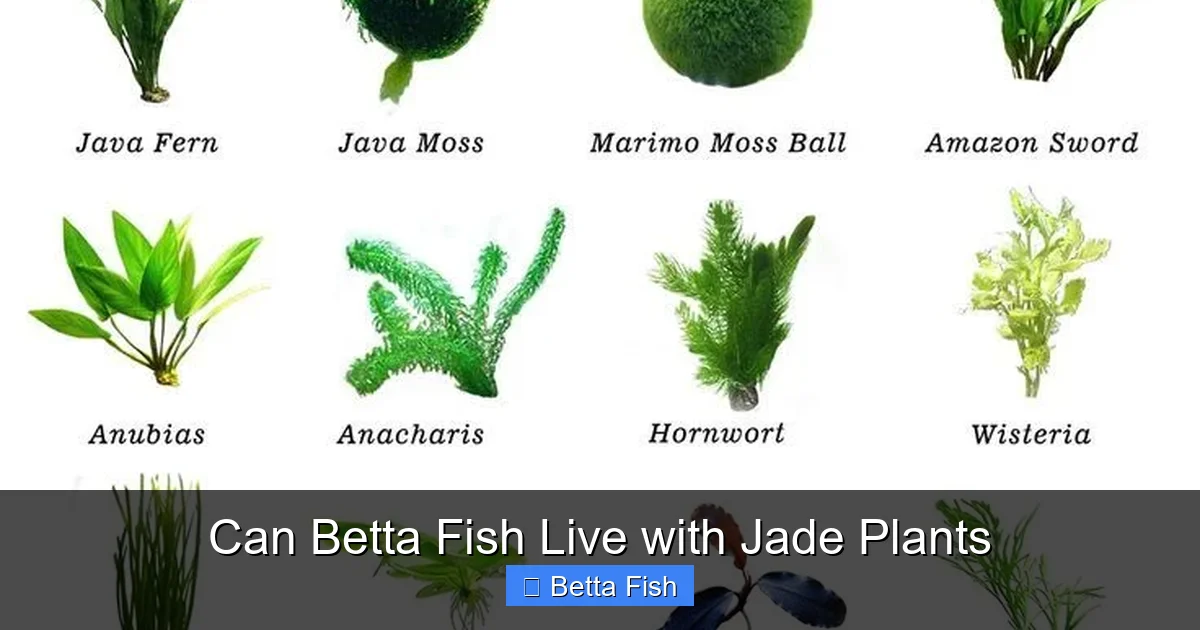
Java Fern — The Beginner’s Best Friend
If you want the lush, green look that a jade plant might provide, Java fern is your best bet. It’s one of the most popular aquarium plants for good reason. It’s nearly indestructible, tolerates a wide range of water conditions, and doesn’t require special lighting or CO2 injection. Java fern has long, flowing leaves that bettas love to rest on and hide behind. You can attach it to driftwood or rocks, and it will grow happily without any substrate at all.
Visual guide about Can Betta Fish Live with Jade Plants
Image source: i.pinimg.com
Anubias — Broad Leaves Bettas Adore
Anubias is another excellent choice that offers broad, sturdy leaves similar in appearance to jade plant leaves. These leaves are perfect for bettas to rest on near the surface. Anubias is a slow-growing plant that thrives in low light and is very easy to care for. Like Java fern, it should be attached to hardscape rather than buried in substrate. Its thick, dark green leaves create a beautiful contrast against your betta’s vibrant colors.
Amazon Sword — A Statement Plant
For larger tanks (20 gallons or more), an Amazon sword makes a stunning centerpiece. It produces broad, long leaves that spread outward, creating a canopy effect that bettas love. Amazon swords are root feeders, so they do best with a nutrient-rich substrate. They grow relatively quickly and can become quite large, providing excellent cover and resting spots for your betta fish.
Vallisneria — Grass-Like Elegance
Vallisneria, often called Vallis, produces long, ribbon-like leaves that sway gently in the water current. It’s easy to grow, propagates quickly, and creates a beautiful grassy backdrop in your tank. Bettas enjoy swimming through the leaves and using them as cover. It’s a great plant for mimicking the natural rice paddy habitat that bettas evolved in.
If you’re interested in learning more about keeping your betta with other tank inhabitants, check out our guide on what other fish can live with betta fish for comprehensive compatibility information.
Creative Ways to Include Jade Plants Near Your Betta Tank
The Paludarium Approach
If you’re determined to have jade plants as part of your betta setup, a paludarium is the way to go. A paludarium is a semi-aquatic enclosure that combines both land and water elements. You can design one where the lower portion is a fully functional aquarium for your betta fish, and the upper portion features terrestrial plants like jade plants growing in soil or a well-draining medium.
Visual guide about Can Betta Fish Live with Jade Plants
Image source: petshun.com
The key is ensuring that the jade plant’s roots don’t sit in stagnant water. You can create a drainage layer that keeps the plant’s root zone moist but not waterlogged. The humidity from the aquarium water below actually benefits the jade plant, and the plant’s roots can help filter some water if designed correctly. This setup requires more planning and maintenance, but the result is a stunning living display that keeps both your betta and your jade plant healthy.
Hanging Planters Above the Tank
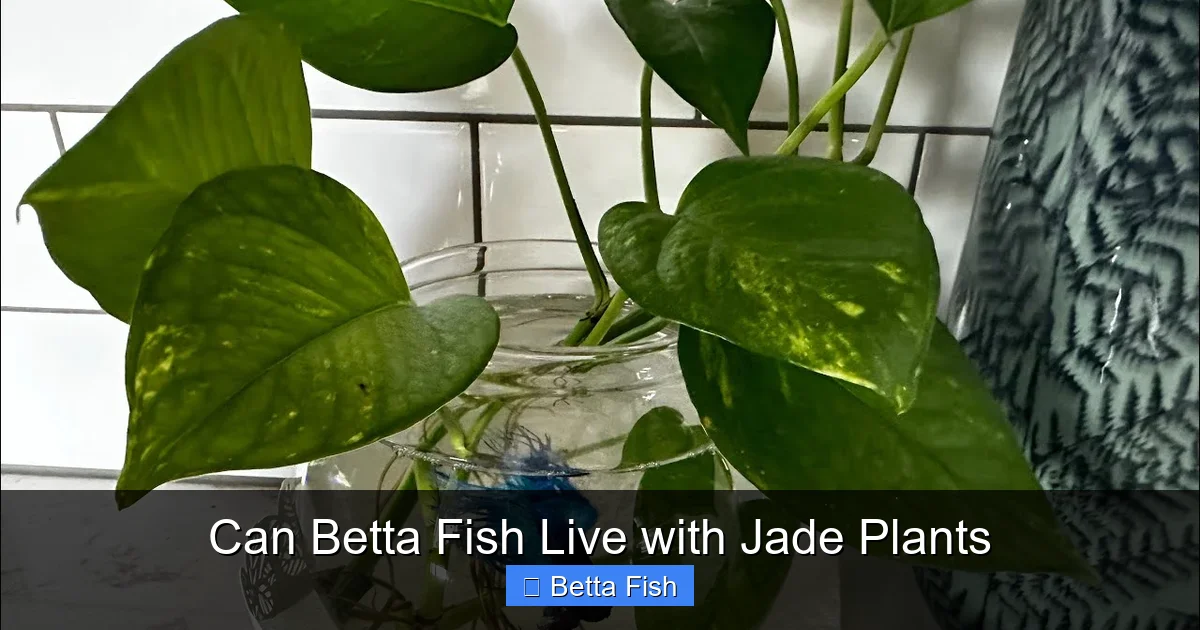
Another creative option is to place jade plant cuttings in small hanging planters positioned above your betta tank. The roots can dangle into the water, absorbing nutrients from the fish waste, while the leaves stay safely above the waterline. This creates a beautiful visual effect — the green jade leaves cascading above the water surface, with roots trailing into the tank like natural decorations.
This setup works because the jade plant gets the moisture it loves without being fully submerged. The roots in the water can also help absorb excess nitrates, acting as a natural filtration aid. Just make sure the leaves never touch the water surface, as prolonged contact with water can cause them to rot.
Riparium Setup
A riparium is similar to a paludarium but focuses more on the water’s edge. It’s designed to showcase plants that grow with their roots in water and their foliage above. Jade plants can work in a riparium setup where the roots are submerged but the crown of the plant stays above the waterline. You’ll need to monitor the plant carefully to ensure the stem doesn’t rot at the water line, but with proper care, this can be a beautiful and functional display.
Setting Up a Betta-Friendly Planted Tank
Choosing the Right Substrate
If you’re going the aquatic plant route, your substrate matters. Betta fish do best with fine sand or smooth gravel. Their delicate fins can be torn by sharp gravel, so avoid anything with rough edges. For planted tanks, consider using a nutrient-rich aquarium soil capped with a thin layer of sand. This provides nutrients for plant roots while keeping the surface safe for your betta.
Visual guide about Can Betta Fish Live with Jade Plants
Image source: i.ytimg.com
Lighting Requirements
Most beginner-friendly aquatic plants, including Java fern and Anubias, do well with moderate lighting. You don’t need expensive LED systems — a standard aquarium light will usually suffice. However, avoid placing your tank in direct sunlight, as this promotes excessive algae growth. Aim for 8 to 10 hours of light per day to keep your plants healthy without encouraging algae blooms.
Water Parameters for a Planted Betta Tank
Betta fish prefer warm water between 76°F and 82°F (24°C to 28°C). The pH should be slightly acidic to neutral, around 6.5 to 7.5. Most aquatic plants tolerate this range well. Keep ammonia and nitrite at zero at all times, and nitrates below 20 ppm. Regular water changes of 25 to 30 percent weekly will keep both your fish and plants thriving. If you want tips on maintaining a clean planted tank, our article on how to clean a betta fish tank with live plants has you covered.
Common Mistakes to Avoid
Using Non-Aquatic Plants in the Tank
The biggest mistake hobbyists make is assuming any plant can go in an aquarium. Succulents, cacti, and most houseplants will rot underwater. Always research whether a plant is truly aquatic before adding it to your betta’s tank. If a plant isn’t sold as an aquarium plant, it probably doesn’t belong submerged in your tank.
Overcrowding the Tank With Plants
While live plants are beneficial, too many can cause problems. Overcrowded tanks restrict swimming space for your betta and can trap debris, leading to poor water quality. Aim for plants that cover about 30 to 50 percent of the tank. This provides enough cover and biological benefits without making the tank feel cramped.
Ignoring Water Quality
Live plants help with water quality, but they don’t replace regular maintenance. You still need to perform weekly water changes, test your water parameters, and remove any dead plant matter promptly. A common misconception is that a heavily planted tank doesn’t need water changes. This simply isn’t true. Your betta fish depends on clean, stable water conditions to stay healthy.
Final Thoughts on Betta Fish and Jade Plants
So, can betta fish live with jade plants? The answer depends entirely on how you set things up. A fully submerged jade plant will rot, pollute the water, and potentially harm your betta fish. That’s a risk not worth taking. However, with a creative approach like a paludarium, hanging planter, or riparium setup, you can absolutely enjoy the beauty of jade plants alongside your betta fish — just keep those glossy leaves above the waterline.
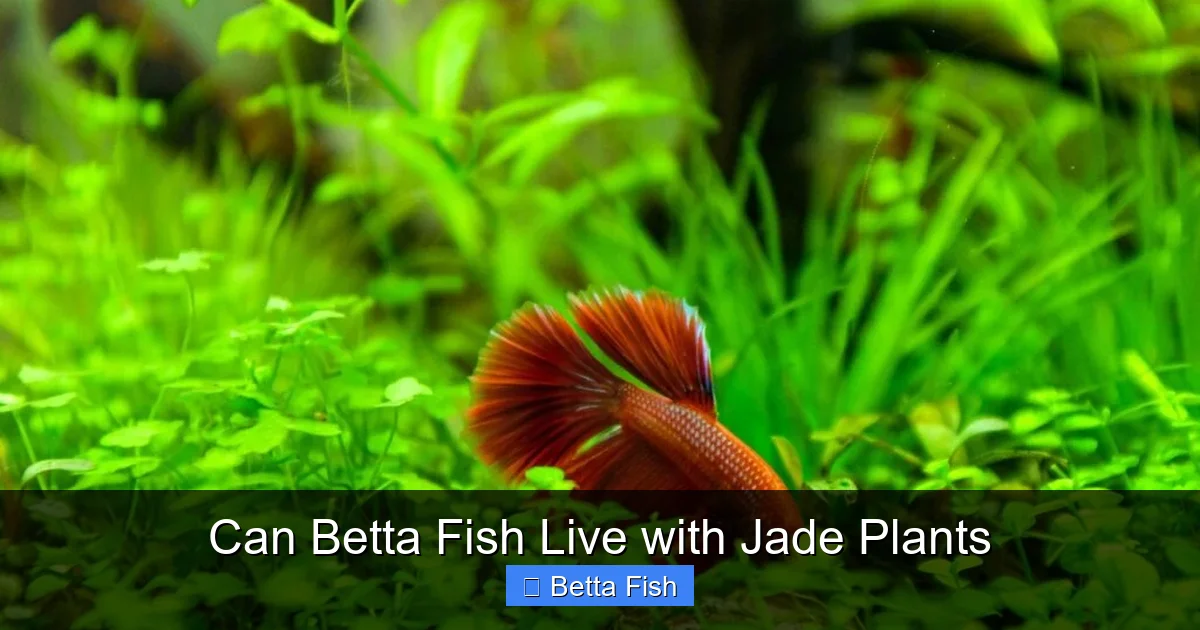
Visual guide about Can Betta Fish Live with Jade Plants
Image source: fantaseaaquariums.com
For most betta owners, the simplest and safest path is to choose true aquatic plants like Java fern, Anubias, or Amazon sword. These plants provide all the benefits your betta needs — natural cover, resting spots, improved water quality, and a beautiful environment — without any of the risks associated with non-aquatic plants. Your betta fish deserves a healthy, thriving habitat, and the right plants make all the difference.
Whether you’re a beginner setting up your first betta tank or an experienced aquarist looking to create a stunning aquascape, always prioritize your fish’s health and safety. Research every plant before it goes in the tank, maintain consistent water quality, and enjoy the process of building a beautiful underwater world for your betta. The effort you put into choosing the right plants will be rewarded with a vibrant, active, and happy betta fish.
Frequently Asked Questions
What is can betta fish live with jade plants?
can betta fish live with jade plants is an important topic with many practical applications.