How to Care for Pregnant Betta Fish
Caring for a pregnant betta fish requires patience, the right tank setup, and proper nutrition. You will learn how to spot the signs of pregnancy, create a safe breeding environment, and support your betta through the entire process. This guide covers everything from pregnancy stages to fry care so you feel confident every step of the way.
Watching a betta fish go from healthy and happy to pregnant is a fascinating experience. Whether you are a seasoned hobbyist or a total beginner, caring for a pregnant betta fish can feel overwhelming at first. But the truth is, it is not as complicated as it seems. With the right knowledge and a little preparation, you can support your betta through every stage of pregnancy and help her produce healthy fry. This guide walks you through everything you need to know in plain, simple language.
Betta fish pregnancy is a short but critical process. A female betta carries eggs internally and releases them during spawning. The whole cycle from mating to free-swimming fry takes about a few weeks. During this time, your fish needs clean water, proper nutrition, and a stress-free environment. Pregnant betta fish care is all about paying close attention to small details. If you get those details right, the results are incredibly rewarding.
Below, you will find everything from early pregnancy signs to post-spawning care. We break each step down so you never feel lost. Let us dive in and make sure your pregnant betta has the best possible experience.
Key Takeaways
- Spot early signs: Know how to identify a pregnant betta fish by her white dot (ovipositor), rounded belly, and behavior changes.
- Set up a proper breeding tank: A separate tank with gentle filtration and hiding spots keeps both the mother and fry safe.
- Feed a nutrient-rich diet: High-quality foods like brine shrimp and daphnia support a healthy pregnancy and strong fry.
- Monitor water conditions closely: Stable temperature and clean water reduce stress and prevent complications during pregnancy.
- Know when to separate the male: Male bettas can become aggressive during breeding, so removing them after egg release is critical.
- Prepare for fry care: From hatching to free-swimming, the first weeks require special attention to food and water quality.
📑 Table of Contents
How to Tell If Your Betta Fish Is Pregnant
Identifying a pregnant betta fish early makes a huge difference. Female bettas do not carry live young like mammals. Instead, they carry eggs inside their bodies until they are ready to release them. Here are the clearest signs to watch for.
The White Dot (Ovipositor)
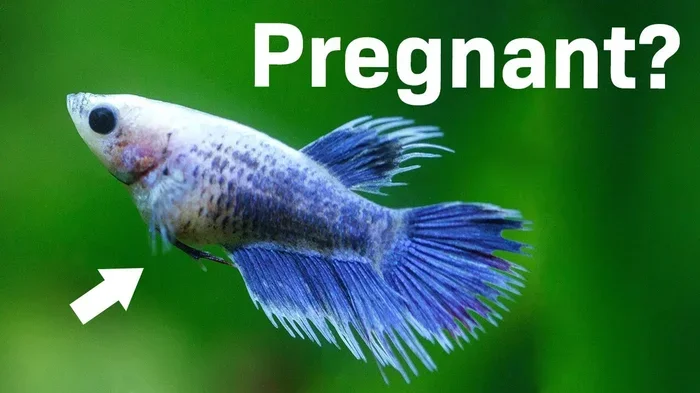
Look closely at the underside of your betta near her belly. A small white dot is the ovipositor, which is where the eggs will come out. This is one of the most reliable signs of pregnancy. If you see this dot, your betta is likely carrying eggs.
Rounded Belly
A pregnant betta develops a noticeably rounder belly compared to her normal shape. However, be careful not to confuse this with bloating caused by illness. A pregnant belly is symmetrical and firm, while a bloated belly often looks uneven or puffy.
Behavior Changes
Your betta may become more lethargic or start building a bubble nest. Some females also eat less right before releasing eggs. Paying attention to these small shifts helps you stay ahead of the process.
Setting Up the Right Tank for a Pregnant Betta
A proper tank setup is one of the most important parts of pregnant betta fish care. Your goal is to create a calm, clean environment that mimics the betta natural habitat as closely as possible.
Tank Size and Shape
A tank of at least 5 gallons works well for a pregnant betta. Larger tanks provide more stable water conditions, which is essential during this sensitive time. Avoid tanks smaller than 3 gallons, as they can cause stress and water quality problems fast.
Filtration and Heating
Use a gentle sponge filter to keep the water clean without creating strong currents. Bettas prefer slow-moving water. Set the heater to maintain a temperature between 78 and 80 degrees Fahrenheit. Stable warmth supports healthy egg development and keeps your fish comfortable.
Plants and Hiding Spots
Add live or silk plants to give your betta places to rest and feel secure. Floating plants like java moss are especially helpful because they provide cover for both the mother and the eggs. Avoid sharp plastic decorations that could injure your fish.
For more detailed guidance on tank setup, check out our article on how to set up a fish tank for betta fish to make sure every detail is covered.
Feeding a Pregnant Betta Fish
Nutrition plays a big role in how healthy your pregnant betta stays and how strong her eggs will be. A well-fed mother produces better-quality eggs and recovers faster after spawning.
Best Foods for a Pregnant Betta
Feed your pregnant betta a varied diet rich in protein. Good options include:
- Brine shrimp — a favorite that boosts energy and nutrition
- Daphnia — helps with digestion and provides essential nutrients
- Bloodworms — great as an occasional treat, not a daily staple
- High-quality betta pellets — the foundation of a balanced diet
Feeding Schedule
Feed your pregnant betta 2 to 3 small meals per day instead of one large one. This mimics her natural eating pattern and prevents overfeeding. Remove any uneaten food after a few minutes to keep the water clean.
Avoid Overfeeding
Overfeeding is one of the most common mistakes people make with pregnant bettas. Excess food decays quickly and pollutes the water. Poor water quality leads to stress, which can cause complications during pregnancy. Keep portions small and feed only what your betta can finish in a couple of minutes.
The Breeding Process and What to Expect
Understanding the breeding process helps you know exactly what is happening and when to step in. Pregnant betta fish go through a specific sequence during spawning, and being prepared makes everything smoother.
Bubble Nest Building
Male bettas build bubble nests at the water surface before breeding. This is a natural instinct and a great sign that your fish are ready to mate. The nest acts as a safe place for the eggs after they are released.
The Spawning Act
During spawning, the male wraps his body around the female to stimulate egg release. The female releases eggs, and the male fertilizes them right away. The male then collects the eggs and places them in the bubble nest. This process can take several hours and may repeat multiple times.
After the Eggs Are Released
Once spawning is complete, remove the female from the tank immediately. The male becomes protective of the eggs and may become aggressive toward the female. Leaving them together after egg release can lead to injury. For more on handling post-spawning situations, see our guide on how to care for sick betta fish if you notice any signs of stress or illness in either fish.
Caring for Betta Fish Eggs and Fry
The eggs hatch within 24 to 48 hours after spawning. For the first few days, the fry stay attached to the bubble nest and absorb their yolk sacs. During this time, the male betta carefully guards the nest and repairs any damaged bubbles.
When the Fry Become Free-Swimming
Once the fry start swimming freely, usually around day 3 or 4, you need to remove the male from the tank. He may start eating the fry if left in the tank. This sounds harsh, but it is simply natural betta behavior. Moving him to a separate tank keeps the fry safe.
Feeding Newborn Fry
Fry need extremely small food during their first week. Good options include:
- Infusoria — microscopic organisms perfect for brand-new fry
- Baby brine shrimp — a nutritious live food that promotes fast growth
- Crushed betta pellets — finely ground for tiny mouths
Water Maintenance for Fry
Keep the water clean by doing small, frequent water changes of about 10 to 15 percent every day. Use a turkey baster to remove debris without sucking up the tiny fry. Stable water parameters are essential for fry survival during these delicate early weeks.
For more tips on maintaining clean water, read our article on how to take care of a betta fish water to keep conditions ideal for both mother and fry.
Common Mistakes to Avoid When Caring for Pregnant Bettas
Even experienced fish keepers make mistakes during the pregnancy and breeding process. Knowing what to avoid saves you time, stress, and potentially the life of your fish.
Skipping the Quarantine Tank
Never breed bettas in your main display tank. A separate breeding tank prevents stress and protects other fish in your aquarium. It also makes it much easier to control water conditions during the sensitive breeding period.
Ignoring Water Quality
Pregnant bettas are especially sensitive to ammonia and nitrite spikes. Test your water regularly and perform small water changes to keep parameters stable. Dirty water is the number one cause of breeding failure and fry loss.
Disturbing the Bubble Nest
Avoid tapping on the tank or creating strong currents near the bubble nest. The male betta works hard to maintain the nest, and any disruption can cause him to abandon or destroy it. Keep the tank in a quiet area of your home.
Overcrowding the Fry Tank
As fry grow, they need more space. Plan to move them into a larger grow-out tank once they reach about one month old. Overcrowding leads to poor water quality, stunted growth, and increased disease risk.
Final Thoughts on Pregnant Betta Fish Care
Caring for a pregnant betta fish is a journey that requires patience, observation, and a little extra effort. From spotting the early signs of pregnancy to feeding tiny newborn fry, every step matters. You now have the knowledge to support your betta through the entire process with confidence.
Remember that each betta is different. Some pregnancies go smoothly, while others need more hands-on attention. The key is to stay calm, monitor water conditions, and respond quickly to any problems. Your betta will thank you with healthy, active fry that bring joy to your aquarium.
If you want to dive deeper into general betta care, take a look at our guide on how to properly care for betta fish for tips that apply year-round. And if you are curious about how to prepare your tap water safely for a breeding tank, our how to use tap water conditioner for betta fish article covers everything you need to know.
Take what you have learned here and put it into practice. Your pregnant betta deserves the best care you can give, and the rewards of successful breeding are truly special. Enjoy the process and celebrate every little milestone along the way.
Frequently Asked Questions
How long is a betta fish pregnant for?
A betta fish is not technically pregnant in the mammalian sense. She carries eggs internally for about 1 to 2 weeks before releasing them during spawning. The entire breeding process from mating to fry becoming free-swimming takes around 3 to 4 weeks.
How many eggs does a betta fish lay at once?
A healthy female betta can lay between 30 and 100 eggs per spawning session. Some experienced females may lay even more. The number depends on her age, size, health, and the quality of her care during the breeding period.
Can a betta fish get pregnant without a male?
No, a female betta cannot produce fertilized eggs without a male. She can carry eggs, but they will not be fertilized and will not develop into fry. A male betta is needed for the spawning and fertilization process to produce healthy baby bettas.
What should I do if my pregnant betta stops eating?
It is normal for a pregnant betta to eat less right before releasing eggs. If she stops eating for more than a few days, check your water parameters and temperature. Poor water quality or illness could be the cause. Try offering favorite foods like live brine shrimp to encourage her appetite.
Should I separate the female betta after spawning?
Yes, you should remove the female immediately after spawning is complete. The male becomes very protective of the eggs and can become aggressive toward the female, potentially injuring her. Move her back to her regular tank to keep her safe.
How do I know if betta eggs are fertilized?
Fertilized eggs are slightly translucent and may develop a small dark spot in the center within 24 hours. Unfertilized eggs will turn white and fuzzy. The male betta will carefully move fertilized eggs into the bubble nest, so watch for this behavior as a good sign.