Can Betta Fish Die from Warm Water

Betta fish are tropical and love warm water, but too‑hot water can quickly become deadly. Understanding the ideal temperature range, signs of heat stress, and how to maintain a stable tank will keep your Betta healthy and vibrant. Follow these easy tips to avoid costly mistakes.
Key Takeaways
- Ideal range: Keep water between 76°F‑82°F (24°C‑28°C) for optimal health.
- Heat stress signs: Gasping, lethargy, faded colors, and clamped fins indicate danger.
- Thermostat matters: Use a reliable aquarium heater with an automatic shut‑off.
- Water changes: Regular partial changes prevent temperature spikes and keep parameters stable.
- Equipment placement: Avoid direct sunlight and place heaters away from décor that can cause hot spots.
- Testing is key: A digital thermometer and regular checks protect against hidden temperature swings.
- Quick response: If water gets too hot, cool it gradually with a fan or chilled water bag—not ice cubes.
📑 Table of Contents
- Introduction: Warm Water – Friend or Foe?
- 1. The Goldilocks Zone: Ideal Temperature for Betta Fish
- 2. Recognizing Heat Stress Early
- 3. Setting Up a Safe Temperature Environment
- 4. Managing Temperature Fluctuations
- 5. Routine Care to Keep Temperatures Stable
- 6. Common Mistakes and How to Avoid Them
- Conclusion: Keep It Cozy, Not Scorching
Introduction: Warm Water – Friend or Foe?
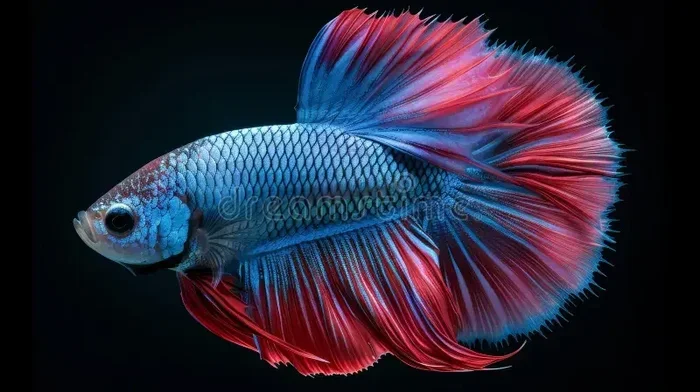
Betta fish (Betta splendens) are famous for their dazzling colors and feisty personalities. Their native home in the shallow rice paddies of Southeast Asia means they are used to warm, slow‑moving water. That’s why many owners think “warmer is better.” The truth is a bit more nuanced. While bettas thrive in tropical temperatures, water that’s too hot can stress their delicate systems and, in severe cases, lead to death.
In this guide we’ll walk through the science behind temperature, the warning signs of overheating, and practical steps you can take to keep the water just right. Think of it as a friendly chat over a cup of tea—simple language, real‑world tips, and a few handy links to related articles on our site.
1. The Goldilocks Zone: Ideal Temperature for Betta Fish
Why 76°F‑82°F?
Betta fish are tropical, so their metabolism is tuned for water that’s comfortably warm. The 76°F‑82°F (24°C‑28°C) range mimics their natural environment and supports:

Visual guide about Can Betta Fish Die from Warm Water
Image source: steelersdepot.com
- Enzyme function: Proper digestion and nutrient absorption.
- Immune health: A stronger defense against bacteria and parasites.
- Color vibrancy: Bright, vivid hues that owners love.
What Happens Above 85°F?
When water climbs above 85°F (29°C), oxygen levels drop sharply. Betta fish breathe surface air with their labyrinth organ, but they still need dissolved oxygen. Over‑heating also speeds up their metabolism, causing:
- Rapid fatigue
- Weakened immune response
- Increased susceptibility to fungal and bacterial infections
Prolonged exposure to temperatures above 90°F (32°C) can be fatal within hours.
2. Recognizing Heat Stress Early
Behavioral clues
Betta fish are good at hiding discomfort, but they do give subtle hints:

Visual guide about Can Betta Fish Die from Warm Water
Image source: i.ytimg.com
- Gasping at the surface: A sign they’re not getting enough oxygen.
- Lethargy: Less swimming, hanging near the bottom.
- Faded coloration: Bright reds and blues turn dull.
- Clamped fins: Fins held close to the body, indicating stress.
Physical symptoms
Look for ragged or torn fins, excessive mucus, or a bloated belly—these can be secondary effects of a stressed immune system.
3. Setting Up a Safe Temperature Environment
Choosing the right heater
A submersible aquarium heater with an adjustable thermostat is essential. Look for models that:
Visual guide about Can Betta Fish Die from Warm Water
Image source: png.pngtree.com
- Have a built‑in safety shut‑off.
- Provide temperature accuracy within ±1°F.
- Are appropriately sized for your tank (typically 25‑50 W for a 2‑gal betta tank).
Thermometer placement
Digital stick‑on or floating thermometers give instant readings. Place the sensor away from direct heater flow to avoid false highs.
Preventing hot spots
Heaters can create pockets of hotter water. Use a gentle water stirrer or a small powerhead to circulate water evenly. Avoid placing the heater near decorations that block flow.
4. Managing Temperature Fluctuations
Seasonal changes
Room temperature can swing with the seasons. In winter, a heater may run constantly; in summer, it may struggle. Keep the tank away from windows, radiators, and air conditioners.
Quick cooling methods
If the water spikes, act fast but gently:
- Turn off the heater.
- Place a fan blowing across the tank’s surface.
- Swap a portion of the water with pre‑cooled (room‑temperature) water. Avoid ice cubes—they cause rapid temperature shock.
When to seek professional help
If your betta shows severe distress despite cooling efforts, consult a veterinarian or an experienced aquarist.
5. Routine Care to Keep Temperatures Stable
Regular water changes
Changing 25‑30% of the water weekly helps maintain stable parameters and removes excess heat that can build up in stagnant water.
Cleaning the heater
Mineral buildup can affect heater performance. Descale gently with a vinegar solution once a month.
Monitoring water quality
High ammonia or nitrite levels can exacerbate stress. Test weekly with a liquid test kit.
6. Common Mistakes and How to Avoid Them
Using hot tap water
Adding hot tap water during a water change can raise the tank temperature suddenly. Always let tap water sit and reach room temperature before use. For more on water sources, read our guide on what water to use for betta fish.
Over‑heating with decorative heaters
Some “decorative” heat rocks look nice but often lack precise control. Stick with a calibrated heater instead.
Leaving the tank in direct sunlight
Sunlight can heat the water quickly and cause algae blooms. Position the tank in a shaded spot.
Conclusion: Keep It Cozy, Not Scorching
Betta fish love warm water, but like us, they have a comfort zone. By maintaining a steady 76°F‑82°F range, watching for stress signs, and using reliable equipment, you can enjoy a healthy, colorful companion for years. Remember, a little vigilance goes a long way—regular checks, proper heater placement, and thoughtful water changes are the keys to preventing heat‑related tragedy.
Got more questions? Dive into our other articles about water quality, such as Can Too Much Water Conditioner Kill Betta Fish and How Often Change Betta Fish Water for deeper insights.
Frequently Asked Questions
Can betta fish survive in water that’s a few degrees above the ideal range?
Short‑term exposure to 83°F‑85°F (28°C‑29°C) is usually tolerated, but prolonged periods can cause stress and health problems.
How quickly can a betta die from water that’s too hot?
In extreme cases (above 90°F/32°C), a betta can succumb within a few hours if oxygen levels drop and stress is severe.
Is a thermostat necessary for a betta tank?
Yes. A reliable thermostat ensures the heater maintains a steady temperature and prevents accidental overheating.
Can I use a regular household thermometer to check tank temperature?
It works, but a digital aquarium thermometer placed away from the heater gives more accurate, real‑time readings.
What should I do if my betta shows signs of heat stress?
Turn off the heater, lower the water temperature gradually with cool (room‑temperature) water, and monitor the fish closely. If symptoms persist, seek expert advice.
Do bettas need a heater in a climate-controlled home?
If the room stays between 75°F‑80°F (24°C‑27°C) year‑round, a heater may not be necessary. However, a small heater with a thermostat provides a safety net against sudden drops.