Can Betta Fish Die from Popeye

Popeye (exophthalmia) is a serious eye condition that can quickly become fatal for betta fish if left untreated. Understanding the signs, underlying causes, and proper care steps will help you save your finned friend and prevent future outbreaks.
Key Takeaways
- Early detection matters: Spotting bulging eyes early gives you a better chance to treat and save your betta.
- Multiple causes: Poor water quality, bacterial infections, parasites, and injuries can all trigger popeye.
- Prompt treatment saves lives: Antibiotics, proper water changes, and supportive care can reverse the condition.
- Prevention is key: Maintain clean water, a balanced diet, and avoid overhandling to keep popeye at bay.
- Watch for related issues: Popeye often accompanies fin rot or swim‑bladder problems, so treat the whole fish.
- Isolation prevents spread: Quarantine a sick betta to protect tank mates.
- Know the limits: In advanced cases, even the best care may not save the fish, and humane euthanasia may be necessary.
📑 Table of Contents
- Introduction: Why Popeye Is a Betta Owner’s Nightmare
- What Is Popeye? Recognizing the Signs
- Root Causes: What Triggers Popeye in Betta Fish?
- Can Popeye Lead to Death? Understanding the Risks
- Step‑by‑Step Treatment Plan
- Preventing Popeye: Best Practices for a Healthy Betta
- Related Health Issues to Watch For
- Conclusion: Acting Fast Can Save Your Betta
Introduction: Why Popeye Is a Betta Owner’s Nightmare
Imagine you’re watching your vibrant betta flare its fins, then you notice one eye looking like a tiny basketball. That’s popeye, or exophthalmia, and it’s not just an ugly look‑alike—it’s a warning sign. For many hobbyists, the first question is simple and urgent: can betta fish die from popeye? The short answer is yes, if the problem is ignored or mis‑treated.
In this article we’ll break down everything you need to know—from what popeye looks like, to why it happens, to the step‑by‑step care plan that can turn a dying betta around. We’ll also share practical tips to keep future outbreaks from happening, and we’ll sprinkle in a few helpful links to related topics on our site.
What Is Popeye? Recognizing the Signs
Definition and medical term
Popeye is the common name for exophthalmia, a condition where the eye protrudes from the socket. In bettas the eye may look swollen, cloudy, or even burst open in severe cases.
Visual checklist
- One or both eyes appear bulged or “ballooned.”
- The eye may be white, yellow, or have a cloudy film.
- Loss of vision—your betta might bump into tank décor.
- Accompanying symptoms: loss of appetite, lethargy, or fin rot.
When to act
If you spot any of these signs, start treatment within 24‑48 hours. The faster you act, the less likely the condition will become fatal.
Root Causes: What Triggers Popeye in Betta Fish?
Poor water quality
High ammonia, nitrite spikes, or elevated nitrate levels stress a betta’s immune system. A cloudy tank often means the water parameters are off, and stress opens the door for bacterial invasion of the eye.

Visual guide about Can Betta Fish Die from Popeye
Image source: 7d9e88a8-f178-4098-bea5-48d960920605.selcdn.net
Bacterial infections
Common culprits include Aeromonas and Pseudomonas. These bacteria can enter through tiny scratches or gill injuries and quickly travel to the eye.
Parasitic infestations
Protozoan parasites like Costia or fluke larvae can cause inflammation that leads to popeye. Parasites are often accompanied by white spots or “cotton‑wool” growths.
Physical trauma
A sudden bump against a rock, a too‑tight net, or aggressive tank mates can bruise the eye. Even a minor scratch can become infected if the water isn’t pristine.
Nutritional deficiencies
Betas need a diet rich in protein, vitamin A, and essential fatty acids. A diet lacking these nutrients weakens the mucous membranes, making the eye more vulnerable.
Can Popeye Lead to Death? Understanding the Risks
Progression timeline
In the first 24 hours the eye may just look swollen. Within 3‑5 days, if untreated, the eye can rupture, causing internal bleeding and a rapid decline in health.

Visual guide about Can Betta Fish Die from Popeye
Image source: s1.milffox.com
Systemic spread
The same bacteria that cause popeye often spread to the gills, skin, or internal organs. This can result in septicemia—a bloodstream infection that is usually fatal for small fish.
When treatment fails
Advanced cases where the eye is ruptured or the fish shows signs of severe organ failure have a poor prognosis. In such scenarios, humane euthanasia is the kindest option.
Step‑by‑Step Treatment Plan
1. Quarantine the sick betta
Move the affected fish to a separate hospital tank (2‑3 gallons) with clean, dechlorinated water. This prevents any pathogens from reaching tank mates.
2. Perform a thorough water change
Replace 75‑80 % of the water with water that matches the temperature and pH of the main tank. Use a water conditioner that neutralizes chlorine and chloramine.
3. Add a broad‑spectrum antibiotic
Medications like Maracyn 2 (active ingredient: erythromycin) or a combination of kanamycin and trimethoprim work well against common bacterial agents. Follow the label dosage—usually 1 mL per 5 g of fish weight, administered daily for 5‑7 days.
4. Treat for parasites if needed
If you suspect parasites (e.g., cotton‑wool growths), add a dip with copper‑based medication or a formalin bath for 30 minutes, then rinse and return the fish to the quarantine tank.
5. Supportive care
- Feed high‑quality betta pellets or frozen bloodworms twice daily.
- Consider adding a probiotic supplement to boost gut immunity.
- Maintain water temperature between 78‑80 °F (25‑27 °C) for optimal immune response.
6. Monitor and reassess
Check the eye daily. If swelling reduces and the eye regains a normal shape, continue the medication course. If the eye continues to bulge or shows signs of rupture, consult a vet or consider humane euthanasia.
Preventing Popeye: Best Practices for a Healthy Betta
Maintain pristine water
Test the water weekly for ammonia, nitrite, nitrate, and pH. Aim for ammonia = 0 ppm, nitrite = 0 ppm, nitrate < 20 ppm, and pH = 6.5‑7.5.
Use a proper tank size
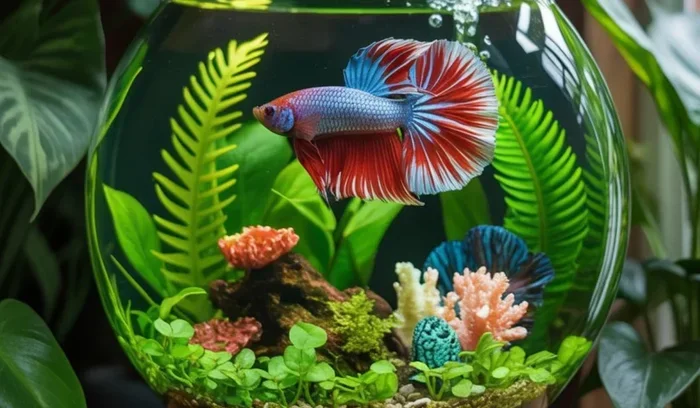
Even a single betta thrives best in a 5‑gallon (19‑liter) filtered tank. A bowl may look cute, but it limits water stability and can accelerate disease. Learn more about why you should avoid keeping betta fish in a bowl.
Provide a balanced diet
Feed a mix of high‑protein pellets, frozen or live foods, and occasional vegetable matter. Read our guide on what can betta fish eat for detailed feeding schedules.
Regular tank cleaning
Partial water changes (25‑30 % weekly) and gravel vacuuming keep waste low. Replace filter media every 4‑6 weeks.
Watch for injuries
Use soft nets, smooth décor, and avoid aggressive tank mates. If you keep other fish, make sure they are peaceful and compatible.
Know when to seek professional help
If the eye condition worsens despite home treatment, a vet experienced with ornamental fish can prescribe stronger antibiotics or discuss humane options.
Related Health Issues to Watch For
Fin rot
Often appears alongside popeye. Look for frayed, white edges on fins. Treatment includes antibacterial medication and improved water quality.
Swim‑bladder disease
Betas with popeye may also float oddly. Adjust feeding habits and keep the water surface calm.
Fins that can grow back
If fin damage occurs, betta fish fins can grow back with proper care, but only if the underlying infection is cleared.
Conclusion: Acting Fast Can Save Your Betta
Popeye is a serious condition, and yes—can betta fish die from popeye? The answer is a firm yes if you ignore it. However, with quick detection, a solid quarantine plan, appropriate medication, and diligent water maintenance, many bettas make a full recovery.
Remember, prevention beats cure. Keep the water clean, feed a balanced diet, and give your betta a spacious, well‑filtered home. When you spot that bulging eye, don’t panic—follow the steps outlined here, and you’ll give your finned companion the best chance to bounce back.
Frequently Asked Questions
What does popeye look like in a betta fish?
Popeye shows as one or both eyes bulging out of the socket, often with a cloudy or white appearance. The fish may also swim erratically or bump into objects.
Can poor water quality cause popeye?
Yes. High ammonia, nitrite, or nitrate levels stress a betta’s immune system, making bacterial infections that lead to popeye much more likely.
Is there a home remedy for popeye?
While a full water change and isolation are essential, effective treatment usually requires a proper antibiotic. Home remedies alone rarely cure the infection.
How long does it take for a betta to recover from popeye?
With prompt treatment, most bettas show improvement within 3‑5 days and can fully recover in 1‑2 weeks. Recovery time varies with the severity of the infection.
Should I euthanize a betta with severe popeye?
If the eye has ruptured, the fish is not eating, and there are signs of systemic infection, humane euthanasia may be the kindest option. Consult a vet for guidance.
Can I keep other fish with a betta recovering from popeye?
No. Keep the sick betta in quarantine until fully healed to prevent spreading bacteria or parasites to tank mates.