Can Betta Fish Close Their Eyes

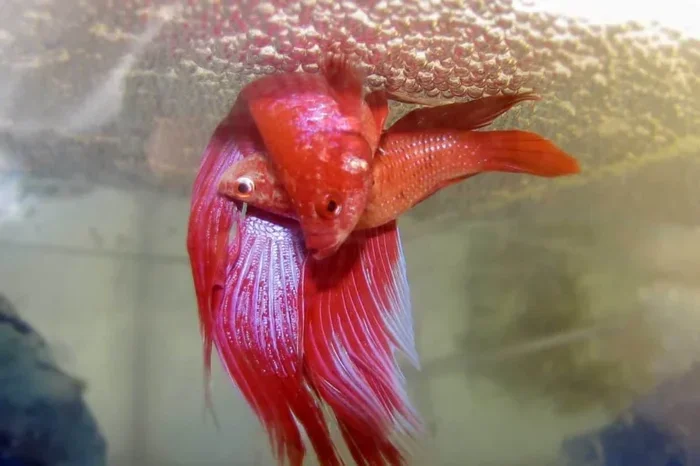
Betta fish cannot close their eyes because they lack eyelids, so they’re always “open‑eyed.” Understanding this quirk helps you spot signs of stress or illness and give your finned friend the best care.
Key Takeaways
- Betta fish have no eyelids: Their eyes stay open all the time, so they never “blink.”
- Eyes protect themselves: A thin, transparent membrane covers the eye and keeps it safe.
- Stress shows in the eyes: Cloudiness, redness, or swelling indicate health problems.
- Good water quality matters: Clean, stable water reduces eye irritation.
- Proper lighting helps: Too much bright light can stress the eyes; use a gentle aquarium lamp.
- Observe behavior: Rapid swimming or rubbing against objects can signal eye discomfort.
- Know the limits: Betta eyes cannot “close,” but you can protect them with proper care.
📑 Table of Contents
- Introduction: The Curious Case of the Ever‑Open Betta Eye
- 1. Betta Eye Anatomy – Why There Are No Eyelids
- 2. What “Closed Eyes” Would Look Like – And Why It Doesn’t Happen
- 3. How to Keep Betta Eyes Healthy
- 4. Common Eye Problems in Betta Fish
- 5. Frequently Asked Questions About Betta Eyes
- 6. Practical Tips for New Betta Owners
- Conclusion: Embrace the Open‑Eyed Beauty
Introduction: The Curious Case of the Ever‑Open Betta Eye
If you’ve ever watched a betta fish glide through the water, you might have noticed something odd – the little swimmer’s eyes never seem to shut. Unlike us, bettas don’t blink, and they certainly don’t squint. This can be a bit unsettling for new owners who wonder if their pet is uncomfortable or even in pain.
In this friendly, easy‑to‑read guide we’ll explore the anatomy behind the betta’s permanent stare, explain why they can’t close their eyes, and give you practical tips to keep those eyes bright and healthy. By the end, you’ll be able to spot eye‑related warning signs and feel confident that your betta is thriving.
1. Betta Eye Anatomy – Why There Are No Eyelids
1.1 The basic structure
Betta fish belong to the family Osphronemidae. Like most fish, they have a simple eye design: a spherical lens, a retina, and a protective outer layer called the cornea. What they lack is an eyelid or a nictitating membrane (the “third eyelid” some reptiles have).

Visual guide about Can Betta Fish Close Their Eyes
Image source: thumbs.dreamstime.com
1.2 The protective membrane
Instead of eyelids, bettas have a thin, transparent membrane called the conjunctiva. This tissue covers the eye and produces a constant, lubricating mucus. The mucus keeps the eye moist, washes away debris, and protects against bacteria.
1.3 How the eye stays clean
- Water flow constantly rinses the surface.
- The fish’s own slime coat adds an extra barrier.
- Regular water changes prevent buildup of harmful particles.
Because of these built‑in defenses, bettas have never needed to blink.
2. What “Closed Eyes” Would Look Like – And Why It Doesn’t Happen
2.1 The myth of blinking
Many aquarium hobbyists assume that a fish that doesn’t blink might be stressed. In reality, blinking is a mammalian trait linked to tear production. Fish, including bettas, rely on the surrounding water to keep their eyes moist.

Visual guide about Can Betta Fish Close Their Eyes
Image source: cdn.sarah30.com
2.2 Signs you might mistake for “closed eyes”
Sometimes a betta’s eye can appear dull or cloudy. This is often a sign of:
- Fin rot spreading to the eye area.
- Water quality problems (high ammonia or nitrite).
- Physical injury from a sharp décor piece.
These conditions do not mean the fish is “closing” its eye; they indicate a health issue that needs attention.
3. How to Keep Betta Eyes Healthy
3.1 Maintain pristine water
Good water quality is the single most important factor. Perform 25‑30% weekly water changes, use a reliable filter, and test for ammonia, nitrite, and nitrate.

Visual guide about Can Betta Fish Close Their Eyes
Image source: i.ytimg.com
3.2 Choose the right lighting
Bright, harsh light can cause eye strain. Opt for a low‑to‑moderate intensity LED that mimics a natural day‑night cycle (10‑12 hours on, 10‑12 hours off). Avoid direct sunlight that can overheat the tank.
3.3 Provide appropriate décor
Sharp plastic plants or rough rocks can scratch the eye. Use smooth, natural‑looking décor and ensure any ornaments are aquarium‑safe.
3.4 Watch for abnormal behavior
If your betta repeatedly rubs its head against the tank glass, it may be trying to relieve irritation. This is a cue to check water parameters and look for signs of infection.
4. Common Eye Problems in Betta Fish
4.1 Cloudy or “milky” eyes
Often caused by bacterial infection or poor water quality. Treat with a broad‑spectrum antibiotic such as Maracyn 2 after confirming the diagnosis.
4.2 Red or inflamed eyes
Usually a response to irritation or a parasite like Ichthyophthirius multifiliis. A dip in a formalin‑based medication can help, but first adjust the tank conditions.
4.3 Eye prolapse (exophthalmia)
Rare but serious. It can result from severe infection, trauma, or a genetic defect. Immediate veterinary care is recommended.
5. Frequently Asked Questions About Betta Eyes
5.1 Do bettas ever “sleep” with their eyes closed?
No. Betta fish rest by staying still near the bottom or hiding among plants, but their eyes remain open.
5.2 Can I use eye drops on my betta?
Never. Fish absorb substances through their skin and gills; eye drops meant for humans can be toxic.
5.3 Will a larger tank help my betta’s eye health?
Yes. A larger tank offers better water stability, more swimming space, and reduces stress, all of which benefit eye health.
6. Practical Tips for New Betta Owners
6.1 Set up a proper home
Start with a 5‑gal (or larger) tank, a gentle filter, and a heater set to 78‑80°F (25‑27°C). Add live or silk plants for natural cover.
6.2 Feed a balanced diet
High‑quality betta pellets supplemented with occasional frozen or live foods (brine shrimp, daphnia) keep the immune system strong, which helps prevent eye infections. Learn more about diet at What Can Betta Fish Eat.
6.3 Observe daily
Spend a few minutes each day watching your betta’s swimming pattern, coloration, and eye clarity. Early detection of problems makes treatment easier.
6.4 When to seek help
If you notice persistent cloudiness, swelling, or a sudden change in behavior, isolate the fish in a hospital tank and begin a targeted treatment plan. Consulting a veterinarian familiar with fish is the safest route.
Conclusion: Embrace the Open‑Eyed Beauty
Betta fish can’t close their eyes, and that’s perfectly normal. Their permanent stare is a result of evolution, not discomfort. By providing clean water, appropriate lighting, and a stress‑free environment, you give your betta the best chance to keep those eyes sparkling.
Remember, a healthy betta’s eyes are clear, bright, and free of swelling. Keep an eye (no pun intended) on water parameters, watch for any changes, and you’ll enjoy a vibrant, active companion for years to come.
Frequently Asked Questions
Can betta fish close their eyes?
No. Betta fish lack eyelids, so their eyes stay open their entire lives.
Why do betta fish have always‑open eyes?
They have a protective, lubricating membrane that keeps the eye moist, eliminating the need for blinking.
What does a cloudy eye indicate?
Cloudiness often signals an infection or poor water quality and should be treated promptly.
How often should I change my betta’s water?
Replace about 25‑30% of the water weekly and test for ammonia, nitrite, and nitrate each change.
Can lighting affect my betta’s eyes?
Yes. Bright, harsh light can cause eye strain; use a moderate LED and provide a regular day/night cycle.
What should I do if my betta rubs its head against the glass?
Check water parameters, look for debris or sharp décor, and treat any signs of infection before they worsen.