Can Betta Fish Be with Tetras
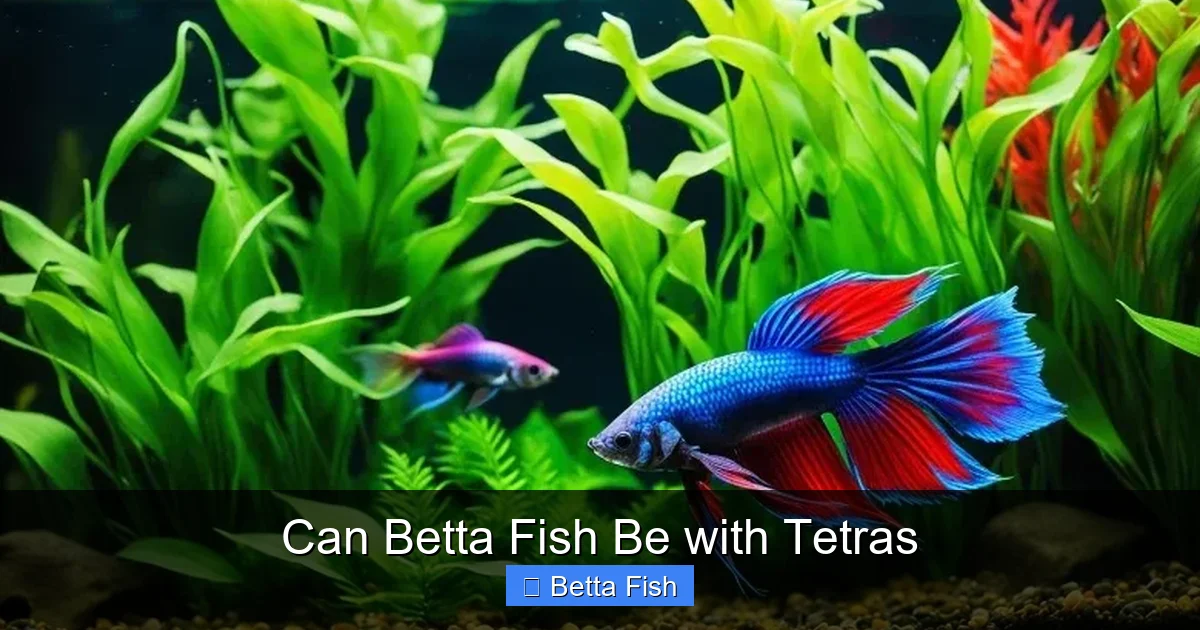
Betta fish can sometimes share a tank with tetras, but success depends on tank size, temperament, and careful species selection. Providing plenty of hiding spots, monitoring behavior, and maintaining optimal water conditions are essential for a harmonious community.
Key Takeaways
- Tank size matters: A minimum of 20 gallons gives both bettas and tetras enough space to establish territories.
- Choose peaceful tetras: Neon, ember, and ember tetras are less likely to trigger a betta’s aggression.
- Provide plenty of cover: Live plants, driftwood, and ornaments create safe zones for shy tetras.
- Watch water parameters: Keep temperature between 75‑80 °F and pH around 6.5‑7.5 for both species.
- Monitor behavior daily: Early signs of fin‑nipping or stress require immediate tank rearrangement.
- Sex matters: Male bettas are more territorial; a female betta may be more tolerant of tetras.
- Gradual introduction works best: Use a quarantine or breeder box to let fish get used to each other’s scent.
📑 Table of Contents
Introduction: The Betta‑Tetra Question
If you’ve ever wondered, “Can betta fish be with tetras?” you’re not alone. Many hobbyists love the bright colors of both species and imagine a lively, rainbow‑filled community tank. The reality, however, is a bit more nuanced. Betta fish—especially males—are known for their bold personalities and territorial streaks, while tetras are small, schooling fish that thrive in groups.
In this guide we’ll walk through the science behind their compatibility, the right tank setup, species selection, and step‑by‑step introductions. By the end, you’ll know exactly what it takes to keep a betta and tetras together safely—or when it’s best to give them separate homes.
Understanding Betta Behavior
Why bettas can be aggressive
Betta fish (Betta splendens) evolved in shallow, slow‑moving waters where they defended tiny territories from rivals. This natural instinct shows up as flaring gills, expansive fins, and occasional fin‑nipping. Males are especially protective of their space, while females tend to be a bit more relaxed.
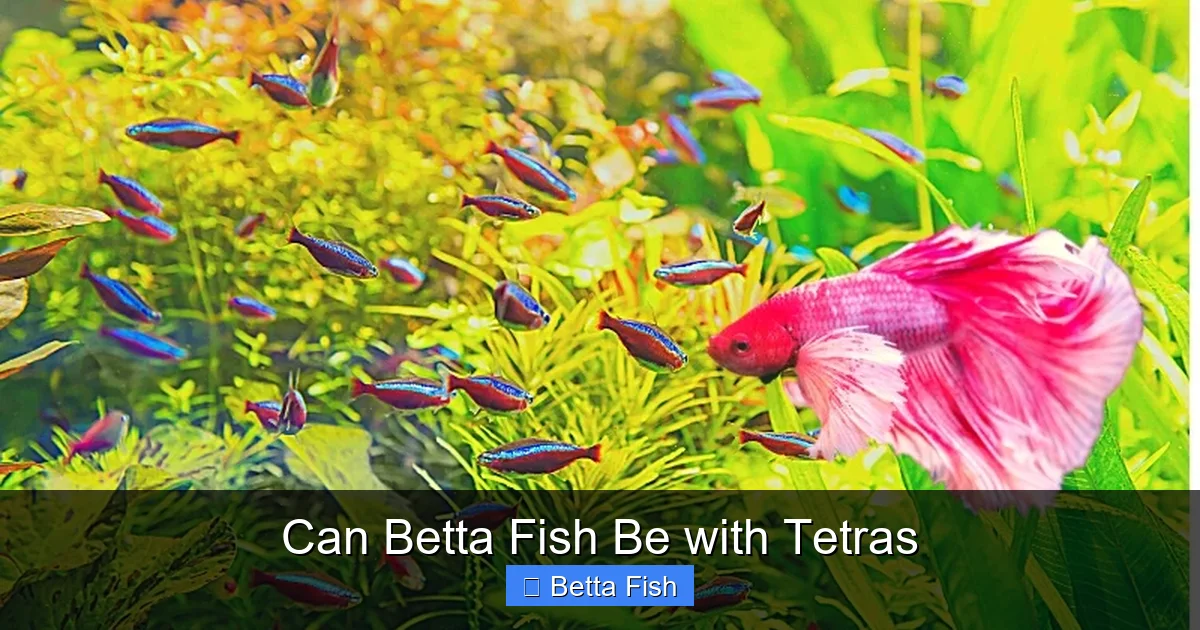
Visual guide about Can Betta Fish Be with Tetras
Image source: infishtank.com
Male vs. female bettas
Male bettas are the classic “Siamese fighting fish” with vivid colors and large fins. Their aggression is strongest toward other males and fish that look similar. Female bettas are smaller, less flamboyant, and often tolerate tank mates better, though they can still act defensively if stressed.
What triggers aggression?
- Brightly colored, long‑fin fish that resemble a betta.
- Overcrowding or lack of hiding places.
- Rapid changes in water parameters.
- Improper introduction methods.
Understanding these triggers helps you design a tank that minimizes conflict.
Choosing the Right Tetras
Best tetra species for betta tanks
Not all tetras are created equal. The safest companions are small, fast‑moving, and non‑aggressive. Here are three top choices:
Visual guide about Can Betta Fish Be with Tetras
Image source: petfishonline.com
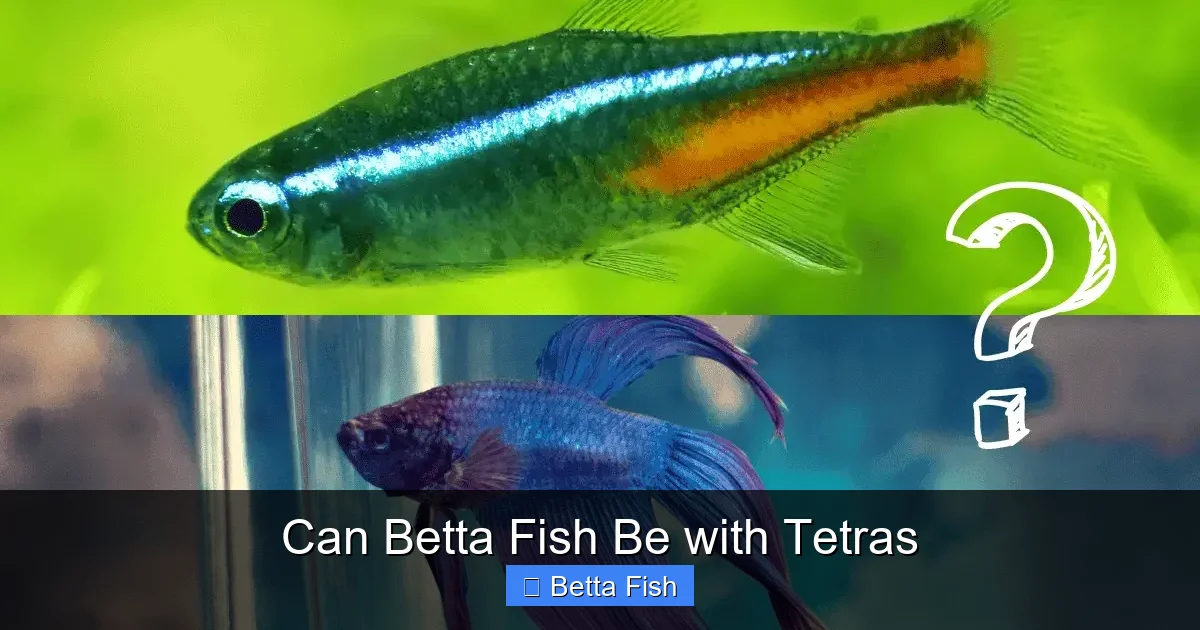
- Neon Tetra (Paracheirodon innesi): Their neon blue stripe is vivid but not fin‑like, reducing the chance of a betta mistaking them for a rival.
- Ember Tetra (Hyphessobrycon amandae): A deep orange hue that blends well with betta colors without provoking.
- White Cloud Tetra (Tanichthys albonubes): Calm, hardy, and a bit larger, making them less likely to be bullied.
Species to avoid
Long‑fin tetras, such as the Black Skirt or Fancy varieties, can trigger a betta’s territorial response. Similarly, brightly colored, fin‑tall fish like guppies or other bettas should be kept separate.
Setting Up a Community Tank
Tank size and layout
Space is the most critical factor. A 20‑gallon long tank provides ample horizontal swimming room, which lets tetras school and bettas claim a corner. Use a divider or a dense planting area to give the betta a defined “home base.”

Visual guide about Can Betta Fish Be with Tetras
Image source: bettacarefishguide.com
Plants, décor, and hiding spots
Live plants such as Java fern, Anubias, and Amazon swords not only improve water quality but also create visual barriers. Add driftwood, caves, and smooth rocks to break sight lines. The more cover you provide, the less likely a betta will feel threatened.
Water parameters
Both bettas and tetras thrive in similar water conditions:
- Temperature: 75‑80 °F (24‑27 °C)
- pH: 6.5‑7.5
- Hardness: 3‑10 dGH
- Gentle filtration to avoid strong currents.
Regular water changes (25 % weekly) keep nitrate levels low and prevent stress.
Introducing Betta and Tetras
Quarantine and health checks
Before any introduction, quarantine new fish for at least two weeks. This prevents disease spread and gives you a chance to observe each fish’s health.
Step‑by‑step introduction
- Set up a breeder box: Place the betta in a clear plastic container with mesh sides inside the main tank. This allows scent exchange without direct contact.
- Observe for 24‑48 hours: Look for signs of stress—pale color, rapid breathing, or fin clamping.
- Gradual release: Open the box’s lid or lift a side panel for a few minutes each day, letting the fish see each other.
- Full integration: After a week of calm behavior, gently net the betta out and place it back into the tank, watching closely for aggression.
Patience is key. If the betta flares or nips, re‑introduce the barrier and try again later.
Signs of Compatibility and When to Separate
Positive indicators
- Both species swim without chasing.
- Tetras remain in their school and do not hide constantly.
- The betta displays normal coloration and relaxed fin posture.
Warning signs
- Fin‑nipping on tetras (visible torn fins).
- Betta constantly flaring at the glass.
- Stressed tetras staying at the bottom or showing loss of color.
If any of these occur, consider moving the betta to a separate tank or choosing a different community setup.
Alternative Community Options
If tetras prove too stressful, there are other peaceful tank mates that often get along well with bettas:
- Snails (e.g., Nerite or mystery snails) – they clean algae and are too slow to bother a betta.
- Mini shrimp such as Cherry or Ghost shrimp – provide activity without provoking aggression.
- Small rasboras or dwarf gouramis – similar size and calm demeanor.
For more ideas on compatible tank mates, see our article on Which Fish Can Be Kept With Betta.
Conclusion: Making the Betta‑Tetra Pair Work
Can betta fish be with tetras? Yes, but only under the right conditions. Choose peaceful tetra species, provide a spacious, well‑planted tank, and introduce the fish slowly. Keep a close eye on behavior and be ready to adjust if aggression appears. When done correctly, a betta‑tetra community can be a stunning, lively display that brings joy to any aquarium hobbyist.
Frequently Asked Questions
Can a male betta live with tetras?
Male bettas are more territorial, so they can live with tetras if the tank is large enough (20 gallons+) and the tetras are peaceful, fast‑moving species.
Do female bettas get along better with tetras?
Female bettas are generally less aggressive, making them a safer choice for a community tank with small schooling fish like tetras.
What tank size is recommended for bettas and tetras together?
A minimum of 20 gallons is ideal. Larger tanks (30‑40 gallons) provide even more security and space for both species to establish territories.
How can I tell if my betta is stressed by tetras?
Watch for constant flaring, loss of color, or frequent fin‑nipping. Stressed tetras may hide at the bottom or lose their bright coloration.
Are there any plants that help reduce betta aggression?
Yes—dense, slow‑growing plants like Java fern, Anubias, and Vallisneria create visual barriers and give both fish places to retreat.
What should I do if the betta starts nipping the tetras?
Immediately separate the fish. Re‑evaluate tank size, décor, and species choice. Consider keeping the betta alone or selecting different, more compatible tank mates.