Betta fish are often seen as solitary fighters, but with the right tank setup and compatible tank mates, they can coexist peacefully. Understanding temperament, tank size, and species selection is key to preventing stress and aggression.
Key Takeaways
- Temperament matters: Male bettas are territorial, while females are generally more social.
- Tank size is crucial: A minimum of 10‑20 gallons provides enough space for a betta and compatible neighbors.
- Choose peaceful, non‑fin‑nipping species: Small tetras, rasboras, and certain shrimp are good options.
- Provide plenty of hiding spots: Plants, caves, and decorations reduce stress and territorial disputes.
- Monitor behavior daily: Early signs of stress or aggression should prompt a tank rearrangement.
- Water parameters must stay stable: Betta‑friendly pH (6.5‑7.5) and temperature (76‑82°F) benefit all occupants.
- Gradual introductions work best: Use a quarantine or hospital tank to acclimate new fish before adding them to the community.
📑 Table of Contents
- Introduction: The Myth of the Lonely Betta
- 1. Betta Temperament – What Drives Their Aggression?
- 2. Choosing the Right Tank Size and Setup
- 3. Compatible Species – Who Gets Along?
- 4. Step‑by‑Step Introduction Process
- 5. Maintaining Peace – Ongoing Care Tips
- Conclusion: A Balanced Community Is Possible
Introduction: The Myth of the Lonely Betta
When most people think of a betta fish, they picture a solitary, flamboyant warrior flaring its fins at any intruder. That image isn’t wrong—male bettas are famous for their aggressive streak. But the idea that they must live alone forever is a myth that keeps many hobbyists from creating beautiful, mixed‑species tanks.
In reality, a betta can share a well‑planned aquarium with other fish, shrimp, or even snails. The key is understanding the betta’s natural behavior, the needs of potential tank mates, and the environment you provide. In this guide we’ll answer the question “can betta fish be with another fish?” and walk you through every step of creating a peaceful community tank.
1. Betta Temperament – What Drives Their Aggression?
Male vs. Female Betta
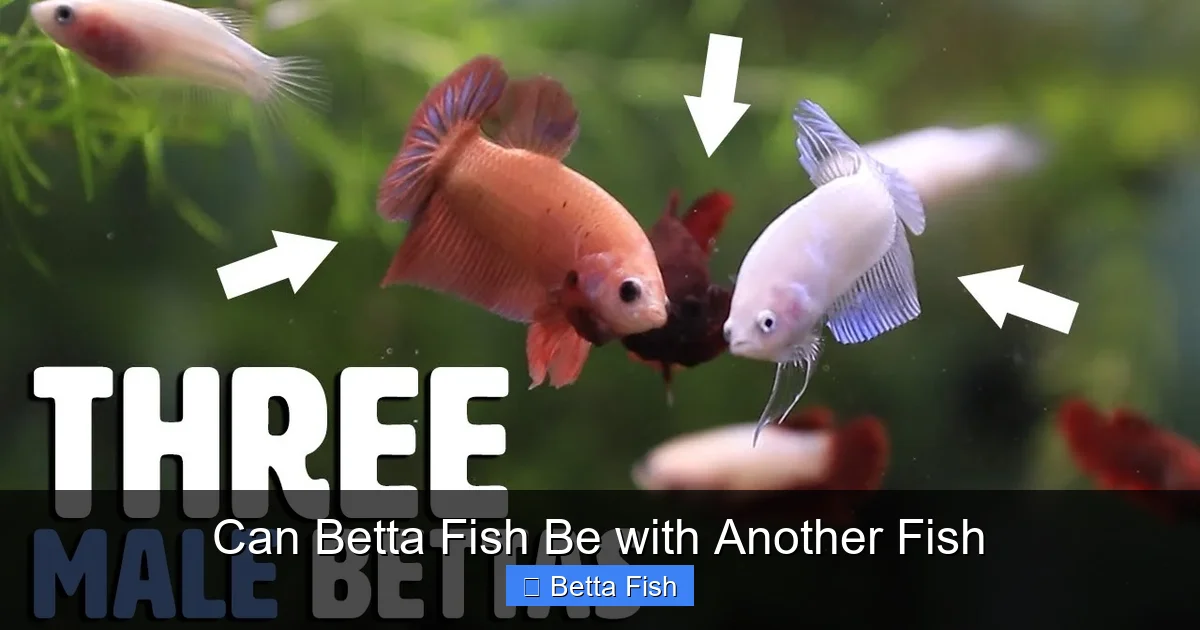
Male bettas are the classic “Siamese fighting fish.” Their bright colors and large, flowing fins are a product of sexual selection. In the wild they defend a small territory and will fight any other male that enters it. Females, on the other hand, are less flamboyant and tend to be more sociable. A single female can often live with several small, non‑aggressive fish without problems.

Visual guide about Can Betta Fish Be with Another Fish
Image source: ekk4j69ebaa.exactdn.com
Triggers for Aggression
Two main things set off a betta’s defensive response:
- Fin nipping: Any fish that darts close enough to nip a betta’s long fins will be seen as a threat.
- Territorial encroachment: Sudden movements, bright colors, or similar fin shapes can be mistaken for a rival.
Understanding these triggers helps you avoid choosing tank mates that look like “mini‑betas” or that constantly swim near the surface where bettas like to hang out.
2. Choosing the Right Tank Size and Setup
Why Bigger Is Better
A 5‑gallon bowl may look cute, but it gives a betta no room to establish a territory separate from its companions. Most experts recommend at least 10 gallons for a single betta with peaceful roommates, and 20 gallons if you want a larger community. More water means more stable parameters and less stress for every inhabitant.
Visual guide about Can Betta Fish Be with Another Fish
Image source: i.ytimg.com
Layout Tips for Harmony
- Vertical space: Use tall plants or driftwood to create multiple layers. A betta will often claim the upper half, while smaller fish can occupy the middle and lower zones.
- Hiding places: Caves, ceramic pots, and dense foliage give shy fish a place to retreat when the betta flares.
- Open swimming area: Keep a clear zone where the betta can show off its fins without feeling cramped.
3. Compatible Species – Who Gets Along?
Small, Fast‑Swim‑Away Fish
Fish that are too quick to be caught and that stay near the bottom are usually safe. Examples include:
Visual guide about Can Betta Fish Be with Another Fish
Image source: aquariadise.com
- Neon or ember tetras
- Harlequin rasboras
- White cloud mountain minnows
These species are small enough not to trigger the betta’s territorial instincts, and they tend to ignore each other’s presence.
Invertebrate Options
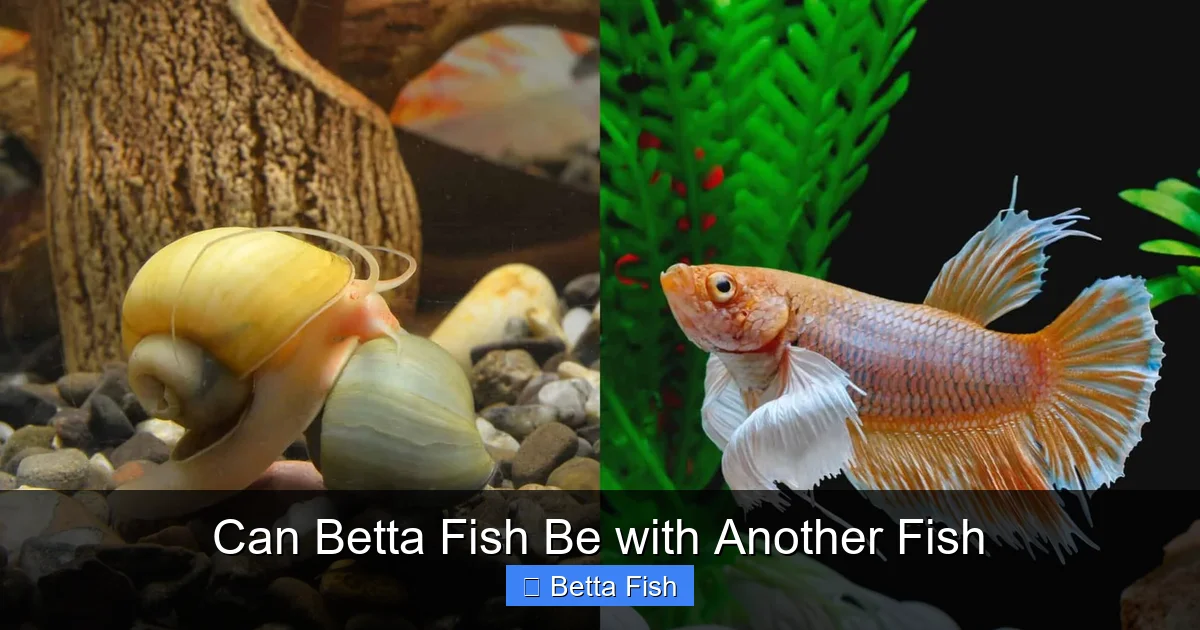
Many hobbyists add shrimp or snails for cleanup and visual interest. Freshwater shrimp such as cherry or ghost shrimp are popular because they are fast enough to evade a curious betta. Snails, especially nerite or mystery snails, are also safe and help control algae.
Read more about shrimp compatibility in our article Can Shrimp Be With Betta Fish, and learn about snails at Can Snails Be With Betta Fish.
Species to Avoid
Stay away from fish that have long, flowing fins (guppies, fancy goldfish) or that are known fin nippers (corydoras, loaches). Even peaceful species can become a problem if their coloration mimics a male betta.
Gender‑Specific Recommendations
If you have a female betta, you have a bit more flexibility. A small group of peaceful tetras or rasboras can thrive together. For a male, stick to the “one‑betta‑plus‑several‑tiny‑fish” rule and keep an eye on any signs of stress.
4. Step‑by‑Step Introduction Process
Quarantine First
Never add new fish directly to a community tank. Use a separate quarantine or hospital tank for at least two weeks to watch for disease.
Acclimation Technique
- Float the bag containing the new fish in the betta tank for 15‑20 minutes to equalize temperature.
- Gradually add small amounts of tank water to the bag every 5 minutes.
- After the water level matches, gently release the fish into a rear corner of the tank, away from the betta.
Observation Period
Watch for the first 48‑72 hours. If the betta flares but does not attack, give it a few more days. If you see fin damage or the betta is constantly chasing, be ready to separate them.
5. Maintaining Peace – Ongoing Care Tips
Water Quality
Betas prefer slightly acidic to neutral water (pH 6.5‑7.5) and a temperature of 76‑82°F. Stable parameters keep stress low for all fish. Test weekly and perform 25‑30% water changes every week.
Feeding Strategies
Feed the betta in the upper half of the tank with a sinking pellet or freeze‑dried brine shrimp. Offer floating foods to the community fish at the surface. This reduces competition and keeps the betta from feeling threatened.
Re‑arranging Decorations
If aggression spikes, rearrange rocks, plants, and driftwood. A new layout can break established territories and give the betta a fresh “home base.”
Regular Health Checks
Look for faded colors, torn fins, or loss of appetite. Early intervention prevents a minor issue from becoming a tank‑wide problem.
Conclusion: A Balanced Community Is Possible
So, can betta fish be with another fish? Absolutely—if you respect their temperament, give them enough space, and choose the right companions. By following the guidelines above, you can enjoy the vivid beauty of a betta alongside the lively motion of tetras, rasboras, shrimp, or snails. Remember, patience and observation are your best tools. With a little care, your betta’s tank can become a thriving, colorful community rather than a lonely arena.
Frequently Asked Questions
Can a male betta live with other fish?
Yes, a male betta can share a tank with small, fast‑swimming fish that stay out of the surface layer. Choose species like neon tetras or rasboras and provide plenty of hiding spots.
Are female bettas better for community tanks?
Female bettas are generally less aggressive and can tolerate a larger group of peaceful fish. They are a good option if you want a more social community.
What are the safest invertebrates to keep with a betta?
Cherry shrimp, ghost shrimp, and nerite snails are popular choices because they are quick enough to avoid the betta’s curiosity and help clean the tank.
How big should the tank be for a betta and tank mates?
At minimum, use a 10‑gallon tank for a betta with a few small fish. For a larger community, 20 gallons or more is recommended to maintain stable water conditions.
What signs show that a betta is stressed by its tank mates?
Look for constant flaring, faded colors, torn fins, or the betta hiding for long periods. These indicate that the environment is too stressful and adjustments are needed.
Can I keep a betta with a goldfish?
It’s not advisable. Goldfish produce a lot of waste, require cooler water, and their size and fin shape can trigger aggression in a betta.

