Can Betta Fish Be Kept in the Dark
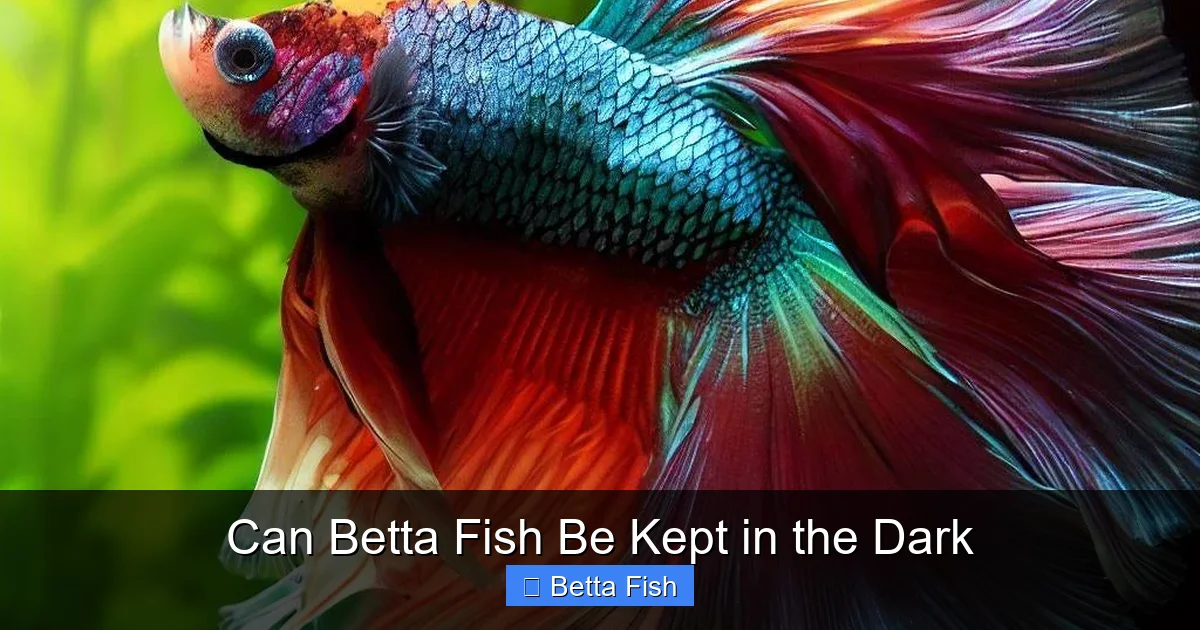
Betta fish don’t need constant bright light, but total darkness can stress them and hide health problems. Providing a natural day‑night cycle with gentle illumination keeps your betta’s colors vibrant and its immune system strong.
Key Takeaways
- Day‑night cycle is essential: Betta fish thrive with 8‑12 hours of low‑to‑moderate light each day.
- Complete darkness is harmful: It can suppress appetite, weaken the immune system, and hide parasites.
- Use dim, filtered light: LED or compact fluorescent bulbs with a gentle spectrum mimic natural conditions.
- Observe behavior: A stressed betta will hide, breathe fast, or lose color.
- Tank décor matters: Plants, caves, and background lighting give a sense of security.
- Seasonal adjustments: Slightly longer light periods in summer, shorter in winter, follow the fish’s natural rhythm.
- Regular water checks: Light does not replace good water quality; test temperature, pH, and ammonia weekly.
📑 Table of Contents
- Introduction: Why Light Matters for Betta Fish
- 1. How Betta Fish See the World
- 2. The Natural Day‑Night Cycle
- 3. Risks of Keeping Betta Fish in Total Darkness
- 4. Setting Up the Right Lighting
- 5. Complementary Tank Elements
- 6. Practical Tips for Everyday Care
- Conclusion: Light Is a Lifeline, Not a Luxury
Introduction: Why Light Matters for Betta Fish
When you first bring home a betta, the most obvious thing you notice is its brilliant tail flashing in the light. That sparkle is not just for show – it tells you a lot about the fish’s health and mood. Many new owners wonder, “Can betta fish be kept in the dark?” The short answer is no, not for long periods. Betta fish, like most tropical species, have evolved under a regular day‑night rhythm. Removing that rhythm can cause stress, hide disease, and even shorten their lives.
In this article we’ll explore the science behind light perception in bettas, the risks of total darkness, and how to create a balanced lighting schedule that keeps your finned friend happy. We’ll also sprinkle in practical tips you can start using today, so you’ll feel confident that your betta gets the right amount of glow without turning your living room into a disco.
1. How Betta Fish See the World
Vision in low‑light environments
Betta fish have relatively large eyes for their size, giving them good vision in dim water. Their retinal cells contain more rod‑like photoreceptors, which are sensitive to low light. This adaptation helps them hunt and navigate in the shallow, often murky rice paddies of Southeast Asia where they originated.
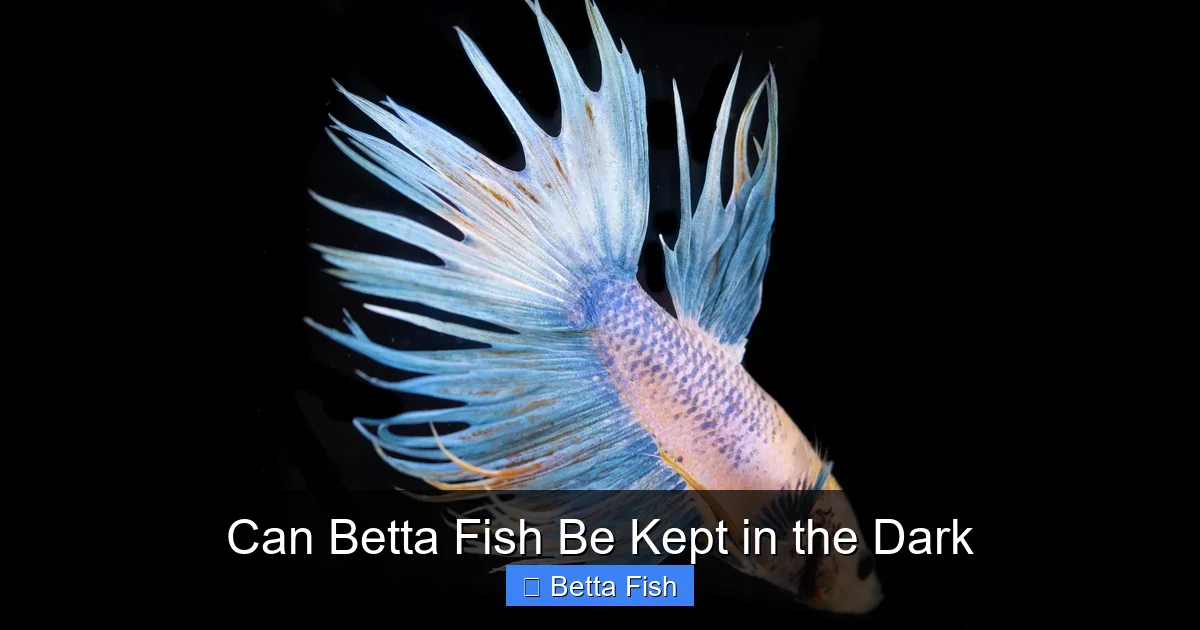
Visual guide about Can Betta Fish Be Kept in the Dark
Image source: splashyfishstore.com
Can betta fish see in the dark?
While they can detect movement in very low light, bettas cannot see in total darkness. For a detailed look at this topic, check out our article Can Betta Fish See In The Dark. In practice, a faint glow – such as moonlight or a dim aquarium LED – is enough for them to orient themselves.
2. The Natural Day‑Night Cycle
What wild bettas experience
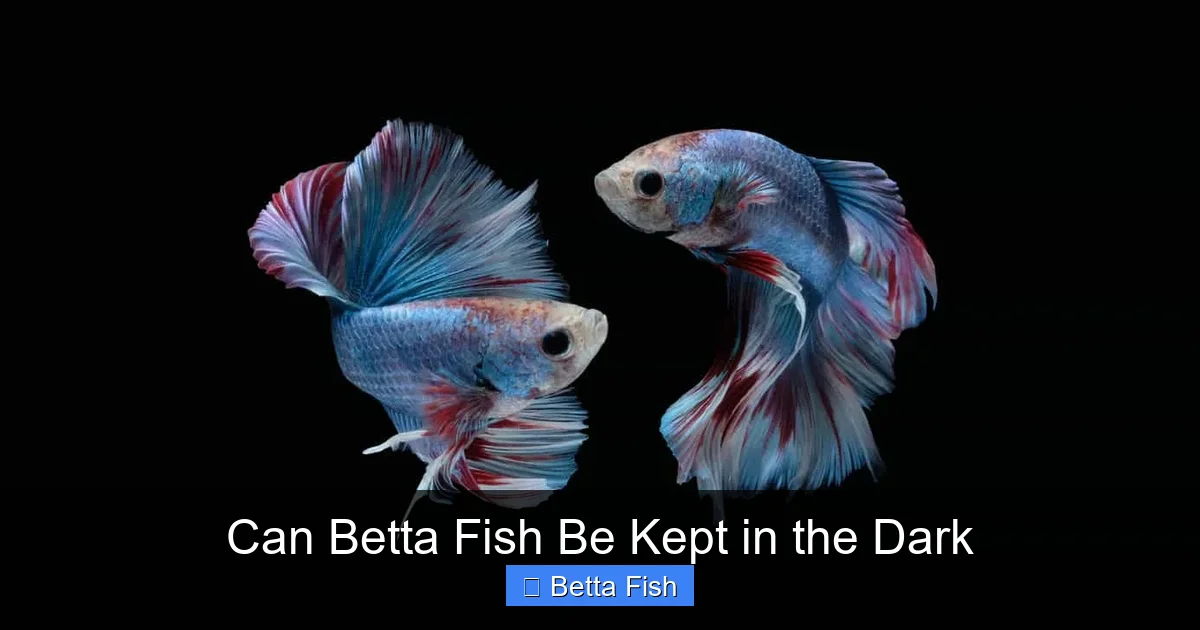
In their native habitats, bettas experience sunrise, midday sunshine, and dusk followed by a night of darkness. The cycle is not constant; cloud cover, canopy shade, and seasonal changes create a dynamic light environment.
Visual guide about Can Betta Fish Be Kept in the Dark
Image source: fishkeepingadvice.com
Why a consistent cycle matters in captivity
In a home aquarium, we replace that variability with artificial lighting. Providing 8‑12 hours of gentle light mimics natural daylight, while a dark period lets the fish rest and regenerate. Skipping the dark phase can lead to chronic stress, just like a person pulling an all‑night work shift.
3. Risks of Keeping Betta Fish in Total Darkness
Stress and immune suppression
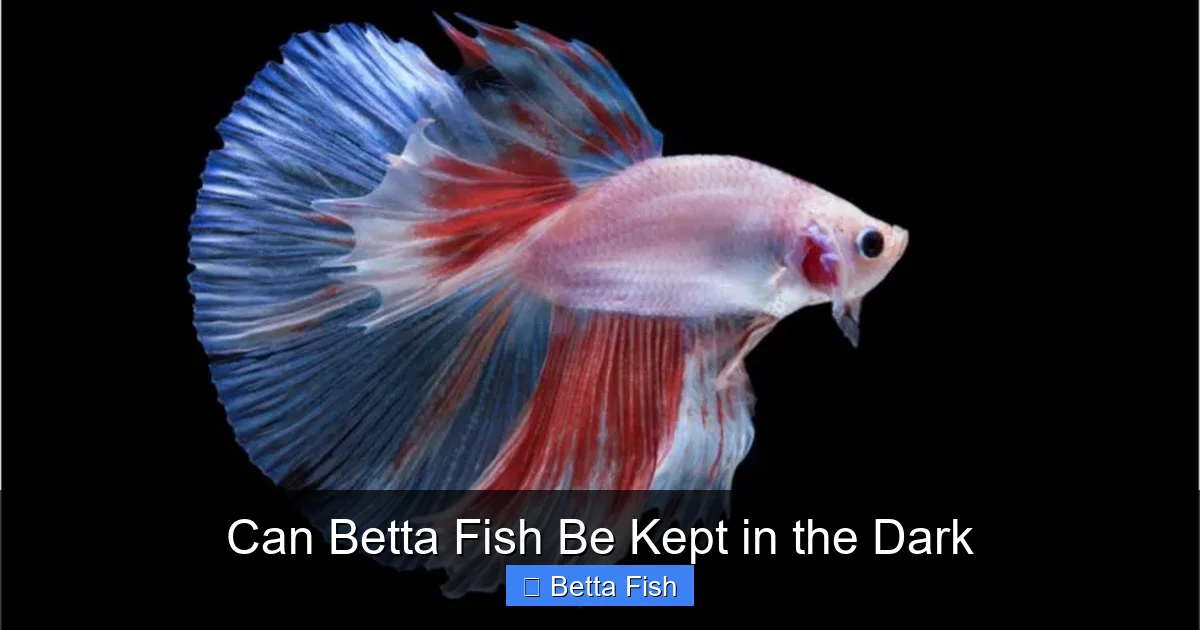
Stress hormones rise when bettas cannot anticipate a day‑night change. Elevated cortisol reduces appetite, slows growth, and weakens the immune response, making the fish more vulnerable to ich, velvet, and fungal infections.
Visual guide about Can Betta Fish Be Kept in the Dark
Image source: acaquarium.com
Hidden health issues
Without light, skin spots, fungal patches, or external parasites become difficult to spot. Regular observation under light is essential for early detection and treatment.
Behavioral changes
- Increased hiding: Betta may spend most of its time under décor, appearing “dead.”
- Erratic surface breathing: A sign of low oxygen or stress.
- Color fading: Dark environments can cause melanin to dominate, dulling the vibrant reds and blues.
4. Setting Up the Right Lighting
Choosing the right bulb
LED strips or compact fluorescent bulbs are ideal. Look for a color temperature between 5,000‑6,500 K – this mimics natural daylight without being harsh. Many hobby stores sell “betta‑friendly” LEDs with a dimming function.
How long should the lights stay on?
Start with 10 hours of light and 14 hours of darkness. Adjust gradually if you notice your betta is more active at certain times. A timer eliminates guesswork and keeps the schedule consistent.
Adding ambient glow
Consider a low‑intensity moonlight LED on a 24‑hour cycle. It provides just enough illumination for you to see the fish at night without disrupting the dark phase.
5. Complementary Tank Elements
Plants and hiding spots
Live or silk plants create shaded areas where a betta can retreat. They also diffuse light, preventing harsh shadows that can startle the fish.
Backgrounds and tank décor
A dark background reduces reflections and glare, making the light feel softer. Caves, driftwood, and ceramic pots give a sense of security, especially during the light period.
Water quality and temperature
Good lighting does not replace water maintenance. Keep temperature between 76‑82 °F (24‑28 °C) and test pH (6.5‑7.5) weekly. For more on temperature, see What Should The Water Temperature Be For A Betta Fish.
6. Practical Tips for Everyday Care
Use a timer
Plug your light into a programmable timer. Set it to turn on at 8 am and off at 6 pm. This mimics a sunrise‑to‑sunset schedule.
Observe during the light phase
Spend a few minutes each day watching your betta swim, flare its fins, and eat. Note any color changes or abnormal behavior.
Gradual adjustments
If you need to change the lighting schedule (e.g., moving house), shift the timer by 15‑30 minutes each day to avoid shocking the fish.
Night‑time feeding
Feed only during the light period. Night feeding can encourage the fish to stay active when it should be resting, leading to poor digestion.
Conclusion: Light Is a Lifeline, Not a Luxury
Betta fish are resilient, but they still rely on a balanced light environment to thrive. Keeping them in total darkness is akin to living in a windowless room forever – it may be possible, but the quality of life drops dramatically. By offering a gentle day‑night rhythm, dim ambient glow, and plenty of hiding places, you give your betta the best chance to display its stunning colors, stay healthy, and live a long, happy life.
Remember, the goal isn’t to dazzle your betta with bright stage lights; it’s to recreate the subtle, natural glow of a tropical pond. With the right approach, the answer to “Can betta fish be kept in the dark?” becomes a clear “No, but they can enjoy dim, controlled lighting for a balanced, thriving life.”
Frequently Asked Questions
Do betta fish need a light source at all?
Yes. They need a regular light cycle of about 8‑12 hours to regulate their metabolism and display their colors. Complete darkness can cause stress and hide health issues.
Can I use a night‑light in my betta’s tank?
A very low‑intensity night‑light (moonlight) is fine. It provides enough glow to see the fish without disrupting the dark period.
How long can a betta stay in a dimly lit tank?
They can stay in dim light for the entire light phase, but they still need a dark period of at least 10‑14 hours each day.
Will brighter light make my betta’s colors brighter?
Bright light can enhance colors temporarily, but it can also stress the fish if it’s too intense. Soft, filtered light is best for long‑term health.
What signs show my betta is stressed by lighting?
Look for rapid gill movement, loss of color, excessive hiding, or refusal to eat. Adjust the lighting schedule if you see these signs.
Can I keep a betta with other fish in a low‑light tank?
Yes, as long as the tank is large enough (at least 10 gallons) and the other species are peaceful. For compatibility tips, read Which Fish Can Be With Betta Fish In A Tank.