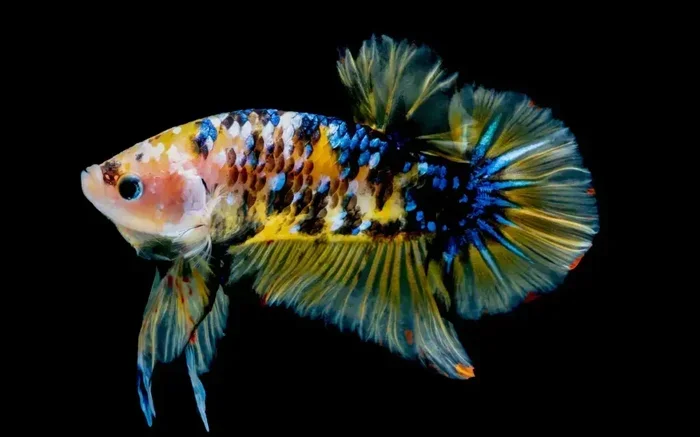
Can Betta Fish Be in the Sun
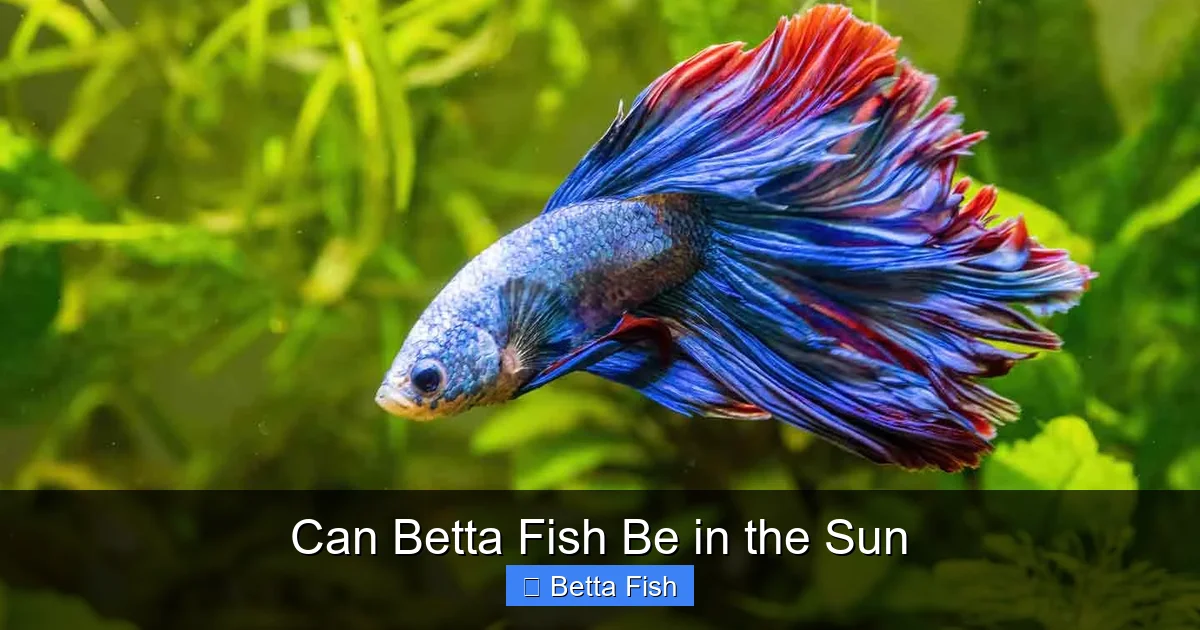
Betta fish thrive in warm, stable water, but direct sunlight can be a hidden danger. Learn how to provide bright, filtered light without overheating or stressing your betta, and find practical steps to keep your tank safe and beautiful.
Key Takeaways
- Direct sun is risky: It can raise water temperature quickly and cause harmful UV exposure.
- Filtered, indirect light is ideal: Use aquarium LED lights or place the tank near a bright window with a sheer curtain.
- Temperature matters most: Keep water between 76‑82°F (24‑28°C) and monitor with a reliable heater.
- Watch for stress signs: Faded colors, rapid breathing, or hiding indicate too‑much light or heat.
- Seasonal adjustments help: Change lighting duration with the seasons to mimic natural day‑night cycles.
- Tank placement is key: Avoid windows that receive strong afternoon sun; use blinds or UV‑blocking film.
- Healthy companions: Choose tank mates that share similar lighting needs and avoid aggressive species.
📑 Table of Contents
- Introduction: Sunlight and Betta Fish – A Delicate Balance
- 1. Understanding Betta Natural Habitat
- 2. The Role of Light in a Betta Aquarium
- 3. How Direct Sunlight Affects Water Temperature
- 4. UV Radiation – Friend or Foe?
- 5. Setting Up a Sun‑Safe Betta Tank
- 6. Common Mistakes and How to Fix Them
- Conclusion: Enjoy Bright, Healthy Betta Days Without the Sun’s Risks
Introduction: Sunlight and Betta Fish – A Delicate Balance
When you first set up a betta tank, the sparkling water and vivid fins can make you want to put it in the brightest spot in the room. After all, natural light feels inviting and many pet owners think “more light = happier fish.” The truth is a bit more nuanced. Betta fish (Betta splendens) are tropical freshwater dwellers that love warmth, but they are also sensitive to rapid temperature spikes and ultraviolet (UV) radiation.
In this guide we’ll answer the question can betta fish be in the sun and walk you through safe lighting options, temperature control, and practical tips to keep your prized betta thriving. Whether you have a small bowl, a fully‑fledged aquarium, or a planted setup, the principles stay the same.
1. Understanding Betta Natural Habitat
Wild origins and light exposure
Betta fish originate from shallow rice paddies, slow‑moving streams, and flood‑plain swamps of Thailand, Cambodia, and Vietnam. These waters are often shaded by dense vegetation, receiving dappled sunlight rather than full, direct rays. The natural environment provides warm water (around 78‑82°F) with gentle, filtered light.
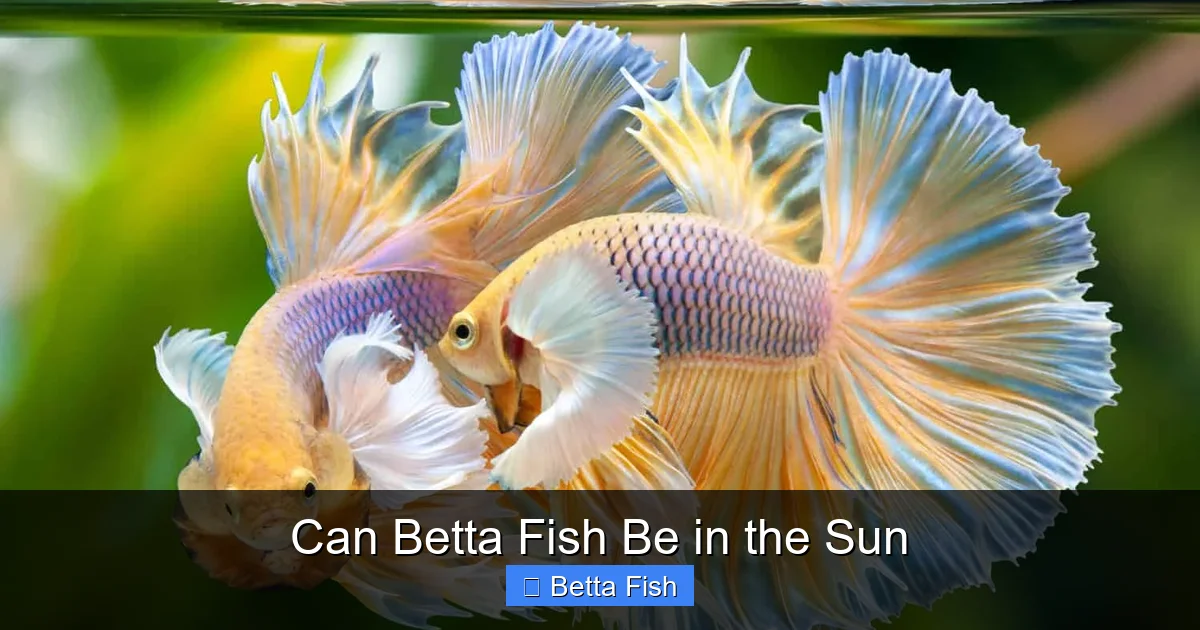
Visual guide about Can Betta Fish Be in the Sun
Image source: a-z-animals.com
Why direct sun can be harmful
In the wild, bettas never sit under a scorching midday sun. Direct exposure can:
- Raise water temperature faster than a heater can compensate, leading to overheating.
- Increase algae growth, which can deplete oxygen at night.
- Expose fish to UV‑B rays that can damage their delicate scales and eyes.
2. The Role of Light in a Betta Aquarium
What bettas need from light
Betta fish need a regular day/night cycle to regulate their internal clock, hormone production, and coloration. A 10‑12 hour light period mimics tropical dawn‑to‑dusk cycles. Light also helps you admire those spectacular fins!
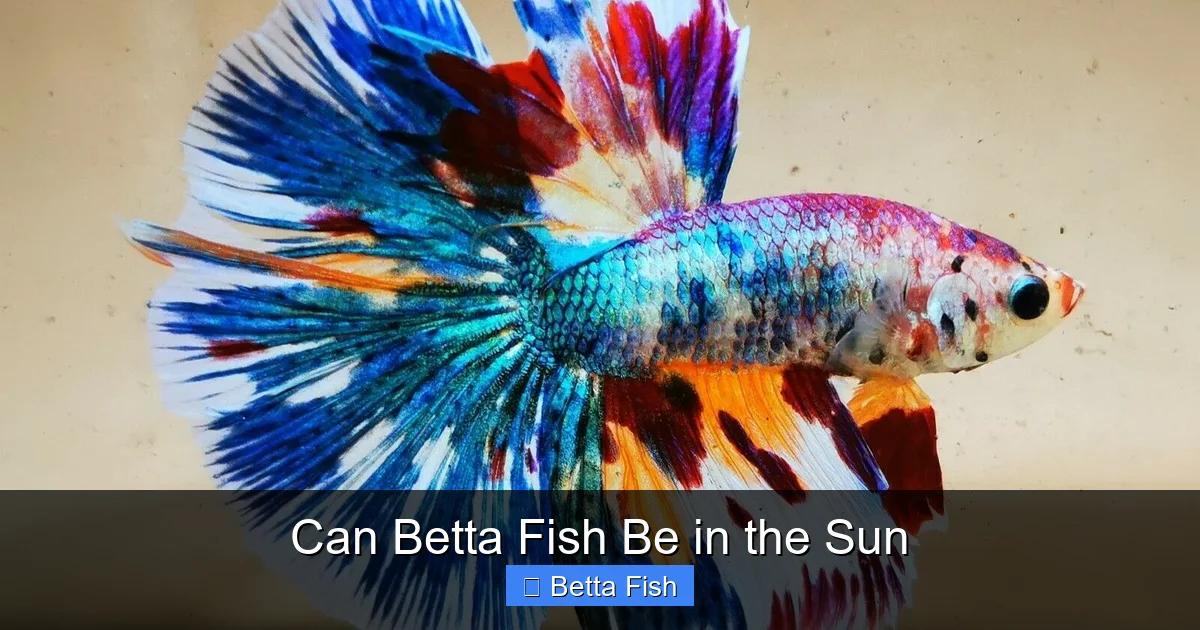
Visual guide about Can Betta Fish Be in the Sun
Image source: i.pinimg.com
Choosing the right lighting source
LED aquarium lights are the most popular choice. They emit little heat, can be set on timers, and many models offer a full spectrum that supports live plants without excess UV. If you prefer natural light, place the tank near a window that receives indirect sunlight and use a sheer curtain to diffuse the rays.
3. How Direct Sunlight Affects Water Temperature
Temperature spikes and their consequences
Betta fish are “cold‑blooded,” meaning their body temperature matches the water. A sudden rise above 84°F (29°C) can cause loss of appetite, lethargy, and even death. Sunlight hitting the glass can quickly push the water past safe limits, especially in small bowls where there is little water volume to absorb heat.
Visual guide about Can Betta Fish Be in the Sun
Image source: cdn.shopify.com
Monitoring and preventing overheating
- Use a digital aquarium thermometer; place it at fish level, not near the heater.
- Invest in a reliable aquarium heater with an automatic shut‑off.
- Consider a floating thermometer to see surface temperature changes.
- Move the tank away from south‑facing windows during summer afternoons.
4. UV Radiation – Friend or Foe?
Understanding UV‑A vs. UV‑B
UV‑A (320‑400 nm) is relatively harmless and can help with Vitamin D synthesis in some fish, but bettas do not rely on it. UV‑B (280‑320 nm) can damage skin cells, cause cataracts, and lead to “sunburn”‑like spots on the fins.
Ways to block harmful UV
- Apply UV‑blocking film to windows.
- Use aquarium glass or acrylic that already filters out a portion of UV‑B.
- Choose LED lights that are labeled “UV‑free.”
5. Setting Up a Sun‑Safe Betta Tank
Step‑by‑step placement guide
- Pick the right location: A north‑ or east‑facing window gives gentle morning light without harsh afternoon heat.
- Use a curtain or blinds: A light‑weight sheer fabric diffuses direct rays while still brightening the tank.
- Install a timer: Set the aquarium light for 10‑12 hours; match this with natural light duration for consistency.
- Check temperature: After the first week, record water temperature at morning, noon, and evening to spot any spikes.
- Observe your betta: Look for signs of stress—pale colors, rapid fin movement, or staying at the water surface.
Tank mates and lighting considerations
If you keep compatible tank mates such as snails or peaceful dwarf shrimp, ensure they share the same lighting needs. For more details on suitable companions, see our article on Which Fish Can Live With Betta Fish In A Tank.
6. Common Mistakes and How to Fix Them
Mistake #1: Placing the tank on a sunny windowsill
Solution: Move the tank to a shaded corner or use blackout curtains during peak sun hours.
Mistake #2: Relying solely on room lighting
Solution: Add a low‑heat LED fixture to provide consistent illumination regardless of daylight changes.
Mistake #3: Ignoring temperature fluctuations
Solution: Use a thermostat‐controlled heater and a backup power supply for summer heat waves.
Conclusion: Enjoy Bright, Healthy Betta Days Without the Sun’s Risks
So, can betta fish be in the sun? The short answer is yes—*but only in a controlled, indirect way.* Direct sunlight is a recipe for temperature spikes, algae blooms, and UV damage. By using filtered light, monitoring water temperature, and providing a stable day/night cycle, you give your betta the best of both worlds: vibrant colors and a safe, comfortable environment.
Remember, a happy betta is a healthy betta. Keep an eye on the water, adjust lighting as the seasons change, and enjoy watching those gorgeous fins dance under the perfect glow.
Frequently Asked Questions
Can betta fish be placed near a sunny window?
Yes, but only if the window receives indirect light and you use a sheer curtain or UV‑blocking film to diffuse the rays.
What temperature range is safe for bettas in sunlight?
Keep the water between 76‑82°F (24‑28°C). If sunlight raises the temperature above 84°F (29°C), move the tank or add cooling measures.
Do betta fish need UV light for health?
No, bettas do not require UV‑B light. A full‑spectrum LED that is UV‑free is sufficient for coloration and plant growth.
How long should a betta’s light cycle be?
Provide 10‑12 hours of light each day, followed by 12‑14 hours of darkness to mimic natural tropical conditions.
Can I use a regular lamp instead of an aquarium light?
You can, but ensure the lamp does not emit excess heat or UV. LED desk lamps with a cool‑light setting work well.
What are signs my betta is stressed by too much sunlight?
Look for faded colors, rapid breathing, frequent hiding, or unusual floating at the water surface. Reduce light exposure immediately if you notice these signs.