Betta fish are famous for their vibrant colors and feisty personalities, but can they live peacefully with other fish? This guide breaks down the factors that affect compatibility, lists the best tank mates, and offers practical tips to create a harmonious community aquarium. Follow our advice and you’ll know exactly how to house your betta with other fish safely.
Key Takeaways
- Know the betta’s temperament: Males are territorial, females are generally more social.
- Tank size matters: A minimum of 20 gallons gives enough space for a betta and companions.
- Choose peaceful, non‑fin‑nipping species: Small tetras, rasboras, and snails are top picks.
- Provide plenty of hiding spots: Plants, caves, and driftwood reduce stress for all fish.
- Monitor behavior daily: Early signs of aggression mean it’s time to re‑evaluate the community.
- Maintain water quality: Stable parameters keep both betta and tank mates healthy.
- Use a proper filtration system: Gentle flow prevents the betta from being swept away.
📑 Table of Contents
- Introduction: The Betta’s Reputation and the Question at Hand
- Understanding Betta Behavior
- Tank Requirements for a Mixed Community
- Best Tank Mates for Betta Fish
- Step‑by‑Step Guide to Introducing a Betta to a Community Tank
- Common Problems and How to Solve Them
- Real‑World Examples: Success Stories
- Conclusion: Making the Decision
Introduction: The Betta’s Reputation and the Question at Hand
When you first see a betta fish, you’re drawn to its brilliant fins and confident swagger. Many people think of bettas as the “lone wolves” of the aquarium world, but the truth is a bit more nuanced. The big question that keeps hobbyists up at night is simple: can betta fish be housed with other fish without turning the tank into a battlefield?
In this article we’ll chat like friends, breaking down the science, the myths, and the real‑world experiences that answer that question. By the end, you’ll know exactly which companions are safe, how to set up the tank, and what red flags to watch for.
Understanding Betta Behavior
Male vs. Female Temperaments
Male bettas are famously territorial. In the wild they defend small, shallow puddles, so a cramped aquarium can feel like an invasion. Females, on the other hand, tend to be more social and can often tolerate a modest community. That difference is the first piece of the puzzle when you ask can betta fish be housed with other fish.
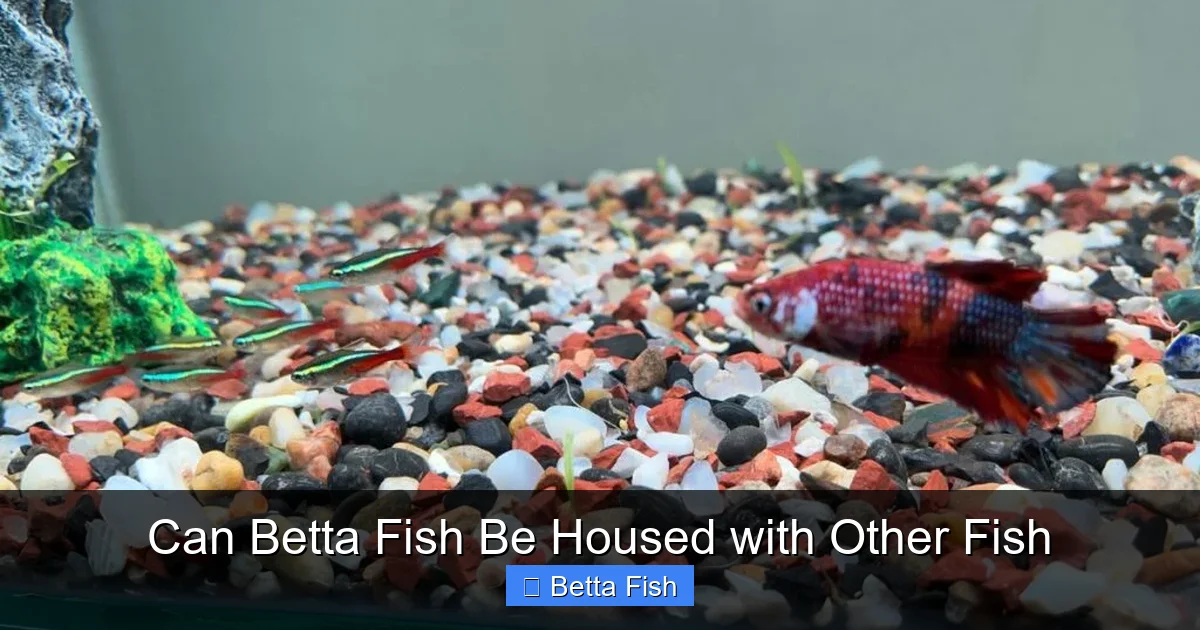
Visual guide about Can Betta Fish Be Housed with Other Fish
Image source: housedpet.com
The Role of Fin Nipping
Fin nipping isn’t just a betta problem; it’s a two‑way street. Some small, fast‑moving fish will nip at a betta’s long fins, while an aggressive betta may do the same to delicate species. Choosing fish with sturdy fins or those that stay near the bottom helps prevent this issue.
Tank Requirements for a Mixed Community
Size and Layout
Most beginners think a 5‑gallon tank is enough for a single betta, and that’s true for a solo setup. But when you ask can betta fish be housed with other fish, the answer changes. A minimum of 20 gallons (75 liters) provides the horizontal space a betta needs to establish a territory while giving companions room to swim.
Filtration and Flow
Betta fish prefer calm water. A strong current can stress them and make them more aggressive. Choose a sponge filter or a low‑flow hang‑on‑back unit. The filter should circulate the water without creating a turbulent stream that pushes the betta around.
Plants and Hiding Places
Live plants, driftwood, and ceramic caves create visual barriers. These “break‑up” zones are essential when you’re testing can betta fish be housed with other fish. They let each fish retreat if tensions rise.
Best Tank Mates for Betta Fish
Now that you know the environment you need, let’s answer the core question directly: can betta fish be housed with other fish that are peaceful, non‑nipping, and share similar water needs? The short answer is yes—if you pick the right species.
Small, Fast‑Moving Tetras
- Neon Tetra: Their bright colors complement a betta’s palette, and they stay in the mid‑level of the tank.
- Ember Tetra: Slightly smaller, they’re less likely to trigger aggression.
Rasboras and Danios
- Harlequin Rasbora: Peaceful, schooling fish that keep to the middle and top layers.
- Zebra Danio: Active swimmers that can tolerate a mild betta temperament.
Bottom Dwellers
- Corydoras Catfish: Their armored bodies protect them from accidental fin bites.
- Kuhli Loach: They hide under driftwood, staying out of the betta’s line of sight.
Snails and Shrimp
Snails such as Nerite or Mystery snails are excellent cleaners and rarely provoke a betta. Freshwater shrimp (e.g., Ghost shrimp) can also coexist, but keep an eye on the betta’s curiosity—some may try to “play” with them.
What to Avoid
Long‑fin guppies, fancy goldfish, and other bettas are off‑limits. They either compete for space or are likely to become victims of fin nipping.
For a deeper dive into compatible species, check out What Other Fish Can Live With Betta Fish.
Step‑by‑Step Guide to Introducing a Betta to a Community Tank
1. Quarantine New Arrivals
Always quarantine any new fish for at least two weeks. This prevents the spread of disease and gives you a chance to observe the newcomer’s temperament.
2. Rearrange the Tank
Before adding the betta, move plants and decorations around. This “reset” makes the betta think the environment is new, reducing territorial aggression.
3. Use a Divider (Optional)
If you’re unsure, start with a clear acrylic divider. It lets the betta see the other fish without direct contact, allowing you to gauge reactions.
4. Gradual Introduction
Turn off the tank lights for a few minutes, then use a small container to float the betta near the other fish. Observe for any frantic chasing or fin nipping. If all looks calm after 15‑20 minutes, you’re ready to fully integrate.
5. Monitor Daily
For the first two weeks, watch the tank at least twice a day. Look for signs of stress: faded colors, hiding, or frayed fins. Early intervention—re‑arranging décor or removing a bully—prevents long‑term problems.
Common Problems and How to Solve Them
Fin Nipping
If you notice nipping, increase the number of hiding spots and consider moving the betta to a slightly larger tank. Adding a fast‑moving schooling fish can also distract the betta.
Over‑Territorial Behavior
Sometimes a betta will claim the entire surface. Introducing floating plants (e.g., duckweed) breaks up the surface area and gives the betta a “personal” zone.
Water Quality Issues
More fish mean more waste. Test ammonia, nitrite, and nitrate weekly. Perform 25‑30% water changes every week to keep parameters stable.
Gender Confusion
Male bettas should never share a tank with another male. However, a single male can live with a group of peaceful females if the tank is large enough and you monitor interactions closely. For more on male betta compatibility, read Can Male Betta Fish Be With Other Fish.
Real‑World Examples: Success Stories
Case Study 1: Neon Tetras + Male Betta in a 30‑Gallon Tank
Owner Alex set up a 30‑gallon planted tank with a male betta, 12 neon tetras, and a pair of Corydoras. After a week of careful introduction, the betta displayed occasional flares but never attacked. The tetras added vibrant movement, and the Corydoras kept the bottom clean.
Case Study 2: Female Betta + Rasboras in a 20‑Gallon Community
Samantha introduced a female betta to a school of 8 harlequin rasboras and a snail colony. The betta was curious but not aggressive. The rasboras kept schooling, and the snails helped with algae control. The community thrived for over six months.
These stories illustrate that, yes, can betta fish be housed with other fish depends on careful planning, the right tank mates, and vigilant observation.
Conclusion: Making the Decision
So, can betta fish be housed with other fish? The answer is a confident “yes”—provided you respect the betta’s temperament, give enough space, and choose compatible companions. A well‑planted, low‑flow 20‑gallon (or larger) tank can become a beautiful, bustling community where a betta shines alongside peaceful tank mates.
Remember, every betta is an individual. Some may tolerate a community from day one; others may need a solo setup forever. Use the guidelines here as a starting point, watch your fish closely, and enjoy the process of creating a harmonious aquarium.
Frequently Asked Questions
Can a male betta live with other fish?
Yes, a male betta can live with other fish if the tank is large enough (20 gallons or more), the water flow is gentle, and the tank mates are peaceful, non‑nipping species.
What are the safest fish to keep with a betta?
Small tetras, rasboras, dwarf gouramis, Corydoras catfish, and snails are among the safest options. They stay out of the betta’s aggressive zone and add variety to the tank.
Should I use a divider when first introducing a betta to a community?
A divider can be helpful for the first few days. It lets the betta see the other fish without direct contact, allowing you to gauge aggression before full integration.
How often should I feed a community tank with a betta?
Feed small amounts 2‑3 times a day, offering a variety of foods (pellets, frozen brine shrimp, daphnia). Ensure the betta gets its share by feeding it at the surface first.
What signs indicate that a betta is stressed?
Faded colors, clamped fins, excessive hiding, or constant flaring are signs of stress. If you see these, check water parameters and consider rearranging the tank.
Can I keep shrimp with a betta?
Yes, many hobbyists keep ghost or cherry shrimp with bettas. Provide plenty of hiding places, and watch for any playful attacks—most bettas ignore shrimp once they’re settled.

