Betta fish are not just aquarium beauties; they originate from specific wild habitats in Southeast Asia. In the wild they live in shallow, slow‑moving waters, and their behavior, diet, and appearance can be very different from the fish you keep at home.
Key Takeaways
- Natural range: Betta fish are native to Thailand, Malaysia, Cambodia, and neighboring countries.
- Habitat specifics: They thrive in rice paddies, swamps, and shallow streams with soft, acidic water.
- Wild vs. captive: Wild bettas are smaller, less colorful, and more aggressive than most tank‑bred varieties.
- Conservation status: Habitat loss and pollution threaten wild populations, making responsible sourcing important.
- Finding them: Spotting wild bettas requires knowledge of local water conditions and patience.
- Legal considerations: Exporting wild bettas is regulated; many hobbyists should choose captive‑bred fish.
- What this means for owners: Understanding wild habits helps you create a healthier, more natural aquarium.
📑 Table of Contents
- Introduction: From Rice Paddies to Living Rooms
- 1. The Natural Range of Betta Fish
- 2. What Wild Habitats Look Like
- 3. Differences Between Wild and Captive Betta Fish
- 4. Finding Wild Betta Fish – A Practical Guide
- 5. Replicating Wild Conditions in Your Aquarium
- 6. Conservation and the Future of Wild Betta Populations
- Conclusion: Why Knowing “Can Betta Fish Be Found in the Wild?” Matters
Introduction: From Rice Paddies to Living Rooms
If you’ve ever watched a male betta flare its fins in a glass bowl, you might wonder where that spectacular fish originally comes from. The short answer is yes – betta fish can be found in the wild. But their natural world looks nothing like the bright, filtered tanks we set up at home. In this article we’ll travel to the slow‑moving waters of Southeast Asia, explore the exact places wild bettas call home, and explain why those habitats matter to every betta keeper.
Knowing the answer to “can betta fish be found in the wild” does more than satisfy curiosity. It shapes how we feed them, how we design their tanks, and even how we think about conservation. Let’s dive in and discover the hidden side of the fish that has captured millions of hearts.
1. The Natural Range of Betta Fish
Geographic hotspots
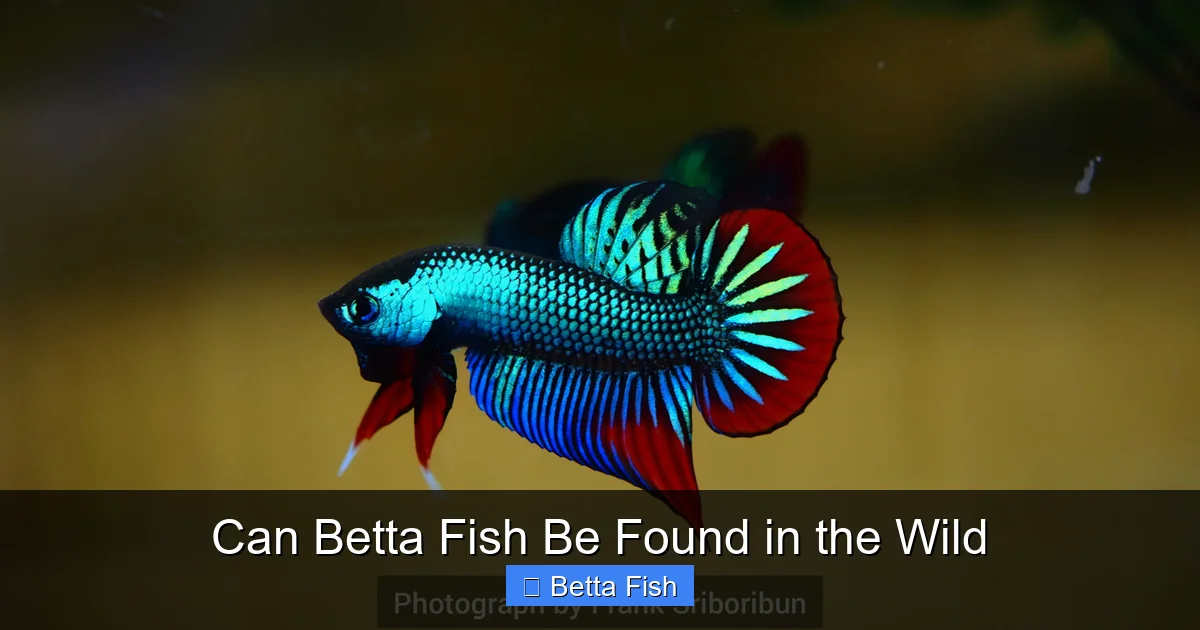
Wild bettas are native to the Mekong basin and surrounding river systems. The primary countries include:
Visual guide about Can Betta Fish Be Found in the Wild
Image source: i.redd.it
- Thailand – especially the central plains and northern highlands.
- Malaysia – the Malay Peninsula’s low‑lying swamps.
- Cambodia and Laos – floodplain rice paddies and tributaries.
- Vietnam – coastal mangroves and inland streams.
These regions share one key feature: warm, shallow water with a lot of vegetation. If you search for “where can you find betta fish in the wild” you’ll see maps highlighting these areas.
Why this range matters
The climate in these zones stays between 24‑30 °C (75‑86 °F) year‑round, providing the stable temperature bettas need. Seasonal monsoons flood the rice fields, creating temporary pools that become perfect breeding grounds. Understanding this climate helps hobbyists mimic natural conditions with heaters and water parameters.
2. What Wild Habitats Look Like
Water chemistry
Wild bettas live in soft water (0.5‑5 dGH) that is slightly acidic (pH 5.5‑6.5). The water is often stained brown from tannins released by decaying plant material. This “blackwater” environment not only colors the water but also reduces stress for the fish.

Visual guide about Can Betta Fish Be Found in the Wild
Image source: i.ytimg.com
Physical environment
Typical habitats include:
- Rice paddies: Shallow (5‑15 cm), stagnant water with dense grass.
- Slow‑moving streams: Covered by overhanging leaves and roots.
- Swamps and marshes: Muddy bottoms, plenty of hiding spots.
These areas are rich in insects, crustaceans, and mosquito larvae – the natural diet of wild bettas.
Behavioral adaptations
In the wild, bettas are territorial but also opportunistic. Males defend small “bubble nests” built at the water’s surface, while females roam larger areas looking for food. Their aggressive displays are a survival tool, not just a show for us.
3. Differences Between Wild and Captive Betta Fish
Size and coloration
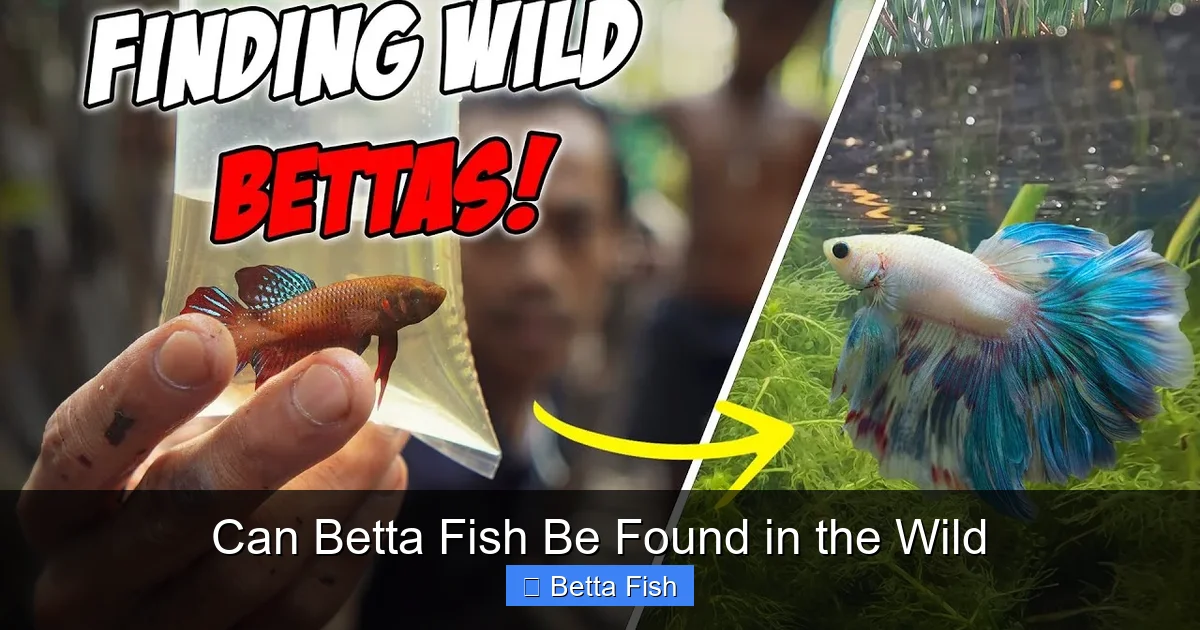
Wild bettas average 2.5‑3 inches (6‑7.5 cm) and display muted greens, browns, and reds. Captive strains have been selectively bred for bright blues, reds, and even neon hues, often growing slightly larger.
Visual guide about Can Betta Fish Be Found in the Wild
Image source: i.ytimg.com
Temperament
Because they compete for limited resources, wild bettas can be more aggressive than tank‑bred fish that are used to abundant food. This explains why some hobbyists see heightened fin‑flaring when a new fish is introduced.
Health considerations
Wild bettas carry parasites and bacteria adapted to their native water. When introduced to a clean aquarium without proper quarantine, they can become ill. This is why most reputable sellers provide captive‑bred stock.
4. Finding Wild Betta Fish – A Practical Guide
When to look
The best time to spot wild bettas is during the rainy season (May‑October). Floodwaters expand their habitat, and males start building bubble nests, making them easier to locate.
How to locate them
- Choose a site: Look for shallow rice paddies or stagnant pools with dense vegetation.
- Observe surface activity: Males guard bubble nests; you’ll see a single fish hovering near the surface.
- Use a fine net: Gently scoop around the nest, being careful not to disturb it.
- Record data: Note water temperature, pH, and plant types – useful for replicating the habitat at home.
For more detailed tips on spotting them in their natural environment, check out where betta fish live in the wild.
Legal and ethical considerations
Many countries regulate the collection and export of wild bettas to protect native populations. Always verify that any fish you acquire are legally sourced. Supporting captive‑bred programs reduces pressure on wild stocks.
5. Replicating Wild Conditions in Your Aquarium
Setting up a “natural” tank
To give your pet betta a taste of its original home, follow these steps:
- Water: Use a water conditioner that leaves a slight tannin tint, or add a few drops of Indian almond leaves.
- Plants: Live plants like Cryptocoryne and Java moss create cover and mimic rice paddy foliage.
- Substrate: Soft, fine sand or peat helps maintain low hardness.
- Temperature: Keep the water at 26‑28 °C (79‑82 °F).
- Lighting: Dim, diffuse light replicates the shaded water surface.
Feeding like a wild betta
Offer a varied diet of live or frozen foods: brine shrimp, daphnia, mosquito larvae, and small bloodworms. Occasional high‑quality pellet can supplement, but avoid over‑reliance on processed feeds.
Tank mates and social dynamics
While bettas are often solitary, some can coexist with peaceful species if the tank is large enough and plenty of plants provide hiding spots. For guidelines on compatible tank mates, see what can be in a tank with betta fish. Remember, males should never share the same space unless you have a heavily planted, divided setup.
6. Conservation and the Future of Wild Betta Populations
Threats to natural habitats
Urban expansion, pesticide runoff, and climate change are shrinking the rice paddies and swamps where wild bettas live. Over‑harvesting for the aquarium trade also adds pressure.
What hobbyists can do
- Buy captive‑bred bettas from reputable breeders.
- Support conservation projects that protect wetland habitats.
- Educate others about the importance of preserving natural ecosystems.
Success stories
In Thailand, community‑run fish farms now produce bettas using sustainable practices, reducing the need to collect from the wild. These initiatives show that responsible breeding can coexist with conservation.
Conclusion: Why Knowing “Can Betta Fish Be Found in the Wild?” Matters
Yes, betta fish can be found in the wild, but their natural world is a quiet, murky network of shallow waters, dense plants, and subtle colors. By understanding where they come from, we can recreate healthier tanks, choose ethically sourced pets, and contribute to the protection of their dwindling habitats. The next time your betta flares its fins, remember the rice paddies of Southeast Asia that shaped its wild spirit – and let that inspire a more natural, compassionate approach to keeping these beautiful fish.
Frequently Asked Questions
Can betta fish be found in the wild?
Yes. Wild bettas inhabit shallow, slow‑moving waters of Southeast Asia, especially rice paddies, swamps, and low‑gradient streams.
Where exactly do wild betta fish live?
They are native to Thailand, Malaysia, Cambodia, Laos, and Vietnam, thriving in soft, acidic water with plenty of vegetation.
Are wild betta fish the same as the ones sold in pet stores?
No. Wild bettas are smaller, have muted colors, and are more aggressive. Most pet‑store fish are captive‑bred and selectively colored.
Is it legal to collect wild betta fish?
Collection is regulated in many countries to protect natural populations. Always ensure any wild‑caught fish are sourced legally and ethically.
How can I make my aquarium more like a betta’s natural habitat?
Use soft, slightly acidic water, add live plants, provide dim lighting, and feed a varied diet of live or frozen foods.
What can I do to help protect wild betta fish?
Buy captive‑bred bettas, support wetland conservation projects, and spread awareness about the importance of preserving their natural environments.

