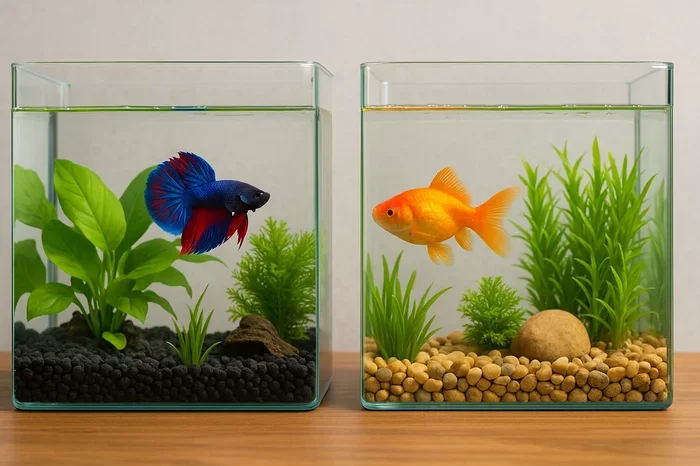
Can Betta Fish and Goldfish Go Together
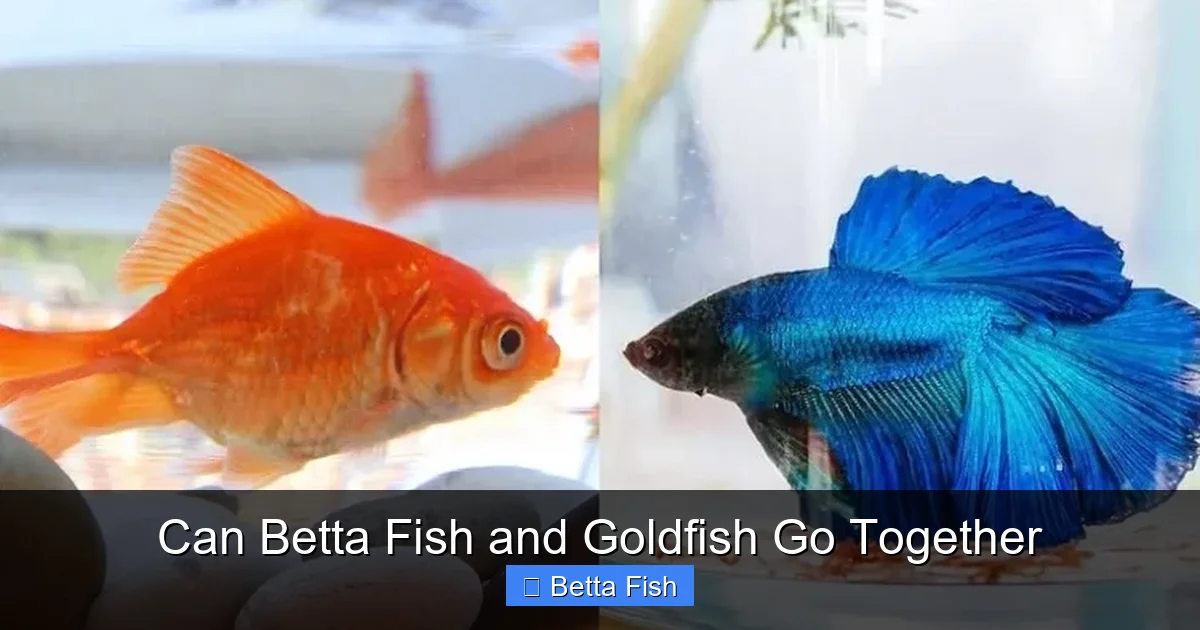
Can betta fish and goldfish go together? In most cases, the answer is no—different water needs, temperaments, and sizes make sharing a tank risky. However, with careful planning, a large, well‑filtered setup and constant monitoring, some hobbyists have found limited success.
Key Takeaways
- Different temperature needs: Betta fish thrive at 76‑82°F, while goldfish prefer cooler water around 65‑75°F.
- Size and aggression: Goldfish grow large and can out‑grow or nip at delicate bettas.
- Filtration demands: Goldfish produce heavy waste; a strong filter is essential for any shared tank.
- Tank size matters: A minimum of 30 gallons per goldfish plus extra space for a betta reduces stress.
- Monitoring is critical: Daily observation helps catch bullying or water‑parameter shifts early.
- Alternative companions: Consider peaceful community fish like small tetras or snails instead of goldfish.
- Research first: Read expert guides—see our article on Can You Keep Goldfish With Betta Fish for deeper insight.
📑 Table of Contents
Introduction: Why the Question Comes Up
If you’ve ever walked into a pet store and seen the bright, flowing fins of a betta next to the shiny, orange bodies of goldfish, you might wonder whether these two popular species can share a home. The idea sounds appealing—two beautiful fish, one tank, less space needed, and a splash of color. But aquarium keeping isn’t just about looks; it’s about matching the right species with the right environment.
In this article we’ll answer the core question, can betta fish and goldfish go together, by breaking down their natural habits, water requirements, and temperament. We’ll also give you practical steps if you still want to try, and point out safer alternatives.
1. Understanding the Basics of Each Species
Betta Fish: The Siamese Fighter
Betta splendens, often called the Siamese fighting fish, are native to shallow, warm waters of Thailand. They are labyrinth fish, meaning they can breathe air from the surface, which lets them survive in low‑oxygen habitats. Key traits:
Visual guide about Can Betta Fish and Goldfish Go Together
Image source: aquariumstoredepot.com
- Temperature: 76‑82°F (24‑28°C)
- pH: 6.5‑7.5
- Tank size: Minimum 5 gallons for a single male; 10 gallons if you add plants or companions.
- Temperament: Males are highly territorial; females are less aggressive but still need space.
Goldfish: The Hardy Cold‑Water Beauties
Goldfish (Carassius auratus) are descendants of wild carp from temperate Asian rivers. They are cold‑water fish and can tolerate a wide temperature range, but they thrive best in cooler water.
- Temperature: 65‑75°F (18‑24°C)
- pH: 7.0‑8.0
- Tank size: At least 20 gallons for the first goldfish, plus 10 gallons for each additional one.
- Temperament: Generally peaceful, but they are bulkier and can unintentionally bully smaller fish.
2. Core Compatibility Issues
Water Temperature Mismatch
Betta fish need warm water, while goldfish are comfortable in cooler water. Trying to find a middle ground (around 75°F) may stress one or both species. A betta kept below 76°F becomes sluggish and prone to disease, whereas a goldfish kept above 75°F can develop rapid growth issues and a weakened immune system.
Visual guide about Can Betta Fish and Goldfish Go Together
Image source: i.ytimg.com
Different Filtration Needs
Goldfish are infamous for producing a lot of waste. Even a single fancy goldfish can foul a small tank within days. Betta fish prefer calm water with gentle flow. A filter strong enough for goldfish can create currents that stress a betta. Therefore, a high‑capacity canister or sponge filter with adjustable flow is a must if you attempt a shared setup.
Size and Aggression
Goldfish can grow 6‑12 inches (or more for common varieties). Their fins are long and flowing, which can tempt a betta to nip. Even if the goldfish isn’t aggressive, its larger size can easily crush a delicate betta or block its access to the surface for air‑breathing.
Dietary Differences
Betta fish are carnivorous and need protein‑rich foods like pellets, frozen bloodworms, or brine shrimp. Goldfish are omnivores, eating flakes, pellets, and plant matter. Feeding a betta in a goldfish tank can lead to over‑feeding the goldfish, while goldfish food may not meet a betta’s nutritional needs. See our guide on Can A Betta Fish Eat Goldfish Food for more details.
3. When Might It Work? (Rare Scenarios)
Large, Heavily Filtered Tanks
If you have a spacious aquarium—30 gallons or more—with excellent filtration and a stable temperature around 76°F, you can attempt a trial. Use a sturdy divider to keep the fish separate for the first few weeks, watching for any signs of stress.
Visual guide about Can Betta Fish and Goldfish Go Together
Image source: fishlab.com
Choosing the Right Goldfish
Fancy goldfish (e.g., Oranda, Ryukin) have slower swimming speeds and shorter fins compared to common goldfish. Their more compact bodies reduce the chance of accidental injury. However, they still produce a lot of waste, so filtration can’t be compromised.
Introducing a Calm Betta
Female bettas or juvenile males are generally less aggressive than adult males. Pairing a calm betta with a single, slow‑moving goldfish in a large tank gives the best odds of success.
Monitoring and Quick Intervention
Even in ideal conditions, aggression can flare. Keep a net and a separate quarantine tank ready. If the betta shows signs of stress—frayed fins, loss of color, or constant hiding—remove it immediately.
4. Step‑by‑Step Guide to Trying a Shared Tank
Step 1: Prepare the Tank
- Choose a minimum 30‑gallon aquarium.
- Install a canister filter rated for at least 5× the tank volume.
- Set the heater to 76‑78°F and use a thermometer to verify stability.
- Add plenty of live plants or silk decorations to break lines of sight.
Step 2: Cycle the Tank Properly
Both species are sensitive to ammonia and nitrite spikes. Cycle the tank for at least 4‑6 weeks before adding any fish. Test water parameters regularly.
Step 3: Acclimate the Goldfish First
Introduce the goldfish alone and let it settle for at least two weeks. Observe its waste output and ensure the filter handles it without causing turbulence.
Step 4: Introduce the Betta
Float the betta’s bag in the tank for 15‑20 minutes to equalize temperature, then release it gently near a plant or cave. Keep the goldfish at the opposite end initially.
Step 5: Watch for Interactions
For the first 48 hours, watch closely. Signs of bullying include the betta flaring at the goldfish, rapid breathing, or the goldfish chasing the betta. If any aggression appears, use a divider or move one fish to a separate tank.
Step 6: Maintain Water Quality
Do 20‑30% water changes twice a week. Test ammonia, nitrite, nitrate, and pH each change. Feed the betta in a separate container to control portions.
5. Safer Alternatives to Goldfish
If the challenges seem too great, consider other community fish that coexist more peacefully with bettas.
- Neon Tetras: Small, fast swimmers that stay in the mid‑water column.
- Corydoras Catfish: Bottom dwellers that keep the tank clean.
- Snails (Nerite or Mystery): Excellent algae eaters and non‑aggressive.
- Small Shrimp (Cherry Shrimp): Add color without competition for space.
Read more about compatible tank mates in our article What Fish Can Go With Betta Fish.
Conclusion: The Bottom Line
So, can betta fish and goldfish go together? The short answer is no for most hobbyists. Their differing temperature preferences, waste production, and size make a shared tank high‑risk. Only a very large, well‑filtered, and carefully monitored environment might allow a short‑term experiment, and even then success is far from guaranteed.
For a stress‑free aquarium, it’s wiser to keep bettas with small, peaceful community fish or in a dedicated tank. If you’re set on goldfish, give them their own spacious home where they can thrive without compromising the health of a delicate betta.
Frequently Asked Questions
Can betta fish and goldfish live together permanently?
In most cases no. Their temperature and waste requirements are too different for a long‑term shared tank.
What size tank is the minimum for trying betta and goldfish together?
A minimum of 30 gallons with strong filtration is needed, plus extra space for each fish to establish its own territory.
Will a goldfish eat a betta’s food?
Goldfish will often eat floating betta pellets, but the food is not nutritionally balanced for goldfish and can lead to over‑feeding.
Are female bettas better companions for goldfish than males?
Female bettas are generally less aggressive, making them a slightly safer choice, but the temperature and waste issues still apply.
How often should I change water in a mixed betta‑goldfish tank?
Perform 20‑30% water changes twice a week and test parameters each time to keep ammonia and nitrite at zero.
What are the best alternative tank mates for bettas?
Peaceful small fish like neon tetras, bottom‑dwelling corydoras, or invertebrates such as snails and shrimp are safer options.