Can Betta Fish and African Dwarf Frogs Live Together

Betta fish and African dwarf frogs can share a tank, but only under careful conditions. Matching water parameters, providing plenty of hiding spots, and monitoring behavior are key to a peaceful, thriving community.
Key Takeaways
- Compatible water needs: Both species thrive in warm (76‑80°F) and slightly acidic to neutral water.
- Tank size matters: A minimum of 10‑20 gallons gives enough space for swimming and hiding.
- Temperament varies: Betta males can be aggressive; choose a calm, non‑territorial betta.
- Provide cover: Live plants, driftwood, and caves reduce stress for both inhabitants.
- Feeding strategies: Offer surface and bottom foods; avoid over‑feeding.
- Monitor daily: Watch for signs of stress, injury, or disease and act quickly.
- Research before adding: Not every betta or dwarf frog will get along; trial periods are essential.
📑 Table of Contents
- Introduction: A Curious Pairing
- Understanding the Basics of Each Species
- Matching Water Parameters
- Choosing the Right Betta
- Setting Up the Tank
- Feeding Both Species Together
- Behavioral Interaction and Monitoring
- Health and Disease Considerations
- Success Stories and Real‑World Examples
- Frequently Asked Questions (FAQs)
- Conclusion: Making an Informed Decision
Introduction: A Curious Pairing
When you first see a brilliant Betta fish flaunting its fins next to a tiny, bubbly African dwarf frog, it feels like a match made in aquarium heaven. Both are colorful, relatively small, and love warm water. But the question on every hobbyist’s mind is simple: can betta fish and African dwarf frogs live together without drama?
This article breaks down everything you need to know—from water chemistry and tank setup to temperament and feeding—so you can decide if these two species belong in the same community. Think of it as a friendly chat over coffee, with plenty of practical tips, real‑world examples, and a few cautionary tales.
Understanding the Basics of Each Species
Betta Fish: The Siamese Fighting Fish
Betta fish (Betta splendens) are native to Southeast Asia’s shallow rice paddies. Males are famous for their flamboyant fins and aggressive nature, especially toward other males. Females are less flamboyant but can still be territorial. Both prefer warm water (76‑82°F) with a pH of 6.5‑7.5 and a relatively soft to medium hardness.
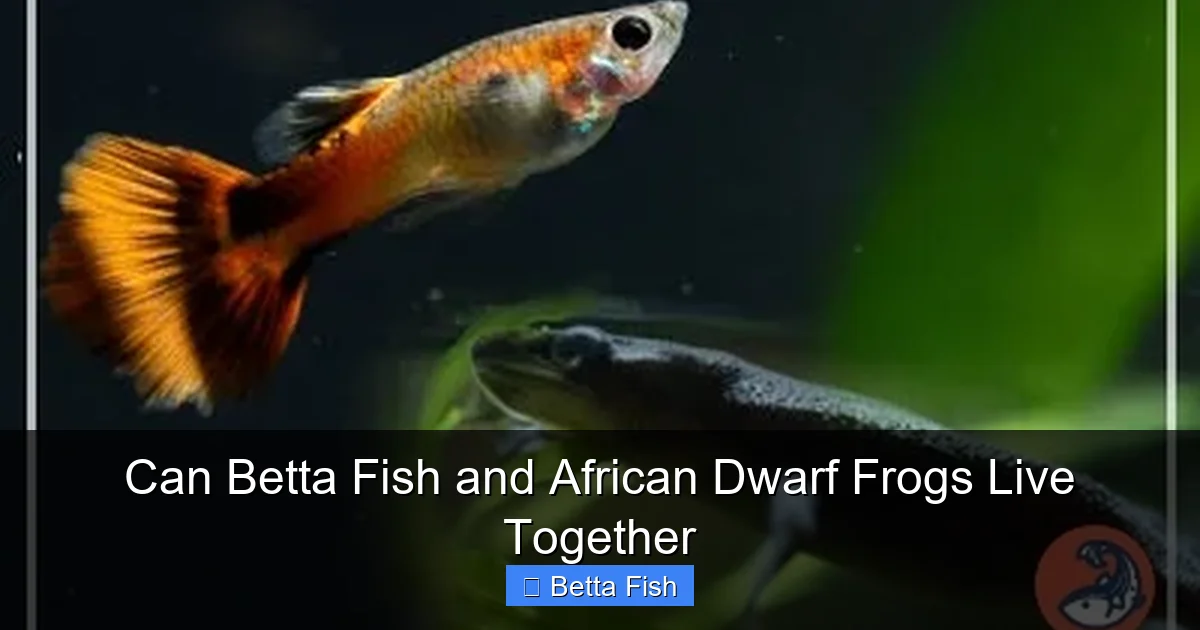
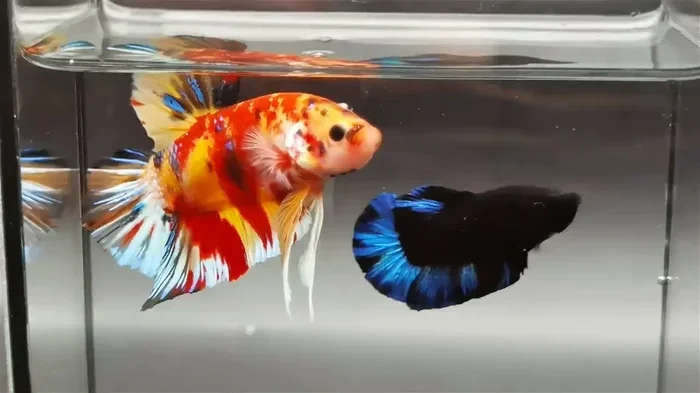
Visual guide about Can Betta Fish and African Dwarf Frogs Live Together
Image source: aquariumnexus.com
African Dwarf Frogs: The Aquatic Amphibians
Hyalectes spp., commonly called African dwarf frogs, hail from the slow‑moving streams of Central Africa. They spend their entire lives underwater, using their skin to breathe. Ideal water is warm (78‑80°F), slightly acidic to neutral (pH 6.0‑7.5), and soft to moderately hard. They are peaceful, social, and love to hide among plants and décor.
Matching Water Parameters
Temperature: The Sweet Spot
Both bettas and dwarf frogs thrive at 78‑80°F. Maintaining this temperature with a reliable aquarium heater eliminates one major compatibility hurdle.
pH and Hardness
The overlapping pH range (6.5‑7.5) means you can keep both species comfortable. Use a liquid test kit weekly and adjust with peat or crushed coral as needed.
Filtration and Flow
Betta fish are “labyrinth” breathers and can handle low‑flow environments. African dwarf frogs, however, need gentle water movement to keep oxygen levels up. A sponge filter or a low‑speed hang‑on powerhead provides enough circulation without stressing the betta.
Choosing the Right Betta
Male vs. Female
Male bettas are often the culprits in aggression. If you’re set on a community tank, a calm, non‑aggressive male or a female betta is the safer bet. Many hobbyists report success with a peaceful female betta sharing space with dwarf frogs.
Temperament Testing
Before introducing a frog, observe your betta for at least one week. Look for signs of excessive flaring, chasing, or nipping at tank decorations. If the betta seems relaxed, you’re on the right track.
Helpful Resource
For more on betta compatibility, see our guide on Can Betta Fish Live Together Female And Male.
Setting Up the Tank
Tank Size and Shape
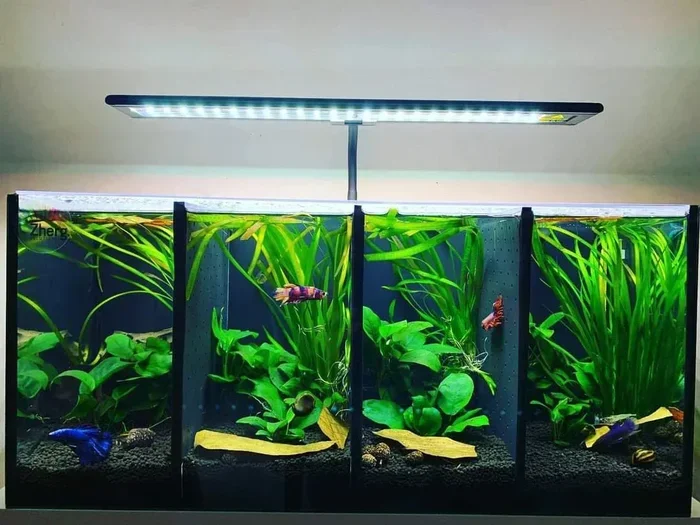
A minimum of 10 gallons is essential; 20 gallons offers the best balance of swimming space and hiding places. Longer tanks (e.g., 20‑30 gallons) give both species room to establish territories.
Substrate and Décor
- Fine sand or smooth gravel: Prevents injury to the frog’s delicate skin.
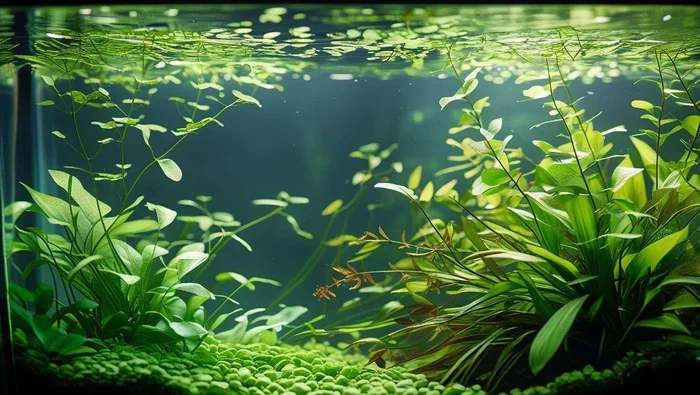
- Live plants: Java fern, Anubias, and mosses provide cover and help maintain water quality.
- Floating logs or leaf litter: Gives the betta surface territory while offering the frog places to rest.
- Caves and PVC pipes: Essential hideouts for the frog, especially during feeding.
Lighting
Both species appreciate a gentle day/night cycle. A 10‑hour photoperiod with dimmed moonlight mimics natural conditions and reduces stress.
Feeding Both Species Together
Diet Overview
Betta fish are carnivorous, thriving on high‑protein pellets, frozen bloodworms, and occasional brine shrimp. African dwarf frogs are omnivorous, eating small invertebrates, algae wafers, and specially formulated frog pellets.
Feeding Routine
- Morning: Offer a tiny pinch of betta pellets near the surface. The frog may ignore it.
- Afternoon: Drop a few daphnia or microworms near a plant leaf; the frog will snap them up.
- Evening: Feed a small portion of frog pellets that sink slowly, giving the betta a chance to eat any leftovers.
Preventing Over‑Feeding
Remove uneaten food after five minutes to keep water quality high. Over‑feeding is a common cause of cloudy water and disease.
Behavioral Interaction and Monitoring
Potential Aggression Triggers
Betta males may view the frog’s movement as a rival, especially if the frog swims near the surface. Likewise, a stressed frog may dart around, provoking the betta.
Signs of Stress
- Betta: Dull coloration, constant flaring, or hiding.
- Frog: Lethargy, clamped mouth, or loss of appetite.
What to Do If Conflict Arises
Immediately provide additional hiding spots and consider a temporary divider. If aggression continues, it may be safest to house them separately.
Health and Disease Considerations
Common Illnesses
Both species are prone to “ich” (white spot disease) in stressed conditions. Treat with a gentle aquarium salt dip for the frog and a formalin bath for the betta, following dosage guidelines.
Quarantine Protocol
Always quarantine new arrivals for at least two weeks. This protects your existing tank from parasites and bacterial infections.
Water Quality Maintenance
Weekly 25‑30% water changes, gravel vacuuming, and filter cleaning keep ammonia and nitrite at zero—critical for the frog’s permeable skin.
Success Stories and Real‑World Examples
Case Study: A 12‑Gallon Community
Emily set up a 12‑gallon tank with a female betta, three dwarf frogs, and a handful of java moss. She used a sponge filter, a 75 W heater, and added driftwood for hiding. After a two‑week quarantine and careful temperament testing, the tank ran smoothly for six months. She reported vibrant colors on the betta and active, curious frogs.
Case Study: A Male Betta Gone Wrong
John introduced a male betta with two dwarf frogs in a 10‑gallon tank. Within days, the betta flared constantly and nipped at the frogs, causing one to develop fin rot. The lesson? Male bettas often view the frogs as rivals, especially in cramped spaces.
Frequently Asked Questions (FAQs)
Do African dwarf frogs need a land area?
No. Unlike some amphibians, dwarf frogs spend their entire lives in water and breathe through their skin and lungs.
Can I keep more than one dwarf frog with a betta?
Yes, provided the tank is large enough and there are plenty of hiding spots. A group of 2‑3 frogs works well in a 20‑gallon setup.
Will the betta eat the frog’s eggs?
African dwarf frogs lay eggs on surfaces. A betta might eat them if they’re within reach, so use a breeding trap or separate the frog during spawning.
Is a planted tank better for this combo?
Absolutely. Live plants improve water quality, provide cover, and make the environment more natural for both species.
Can I use a heater with a built‑in thermostat?
Yes, a reliable heater with an adjustable thermostat is essential to maintain the 78‑80°F range.
What other fish can I add to this community?
Small, peaceful species like neon tetras or rasboras can work, but always check compatibility. For more ideas, see What Other Fish Can Live With Betta Fish.
Conclusion: Making an Informed Decision
So, can betta fish and African dwarf frogs live together? The answer is yes—under the right conditions. Matching water parameters, choosing a calm betta (preferably female), providing ample space and hiding spots, and vigilant monitoring are the pillars of success. Remember, each individual has its own personality; what works for one tank may not work for another.
Take the time to set up a proper environment, quarantine new arrivals, and enjoy the fascinating interactions of these two unique creatures. With patience and care, you’ll have a vibrant, lively aquarium that showcases the best of both worlds.
Frequently Asked Questions
Do African dwarf frogs need a land area?
No. African dwarf frogs are fully aquatic and spend their entire lives underwater, breathing through their skin and lungs.
Can I keep more than one dwarf frog with a betta?
Yes, as long as the tank is large enough (20 gallons or more) and you provide plenty of hiding places to reduce stress.
Will the betta eat the frog’s eggs?
Betta fish may attempt to eat frog eggs if they’re within reach. Use a breeding trap or separate the frog during spawning to protect the eggs.
Is a planted tank better for this combo?
Definitely. Live plants improve water quality, offer cover for the frogs, and give the betta a natural environment to display its fins.
Can I use a heater with a built‑in thermostat?
Yes, a reliable heater with an adjustable thermostat is essential to keep the temperature steady at 78‑80°F for both species.
What other fish can I add to this community?
Small, peaceful fish like neon tetras or rasboras can coexist if the tank is spacious. See What Other Fish Can Live With Betta Fish for more options.