Can Betta Be in a Covered Fish Bowl
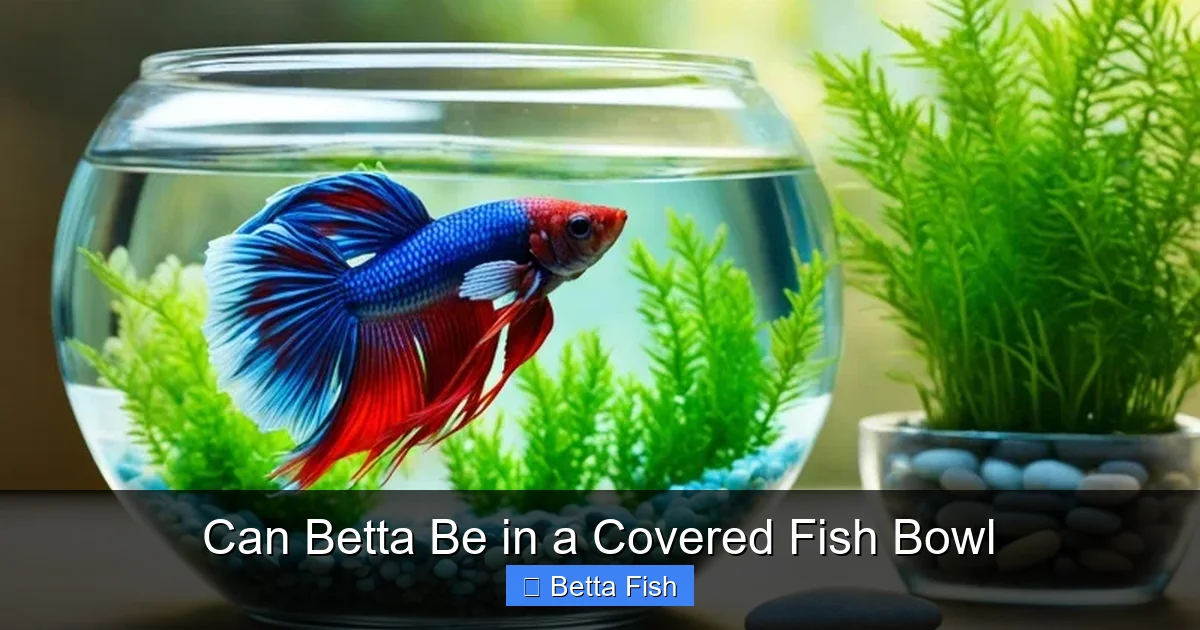
Wondering if a covered fish bowl is right for your betta? A lid can keep water clean and protect a curious fish, but it also brings ventilation challenges. Read on for a friendly guide that balances safety, comfort, and the best setup practices.
Key Takeaways
- Ventilation matters: A covered bowl must allow enough airflow to prevent low oxygen.
- Size is still crucial: Even with a lid, a bowl should hold at least 2‑3 gallons for a single betta.
- Temperature control: A cover can trap heat; use a thermometer and heater to keep water stable.
- Cleaning routine: Covered bowls still need regular water changes to avoid waste buildup.
- Safety first: Choose a lid that won’t trap the fish or cause stress from reflections.
- Alternative setups: Small tanks with lids often work better than traditional open bowls.
- Watch for signs: Gasping, lethargy, or constant hiding signal poor oxygen or stress.
📑 Table of Contents
- Introduction: The Covered Bowl Question
- 1. Understanding Betta Needs: Breath, Space, and Temperature
- 2. Pros of Using a Covered Fish Bowl
- 3. Cons and Risks of a Covered Bowl
- 4. How to Choose the Right Cover
- 5. Setting Up a Healthy Covered Bowl
- 6. When a Covered Bowl Isn’t Enough
- Conclusion: Balance Is Key
Introduction: The Covered Bowl Question
When you first bring home a betta, the idea of a cute, glass bowl with a snug lid can feel like the perfect starter home. It looks tidy, keeps the water from spilling, and even keeps curious kids or pets from poking around. But can betta be in a covered fish bowl without compromising health? The short answer is: yes, but only if you pay close attention to ventilation, size, and maintenance.
In this article we’ll walk through the pros and cons of a covered bowl, explain the science behind betta breathing, and give you a step‑by‑step checklist to set up a safe, happy environment. Think of it as a conversation over coffee with a fellow fish lover—simple, friendly, and full of practical tips.
1. Understanding Betta Needs: Breath, Space, and Temperature
Why Oxygen Matters
Betta fish (Betta splendens) are labyrinth fish, meaning they have a special organ that lets them gulp air from the surface. Still, they need dissolved oxygen in the water for normal metabolism. A covered bowl can limit gas exchange, especially if the lid is airtight.
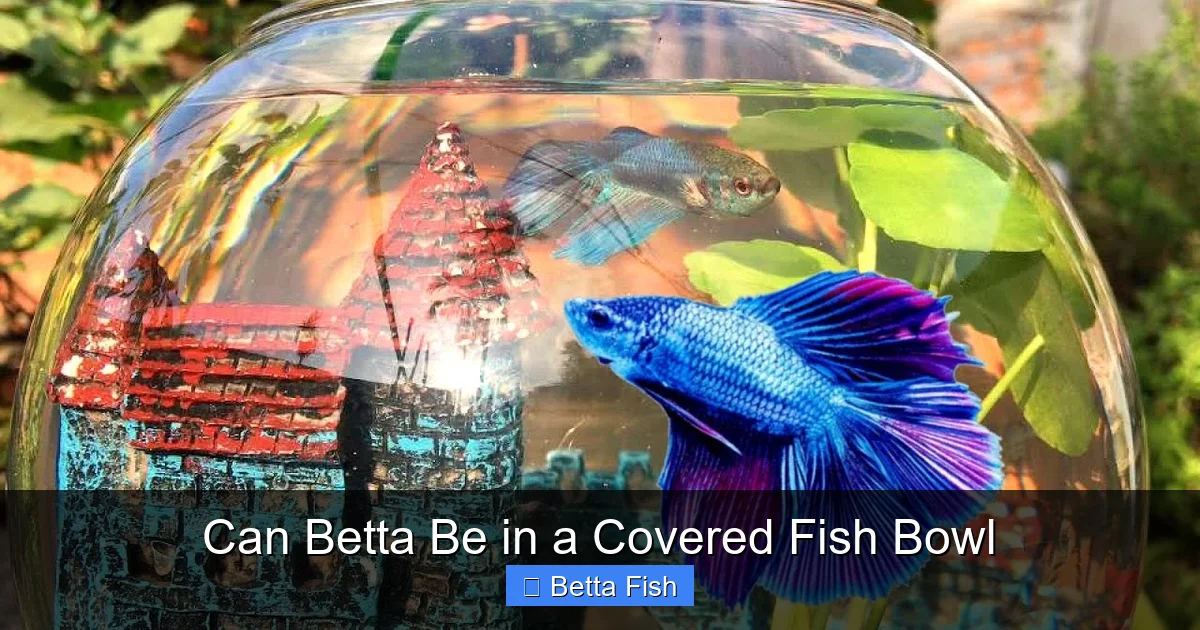
Visual guide about Can Betta Be in a Covered Fish Bowl
Image source: i.ytimg.com
How Much Space Does a Betta Really Need?
Even though bettas can survive in small spaces, they thrive in at least 2‑3 gallons of water. Anything less forces the fish to waste more energy filtering its own waste and can lead to rapid ammonia spikes. For a covered bowl, aim for the larger end of that range.
Temperature Stability
Betta fish love warm water, ideally 76‑82°F (24‑28°C). A lid can trap heat, which is great in cooler rooms but risky in warm climates. Use a reliable aquarium heater and a thermometer to keep the temperature steady.
2. Pros of Using a Covered Fish Bowl
Spill Prevention
A lid keeps water from sloshing out when the bowl is moved or knocked over—a real win for households with active kids or pets.
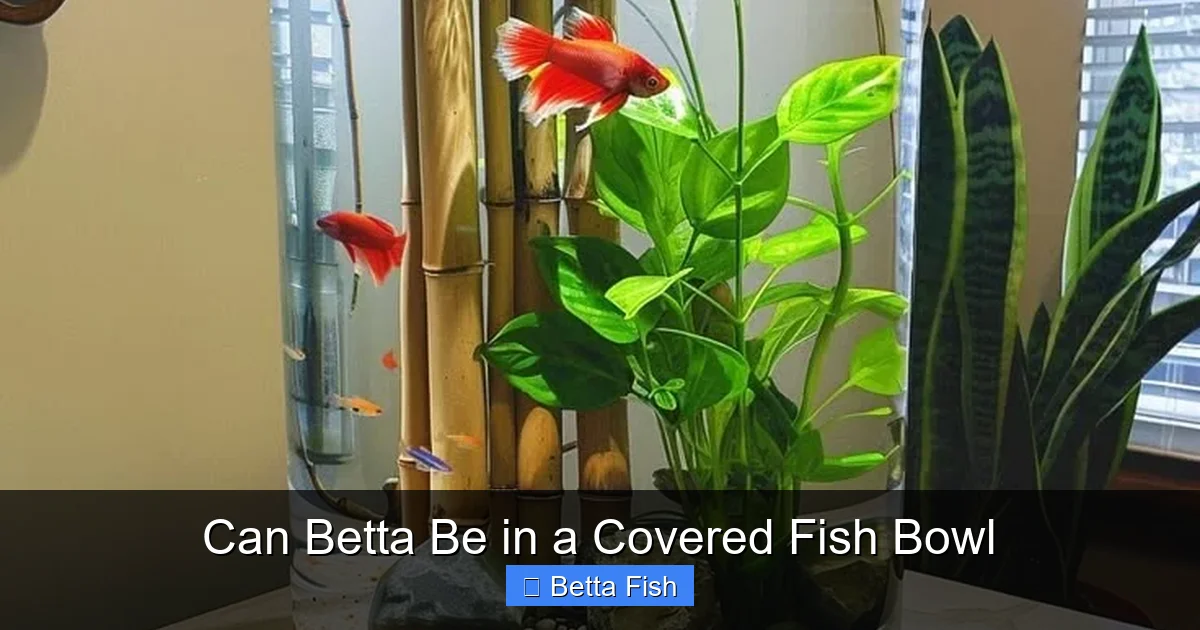
Visual guide about Can Betta Be in a Covered Fish Bowl
Image source: i.pinimg.com
Cleaner Appearance
Covered bowls look neat, reducing dust and debris that might otherwise fall into the water.
Reduced Evaporation
Less water loss means fewer top‑ups and a more stable environment for your betta.
3. Cons and Risks of a Covered Bowl
Limited Air Exchange
If the cover doesn’t have ventilation holes, oxygen levels can drop quickly, leading to gasping or even death.
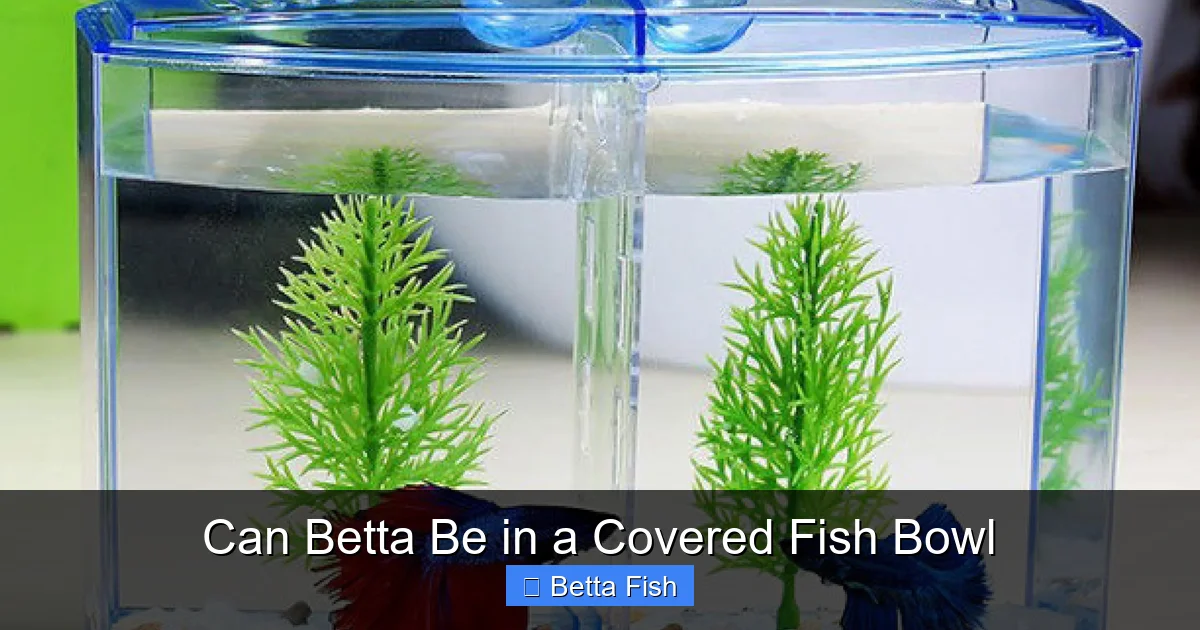
Visual guide about Can Betta Be in a Covered Fish Bowl
Image source: m.media-amazon.com
Heat Build‑Up
In warm rooms, a sealed lid can push water temperature above the safe range, stressing the fish.
Stress From Reflections
Betas can mistake the lid’s inner surface for another fish, causing aggression or constant flaring.
4. How to Choose the Right Cover
Ventilation Holes
Look for a lid with small, evenly spaced holes or a mesh screen. This lets gases move while still keeping the bowl mostly covered.
Material Matters
Clear acrylic or glass lids work well. Avoid plastic that can warp with heat.
Easy Removal
Choose a cover that lifts off without shaking the water—this makes water changes and feeding simpler.
5. Setting Up a Healthy Covered Bowl
Step‑by‑Step Checklist
- Pick the right size: Use a bowl that holds at least 2.5 gallons (≈9‑10 L).
- Condition the water: Fill with dechlorinated water, let it sit 24 hours, then test pH (6.5‑7.5) and hardness.
- Add a heater: Submersible heaters of 25‑50 W work well for small volumes.
- Install a vented lid: Secure the cover but ensure airflow.
- Provide hiding spots: Live plants, driftwood, or silk plants give the betta places to rest.
- Set a feeding schedule: 2‑3 small meals per day, no more than what the fish can eat in 2 minutes.
- Plan weekly water changes: Replace 20‑30 % of the water each week to keep nitrate low.
Maintenance Tips
Even with a lid, waste builds up. Use a gentle gravel vacuum and a siphon to remove debris without disturbing the fish too much. For a covered bowl, a small siphon with a short tube works best.
6. When a Covered Bowl Isn’t Enough
Signs Your Betta Needs More Space
Watch for constant flaring, faded colors, or lethargy. These can indicate stress from low oxygen or cramped conditions.
Upgrading to a Tank
If you notice any of these signs, consider moving to a 5‑gallon tank with a lid or a filtered aquarium. A tank offers better stability, filtration, and room to add live plants.
For more details on why many owners still choose bowls, check out Why Can Betta Fish Live In A Bowl. If you’re curious about keeping a betta without a filter, our guide Can Betta Fish Live In A Bowl Without Filter explains how to maintain water quality safely.
Conclusion: Balance Is Key
So, can betta be in a covered fish bowl? Yes—provided you choose a properly vented lid, give enough water volume, and stay on top of temperature and water changes. Think of the cover as a protective hat, not a sealed helmet. When you respect the betta’s need for oxygen, space, and clean water, a covered bowl can be a tidy, safe starter home.
Remember, the ultimate goal is a happy, healthy fish that shows off its brilliant colors. If you ever feel unsure, upgrading to a small tank is a simple step that offers more flexibility and peace of mind.
Frequently Asked Questions
Can a betta survive long‑term in a covered bowl?
Yes, if the lid has ventilation, the bowl holds at least 2‑3 gallons, and you perform regular water changes and temperature checks.
Do covered bowls need a filter?
While a filter isn’t mandatory, a small sponge filter can improve oxygen and keep waste low. If you skip a filter, change 20‑30 % of the water weekly.
How often should I clean a covered betta bowl?
Perform a partial water change every 5‑7 days and wipe the inside of the lid to prevent algae buildup.
Will a lid cause my betta to become stressed?
Only if the lid is airtight or reflects too much light. Choose a lid with holes and avoid placing it directly over the fish’s favorite spot.
Can I add plants or decorations under a covered lid?
Absolutely! Live plants, silk leaves, and small caves provide hiding places and improve water quality.
What temperature should the water be under a covered bowl?
Maintain 76‑82°F (24‑28°C). Use a reliable heater and thermometer, and watch for heat buildup if the room is warm.