Betta fish are beautiful but territorial, so not every tank mate is a good fit. This guide explains the traits to look for, lists safe companions, and offers practical steps to create a peaceful mixed‑species tank. Read on to learn if any fish can truly live with a betta.
Key Takeaways
- Temperament matters: Male bettas are especially aggressive; females are more tolerant but still need space.
- Size and shape count: Small, fast‑moving fish are less likely to be bullied than slow, long‑finned species.
- Tank size is critical: A minimum of 20 gallons gives enough room for territories and hiding spots.
- Water parameters must match: Keep temperature, pH, and hardness suitable for both betta and tank mates.
- Introduce slowly: Use a quarantine or breeder box first to let the betta adjust.
- Plants and décor help: Live plants, caves, and driftwood break lines of sight and reduce stress.
- Not every fish works: Goldfish, large cichlids, and long‑fin species are best avoided.
📑 Table of Contents
Introduction: Why the Question Matters
If you’ve ever stared at a dazzling male betta flaunting its fins, you’ve probably wondered, “can any fish be with a betta?” The answer isn’t a simple yes or no. Betta fish (Betta splendens) are native to shallow, warm waters of Thailand where they often live alone. In a home aquarium, that solitary nature can turn into territorial aggression, especially in males.
That doesn’t mean a betta has to live in a lonely bowl forever. With the right tank size, water conditions, and careful selection of tank mates, many hobbyists enjoy a peaceful community that includes a betta. This article walks you through the science of betta behavior, the traits that make a good companion, and step‑by‑step tips for setting up a successful mixed tank.
Understanding Betta Behavior
Male vs. Female Temperaments
Male bettas are famous for their flare‑up displays and will often chase anything that looks like a rival. Females are less flamboyant, but they can still be defensive when space is limited. Knowing which sex you own is the first filter in deciding which fish might be compatible.
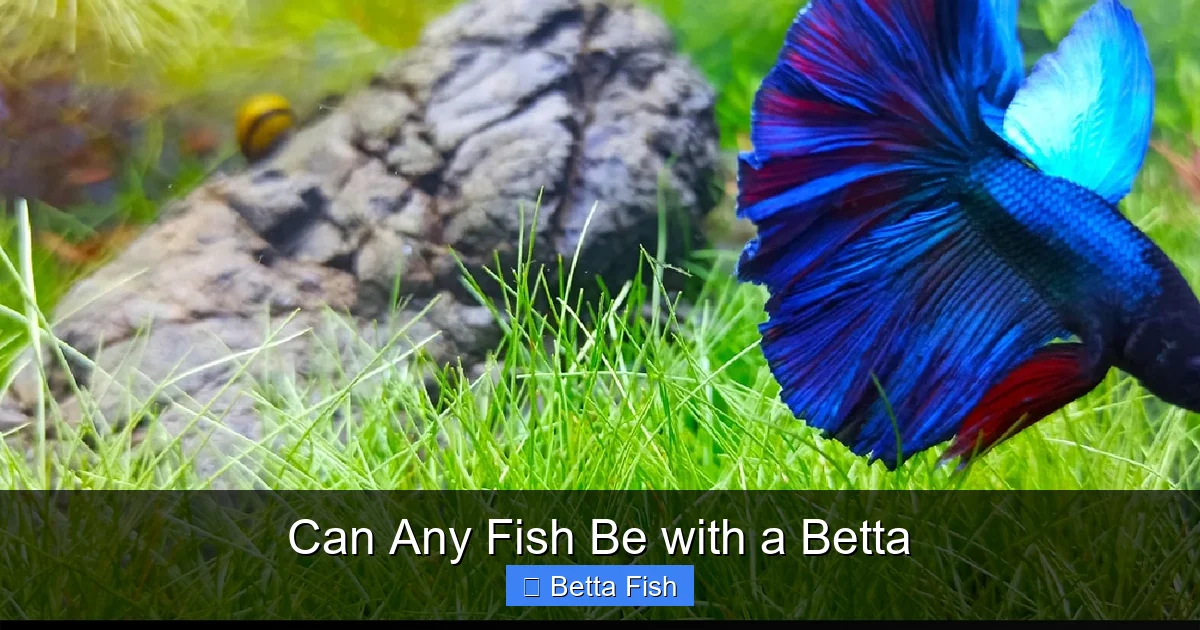
Visual guide about Can Any Fish Be with a Betta
Image source: buildyouraquarium.com
Territorial Triggers
Betas react to movement, bright colors, and especially long, flowing fins that mimic another betta. This is why guppies with huge tails or fancy goldfish are risky choices. Even a brightly colored shrimp can set off a flare if it darts too close.
Natural Habitat Clues
In the wild, bettas inhabit slow‑moving, vegetation‑rich streams. They hide among roots and leaf litter. Replicating that environment in your tank—lots of plants, driftwood, and hiding spots—helps a betta feel secure and less likely to view tank mates as intruders.
Key Factors When Choosing Tank Mates
Size and Swimming Ability
Fast swimmers that stay in the upper or middle water column tend to avoid the betta’s territory at the bottom. Small, quick fish such as neon tetras, harlequin rasboras, or dwarf shrimp are good candidates because they can dart away if the betta approaches.
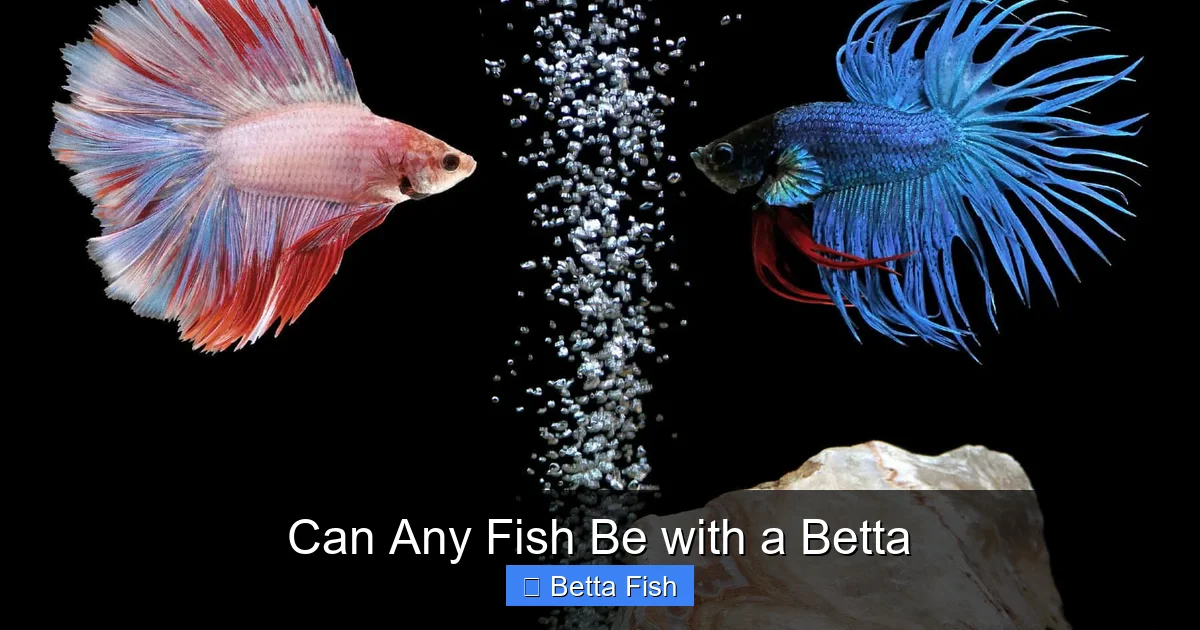
Visual guide about Can Any Fish Be with a Betta
Image source: aquariadise.com
Fin Shape and Color
Avoid fish with long, flowing fins (e.g., fancy guppies, fancy goldfish) and bright reds or blues that mimic a betta’s own coloration. Instead, choose species with short fins and muted colors—like the zebra danio or the peppered corydoras.
Temperament Compatibility
Peaceful, non‑aggressive species are a must. Look for community fish known for their calm nature. The What Fish Can Be With a Betta article lists many of these safe options.
Water Parameter Matching
Betta fish thrive at 76‑82 °F (24‑28 °C), with a pH of 6.5‑7.5 and soft to moderately hard water. Any potential mate must tolerate the same range. Research each species’ requirements before making a decision.
Best Fish and Invertebrates for a Betta Community
Small Tetras and Rasboras
Neon tetras, ember tetras, and harlequin rasboras are tiny, fast, and school together, which distracts the betta and reduces aggression. Keep them in groups of six or more to promote schooling behavior.
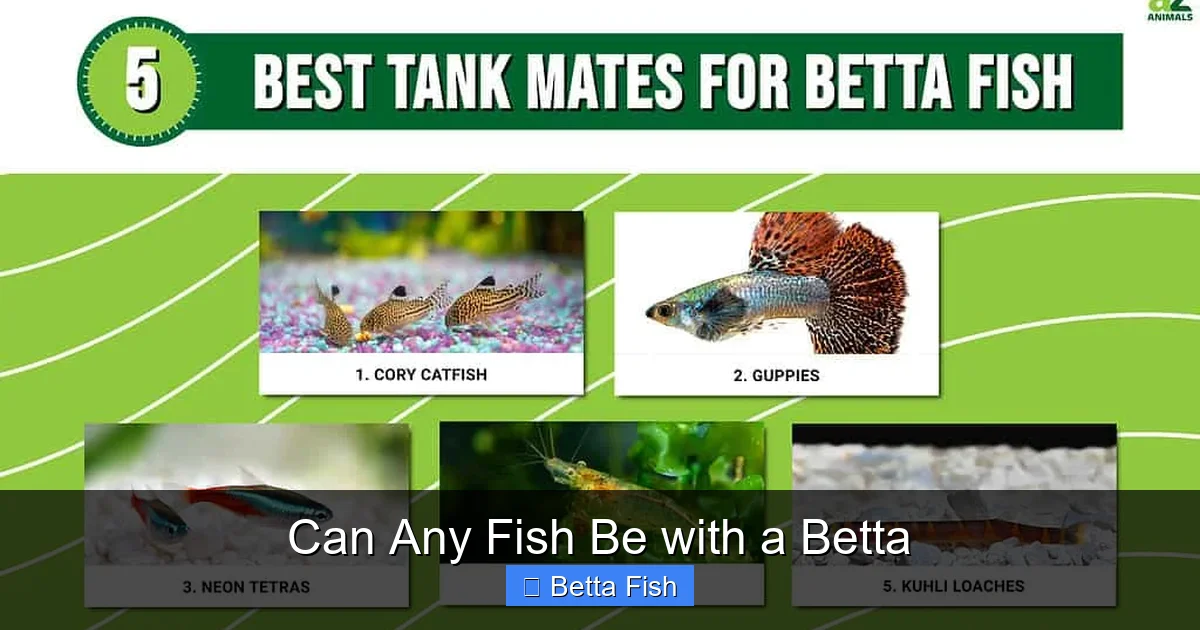
Visual guide about Can Any Fish Be with a Betta
Image source: a-z-animals.com
Peaceful Bottom Dwellers
Corydoras catfish (especially the peppered or dwarf varieties) and kuhli loaches stay near the substrate and rarely interact with the betta’s vertical space. Their scavenging habits also help keep the tank clean.
Snails and Shrimp
Apple snails, nerite snails, and cherry shrimp are popular choices. They move slowly enough not to provoke the betta, and they aid in algae control. For more on snails, see Can Snails Be In A Tank With Betta Fish.
Small Livebearers
Endler’s livebearers are smaller than guppies and have shorter fins, making them less likely to trigger a flare. Keep them in a well‑planted tank with plenty of cover.
What to Avoid
- Goldfish – they need cooler water and produce a lot of waste.
- Long‑fin guppies or fancy varieties – their tails look like a rival betta.
- Large cichlids or aggressive barbs – they will fight the betta.
- Slow‑moving bottom dwellers that stay near the betta’s territory, such as loaches with bright coloring.
Setting Up the Tank for Success
Choosing the Right Size
A 20‑gallon tank is the sweet spot for a betta community. It provides enough horizontal space for territories and enough water volume to dilute waste, keeping parameters stable.
Filtration and Flow
Betta fish prefer calm water, so use a gentle filter or a sponge filter that creates minimal current. Position the filter intake away from the betta’s preferred resting spot.
Plants, Rocks, and Hiding Places
Live plants like Java fern, Anubias, and Amazon swords not only improve water quality but also break lines of sight. Add driftwood, caves, and PVC tubes for extra hideouts. This mimics the natural environment and reduces stress for all inhabitants.
Acclimation Process
When adding new fish, use a breeder box or a quarantine tank for at least 24 hours. This allows the betta to see the newcomers without direct contact. After this period, perform a slow water‑change acclimation and release the fish gently.
Monitoring and Maintenance
Watch for signs of stress: faded colors, clamped fins, or frantic swimming. Perform weekly 25‑30% water changes and test ammonia, nitrite, and nitrate levels. Consistent maintenance keeps the betta and its companions healthy.
Frequently Asked Questions About Betta Tank Mates
Can a male betta live with other male bettas?
No. Male bettas are highly territorial and will fight to the death if housed together, unless the tank is exceptionally large (over 55 gallons) with tons of hiding places—still risky.
Is it okay to keep a betta with a single guppy?
Generally not. Even a single guppy’s long fins can trigger aggression, especially in a male betta.
Can bettas share a tank with dwarf gouramis?
Both species are labyrinth fish and can coexist in a large, heavily planted tank, but monitor closely for any signs of bullying.
Do bettas need a heater if kept with tropical fish?
Yes. Most tropical community fish share the same temperature range as bettas, so a reliable heater set to 78 °F (25.5 °C) works for all.
How often should I feed a mixed betta tank?
Feed small amounts 2‑3 times a day, ensuring that the betta gets its high‑protein pellets while other fish receive flake or micro‑pellet foods. Remove uneaten food after a few minutes.
Can I add a betta to an already established community tank?
It’s possible, but riskier. The established fish may see the betta as a newcomer and harass it, while the betta may flare at existing residents. A better approach is to start with the betta and add community fish gradually.
Conclusion: No One‑Size‑Fits‑All Answer
So, can any fish be with a betta? The short answer is no—betta temperament, tank size, and water parameters set clear limits. The longer answer is that with careful planning, many small, fast, and peaceful species can share a home with a betta, creating a vibrant, dynamic aquarium.
Remember to prioritize the betta’s comfort, provide plenty of hiding places, and watch the first few weeks closely. When you see the betta swimming calmly alongside its new friends, you’ll know the effort was worth it.
Frequently Asked Questions
Can a betta live with a goldfish?
No. Goldfish need cooler water and produce a lot of waste, which conflicts with the betta’s warm, clean‑water preferences.
Are snails safe tank mates for bettas?
Yes. Snails such as nerites or mystery snails move slowly and help control algae without provoking the betta.
What is the minimum tank size for a betta and community fish?
A 20‑gallon tank is the recommended minimum to give each fish enough space and reduce territorial aggression.
Can female bettas tolerate more tank mates than males?
Generally, females are less aggressive and can handle a slightly higher stocking level, but space and hiding spots are still essential.
How quickly should I expect a betta to accept new tank mates?
Some bettas adjust within a few days, while others may take weeks. Patience and gradual introductions are key.
Do I need a special filter for a betta community tank?
A gentle sponge filter or low‑flow hang‑on filter works well, providing filtration without creating strong currents that stress bettas.

