Wondering if you can keep an African frog with your betta fish? While the idea sounds fun, the answer depends on water parameters, temperament, and tank setup. Read on to discover safe ways to house them together—or why it’s better to keep them apart.
Key Takeaways
- Water compatibility is crucial: African frogs need warmer, softer water than most bettas.
- Temperament matters: Betta fish are territorial and may see a frog as prey.
- Tank size matters: A minimum of 20 gallons is recommended for a mixed setup.
- Hide spaces are essential: Frogs need land or driftwood to escape the fish’s view.
- Monitoring is mandatory: Observe behavior daily for signs of stress or aggression.
- Alternative companions: Some shrimp and snails coexist well with bettas, unlike most frogs.
- Research each species: Knowing the specific African frog species you own will guide your decision.
📑 Table of Contents
- Introduction: A Curious Pairing
- Understanding the Basics of Each Species
- Can African Frog Be Put With Betta Fish? The Core Compatibility Factors
- Setting Up a Mixed Tank: Step‑by‑Step Guide
- When It’s Better to Keep Them Separate
- Alternative Tank Mates for Bettas
- Conclusion: Making the Right Choice for Your Pets
Introduction: A Curious Pairing
If you love both colorful betta fish and exotic African frogs, you might wonder, can African frog be put with betta fish in the same aquarium. The idea is tempting—imagine a vibrant fish swimming alongside a lively amphibian. However, mixing species is not as simple as sharing water. Both bettas and African frogs have very specific needs, and ignoring those can lead to stress, illness, or even death.
In this guide we’ll break down everything you need to know before you decide to combine these two pets. From water chemistry and temperature to temperament and tank layout, we’ll cover the practical steps that keep both creatures happy. By the end, you’ll have a clear answer to the question “can African frog be put with betta fish?” and a roadmap for a safe, thriving community tank.
Understanding the Basics of Each Species
Betta Fish: The Siamese Fighter
Betta fish (Betta splendens) are native to shallow, slow‑moving waters of Thailand and Cambodia. They thrive in water that is:
Visual guide about Can African Frog Be Put with Betta Fish
Image source: bettafish.org
- Temperature: 76‑82 °F (24‑28 °C)
- pH: 6.5‑7.5
- Soft to moderately hard water (5‑20 dGH)
Male bettas are especially territorial and will flare at anything that resembles a rival—bright colors, flowing fins, or fast movements can trigger aggression. Females are a bit less aggressive but still prefer a calm environment.
African Frogs: A Varied Group
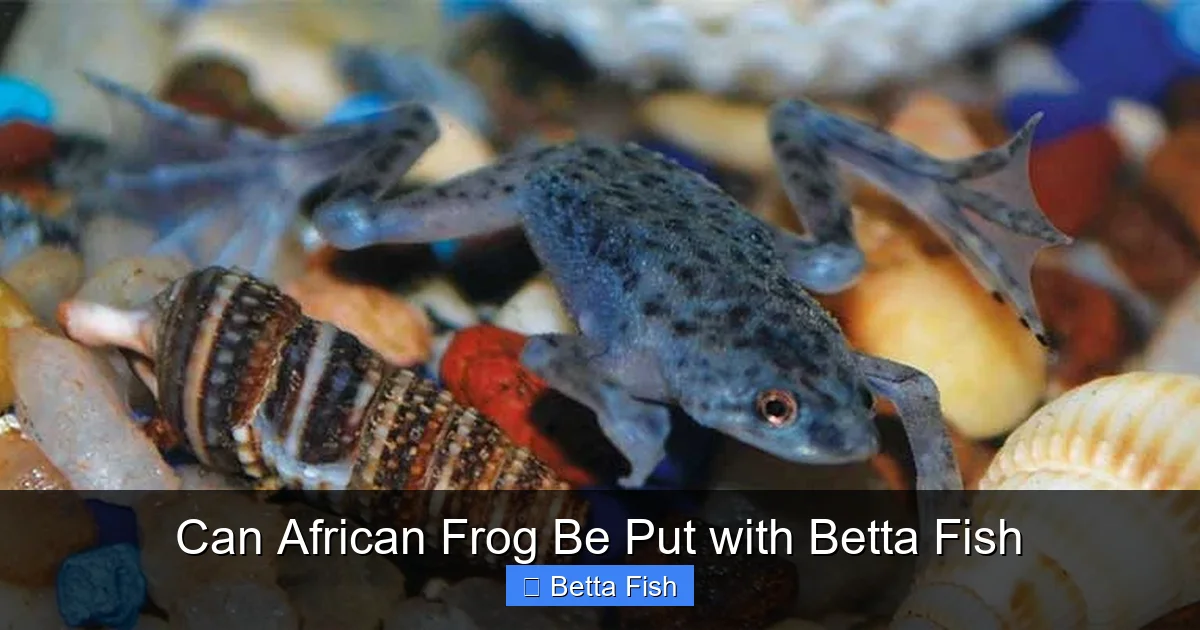
“African frog” is a broad term that includes many species, from the dwarf African clawed frog (Hymenochirus spp.) to the larger African bullfrog (Pyxicephalus adspersus). Most share the following preferences:
- Temperature: 75‑84 °F (24‑29 °C) – slightly overlapping with bettas.
- pH: 6.0‑7.0 – often a bit more acidic.
- Water hardness: Soft water is ideal, but many can tolerate moderate hardness.
- Land area: Many need a dry platform or a lot of leaf litter to rest.
Because of their amphibious nature, African frogs spend part of their day on land and part in water, which creates a unique challenge when sharing a tank with a fish.
Can African Frog Be Put With Betta Fish? The Core Compatibility Factors
Water Parameter Overlap
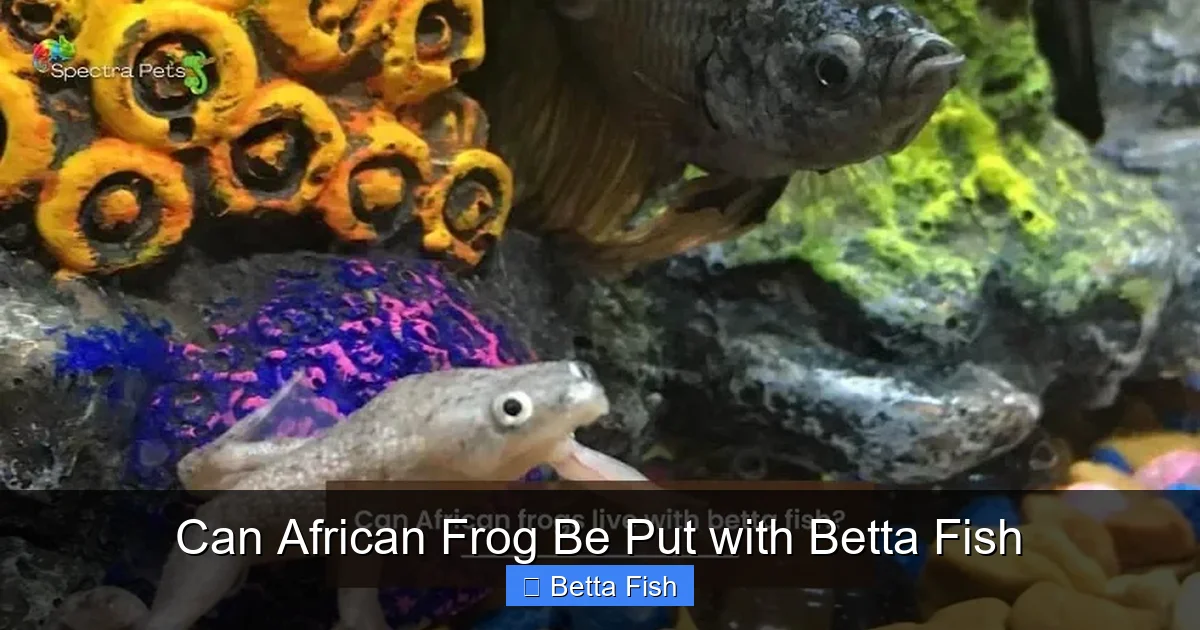
When you ask can African frog be put with betta fish, the first answer is “only if the water conditions match both species.” Both animals tolerate a temperature range of 75‑82 °F, so a mid‑range setting of 78 °F works well. pH is a bit trickier; aim for a neutral 7.0 to keep both comfortable.
Visual guide about Can African Frog Be Put with Betta Fish
Image source: spectrapets.com
Use a reliable test kit and adjust with driftwood (to lower pH) or crushed coral (to raise pH) as needed. Remember that sudden changes can stress either pet, so make adjustments slowly over several days.
Size and Activity Level
Most African frogs are larger than a betta and have a slower, more deliberate movement. A betta might see a frog’s quick darting as prey, especially if the frog is small enough to fit in the fish’s mouth. Larger frogs, like the African bullfrog, are usually too big to be eaten, but they can still intimidate a betta.
Territorial Behavior
Betta fish are notorious for defending their space. Even a peaceful-looking frog can trigger a betta’s flare response. If the betta constantly chases the frog, stress levels rise for both, leading to poor health.
To reduce aggression, provide plenty of visual barriers—plants, rocks, and driftwood—so the betta can’t see the frog all the time. This also gives the frog a safe place to retreat.
Feeding Differences
Bettas are carnivorous and thrive on high‑protein foods like brine shrimp, bloodworms, and specialized pellets. African frogs often eat live foods such as small insects, daphnia, or even small fish fry. Feeding the frog with live prey can provoke the betta, which may try to snatch the moving food.
Consider feeding the frog at the opposite end of the tank or using a separate feeding cup to keep the two meals apart.
Setting Up a Mixed Tank: Step‑by‑Step Guide
1. Choose the Right Tank Size
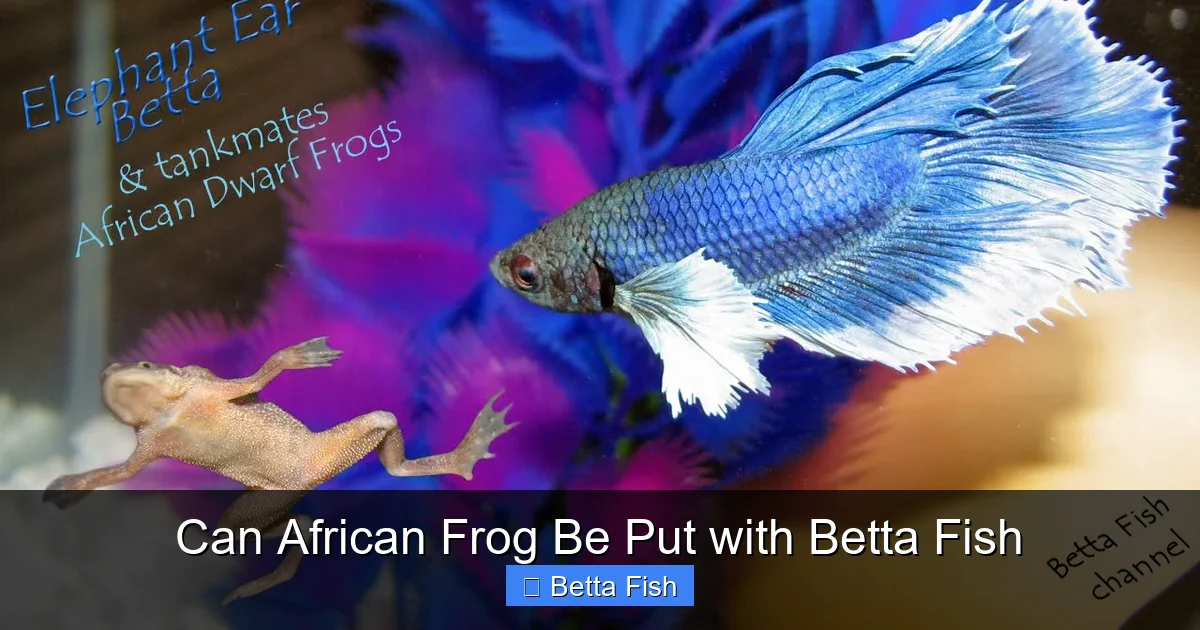
A minimum of 20 gallons is recommended for a mixed setup. This provides enough water volume to dilute any waste and enough floor space for a land platform. Larger tanks (30‑40 gallons) are even better, especially if you plan to keep more than one frog.
Visual guide about Can African Frog Be Put with Betta Fish
Image source: i.ytimg.com
2. Create Distinct Zones
- Water zone: Keep the water column open for the betta to swim.
- Land zone: Add a driftwood slab, a piece of slate, or a commercial amphibian platform where the frog can rest out of the water.
- Cover: Use a tight‑fitting lid; many African frogs can escape if the cover isn’t secure.
3. Select Appropriate Plants and Décor
Live plants like Java fern, Anubias, and mosses are great because they thrive in soft water and provide hiding spots. They also help lower nitrate levels, which benefits both species.
Place taller plants near the back to create a visual barrier between the betta and the frog.
4. Adjust Water Chemistry
Start with a neutral pH of 7.0 and a temperature of 78 °F. Use a heater with a thermostat for stability. Perform weekly 25 % water changes to keep ammonia and nitrite at zero.
5. Acclimate Both Pets Properly
Use the drip acclimation method for both the betta and the frog. This gradual process reduces shock from temperature or pH differences. Keep the betta in a separate container for at least 30 minutes after the frog is introduced, allowing the frog to explore the new environment without immediate fish interaction.
6. Monitor Behavior Daily
During the first two weeks, watch for any signs of stress:
- Betta flaring, chasing, or hiding more than usual.
- Frog staying constantly in water, refusing to climb onto its platform, or showing signs of skin discoloration.
If aggression occurs, be ready to separate them quickly using a breeder net or a temporary divider.
When It’s Better to Keep Them Separate
High‑Risk Species
Some African frogs, like the African clawed frog (Xenopus laevis), are fully aquatic and can grow up to 12 cm. Their active swimming style can easily attract a betta’s attention, increasing the chance of a bite.
Small or Juvenile Bettas
Young bettas are less aggressive but also more vulnerable to being outcompeted for food. If you have a juvenile betta, it’s safer to keep it alone until it reaches full size.
Health Concerns
Both bettas and frogs can be carriers of diseases that affect the other. For instance, fungal infections can spread via water. Quarantine new arrivals for at least two weeks before introducing them to an established tank.
Alternative Tank Mates for Bettas
If the answer to “can African frog be put with betta fish” is “no” for your setup, consider these proven companions:
- Snails – they help clean algae and are ignored by bettas.
- Shrimp – small, fast, and usually stay out of the betta’s way.
- Peaceful small fish like neon tetras (in a heavily planted, larger tank).
These options provide interaction without the risk of predation or territorial fights.
Conclusion: Making the Right Choice for Your Pets
So, can African frog be put with betta fish? The short answer is: it’s possible, but only under very specific conditions. You need a well‑filtered, spacious tank with stable temperature, neutral pH, plenty of hiding places, and diligent daily observation. If you cannot meet these requirements, it’s kinder to keep the betta and the frog in separate habitats.
Remember, the health and happiness of each animal should guide your decision. When in doubt, err on the side of caution and enjoy each species in its own perfect environment.
Frequently Asked Questions
Can a betta fish eat an African frog?
Yes, especially if the frog is small enough to fit in the betta’s mouth. Larger frogs are usually safe, but the betta may still try to harass them.
Do bettas and African frogs need the same water temperature?
Both prefer a range around 78 °F, so a stable middle temperature can satisfy both, but sudden changes should be avoided.
What type of African frog is safest with a betta?
Fully aquatic, larger species like the African bullfrog are less likely to be eaten, but they still need a land platform to feel secure.
How often should I change the water in a mixed tank?
Perform a 25 % water change weekly and test parameters each time to keep ammonia and nitrite at zero.
Can I keep multiple bettas with one African frog?
It’s not recommended. Multiple bettas increase aggression, making it harder to maintain a peaceful environment.
What signs show my betta is stressed by a frog?
Frequent flaring, hiding, loss of color, or reduced appetite are all warning signs that the betta is stressed.

