Yes, a tank can be too big for a betta fish if it isn’t set up correctly. A spacious aquarium offers more swimming room, but without proper décor, heating, and water flow, a betta can become stressed or lost. Find out the perfect balance between size and environment so your betta thrives.
Key Takeaways
- Size matters, but setup matters more: A larger tank is fine if you provide hiding spots, stable temperature, and gentle water flow.
- Minimum recommendation: 2‑5 gallons is the smallest safe size; anything below can cause health issues.
- Too much open water can stress a betta: Without plants or caves, a big tank feels like an empty desert.
- Heating and filtration: Bigger tanks need reliable heaters and low‑flow filters to keep water conditions stable.
- Tank mates: A properly sized tank gives you more options for compatible tank mates, but always research each species.
- Maintenance is easier in larger volumes: Water changes are less stressful, but you must still test parameters regularly.
- Enjoy the process: Setting up a “big enough” tank is a rewarding hobby that benefits both you and your betta.
📑 Table of Contents
Introduction: Why the Question Even Exists
When you first hear about betta fish, the image that pops up is often a tiny bowl on a desk. Over the years, hobbyists have learned that a bowl is a poor home for these colorful fighters. The natural next step is to think, “The bigger the tank, the better!” Yet, many owners wonder if there’s a point where the tank becomes *too* big for a betta.
It’s an understandable concern. Betta fish are territorial, love to explore, and need stable water conditions. If a tank is huge but empty, a betta can feel exposed, become shy, and even stress out. In this article we’ll break down the science, the practicalities, and the common myths surrounding tank size for bettas. By the end, you’ll know exactly how big *should* be big enough—and when “bigger” might actually be a problem.
1. The Biology Behind a Betta’s Space Needs
Natural habitat vs. home aquarium
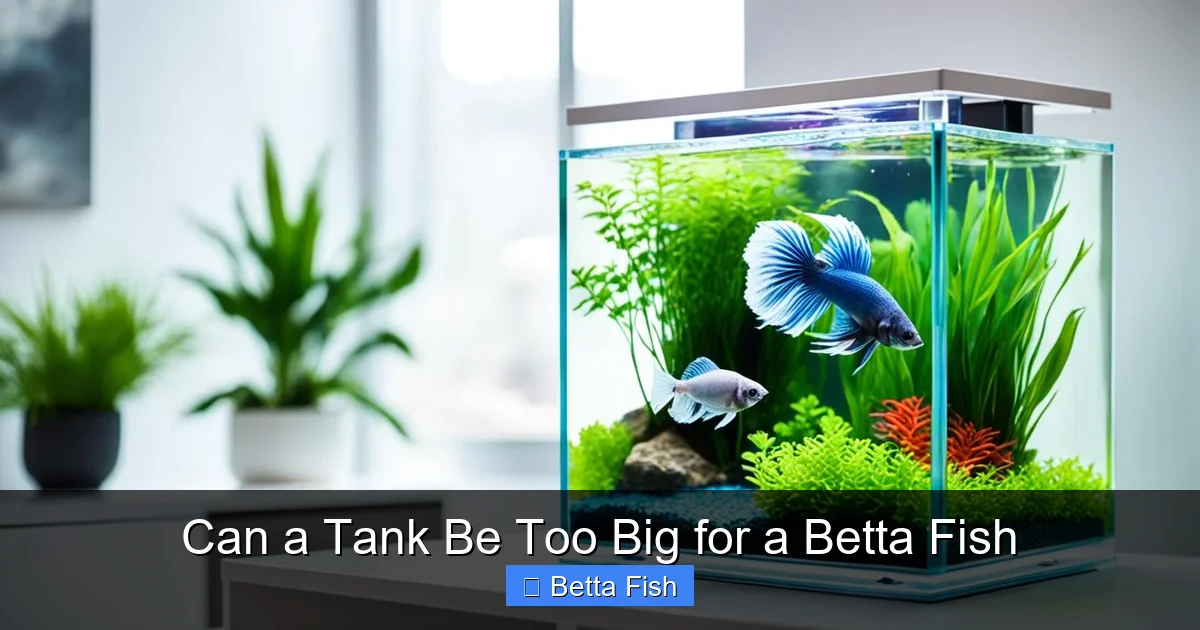
In the wild, Siamese fighting fish live in shallow rice paddies, slow‑moving streams, and dense vegetation. They are used to plenty of cover—roots, leaves, and floating plants. Their bodies are built for short bursts of speed, not long, open‑water swims.
Visual guide about Can a Tank Be Too Big for a Betta Fish
Image source: taildom.com
Territorial instincts
Male bettas are famously aggressive toward each other. A single male will defend a small area that he perceives as his domain. If the area is too large and lacks recognizable boundaries, his brain can’t “map” the territory, leading to anxiety.
Size of the fish
Adult bettas typically grow to 2.5–3 inches (6–8 cm). Their small size means they don’t need a massive volume of water to move around, but they do need a volume that can buffer temperature swings and dilute waste.
2. Minimum vs. Recommended Tank Size
The 2‑gallon rule
The absolute minimum many experts cite is a 2‑gallon (≈7.5 L) tank. Anything smaller can cause rapid temperature changes and poor water quality, which shortens a betta’s lifespan.
Visual guide about Can a Tank Be Too Big for a Betta Fish
Image source: img.houseui.com
Why 5 gallons is ideal for most hobbyists
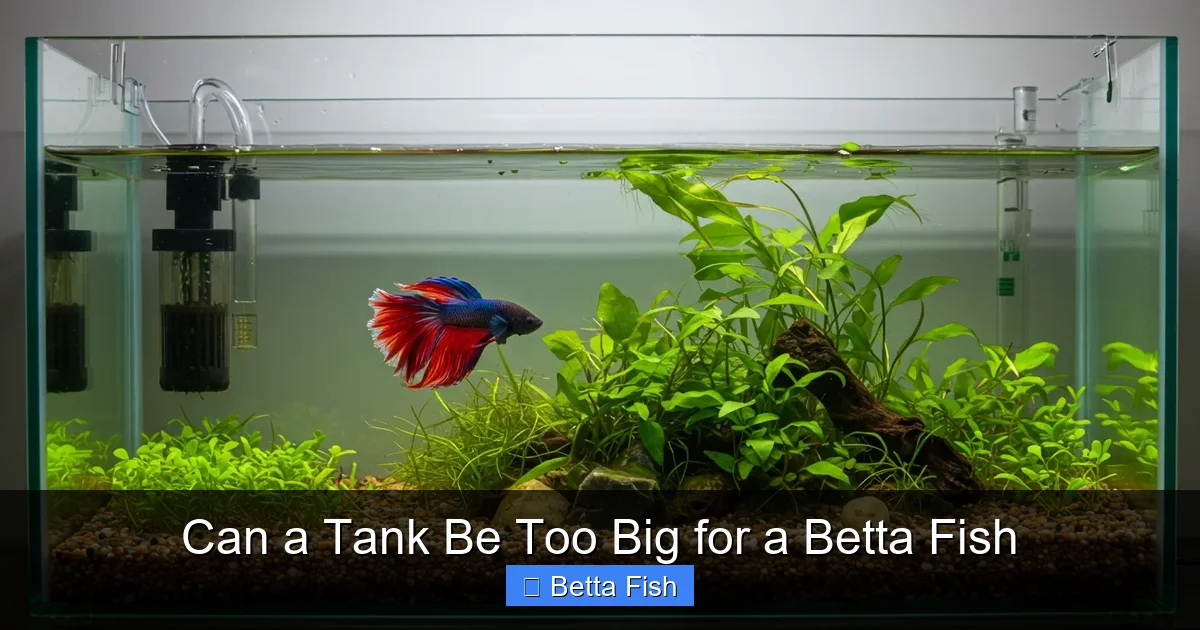
A 5‑gallon (≈19 L) tank gives you enough water to maintain stable parameters and enough floor space to add plants, driftwood, and caves. This size also makes it easier to install a reliable heater and a gentle filter.
Link to guide
For a detailed look at tank size recommendations, see our article on how big should a tank be for a betta fish.
3. When a Tank Can Feel “Too Big”
Lack of décor and hiding spots
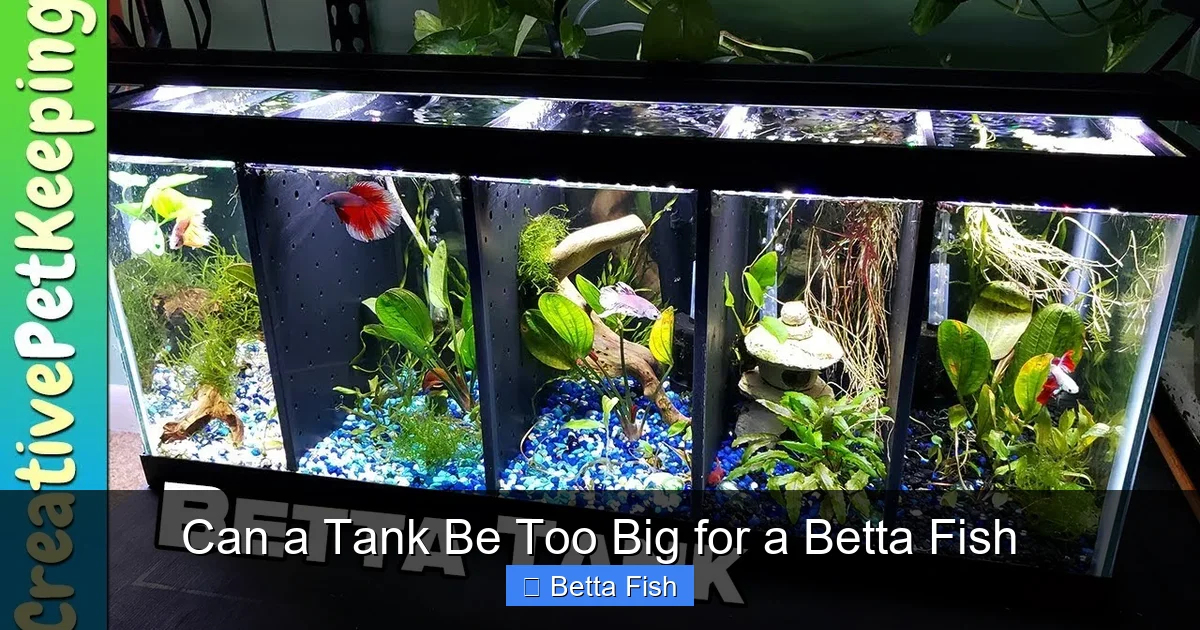
Imagine being placed in a large, empty room with no furniture. That’s how a betta feels in a big, barren tank. Without plants, caves, or floating leaves, the fish can become “shy” and hide at the bottom, showing less color and activity.
Visual guide about Can a Tank Be Too Big for a Betta Fish
Image source: i.ytimg.com
Inadequate heating
Bettas thrive at 76‑82°F (24‑28°C). Larger tanks take longer to heat and cool, so a cheap heater may struggle to keep the temperature steady. Fluctuations stress the fish and weaken its immune system.
Water flow that’s too strong
Many filters create a current suitable for community tanks, but bettas prefer calm water. In a larger tank, a high‑flow filter can create a constant breeze that makes the betta work harder to swim, leading to exhaustion.
Over‑cleaning and water changes
In a tiny bowl, a water change feels dramatic. In a big tank, owners sometimes skip regular changes, thinking the volume is “self‑cleaning.” This neglect can cause ammonia spikes, which are deadly for bettas.
4. Setting Up a Large Tank the Right Way
Choosing the right equipment
- Heater: A 25‑50 W submersible heater works well for 5‑10 gallon tanks.
- Filter: Opt for a sponge filter or a low‑flow hang‑on‑back (HOB) filter. Adjust the flow to a gentle ripple.
- Lighting: Soft LED lighting that mimics sunrise and sunset reduces stress.
Creating a betta‑friendly landscape
Use live or silk plants, driftwood, and ceramic caves. Aim for at least three distinct “zones”: a swimming area, a resting zone, and a hiding zone. This mimics the layered environment of their natural habitat.
Maintaining water quality
Test weekly for ammonia, nitrite, nitrate, and pH. Perform 25‑30% water changes every week, using conditioned tap water that matches the tank’s temperature.
Helpful resource
Need a step‑by‑step guide? Check out how to set up a tank for a betta fish for detailed instructions.
5. Benefits of a Properly Sized Tank
Health and longevity
Betta fish kept in a stable 5‑gallon environment often live 3‑5 years, sometimes longer with excellent care. Larger water volume dilutes toxins, making disease outbreaks less common.
More decorating options
A bigger tank lets you experiment with live plants, moss, and even tiny shrimp (if you’re experienced). This adds visual interest and creates a more natural feel.
Potential for compatible tank mates
While bettas are solitary, a well‑planted 10‑gallon tank can house peaceful bottom‑dwelling species like small rasboras or snails. Always research compatibility first.
Learning and enjoyment
Maintaining a larger tank teaches valuable aquarium skills—cycling, water testing, and plant care—that can be applied to other fish-keeping projects.
6. Common Myths Debunked
Myth: “Bigger is always better.”
Size alone doesn’t guarantee a healthy betta. Without proper set‑up, a huge tank can be more stressful than a modest, well‑decorated one.
Myth: “Betta fish can live in any water, even tap.”
Tap water must be conditioned to remove chlorine and chloramine. For details, read can you fill a betta fish tank with tap water.
Myth: “You don’t need a filter in a small tank.”
Even a 2‑gallon tank benefits from gentle filtration to keep ammonia low. A sponge filter works well and provides surface agitation for oxygen.
Conclusion: Finding the Sweet Spot
So, can a tank be too big for a betta fish? The answer is yes—if the tank is oversized *and* lacks the proper environment, heating, and gentle water flow, your betta may become stressed, shy, or ill. The key is to match tank size with thoughtful set‑up. A 5‑gallon tank that’s fully planted, heated, and gently filtered offers the perfect balance of space and security.
Remember, the goal isn’t to give your betta the biggest aquarium on the market; it’s to give him a stable, enriching home where he can show his brilliant colors and playful personality. Start with a modestly sized, well‑decorated tank, and watch your betta flourish.
Frequently Asked Questions
Can a betta fish live in a bowl?
No. Bowls lack heating, filtration, and space, leading to poor water quality and stress. A minimum of 2‑gallon tank is recommended.
What is the ideal temperature for a betta tank?
Bettas thrive at 76‑82°F (24‑28°C). Consistent temperature helps prevent disease and keeps the fish active.
Do bettas need a filter?
Yes, a gentle filter or sponge filter helps keep water clean without creating a strong current that can stress the fish.
Can I keep snails with my betta?
Snails are generally safe tank mates if the tank is well‑planted and the snail species isn’t aggressive. See can snails be in a tank with betta fish for details.
How often should I change the water?
Change 25‑30% of the water weekly, testing for ammonia, nitrite, nitrate, and pH each time.
Is it possible to keep other fish with a betta?
Yes, but only peaceful, non‑fin‑nipping species in a well‑planted tank. Research each species before adding them.

