Yes, a filter can be too strong for a betta fish. Choosing the right flow rate and placement helps prevent stress, keeps water clean, and supports a thriving betta.
Key Takeaways
- Flow matters more than size: A high‑flow filter can stress bettas even in a large tank.
- Look for “gentle” or “adjustable” filters: These let you dial down the current to a safe level.
- Use décor wisely: Plants, driftwood, and ornaments break up water movement.
- Regular water changes still matter: Even a perfect filter needs supplemental maintenance.
- Monitor your betta’s behavior: Rapid breathing, hiding, or faded colors signal too much flow.
- Test flow with a simple hand test: Your hand should feel only a light push, not a strong stream.
- Adjustments are easy: Adding a sponge pre‑filter or baffles can instantly calm a powerful filter.
📑 Table of Contents
- Introduction: Why the Question Matters
- 1. Understanding Betta Natural Habitat
- 2. How to Choose a Filter That Isn’t Too Strong
- 3. Setting Up Your Tank to Reduce Current
- 4. Spotting the Signs: When Your Betta Is Stressed by Flow
- 5. Frequently Asked Questions About Betta Filtration
- 6. Practical Tips & Maintenance Routine
- Conclusion: Balance Is the Secret
Introduction: Why the Question Matters
Betta fish are famous for their bright colors, flowing fins, and feisty personality. Because they’re native to shallow, slow‑moving waters of Southeast Asia, many beginners assume any filter will do. The truth is a little more nuanced. While a filter keeps the water clear and the nitrogen cycle running, a filter can be too strong for a betta fish if the water current is faster than what a betta is built to handle.
In this article we’ll explore what “too strong” really means, how to pick the right filter, and practical steps to create a calm environment. You’ll also learn how to spot signs of stress, balance filtration with decor, and keep the water pristine without over‑doing it.
1. Understanding Betta Natural Habitat
Slow‑moving waters
In the wild, bettas live in rice paddies, flood‑plain pools, and slow‑flowing streams. The water is warm (around 78‑82°F / 25‑28°C) and often still, with only gentle ripples caused by wind or passing insects. This low‑flow environment has shaped their bodies: large, muscular pectoral fins for short bursts of movement, not sustained swimming against a current.
Visual guide about Can a Filter Be Too Strong for a Betta Fish
Image source: cdn.shopify.com
What “flow” means in an aquarium
Flow is the amount of water moved per hour, measured in gallons per hour (GPH). A filter rated for 4‑5 times the tank volume is usually fine for community tanks, but for a betta it can feel like a river. The key is the *velocity* where the fish hangs out, not just the total GPH.
Why flow matters for bettas
- Energy expenditure: Constant swimming uses energy that should be spent on growth and coloration.
- Stress response: High flow triggers cortisol release, leading to faded colors and weakened immunity.
- Respiratory strain: Betta gill plates are delicate; a strong current can force rapid breathing.
2. How to Choose a Filter That Isn’t Too Strong
Look for “low‑flow” or “bettasafe” models
Many manufacturers market filters specifically for bettas. These units typically have flow rates of 1‑2 GPH per gallon of water. Examples include sponge filters, internal power filters with adjustable knobs, and hang‑on‑back (HOB) filters with flow‑control valves.
Visual guide about Can a Filter Be Too Strong for a Betta Fish
Image source: i.redd.it
Calculate the ideal flow rate
A good rule of thumb: aim for 2‑3 times the tank volume per hour. For a 5‑gallon (≈19 L) betta tank, that’s 10‑15 GPH. If you have a 10‑gallon tank, 20‑30 GPH is still gentle enough.
Adjustability is king
Filters with a dial or a baffle allow you to start strong (to cycle the tank) and then dial back once the nitrogen cycle is stable. Some hobbyists use a piece of fine mesh over the outlet to reduce velocity without buying a new filter.
Consider filter type
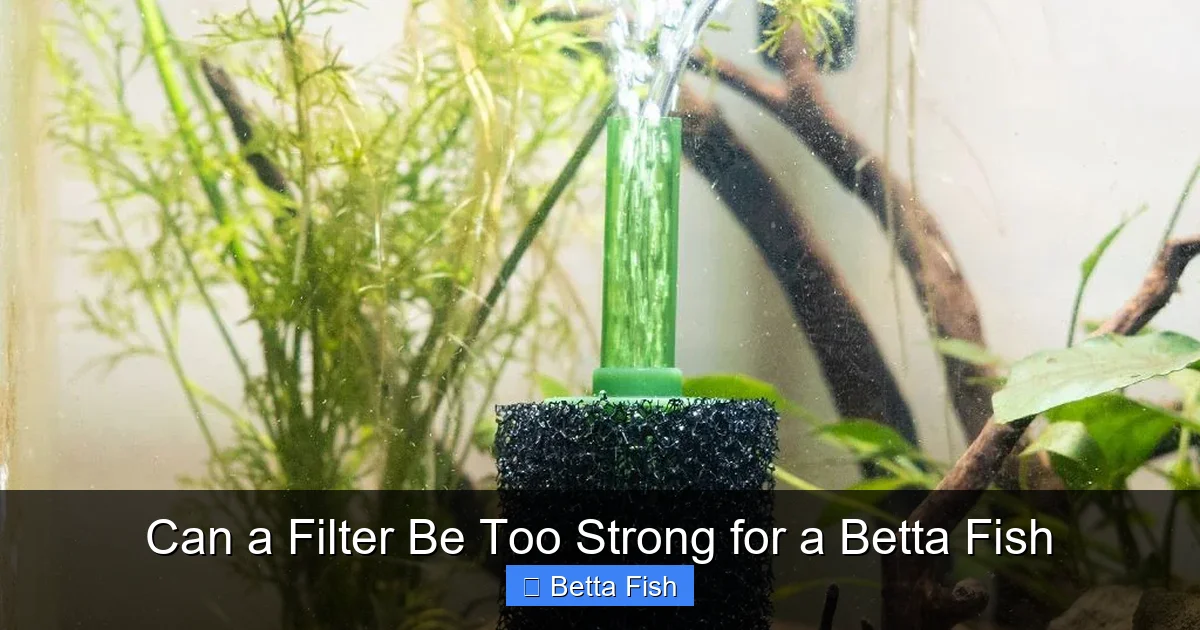
- Sponge filters: Provide biological filtration and a very gentle flow. Ideal for beginners.
- Internal power filters: Compact, sit inside the tank, and often have flow control.
- Hang‑on‑back filters: Can be fitted with a spray bar or a pre‑filter sponge to soften the stream.
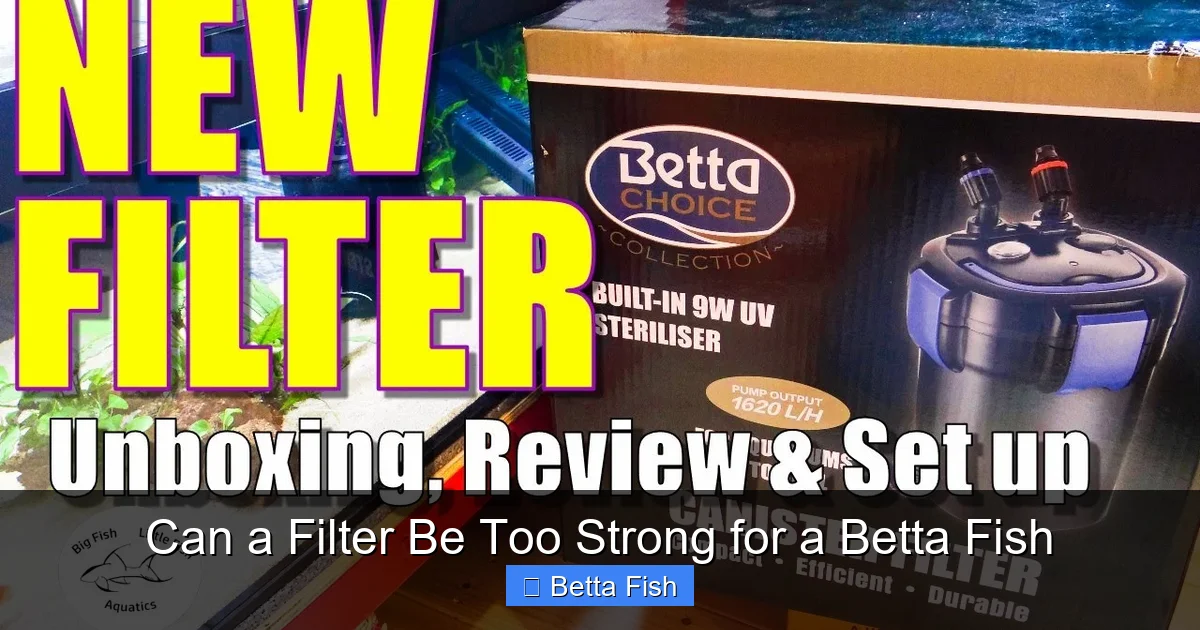
- Canister filters: Powerful, but can be set up with a long intake tube and a diffuser to calm the water.
3. Setting Up Your Tank to Reduce Current
Use décor as natural baffles
Live plants, driftwood, and smooth rocks break up water movement. A dense carpet of Java moss, for instance, creates a “quiet zone” where the betta can rest.
Visual guide about Can a Filter Be Too Strong for a Betta Fish
Image source: i.ytimg.com
Position the filter outlet wisely
Point the outlet toward a corner or the far side of the tank, away from the main swimming area. A diffuser or a piece of PVC pipe can spread the flow over a larger surface, turning a jet into a gentle swirl.
DIY flow‑reduction tricks
- Place a sponge pre‑filter on the outlet.
- Run the outlet through a piece of PVC pipe with holes drilled along its length.
- Use a piece of fine mesh or nylon stocking over the outflow.
Balancing filtration with water changes
Even with a gentle filter, regular partial water changes (20‑30% weekly) are essential. They remove excess nutrients and keep nitrate levels low, reducing the need for a high‑flow filter to “clean” the water.
4. Spotting the Signs: When Your Betta Is Stressed by Flow
Behavioral cues
- Rapid gill movement: Breathing looks like a fast flutter.
- Clinging to decorations: The betta hangs onto plants or the tank lid to avoid the current.
- Hiding constantly: A stressed betta will spend most of its time under the lid or in a cave.
- Faded colors: Stress can cause the vibrant hues to dull.
Physical health indicators
Look for fin rot, white spots, or a bloated abdomen. While these can have many causes, a constantly stressed betta is more prone to disease.
What to do if you notice stress
- Turn down the flow or add a diffuser.
- Increase hiding spots and plant coverage.
- Check water parameters (ammonia, nitrite, nitrate, pH) to rule out other issues.
- Observe for 24‑48 hours; if the betta improves, you’ve solved the problem.
5. Frequently Asked Questions About Betta Filtration
Can a betta live without a filter?
Yes, but you’ll need diligent water changes (at least 30% weekly) and a well‑cycled tank. For more details, see our guide on Can My Betta Fish Live Without A Filter.
Is a small sponge filter enough for a 5‑gallon betta tank?
Absolutely. A sponge filter provides gentle flow, excellent biological filtration, and is easy to clean.
How does water temperature affect flow perception?
Warmer water is less dense, so a given flow feels slightly stronger. Keep the temperature between 78‑82°F (25‑28°C) as recommended in What Temperature Should Water Be For A Betta Fish.
Can I use a canister filter for a betta?
Yes, but you must use a diffuser or a long intake tube to soften the current. Without these, the flow can be too strong.
Do live plants help reduce stress from a filter?
Live plants act as natural baffles and also improve water quality, making them a win‑win for betta health.
What size tank is best to avoid flow problems?
A 5‑gallon tank is the minimum for a single betta. Larger tanks (10‑15 gallons) give you more space to position the filter outlet away from the main swimming area. Learn more at How Big Should A Tank Be For A Betta Fish.
6. Practical Tips & Maintenance Routine
Weekly checklist
- Check flow rate: Hold your hand in the current; you should feel a gentle push.
- Inspect filter media: Rinse sponge or replace carbon as needed.
- Test water parameters: Ammonia < 0.25 ppm, nitrite 0, nitrate < 20 ppm.
- Trim plants and remove debris.
- Perform a 20‑30% water change.
Monthly deep clean
Disassemble the filter, soak media in aged water, and clean the tank walls. Re‑assemble with the same flow settings unless you notice stress signs.
Seasonal adjustments
During warmer months, bettas are more active and may tolerate a slightly higher flow. In cooler months, reduce the flow to keep the water gentle.
Conclusion: Balance Is the Secret
In short, yes, a filter can be too strong for a betta fish. The key is to match the flow to the betta’s natural preference for calm, slow‑moving water. Choose a low‑flow or adjustable filter, use décor and baffles to break up currents, and keep a close eye on your fish’s behavior. With a little attention, you’ll provide crystal‑clear water without the stress of an over‑powerful filter, and your betta will reward you with vivid colors and lively displays for years to come.
Frequently Asked Questions
Can a filter be too strong for a betta fish?
Yes. A filter that creates a strong current can stress a betta, leading to rapid breathing, hiding, and faded colors.
What is the ideal flow rate for a betta tank?
Aim for 2‑3 times the tank volume per hour. For a 5‑gallon tank, 10‑15 GPH is gentle enough.
How can I tell if my betta is stressed by the filter?
Watch for rapid gill movement, constant clinging to décor, excessive hiding, or a dull appearance.
Is a sponge filter a good choice for bettas?
Absolutely. Sponge filters provide gentle flow and excellent biological filtration, making them perfect for bettas.
Can I use a hang‑on‑back filter with a betta?
Yes, if you attach a diffuser, spray bar, or pre‑filter sponge to reduce the flow.
Do I need to change the water less often if I have a strong filter?
No. Even a perfect filter doesn’t replace regular water changes. Aim for 20‑30% weekly changes to keep nitrate low.

