Can a Betta Fish Live with a Ghost Shrimp
Betta fish can share a tank with ghost shrimp when the environment is right. Provide plenty of hiding spots, monitor temperament, and keep water parameters stable for both species to thrive together.
Key Takeaways
- Temperament matters: Most bettas tolerate ghost shrimp, but aggressive individuals may bite.
- Tank size is crucial: A 10‑gallon minimum gives both species space to avoid stress.
- Hiding places help: Live plants, driftwood, and caves protect shrimp from curious bettas.
- Water parameters must match: Aim for 76‑80 °F, pH 6.5‑7.5, and gentle filtration.
- Feeding is easy: Ghost shrimp clean leftovers while bettas eat pellets; supplement both with occasional treats.
- Monitoring is key: Watch the first few weeks closely for signs of bullying or stress.
- Compatibility with other tankmates: Ghost shrimp can coexist with many peaceful fish, expanding community options.
📑 Table of Contents
Introduction: A Curious Pair
If you’ve ever watched a betta flare its fins and wondered what would happen if a tiny ghost shrimp slipped into the same water, you’re not alone. Many hobbyists love the idea of a colorful, flamboyant betta swimming alongside the delicate, almost invisible ghost shrimp. The good news? It can work—if you set the stage correctly.
In this article we’ll walk through everything you need to know: the betta’s personality, the shrimp’s needs, tank requirements, feeding, and the red flags that tell you when to separate them. By the end, you’ll feel confident deciding whether to welcome a ghost shrimp into your betta’s home.
Understanding Betta Behavior
Why bettas are sometimes called “fighting fish”
Bettas (Betta splendens) are native to shallow rice paddies in Southeast Asia. In the wild they defend small territories against rivals. That instinct shows up in home aquariums as flaring, nipping, and occasional aggression toward other fish or even inanimate objects.
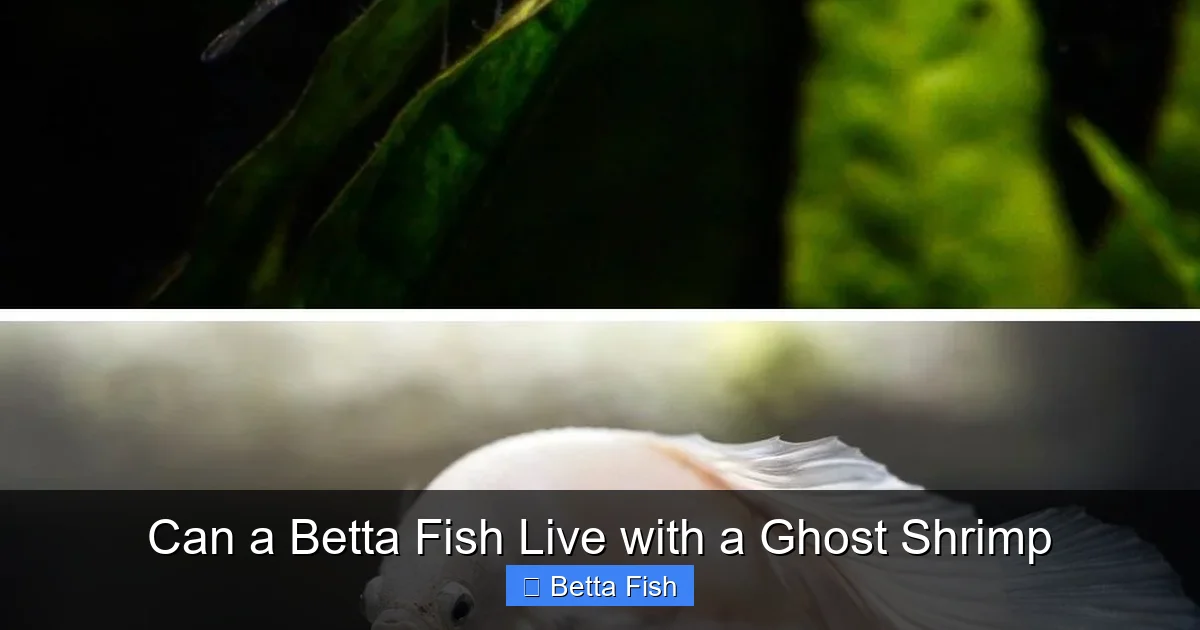
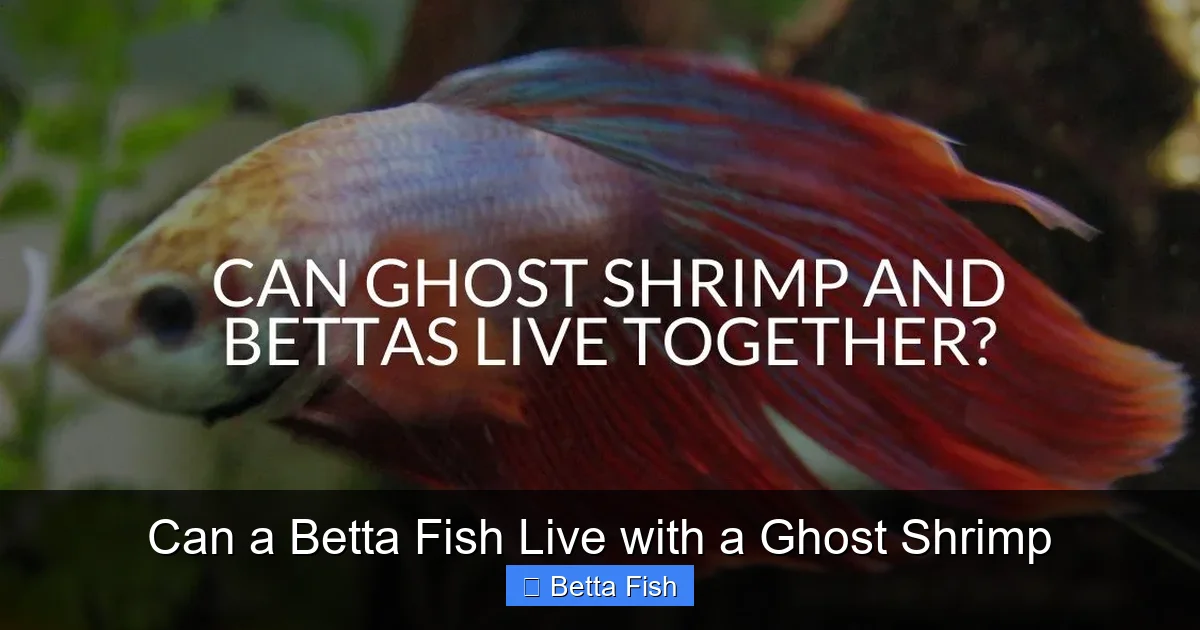
Visual guide about Can a Betta Fish Live with a Ghost Shrimp
Image source: theshrimpfarm.com
Male vs. female temperament
Male bettas are generally more territorial than females. A female may tolerate a shrimp more readily, but many hobbyists keep males because of their vivid colors. If you have a male, give extra hiding places and watch his reactions during the first week.
How to read betta body language
Signs of stress include faded colors, clamped fins, and constant hiding. Aggression shows up as rapid fin displays, gill flaring, and occasional nips at the shrimp. Knowing these cues helps you intervene before injuries occur.
Ghost Shrimp Basics
Who are the ghost shrimp?
Ghost shrimp (Palaemonetes sp.) are tiny, translucent crustaceans that love to scavenge. They’re popular because they’re inexpensive, hardy, and help keep tanks clean by eating leftover food and algae.
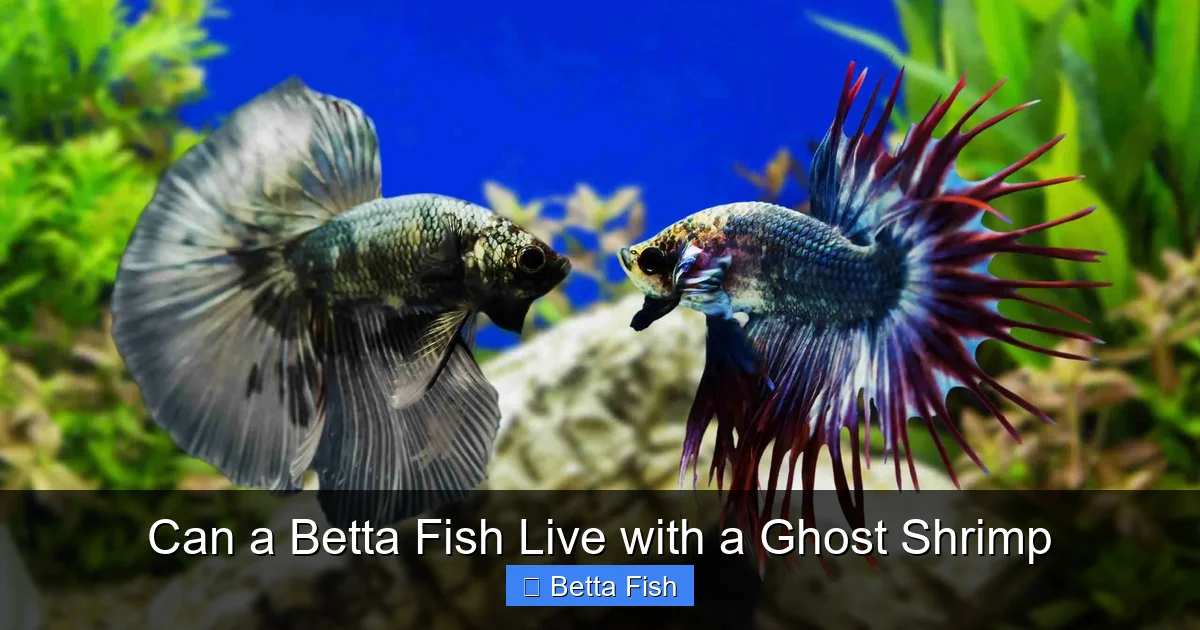
Visual guide about Can a Betta Fish Live with a Ghost Shrimp
Image source: fishkeepingwisdom.com
Water requirements that match bettas
Both species thrive in similar water conditions: temperature 76‑80 °F, pH 6.5‑7.5, and soft to moderately hard water. This overlap makes them natural tank mates, provided other factors are addressed.
Behavior and personality
Ghost shrimp are shy and nocturnal. They spend daylight hours tucked under plants or décor, emerging at night to forage. Their peaceful nature means they rarely challenge a betta, but they can become prey if the betta is overly curious.
Setting Up the Perfect Tank
Size matters: minimum tank volume
A 10‑gallon (38‑liter) tank is the sweet spot. Smaller bowls are tempting for bettas, but they leave no room for shrimp to hide and increase stress for both.
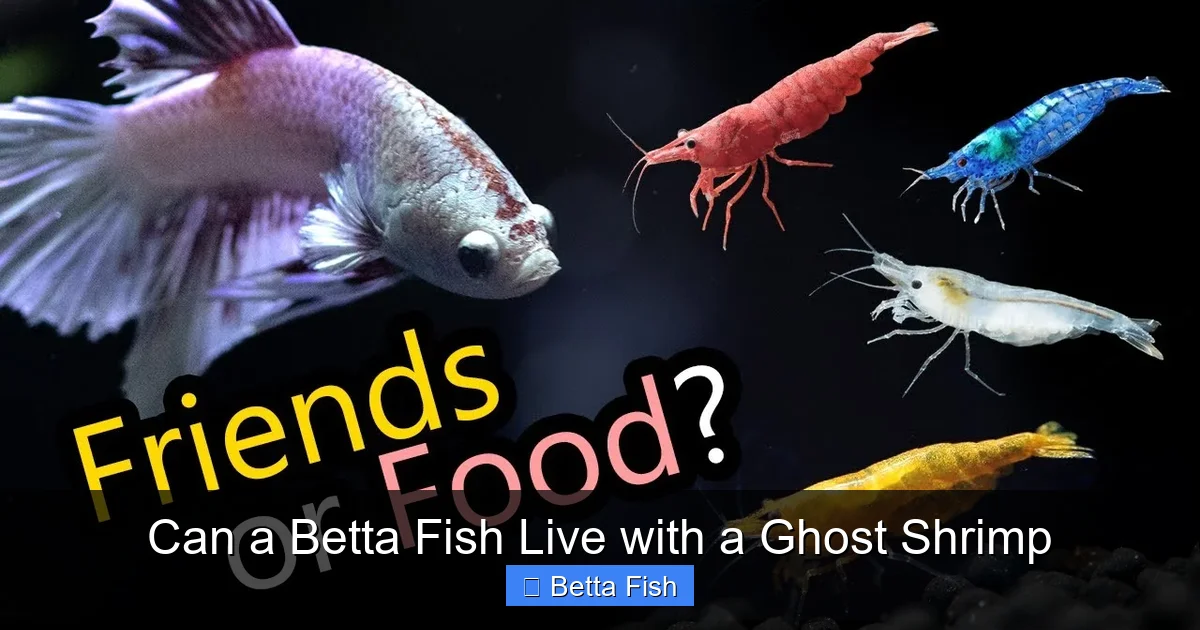
Visual guide about Can a Betta Fish Live with a Ghost Shrimp
Image source: i.ytimg.com
Filtration and flow
Use a gentle sponge filter or a low‑flow hang‑on‑back unit. Strong currents can stress shrimp and make it hard for a betta to swim comfortably.
Decor and hiding spots
- Live plants: Java moss, Anubias, and Amazon swords create dense cover.
- Driftwood and rocks: Provide crevices where shrimp can retreat.
- Artificial caves: Small PVC pipes or commercial shrimp hides work well.
These structures not only protect shrimp but also give the betta interesting territory to explore, reducing boredom‑induced aggression.
Lighting
Moderate lighting (8‑10 hours a day) mimics natural cycles. Too bright a light can stress both betta and shrimp, while dim lighting encourages shrimp to explore at night.
Feeding Both Species
What to feed a betta
Bettas are carnivores. High‑quality betta pellets, frozen or live brine shrimp, and occasional bloodworms meet their protein needs.
What to feed ghost shrimp
Ghost shrimp are omnivores. They’ll nibble on algae, uneaten fish food, and specialized shrimp pellets. Adding a few blanched veggies (zucchini, spinach) once a week gives them extra fiber.
Feeding schedule to avoid competition
Feed the betta in the morning with a small portion of pellets. After a few minutes, scatter a pinch of shrimp food near the plants. This timing lets the shrimp clean up leftover bits without feeling threatened.
Monitoring Compatibility
First‑week observation checklist
- Is the betta flaring at the shrimp?
- Does the shrimp find a place to hide quickly?
- Any signs of fin damage on either animal?
If you notice constant chasing or nipping, consider moving the shrimp to a separate refugium or adding more décor.
When to intervene
Even a generally peaceful betta can have a bad day. If aggression persists for more than 48‑72 hours, it’s safest to house them apart. A divided tank or a breeder box works as a temporary solution.
Long‑term harmony tips
- Maintain water quality with weekly 20‑30% water changes.
- Trim plants regularly to keep hiding spots fresh.
- Rotate décor occasionally to provide new territories.
Expanding the Community
Other peaceful tank mates
If you want a fuller community, consider adding small, non‑aggressive fish such as neon tetras, harlequin rasboras, or dwarf gouramis. Always respect the 1‑inch per gallon rule to avoid overcrowding.
Link to related content
For a deeper dive into compatible species, read our guide on what fish can live with a betta. It outlines safe options and explains why some fish, like guppies, may cause trouble.
Potential pitfalls
Avoid adding fast‑moving or fin‑nipping fish (e.g., tiger barbs). Their activity can stress both betta and shrimp, leading to health issues.
Conclusion: A Balanced Aquarium Is Possible
In short, a betta fish can live with a ghost shrimp when you provide a spacious, well‑planted tank, monitor behavior closely, and keep water conditions stable. The key is respecting the betta’s territorial nature while giving the shrimp ample hiding places. With a little patience, you’ll enjoy watching the bold colors of your betta contrast with the almost invisible dance of the ghost shrimp—a tiny ecosystem that proves harmony is within reach.
Frequently Asked Questions
Will a betta always attack a ghost shrimp?
Not always. Many bettas ignore shrimp, especially if the shrimp have good cover. However, some aggressive bettas may nip, so observation is essential.
How many ghost shrimp can I keep with one betta?
Start with one or two shrimp in a 10‑gallon tank. Adding more is fine if the tank remains well‑planted and the betta shows no aggression.
Do ghost shrimp help keep the tank clean?
Yes. They scavenge leftover food and algae, which can reduce waste buildup and improve water quality.
Can I use a heater for both betta and shrimp?
Absolutely. A reliable aquarium heater set to 78 °F (25.5 °C) meets the temperature needs of both species.
What should I do if the betta starts nipping the shrimp?
Immediately add more hiding places or separate the shrimp in a breeder box. If aggression continues, consider a different tank setup.
Are there any other invertebrates that work well with bettas?
Yes. Snails like nerite or mystery snails are also good companions. For more ideas, see our article on can you have a snail with betta fish.