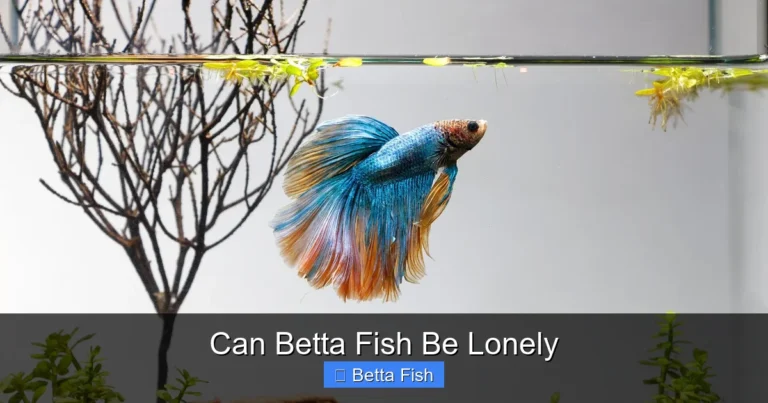
Can a Betta Fish Be with Any Other Fish
Betta fish are beautiful but territorial, so they don’t get along with just any tank mate. By choosing the right species, providing plenty of space, and monitoring behavior, you can create a harmonious community tank. Read on for proven strategies, compatible fish lists, and step‑by‑step setup advice.
Key Takeaways
- Temperament matters: Male bettas are especially aggressive, while females can be slightly more tolerant.
- Tank size is critical: A minimum of 20 gallons gives enough room for territories and hiding spots.
- Choose peaceful, non‑fin‑nipping species: Small tetras, rasboras, and certain catfish are good candidates.
- Never mix bettas with long‑fin or bright‑colored fish: They may be mistaken for rivals.
- Monitor and be ready to separate: Early signs of stress mean it’s time to re‑home one of the fish.
- Plants and décor reduce aggression: Live plants, caves, and driftwood create visual barriers.
- Water parameters must suit all: Keep temperature, pH, and hardness within the overlapping range of every species.
📑 Table of Contents
- Introduction: The Betta’s Reputation
- 1. Understanding Betta Behavior
- 2. Tank Requirements for a Community Betta
- 3. Which Fish Can Safely Share a Tank?
- 4. Step‑by‑Step: Introducing a Betta to a Community Tank
- 5. Troubleshooting Common Issues
- 6. Real‑World Examples: Successful Community Setups
- Conclusion: The Bottom Line
Introduction: The Betta’s Reputation
If you’ve ever watched a male betta flare its fins, you know the fish has a reputation for being a lone warrior. That image makes many hobbyists wonder, “Can a betta fish be with any other fish?” The short answer is no—bettas are not universally compatible with every species. But the longer answer is more nuanced. With the right tank size, careful selection of tank mates, and diligent observation, a betta can share a community aquarium.
In this guide we’ll break down the science behind betta aggression, explore which fish are safe companions, and give you a step‑by‑step plan to set up a peaceful tank. By the end, you’ll know exactly how to answer the question “Can a betta fish be with any other fish?” for your own setup.
1. Understanding Betta Behavior
1.1 Natural territory and breeding instincts
Betta splendens originate from shallow rice paddies and slow‑moving streams in Thailand. In the wild they defend small territories along the water’s edge. Males especially guard “bubble nests” where they lure females to breed. This territorial instinct carries over into the aquarium.
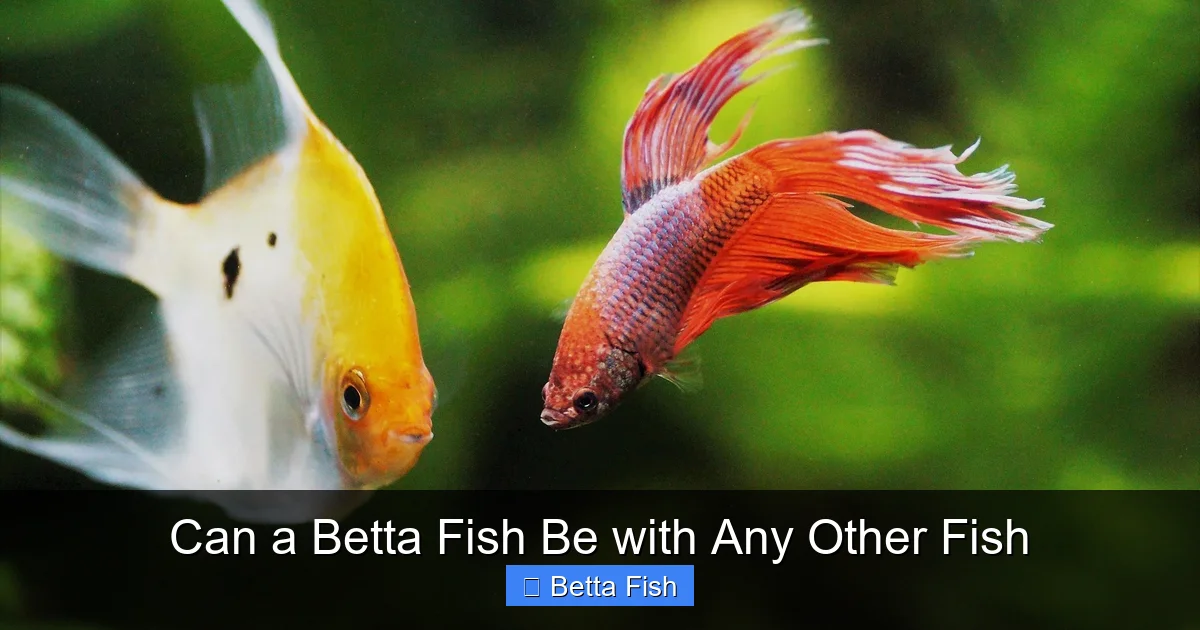
Visual guide about Can a Betta Fish Be with Any Other Fish
Image source: bettasource.com
1.2 Male vs. female aggression
Male bettas are the classic “fighters.” They flare, gill‑beat, and may bite if they feel threatened. Female bettas can also be aggressive, but they are generally less prone to fighting, especially when kept in a sorority (a group of several females). However, females still have fin‑nipping tendencies.
1.3 What triggers a fight?
- Bright, flowing fins that resemble another betta.
- Limited space that forces fish into each other’s line of sight.
- Incompatible water parameters that cause stress.
- Overcrowding, which removes hiding places.
Knowing these triggers helps you answer the core question: a betta cannot be with any other fish, but it can coexist with carefully chosen partners.
2. Tank Requirements for a Community Betta
2.1 Minimum tank size
Most experts agree that a single male betta needs at least a 5‑gallon tank if kept alone. When adding tank mates, bump the size up to 20 gallons or more. The extra volume dilutes aggression and provides distinct territories.
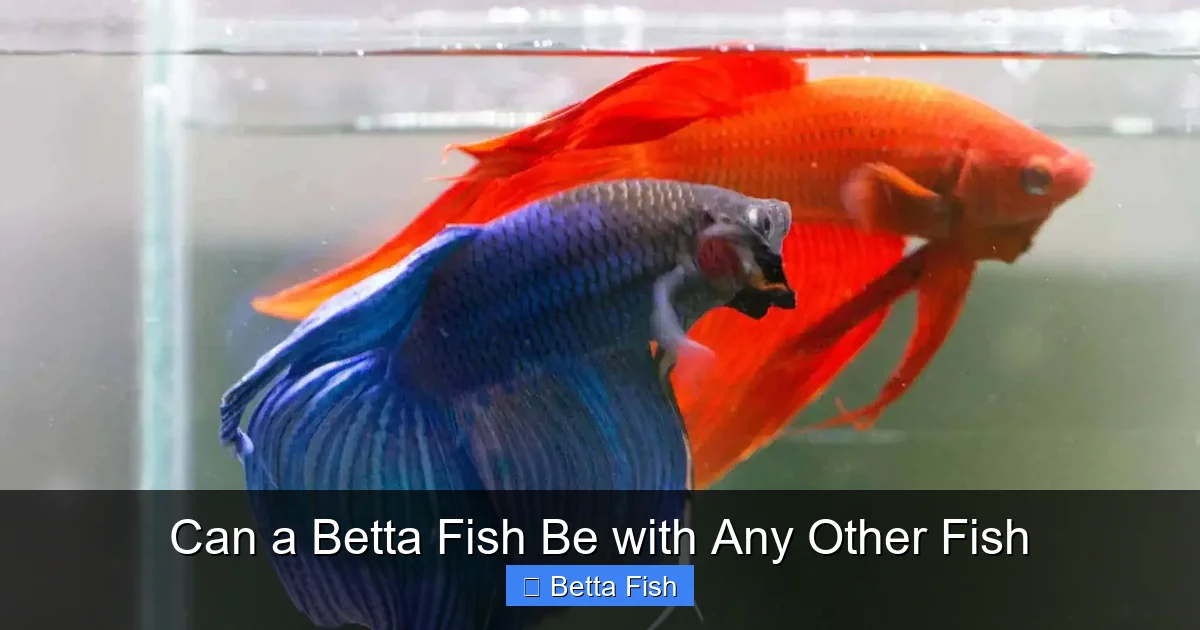
Visual guide about Can a Betta Fish Be with Any Other Fish
Image source: aquariadise.com
2.2 Filtration and water flow
Betta fish prefer calm water. Use a gentle sponge filter or a low‑flow hang‑on‑back filter. Strong currents can stress the betta and make it more irritable toward other fish.
2.3 Temperature and pH
Betta thrive at 76‑82 °F (24‑28 °C) with a pH of 6.5‑7.5. Choose tank mates that share this range, such as many tetras, rasboras, and dwarf catfish.
2.4 Décor and hiding spots
Live plants, silk plants, driftwood, and caves break the line of sight. This visual barrier is essential for reducing territorial displays. A well‑decorated tank also mimics the natural environment where bettas would have plenty of cover.
3. Which Fish Can Safely Share a Tank?
3.1 Small, fast‑moving schooling fish
Species that stay near the top or middle of the tank and keep moving are less likely to be seen as rivals. Good choices include:

Visual guide about Can a Betta Fish Be with Any Other Fish
Image source: bettacarefishguide.com
- Neon tetras (Paracheirodon innesi)
- Ember tetras (Hyphessobrycon amandae)
- Harlequin rasboras (Trigonostigma heteromorpha)
- Pygmy corydoras (Corydoras pygmaeus)
These fish are small enough not to intimidate the betta, and their bright colors are usually ignored because they lack the long, flowing fins that trigger aggression.
3.2 Bottom‑dwelling catfish
Peaceful catfish that spend most of their time on the substrate are excellent companions. They help clean leftover food and add variety to the tank:
- Otocinclus catfish – tiny algae eaters that are very gentle.
- Bronze or pepper corydoras – active, hardy, and non‑aggressive.
Because they stay low, they rarely cross paths with the betta’s vertical territory.
3.3 Snails and shrimp
Snails such as Nerite or Malaysian trumpet snails are safe. They do not provoke the betta and help control algae. Freshwater shrimp (e.g., Cherry shrimp) can also coexist, but keep an eye on the betta’s curiosity; some bettas will try to nip at shrimp.
3.4 What to avoid
Never place a betta with:
- Other bettas (especially males) – they will fight.
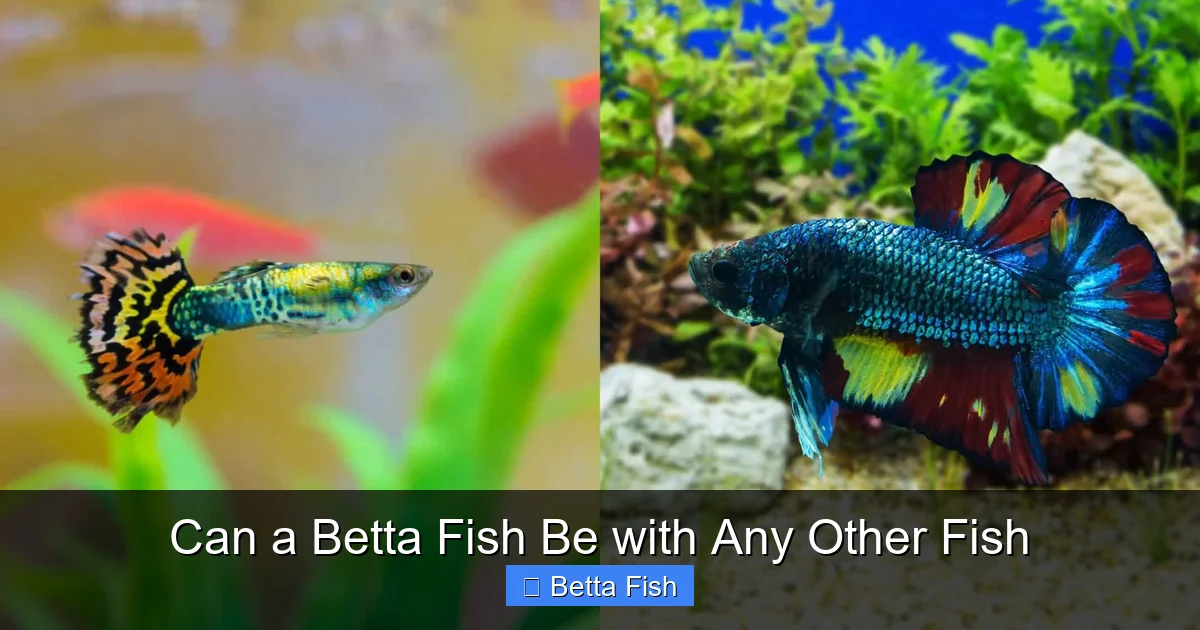
- Long‑fin or bright‑colored fish (e.g., guppies, swordtails) – mistaken for rivals.
- Fin‑nippers (e.g., tiger barbs, some loaches) – they will damage the betta’s delicate fins.
- Goldfish – they require colder water and produce a lot of waste.
For a deeper dive on compatible species, see our article What Other Fish Can You Put With A Betta.
4. Step‑by‑Step: Introducing a Betta to a Community Tank
4.1 Quarantine all new arrivals
Before any fish meets the betta, quarantine them for at least two weeks. This prevents disease spread and allows you to observe the new fish’s temperament.
4.2 Acclimation process
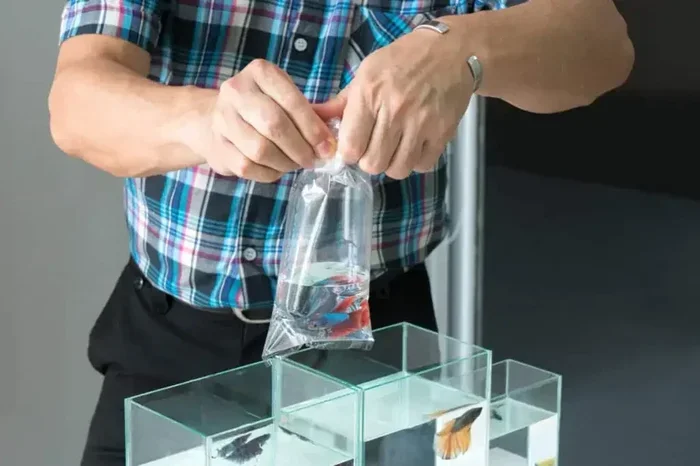
Use the drip method to slowly adjust temperature and water chemistry. Add a small amount of tank water to the transport bag every 10‑15 minutes for an hour.
4.3 Rear‑end introduction
Place the new fish in a separate “cave” section of the tank using a clear divider. Let the betta see the newcomer for 24‑48 hours. Look for signs of stress: rapid gill movement, frantic fin flaring, or hiding.
4.4 Full release
If both fish appear calm, gently release the newcomer into the tank during a feeding. Feeding distracts the betta and reduces territorial aggression.
4.5 Ongoing monitoring
Watch for the first 48‑72 hours. Early signs of aggression (chasing, nipping) mean you must intervene—either provide more hiding spots or move the offending fish to a separate tank.
5. Troubleshooting Common Issues
5.1 Betta becomes aggressive after a new fish arrives
Increase the number of plants or add floating plants to break the line of sight. You can also rearrange décor to create new territories.
5.2 New fish shows fin damage
Separate the fish immediately. Fin damage is a clear sign of incompatibility. Consider a larger tank or a different species.
5.3 Betta stops eating
Stress from unsuitable tank mates can cause loss of appetite. Offer high‑quality frozen or live foods like brine shrimp to entice it, and reassess the community composition.
5.4 Water quality deteriorates quickly
More fish produce more waste. Upgrade filtration, perform weekly 25‑30% water changes, and test ammonia, nitrite, and nitrate levels regularly.
6. Real‑World Examples: Successful Community Setups
Example 1: 20‑gallon tank with male betta, neon tetras, and otocinclus
Tank setup: 20 gal long tank, live plants (Java fern, Anubias), driftwood, and a small cave. The male betta was introduced after the tetras and otocinclus had been established for two weeks. No aggression observed after the first week.
Example 2: Female betta sorority with dwarf corydoras and snails
Four females were kept together in a 30‑gallon tank with plenty of plants and a sand substrate. Dwarf corydoras roamed the bottom, while Nerite snails cleaned algae. The sorority established a pecking order without serious injury.
Example 3: Betta with cherry shrimp and guppies (cautionary)
In a 10‑gallon tank, a male betta was placed with guppies and cherry shrimp. Within a day the betta began nipping at the guppies’ fins, and the shrimp were quickly eaten. The lesson: bright, flowing‑fin fish are not suitable companions.
These examples illustrate that while a betta cannot be with any other fish, thoughtful planning makes coexistence possible.
Conclusion: The Bottom Line
The short answer to “can a betta fish be with any other fish?” is a firm “no.” Betta fish have specific temperament and environmental needs that limit their compatibility. However, by providing a spacious, well‑filtered tank, choosing peaceful, non‑fin‑nipping mates, and monitoring interactions closely, you can create a thriving community aquarium that includes a betta.
Remember to start with a larger tank, use plenty of live plants or decorations for visual barriers, and always have a backup plan to rehome a fish if aggression spikes. With patience and the right companions, your betta can enjoy the company of other species without sacrificing its health or beauty.
Frequently Asked Questions
Can a male betta live with other fish?
Yes, a male betta can live with other fish if the tank is large enough (20 gallons or more) and the mates are peaceful, small, and do not have long, flowing fins.
What are the safest tank mates for a betta?
Peaceful schooling fish like neon tetras, rasboras, and bottom‑dwelling catfish such as otocinclus or corydoras are among the safest companions.
Why can’t bettas be kept with goldfish?
Goldfish need cooler water (65‑75 °F) and produce a lot of waste, which conflicts with the betta’s warm, clean water requirements.
Do bettas get along with snails?
Most snails, especially Nerite and Malaysian trumpet snails, are safe tank mates. They don’t provoke the betta and help control algae.
How do I know if my betta is stressed?
Signs of stress include constant fin flaring, loss of color, rapid gill movement, and refusing to eat.
Can I keep two bettas together?
Two male bettas should never be placed together. A female sorority can work in a spacious tank with plenty of hiding places, but careful monitoring is essential.