Walmart betta fish can be healthy, but buyers must know what to inspect and how to set up a proper home. By checking water quality, fish appearance, and store practices, you can enjoy a vibrant, thriving betta without surprise health issues.
Key Takeaways
- Inspect before you buy: Look for clear eyes, intact fins, and active swimming.
- Water matters most: Even a healthy‑looking betta will suffer in poor water.
- Store conditions vary: Walmart’s large‑scale supply can mean mixed quality.
- Quarantine is essential: A 2‑week isolation period catches hidden illnesses.
- Proper tank setup prevents stress: Use a minimum 5‑gallon tank, heater, and gentle filtration.
- Nutrition impacts health: High‑quality pellets and occasional frozen foods boost immunity.
- Know the signs of disease: Spotting early symptoms saves your betta’s life.
📑 Table of Contents
- Introduction: The Allure of Walmart Betta Fish
- 1. What Makes a Betta Fish Healthy?
- 2. Walmart’s Supply Chain: How It Affects Betta Health
- 3. What to Look for When Choosing a Betta at Walmart
- 4. Setting Up the Perfect Home for Your Walmart Betta
- 5. Quarantine: The Critical First Two Weeks
- 6. Common Health Issues and How to Spot Them
- Conclusion: Making an Informed Choice
Introduction: The Allure of Walmart Betta Fish
Betta fish, with their dazzling colors and flamboyant fins, are a magnet for first‑time aquarium owners. Walmart, with its nationwide presence and low prices, often becomes the go‑to spot for a new betta. But the real question many hobbyists ask is: are Walmart betta fish healthy? The answer isn’t a simple yes or no—it depends on what you look for, how you care for the fish once it’s home, and what practices the store follows.
In this guide we’ll walk through the factors that affect a betta’s health at the point of sale, the steps you can take to ensure a happy, thriving pet, and the warning signs that indicate a problem. By the end, you’ll feel confident buying a betta from Walmart—or any retailer—and giving it the best possible start.
1. What Makes a Betta Fish Healthy?
Physical Indicators
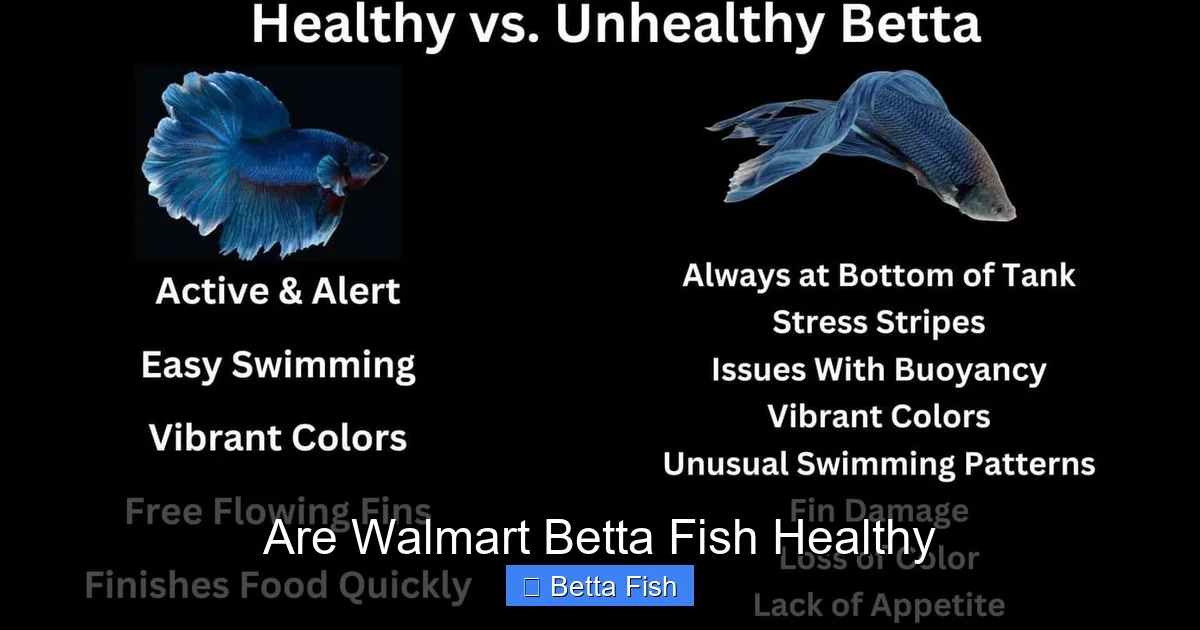
A healthy betta displays several clear signs:

Visual guide about Are Walmart Betta Fish Healthy
Image source: koibettafish.com
- Bright, even coloration without faded patches.
- Clear, bulge‑free eyes (learn more about eye health here).
- Intact, flowing fins with no ragged edges or missing pieces.
- Active swimming and occasional surface breathing.
- Steady appetite when offered high‑quality betta pellets.
Behavioral Clues
Betta fish are naturally curious and like to explore the water column. A stressed or sick betta may hide at the bottom, float upside down, or gasp at the surface constantly. Understanding normal betta behavior helps you spot deviations early.
2. Walmart’s Supply Chain: How It Affects Betta Health
Large‑Scale Breeding vs. Local Hatcheries
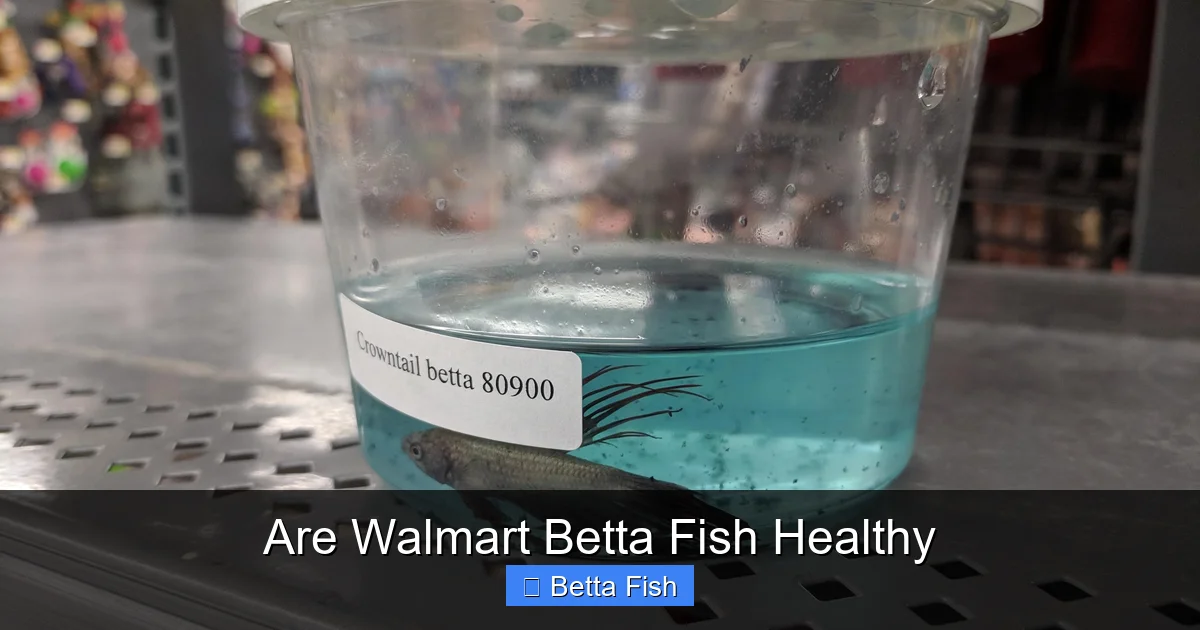
Walmart sources bettas from a mix of large commercial farms and smaller hatcheries. Large farms can produce fish in huge numbers, but the focus is often on quantity over quality. This can lead to:
Visual guide about Are Walmart Betta Fish Healthy
Image source: i.redd.it
- Higher stocking densities, increasing stress.
- Less individualized care during the early life stages.
- Potential exposure to common parasites like Ich or velvet.
Conversely, some regional suppliers maintain stricter standards, offering healthier stock. When you’re in the store, ask the employee where the bettas come from—knowledgeable staff will know the source.
Store Handling Practices
Walmart’s pet department typically uses small, static tanks or bowls. These containers often lack proper filtration and temperature control, which can cause:
- Rapid ammonia spikes.
- Fluctuating water temperature, especially in colder climates.
- Accumulation of waste that irritates skin and gills.
Because the fish are displayed for long periods, they may already be coping with sub‑optimal conditions before you even purchase them.
3. What to Look for When Choosing a Betta at Walmart
Visual Inspection Checklist
Spend a few minutes performing a quick health check:
Visual guide about Are Walmart Betta Fish Healthy
Image source: fishkeepingadvice.com
- Eyes: Should be clear, not cloudy or bulging.
- Fins: Look for frayed edges, missing rays, or discoloration.
- Body: Should be streamlined, not bloated or scaly.
- Swim bladder: The fish should hold a stable position in the water, not float upside down.
- Activity level: A healthy betta explores, darts, and occasionally rests near the top.
Ask the Right Questions
Store staff can be a valuable resource if you ask specific questions:
- “When were these bettas stocked?” – Younger fish often handle transport better.
- “Do you quarantine new arrivals?” – A good sign of responsible care.
- “What do you feed them here?” – Quality feed reduces the risk of nutritional deficiencies.
Choosing the Best Tank at the Store
If you must buy a betta in the store’s container, select the one with the cleanest water, proper temperature (around 78°F/26°C), and a gentle flow. Avoid tanks with swirling currents or visible debris.
4. Setting Up the Perfect Home for Your Walmart Betta
Tank Size and Shape
While many beginners start with a 2‑gallon bowl, experts recommend a minimum of 5 gallons for optimal health. A larger volume dilutes waste, stabilizes temperature, and provides more swimming space.
Heating and Filtration
Betta fish are tropical; they thrive at 76‑82°F (24‑28°C). Use a reliable submersible heater with an adjustable thermostat. Pair it with a gentle sponge filter—betta fins can be damaged by strong currents.
Substrate, Plants, and Hiding Spots
Live plants like Java fern or Anubias add natural filtration and reduce stress. If live plants aren’t an option, silk plants and smooth rocks work well. Provide a cave or PVC pipe for the betta to retreat to.
Water Quality Management
Perform a 25‑30% water change weekly. Test for ammonia, nitrite, and nitrate; keep ammonia and nitrite at 0 ppm, nitrate below 20 ppm. Use a water conditioner to remove chlorine and chloramines.
Feeding Routine
High‑quality betta pellets should be the staple, fed once or twice daily in amounts the fish can consume in 2‑3 minutes. Supplement with frozen or live foods (brine shrimp, daphnia) once a week to boost nutrition.
5. Quarantine: The Critical First Two Weeks
Why Quarantine Matters
Even if a betta looks perfect at purchase, hidden parasites or bacterial infections can surface later. A separate quarantine tank (2‑3 gallons) with the same temperature and filtration allows you to monitor the fish closely.
Quarantine Setup Tips
- Use a clean, disinfected tank with a heater set to 78°F.
- Include a small piece of smooth driftwood or a silk plant for hiding.
- Feed a light diet for the first few days to reduce waste.
- Observe daily for signs of disease: clamped fins, white spots, loss of appetite.
When to Treat
If you notice symptoms such as white spots (possible ich) or fin rot, begin treatment with a betta‑safe medication according to the label. Early intervention often prevents a full‑blown outbreak.
6. Common Health Issues and How to Spot Them
Fin Rot and Fungal Infections
Fin rot appears as ragged, frayed edges that may become black or white. Fungal growth looks like cotton‑like patches. Both thrive in poor water quality.
Ich (White Spot Disease)
Small, white, rice‑grain spots on the body and fins indicate ich. The fish may scratch against objects and breathe heavily.
Swim Bladder Disorders
Symptoms include floating upside down or sinking to the bottom. Overfeeding and constipation are common causes; fasting for 24‑48 hours can help.
Scale and Color Fading
Stress, inadequate diet, or low temperature can cause colors to dull. Ensure consistent heating and a varied diet to maintain vibrancy.
Conclusion: Making an Informed Choice
So, are Walmart betta fish healthy? The short answer: they can be, but only if you do your homework. By inspecting the fish carefully, asking the right questions, setting up a proper tank, and quarantining the new arrival, you give yourself the best chance of raising a robust, colorful betta.
Remember, the health of a betta starts long before it leaves the store. Your commitment to good water, balanced nutrition, and attentive care will reward you with a lively companion that brightens any room.
Frequently Asked Questions
Do Walmart betta fish come from reputable breeders?
Walmart sources bettas from a mix of large farms and smaller hatcheries. While some suppliers maintain high standards, others prioritize volume, so it’s important to inspect each fish individually.
Can I keep a Walmart betta in a small bowl?
Technically a betta can survive in a small bowl, but a 5‑gallon tank offers better water stability, temperature control, and space for natural behavior, leading to a healthier fish.
How long should I quarantine a new betta?
A minimum of two weeks in a separate, cycled tank is recommended. This period helps catch hidden parasites or bacterial infections before introducing the fish to its main home.
What are the most common signs of a sick betta?
Look for clamped fins, white or black spots, faded colors, rapid breathing, loss of appetite, or unusual swimming patterns such as floating upside down.
Is the water quality in Walmart’s display tanks safe?
Display tanks often lack proper filtration and temperature control, which can cause stress. Always test the water at home and perform a water change before adding the fish to your tank.
Can I feed my Walmart betta the same diet as other bettas?
Yes. High‑quality betta pellets are the staple. Adding occasional frozen or live foods like brine shrimp improves nutrition and boosts immunity.

