Rainbow betta fish are real, but they aren’t a separate species. They are selectively bred bettas that show a spectrum of bright colors, often shifting like a rainbow. This article explains how they’re created, what to look for, and how to keep them healthy.
Key Takeaways
- Rainbow bettas are bred, not wild: They result from careful selective breeding of colorful varieties.
- Color shifts are genetics and lighting: Both the fish’s genes and tank lighting affect the rainbow effect.
- Care is the same as other bettas: Water quality, temperature, and diet remain the top priorities.
- Price can vary: Expect a higher price tag because of the breeding work involved.
- Look for reputable sellers: Healthy rainbow bettas come from farms that focus on genetics and welfare.
- Live plants help display colors: Green foliage provides a natural backdrop that makes the rainbow shine.
- Regular health checks are essential: Watch for fin rot, scale loss, or other issues just like any betta.
📑 Table of Contents
Introduction: The Allure of a Living Rainbow
If you’ve ever seen a betta fish flash neon blues, fiery reds, or soft pastels, you know why these little fighters are so popular. But have you ever wondered whether a betta can truly display a full‑spectrum “rainbow” of colors? The short answer is yes—rainbow betta fish do exist, but they are not a separate species. They are the result of dedicated breeding programs that combine the most vibrant color genes into one spectacular fish.
In this guide we’ll walk through exactly what makes a rainbow betta, how breeders achieve those dazzling hues, and what you need to know to keep one thriving at home. Think of it as a friendly chat over a cup of coffee, with plenty of practical tips and real‑world examples.
What Is a Rainbow Betta?
Not a New Species, Just a Color Phenomenon
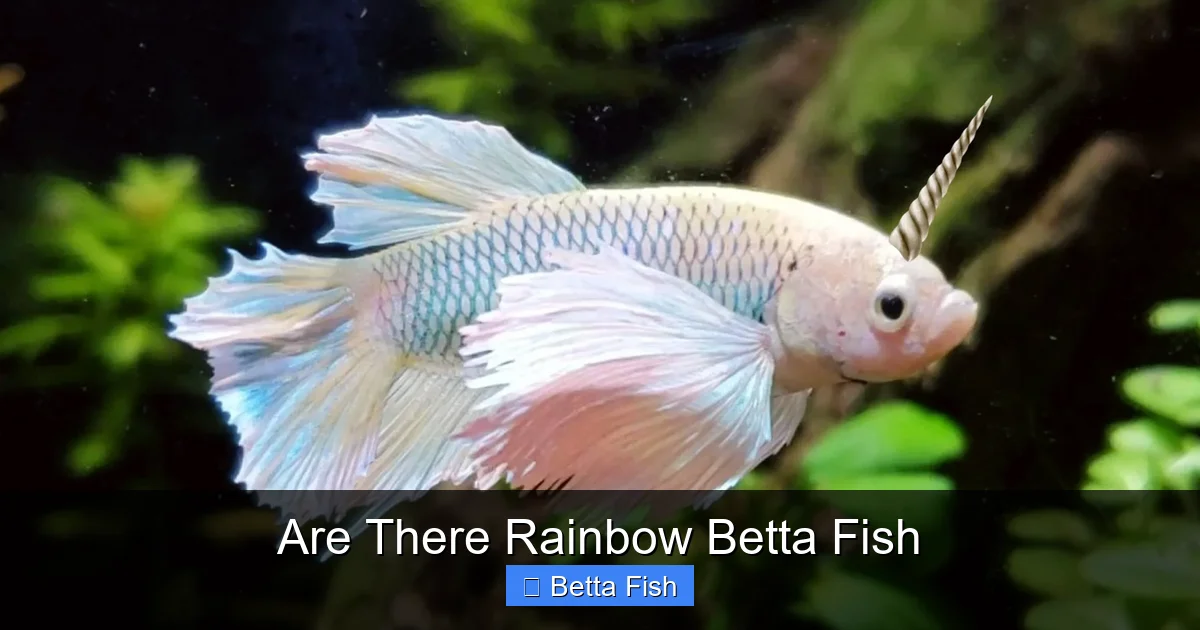
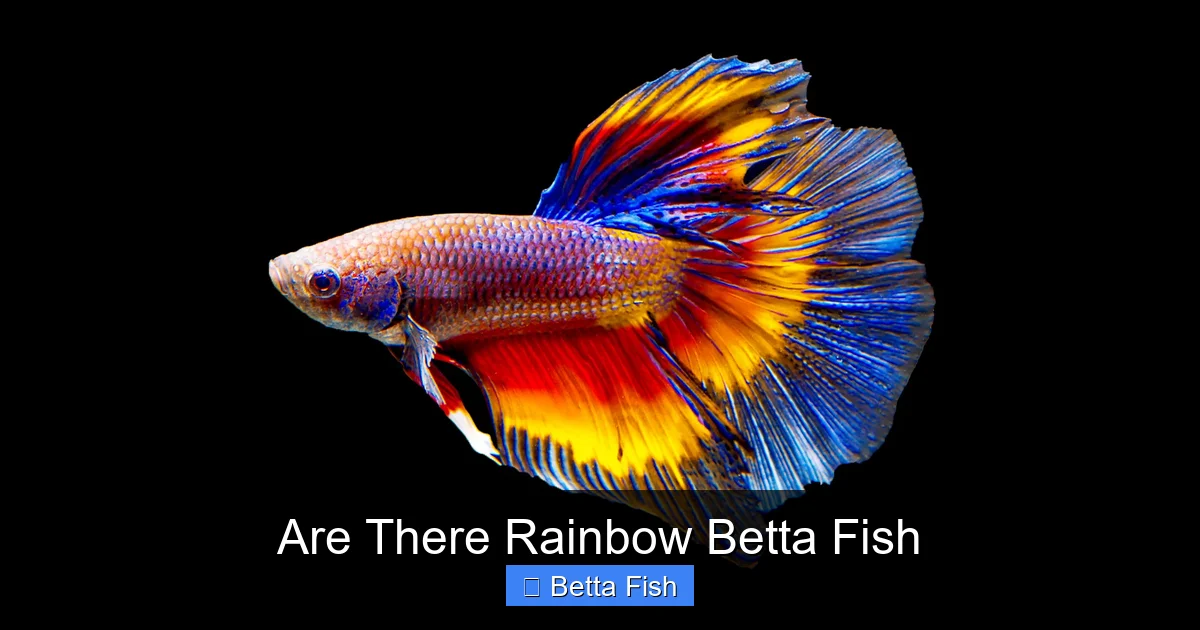
Rainbow bettas are simply Betta splendens that have been selectively bred for extreme color variety. The term “rainbow” refers to fish that show multiple vivid shades on a single body—often a gradient from one hue to another or patches that seem to change under different lighting.
Visual guide about Are There Rainbow Betta Fish
Image source: i.redd.it
How Breeders Create the Effect
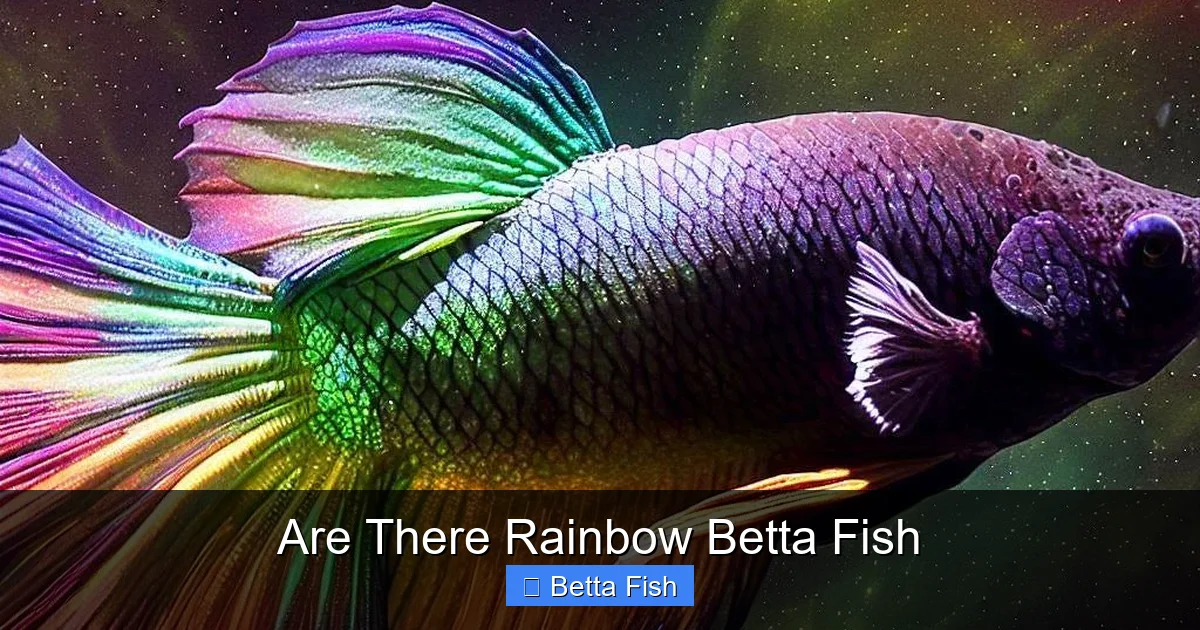
Breeders start with base colors such as solid blues, reds, or yellows. By crossing fish with complementary genes, they can produce offspring that carry multiple pigment cells (chromatophores). Over several generations, these fish may display a blend of reds, blues, greens, and even metallic sheens, giving the appearance of a living rainbow.
Identifying a True Rainbow Betta
Key Visual Cues
- Multiple distinct color zones: Look for clear separations of color, such as a blue front half and a red rear half.
- Iridescent sheen: Some rainbow bettas have a metallic or opalescent layer that shifts with the light.
- Consistent pattern: True rainbow bettas maintain their color pattern as they grow, unlike temporary stress‑induced color changes.
Lighting Matters
Under bright aquarium lighting, the rainbow effect is most pronounced. Dim lighting can make the colors appear muted, which sometimes leads new owners to think the fish has lost its vibrancy.
Visual guide about Are There Rainbow Betta Fish
Image source: cf.ltkcdn.net
Care Basics: Same Rules as Any Betta
Tank Setup
Even though rainbow bettas look exotic, they need the same environment as any other betta. A 5‑gal (or larger) tank with a gentle filter, a heater set to 78‑80°F, and a lid to prevent jumps is ideal. Adding live plants, such as Java fern or Anubias, not only creates a natural backdrop but also helps showcase their colors.
Visual guide about Are There Rainbow Betta Fish
Image source: miro.medium.com
Water Quality
Maintain a stable pH between 6.5 and 7.5, and perform 25‑30% water changes weekly. Poor water can cause stress, which often dulls a rainbow betta’s colors.
Feeding
High‑quality betta pellets, occasional frozen or live brine shrimp, and a small amount of bloodworms will keep your fish in top condition. A well‑fed betta shows brighter colors.
Health Checks
Watch for common betta issues: fin rot, white spots, or faded fins. Early detection is key—rainbow bettas are no different from other bettas in their health needs.
Why Are Rainbow Bettas Usually Pricier?
Selective Breeding Costs
Creating a stable rainbow line takes years of trial and error. Breeders must isolate the best color traits, avoid inbreeding problems, and maintain healthy stock. All of this adds to the final price.
Market Demand
Collectors love unique color patterns, and the rarity of a true rainbow betta drives up demand. Expect to pay anywhere from $30 to $150, depending on the intensity and stability of the colors.
Choosing a Healthy Rainbow Betta
Where to Buy
Look for reputable online stores or local specialty fish shops that provide health guarantees. Avoid pet store “mass‑produced” bettas, as they often lack the careful breeding needed for true rainbow patterns.
What to Inspect
- Active swimming: A healthy betta should be curious and explore the tank.
- Bright, even coloration: Faded patches may signal illness or poor genetics.
- Intact fins: No ragged edges or missing sections.
- Clear eyes: Avoid fish with bulging or cloudy eyes, which can indicate disease (Why Are My Betta Fish’s Eyes Bulging).
Common Myths About Rainbow Bettas
Myth: They Are a Different Species
False. Rainbow bettas are still Betta splendens. The rainbow term only describes their coloration.
Myth: They Need Special Food to Keep the Colors
While a varied diet enhances brightness, they do not require exotic foods. A balanced betta diet works fine.
Myth: They Are Harder to Keep Than Regular Bettas
Care requirements are identical. The biggest challenge is choosing a healthy specimen from a reputable source.
Conclusion: Bring a Living Spectrum Home
Rainbow betta fish are a stunning example of what careful breeding can achieve. They are not a separate species, but a beautifully colored variant of the classic betta. By providing proper tank conditions, stable water parameters, and a nutritious diet, you can enjoy a fish that looks like a moving rainbow for many years. Whether you’re a seasoned hobbyist or a beginner looking for a splash of color, a rainbow betta can be a rewarding addition to your aquarium.
Frequently Asked Questions
Do rainbow betta fish occur in the wild?
No. Rainbow bettas are the result of selective breeding and do not exist naturally in the wild.
Can I breed my own rainbow betta?
Yes, but it requires careful selection of parent fish with complementary color genes and several generations to stabilize the pattern.
Are rainbow bettas more aggressive than other bettas?
Their aggression level is the same as any other betta; temperament is linked to gender and individual personality, not color.
Do rainbow bettas need special lighting?
Bright, full‑spectrum lighting helps showcase their colors, but standard aquarium LED lights are sufficient.
How often should I change the water for a rainbow betta?
Replace 25‑30% of the water weekly to keep parameters stable and colors vivid.
Can I keep other fish with a rainbow betta?
Yes, peaceful, non‑fin‑nipping species like small rasboras or shrimp can coexist if the tank is large enough and hiding spots are provided.

