Are There Black Betta Fish

Yes, black betta fish do exist, but true solid‑black specimens are rare and often result from selective breeding or genetic quirks. This guide explains their origins, how to differentiate them from dark‑colored bettas, and offers practical care tips for keeping these striking fish healthy.
Key Takeaways
- True black bettas are rare: Most “black” bettas are actually very dark variants of other colors.
- Genetics matter: The melanin gene, selective breeding, and hybrid lines create black or near‑black coloration.
- Health signs: A healthy black betta has bright eyes, intact fins, and no black spots that indicate disease.
- Tank setup is unchanged: Black bettas need the same environment as any other betta – warm water, low flow, and places to hide.
- Pricing varies: Genuine solid‑black bettas can be more expensive due to rarity and breeding effort.
- Watch for scams: Some sellers label dark blue or marbled fish as “black” to boost sales.
- Compatibility stays the same: Black bettas are not more aggressive; they share the same social needs as other bettas.
📑 Table of Contents
- Introduction: The Allure of a Midnight Betta
- 1. Understanding Betta Color Genetics
- 2. Recognizing True Black Betta Fish
- 3. Where to Find Black Betta Fish
- 4. Caring for a Black Betta
- 5. Black Betta Myths and Misconceptions
- 6. Frequently Overlooked Tips for Success
- Conclusion: Embrace the Midnight Beauty
Introduction: The Allure of a Midnight Betta
If you’ve ever walked past a pet store and spotted a betta fish that looks like a tiny piece of polished onyx, you’ve probably wondered, are there black betta fish? The answer is both yes and no. While true solid‑black bettas do exist, they are a rarity in the hobby. Most of the “black” bettas you see are really very dark versions of other color patterns, or they have a mix of black with other hues.
In this article we’ll dive into the science behind black coloration, explore how breeders create these dark beauties, and give you practical tips for caring for them. By the end, you’ll know exactly what to look for when you’re hunting for a black betta and how to keep it thriving.
1. Understanding Betta Color Genetics
The Role of Melanin
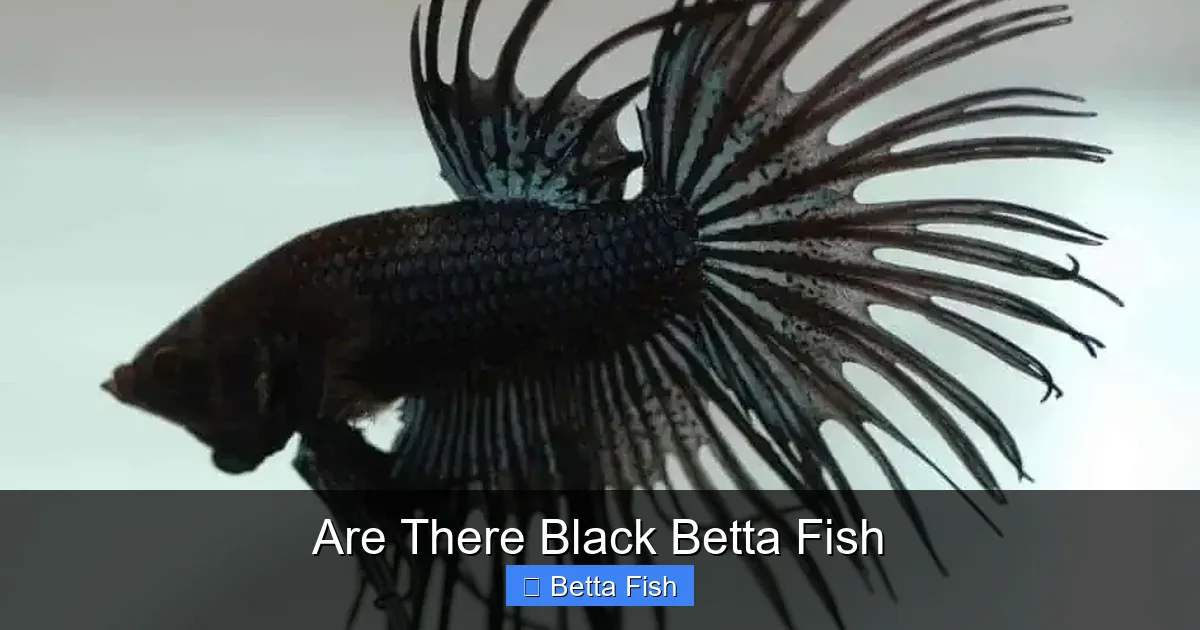
Melanin is the pigment that gives many animals their dark colors. In bettas, a strong melanin gene can produce deep blues, purples, and, in rare cases, solid black. The gene is recessive, meaning both parents must carry it for the offspring to show a true black hue.
Visual guide about Are There Black Betta Fish
Image source: bettasource.com
Selective Breeding vs. Natural Variation
Most black bettas you encounter are the result of careful selective breeding. Hobbyists pair fish that show darker-than‑average fins and bodies, hoping the next generation will inherit more melanin. Over several generations, a line can become almost entirely black.
Hybrid Lines and “Black” Labels
Some breeders cross bettas with other species, such as the Betta imbellis, to intensify darkness. These hybrids may carry a “black” label but often retain subtle hints of their parent’s color. Always ask the seller about the fish’s lineage.
2. Recognizing True Black Betta Fish
What a Genuine Black Betta Looks Like
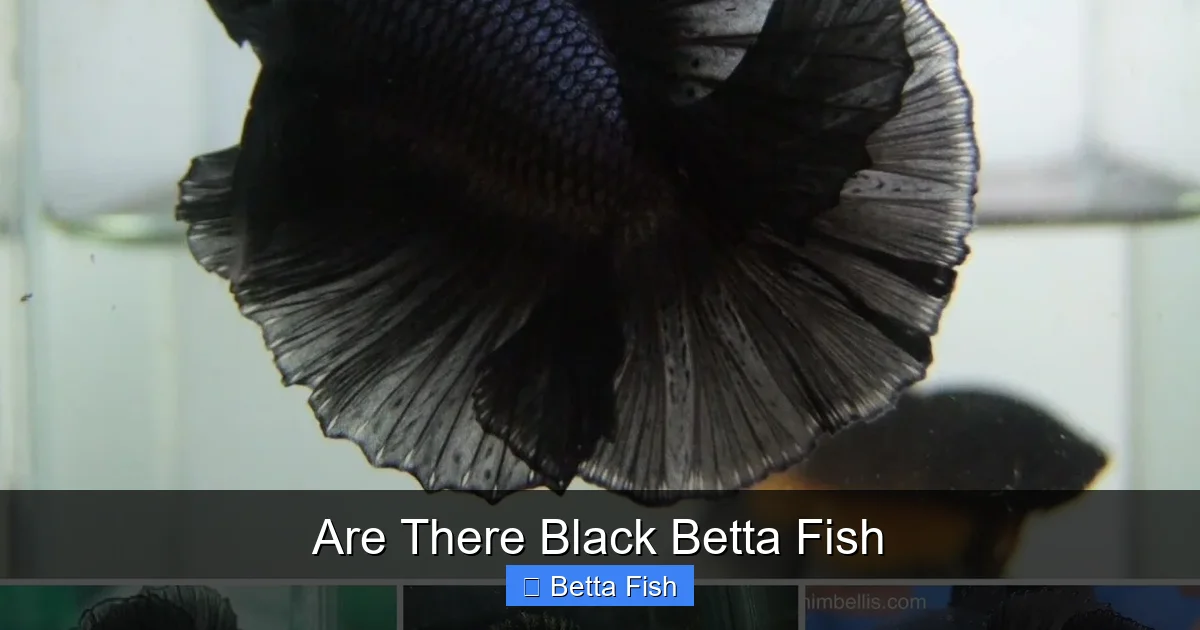
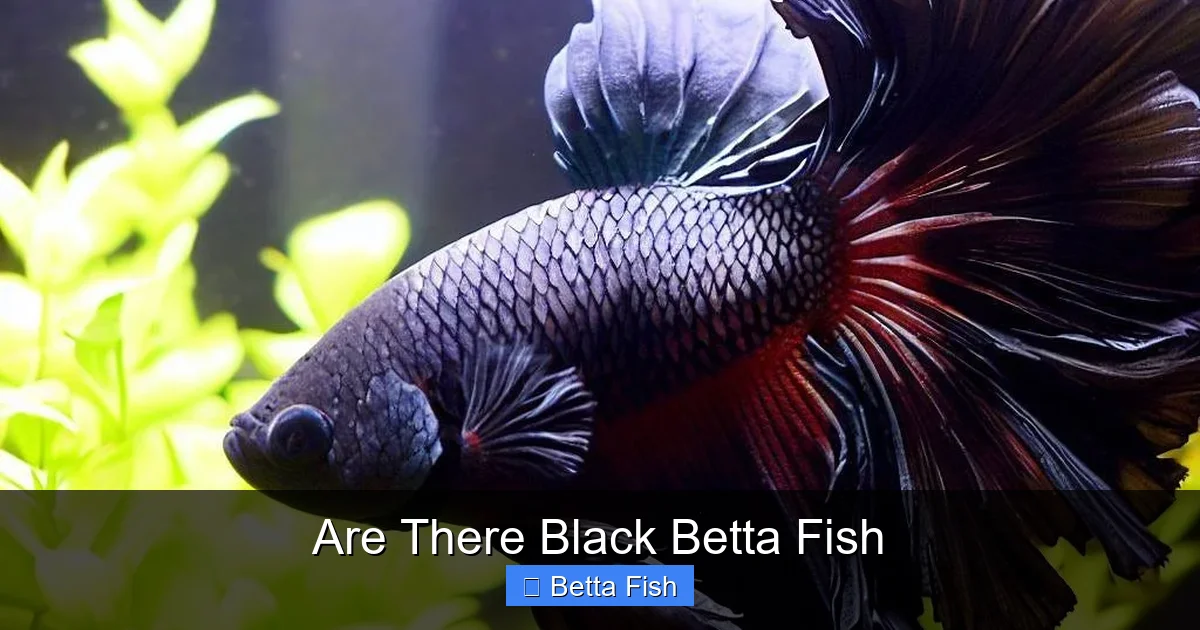
A true black betta has a uniformly dark body, fins, and tail with a matte or slightly iridescent sheen. The eyes are bright and clear, not darkened, and the scales reflect a soft sheen rather than a glossy blue or purple.
Visual guide about Are There Black Betta Fish
Image source: siamimbellis.com
Common Mistakes: Dark Blues and Marbles
Many dark blue bettas appear almost black under certain lighting. Marbled bettas can have black patches that give the illusion of a solid color but will show lighter spots upon close inspection.
Spotting Health Issues That Mimic Blackness
Sometimes a betta’s scales turn black due to disease or stress. If you notice sudden darkening, check for signs like frayed fins, clamped gills, or lethargy. Read more about why betta fish scales turn black to differentiate health problems from true coloration.
3. Where to Find Black Betta Fish
Reputable Breeders and Specialty Stores
Look for breeders who specialize in color varieties and can provide a health guarantee. Specialty betta shows often feature black lines, and you may be able to order a fish directly from the breeder.
Visual guide about Are There Black Betta Fish
Image source: miro.medium.com
Online Marketplaces: What to Watch For
Online listings can be tempting, but photos may be misleading. Request clear, close‑up images and ask about the fish’s breeding history. Beware of sellers who label any dark fish as “black” to increase price.
Price Expectations
Because true black bettas are rare, they can cost anywhere from $20 to $80, depending on lineage and quality. Expect to pay more for a solid‑black fish with good finnage and a clean health record.
4. Caring for a Black Betta
Tank Setup: No Special Requirements
Black bettas need the same environment as any other betta: a minimum of 5 gallons, water temperature between 76‑82°F (24‑28°C), and a gentle filter or sponge. Provide plants or decorations for hiding spots.
Lighting Considerations
While black bettas look striking under bright lights, they also appreciate periods of dimmer light to reduce stress. A 12‑hour light cycle works well.
Feeding and Nutrition
Offer high‑quality betta pellets, frozen or live brine shrimp, and occasional bloodworms. A varied diet enhances color intensity, even for dark fish.
Health Monitoring
Watch for signs of disease such as fin rot, fungal spots, or blackening of scales. If you notice any of these, act quickly—see our guide on why betta fish fins fall off for treatment steps.
5. Black Betta Myths and Misconceptions
Myth: Black Betas Are More Aggressive
Color does not dictate temperament. Black bettas have the same aggression levels as their brightly colored cousins. Males should still be housed alone or with compatible tank mates.
Myth: Black Betas Need Different Water Parameters
The water chemistry for a black betta is identical to any other betta. Keep pH between 6.5‑7.5 and maintain stable ammonia, nitrite, and nitrate levels.
Myth: Black Betas Are a Different Species
All bettas, regardless of color, belong to Betta splendens. The black coloration is simply a variation within the species, not a separate type.
6. Frequently Overlooked Tips for Success
Acclimation Is Key
When bringing a new black betta home, float the bag in the tank for 20‑30 minutes to equalize temperature, then slowly add tank water to the bag before releasing.
Regular Water Changes
Even though bettas can tolerate less‑frequent changes, a 25‑30% weekly water change keeps colors vibrant and prevents disease.
Enrichment and Exercise
Provide floating toys or a gentle current for your betta to swim against. This keeps muscles strong and can enhance fin development.
Observe Behavioral Patterns
Betta fish are crepuscular, meaning they are most active during dawn and dusk. You’ll often see your black betta flaring its fins in the early morning or evening.
Conclusion: Embrace the Midnight Beauty
So, are there black betta fish? Absolutely—though true solid black specimens are a prized rarity. Understanding the genetics, recognizing genuine coloration, and providing proper care will ensure your dark‑hued betta thrives and becomes a stunning centerpiece in your aquarium.
Whether you’re a seasoned hobbyist or a newcomer drawn to the mysterious allure of a midnight‑colored fish, the journey to owning a black betta is rewarding. Keep an eye out for reputable breeders, maintain a stable tank environment, and enjoy the sleek elegance of one of the aquarium world’s most captivating color variations.
Frequently Asked Questions
Are black betta fish a natural color or a result of breeding?
They can occur naturally through a recessive melanin gene, but most solid‑black bettas are the product of selective breeding to enhance darkness.
How can I tell if a “black” betta is actually healthy?
Check for bright eyes, intact fins, and active behavior. Sudden darkening of scales could indicate disease, so monitor for other signs like loss of appetite or clamped gills.
Do black bettas need different tank conditions than other bettas?
No. They thrive in the same water temperature, pH, and tank size as any other betta. Consistent conditions are more important than color.
What is the typical price range for a true black betta?
Because they are rare, true black bettas usually cost between $20 and $80, depending on lineage, fin quality, and the breeder’s reputation.
Can I keep a black betta with other fish?
Male bettas, regardless of color, should be housed alone or with very peaceful tank mates. Female bettas can sometimes be kept in groups if the tank is large enough.
Is the black color permanent, or can it fade over time?
The black pigment is generally stable, but poor nutrition, stress, or illness can cause fading or the appearance of lighter patches.