Are Single or Double Sided Magnet Better for Magnet Fishing
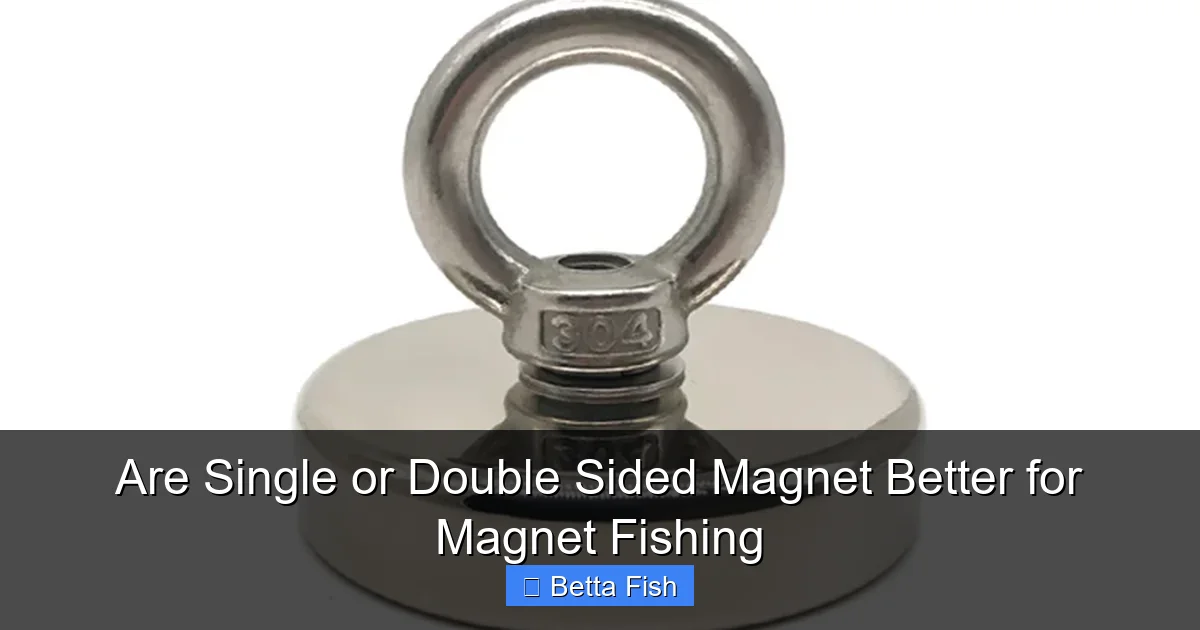
Choosing the right magnet can make or break your magnet‑fishing adventure. Single‑sided magnets are simple and affordable, while double‑sided magnets offer more pulling power but cost more. This guide breaks down the differences, helping you decide which is best for your style and budget.
Key Takeaways
- Magnet type matters: Single‑sided magnets are lighter and cheaper, ideal for beginners.
- Double‑sided magnets pull harder: They attract metal from both faces, increasing catch rates in deep water.
- Weight vs. strength: Heavier double‑sided magnets can tire you out faster; balance is key.
- Target depth: Double‑sided magnets excel in deep, fast‑moving currents, while single‑sided work well in shallow, calm spots.
- Cost considerations: Double‑sided magnets cost roughly 2‑3 times more than comparable single‑sided models.
- Safety first: Both types need proper handling; always wear gloves and keep a safe distance from metal debris.
- Test before you buy: Use a small magnet to gauge the metal density of your favorite spot before investing.
📑 Table of Contents
Introduction: Magnet Fishing Basics
If you’ve ever watched a YouTube video of someone pulling up an old bike frame or a rusted cannon from a riverbed, you know the thrill of magnet fishing. It’s a hobby that blends treasure hunting, outdoor adventure, and a dash of physics. The core of the sport is simple: attach a strong magnet to a rope, toss it into the water, and pull it back to see what you’ve snagged.
But not all magnets are created equal. The most common question beginners face is: are single or double sided magnet better for magnet fishing? The answer isn’t a one‑size‑fits‑all; it depends on where you fish, what you hope to catch, and how much you’re willing to spend. In this article we’ll dive deep (pun intended) into the pros and cons of each type, compare real‑world performance, and give you practical tips to pick the perfect magnet for your next outing.
Understanding Magnet Anatomy
What Makes a Magnet Strong?
Magnet strength is measured in pull force, usually expressed in pounds (lb) or kilograms (kg). Two key factors determine this force:
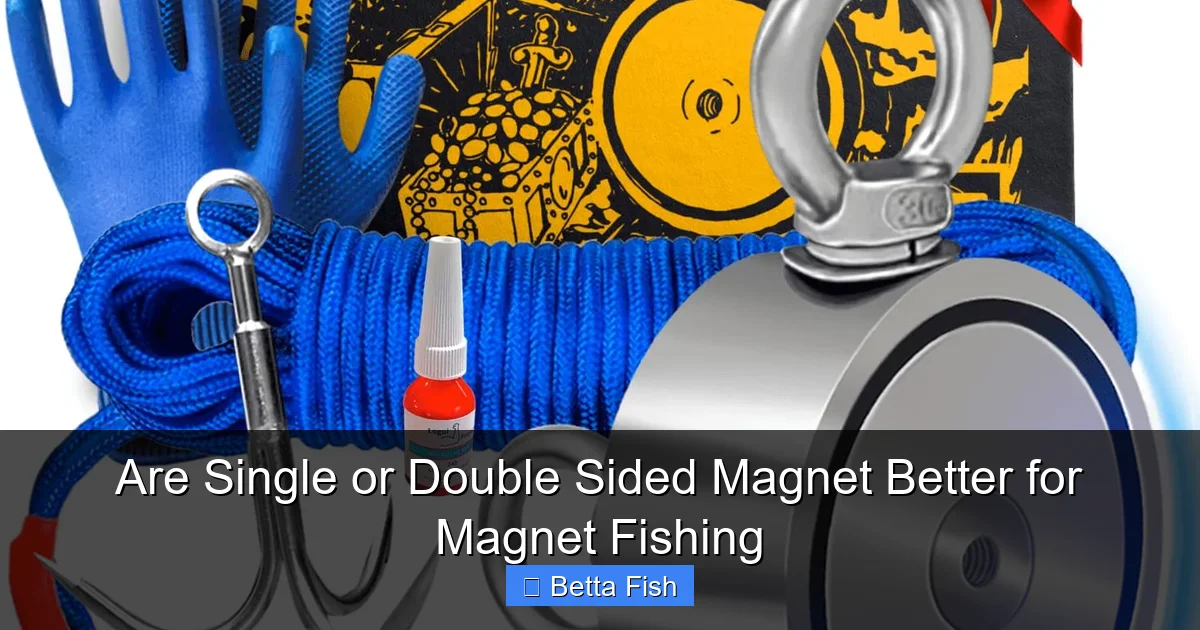
Visual guide about Are Single or Double Sided Magnet Better for Magnet Fishing
Image source: m.media-amazon.com
- Material: Neodymium (NdFeB) is the strongest commercially available material, often labeled as N35, N42, N52, etc. The higher the number, the stronger the magnet.
- Volume and shape: Larger magnets have more magnetic material, which translates to greater pull. Shapes like discs, cylinders, and rings each have unique field patterns.
Single‑Sided vs. Double‑Sided Design
A single‑sided magnet has its magnetic field concentrated on one face. The back side is usually a protective coating or a non‑magnetic metal. A double‑sided magnet, as the name implies, has magnetic poles on both faces, effectively doubling the active area.
Because the field is present on both sides, double‑sided magnets can attract metal objects that are slightly offset from the rope’s line of pull, increasing the chance of a snag. However, this also means the magnet is heavier and often more expensive.
Performance Comparison: Single vs. Double
Pull Power in Real Conditions
Laboratory tests show that a double‑sided N52 magnet can deliver up to 30‑40 % more pull force than a single‑sided magnet of the same size. In the field, the difference can be even more noticeable because the second face can latch onto a piece of metal that the first face missed.
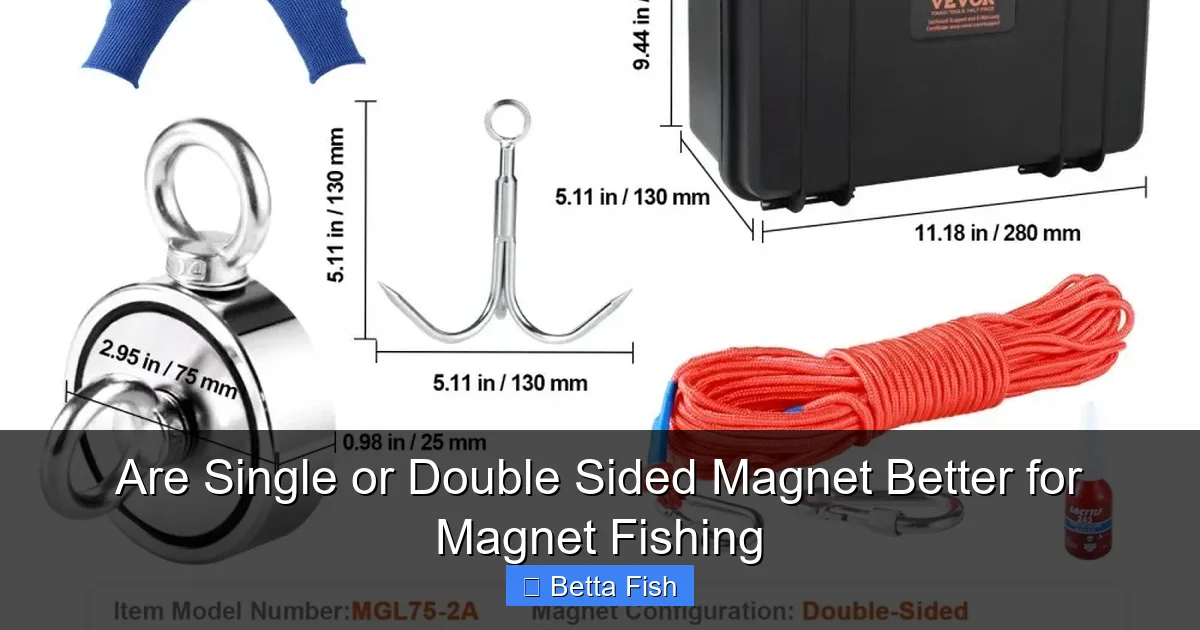
Visual guide about Are Single or Double Sided Magnet Better for Magnet Fishing
Image source: img.vevorstatic.com
For example, a 12 lb single‑sided magnet might pull a 10 lb object from a shallow river, while a comparable double‑sided magnet could succeed at depths of 6‑8 feet and pull objects up to 15 lb.
Depth and Water Conditions
Depth matters a lot. In shallow, calm water (under 4 ft), a single‑sided magnet often performs just fine. The water’s resistance is low, and the magnet can be lowered quickly.
In deeper or faster‑moving currents, the double‑sided design shines. The extra magnetic surface helps “grab” metal that’s being pushed away by the water flow. If you’re fishing a river with a strong current, you’ll likely see a higher catch rate with a double‑sided magnet.
Weight and Maneuverability
Weight is a practical concern. A 12 lb single‑sided magnet typically weighs around 1.5 lb, whereas a double‑sided version of the same pull rating may weigh 2‑2.5 lb. Over a long day, that extra weight adds up, especially if you’re casting from a kayak or a small boat.
For those who prefer a light‑touch approach, the single‑sided magnet offers better ergonomics. For power‑hunters who don’t mind a heavier rig, the double‑sided option provides more bang for the buck.
Cost vs. Value
Initial Investment
Single‑sided magnets are generally 30‑50 % cheaper than double‑sided magnets of equivalent pull strength. A 12 lb single‑sided magnet might cost $80‑$120, while a double‑sided counterpart could be $150‑$200.

Visual guide about Are Single or Double Sided Magnet Better for Magnet Fishing
Image source: productpeek.com
If you’re just starting out, the lower entry price lets you test the hobby without breaking the bank. You can always upgrade later once you know your preferred fishing spots.
Long‑Term Return on Investment
Think of magnet fishing as a small investment in a hobby that can yield both fun and occasional valuable finds (coins, jewelry, even old tools). A double‑sided magnet’s higher catch rate can translate into more “wins” per hour, potentially offsetting the higher upfront cost.
Additionally, double‑sided magnets tend to have a longer lifespan because the magnetic load is spread across two faces, reducing wear on any single surface.
Practical Tips for Choosing the Right Magnet
Assess Your Fishing Environment
Before buying, ask yourself:
- What is the typical depth of the water?
- How strong is the current?
- Do you fish from shore, a dock, a kayak, or a boat?
If you often fish shallow ponds or calm lakes, a single‑sided magnet is likely sufficient. If you target river bends, deep canals, or harbor bottoms, a double‑sided magnet will give you an edge.
Start Small, Test, Then Scale Up
Many seasoned anglers recommend starting with a modest 8‑10 lb magnet to gauge the metal density of your favorite spot. If you find a lot of ferrous debris, upgrade to a stronger double‑sided model. This approach saves money and prevents you from over‑investing in a magnet that won’t be fully utilized.
Safety First
Both magnet types can be dangerous if mishandled. Always wear thick gloves, keep a safe distance from the magnet when it’s attached to metal objects, and store magnets away from electronic devices and credit cards.
Maintenance and Care
After each outing, rinse the magnet with fresh water to remove mud and rust. Dry it thoroughly to prevent corrosion, especially if it’s coated with a protective layer that can be compromised by moisture.
Pairing With the Right Gear
Your rope, swivel, and line all affect performance. A sturdy, low‑stretch rope (like braided polyester) ensures you don’t lose pull force due to elasticity. For those who wonder which is better braided or mono fishing line, braided line is generally preferred for magnet fishing because it’s stronger, thinner, and handles the sudden jerks when a heavy object is snagged.
Real‑World Scenarios: Which Magnet Wins?
Scenario 1: Urban Lake Shoreline
Imagine you’re standing on a concrete pier, casting into a lake that’s only 3 ft deep. The water is still, and you’re after lost fishing lures and small metal scraps. A single‑sided 10 lb magnet, attached to a 30‑ft rope, will retrieve most items quickly. The lighter weight lets you cast farther and reduces fatigue.
Scenario 2: River Bend with Strong Current
Now picture a river bend with a 6‑ft depth and a current of 4 mph. Metal debris tends to collect in the eddies. Here, a double‑sided 12 lb magnet shines. Its two active faces can latch onto objects that are being pushed away by the flow, and the extra pull helps lift heavier items like old anchors or steel bolts.
Scenario 3: Deep Harbor Dock
In a harbor where the water can be 12‑ft deep and filled with large, rusted ship parts, you’ll need the maximum pull. A double‑sided 15‑lb or 20‑lb magnet is advisable. The added weight is less of an issue because you’re on a stable dock, and the higher pull rating offsets the depth challenge.
Frequently Overlooked Factors
Magnet Coating
Coatings protect the magnet from corrosion. Common options include nickel, epoxy, and rubber. Epoxy offers the best protection in fresh water, while rubber is useful for handling comfort. Avoid magnets with cracked coating; they can rust and lose strength.
Environmental Impact
Magnet fishing can disturb underwater habitats. Be mindful of protected areas and avoid removing historically significant artifacts without proper permission. Also, retrieve any hazardous debris (like sharp metal) to keep waterways safe for wildlife.
Legal Considerations
Regulations vary by region. Some states require a permit for magnet fishing in public waters, while others prohibit it entirely. Always check local rules before heading out.
Conclusion: Making the Choice
So, are single or double sided magnet better for magnet fishing? The short answer: it depends on your goals. If you’re a beginner, fish in shallow, calm waters, and want an affordable entry point, a single‑sided magnet is the way to go. If you’re chasing bigger finds in deep or fast‑moving water and don’t mind the extra cost and weight, a double‑sided magnet will give you higher success rates.
Remember to match your magnet to the environment, consider the total gear setup, and always practice safety. With the right choice, you’ll spend less time wrestling with equipment and more time reveling in the excitement of each new discovery.
Ready to start your magnet‑fishing journey? Grab a magnet that fits your needs, pack a sturdy rope, and head to the water. The treasures waiting beneath the surface are just a pull away.
Related Reading
Curious about how tides affect your haul? Check out is high tide or low tide better for fishing for timing tips. If you’re debating where to fish, read which is better inshore or offshore fishing to choose the best spot for magnet fishing.
Frequently Asked Questions
What is the main advantage of a double‑sided magnet?
It has magnetic poles on both faces, which increases the chance of catching metal objects, especially in deep or fast‑moving water.
Are single‑sided magnets safer to handle?
Both types require safety gear, but single‑sided magnets are lighter and often have a smaller magnetic field, making accidental pulls slightly less hazardous.
How do I know which pull rating I need?
Start with an 8‑10 lb magnet for shallow lakes. Upgrade to 12‑15 lb for rivers or deeper water. The pull rating should exceed the weight of the heaviest object you expect to retrieve.
Can I use a fishing line with a magnet?
Yes, but braided line is preferred because it’s stronger and thinner, reducing drag and helping you feel a snag sooner.
Do coatings affect magnet strength?
Coatings protect against rust but add a thin barrier. High‑quality epoxy or nickel coatings have minimal impact on strength, while thick rubber can slightly reduce pull.
Is magnet fishing legal everywhere?
No. Some states or municipalities restrict or require permits for magnet fishing. Always check local regulations before you start.