Are Real Plants Better Than Fake for Fish Tanka
Real plants usually outshine fake ones for fish tanka because they boost water quality, provide natural hiding spots, and encourage healthy behavior. However, live plants need care, lighting, and proper nutrients, so beginners may prefer quality silk or plastic alternatives.
Key Takeaways
- Water quality boost: Live plants absorb nitrates and produce oxygen, while fake plants do not.
- Natural enrichment: Real foliage mimics the wild habitat, reducing stress and encouraging natural breeding.
- Maintenance balance: Live plants require lighting, CO₂, and trimming; fake plants need only occasional cleaning.
- Cost considerations: Initial price of live plants can be higher, but they often last longer than cheap plastic décor.
- Safety first: Some fake plants shed sharp edges or chemicals; high‑quality silk is safest for bettas.
- Hybrid setups work: Combining a few hardy live plants with well‑chosen artificial décor gives the best of both worlds.
- Research matters: Choose plant species that thrive in betta‑friendly water parameters and match your tank size.
📑 Table of Contents
- Introduction: Why the Plant Question Matters
- 1. The Biological Edge of Real Plants
- 2. The Practical Side of Keeping Live Plants
- 3. The Advantages of High‑Quality Fake Plants
- 4. When Real Plants Might Not Be the Best Choice
- 5. Hybrid Setups: Getting the Best of Both Worlds
- 6. Frequently Overlooked Details
- Conclusion: Making the Right Choice for Your Betta
Introduction: Why the Plant Question Matters
If you’ve ever set up a betta tank, you know the excitement of picking out decorations. One of the biggest debates among hobbyists is whether real plants are better than fake for fish tanka. The answer isn’t a simple yes or no—it depends on your goals, budget, and willingness to care for live greenery.
In this guide we’ll walk through the science, the practical side‑effects, and the everyday experiences of betta owners. By the end you’ll be able to decide if you should fill your tank with thriving live plants, sleek silk leaves, or a mix of both.
1. The Biological Edge of Real Plants
1.1 Natural Filtration and Nitrate Reduction
Live plants act like living filters. Through photosynthesis they take in carbon dioxide and release oxygen, which raises the dissolved oxygen (DO) level—something bettas love. More importantly, they absorb nitrates, the end product of the nitrogen cycle, helping keep water clear and safe.
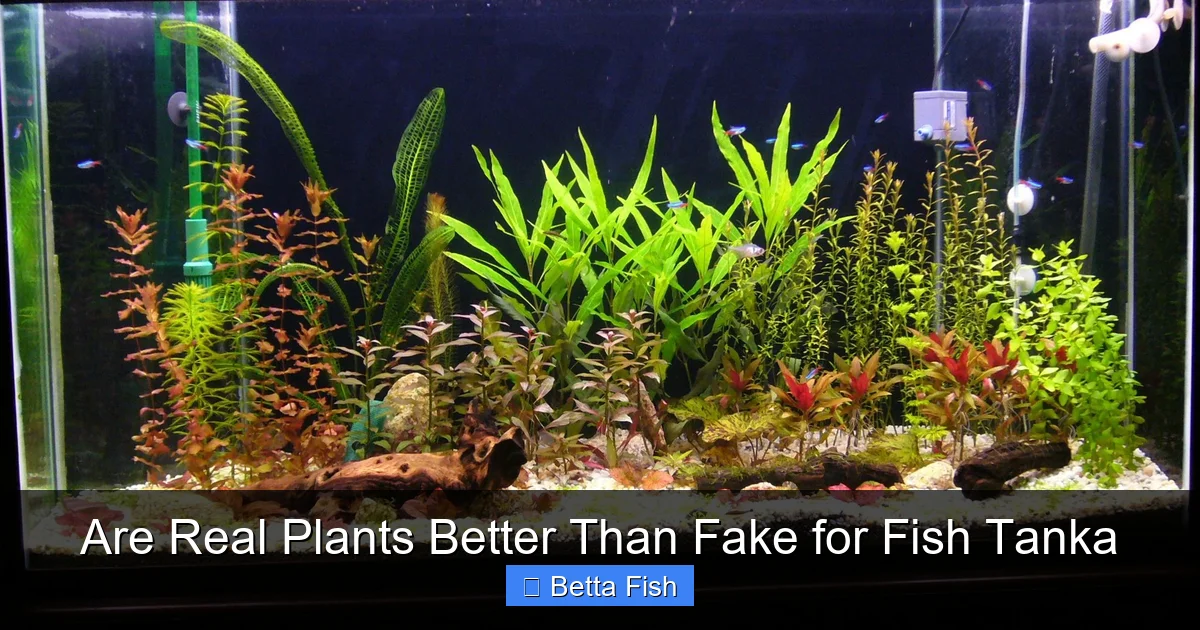
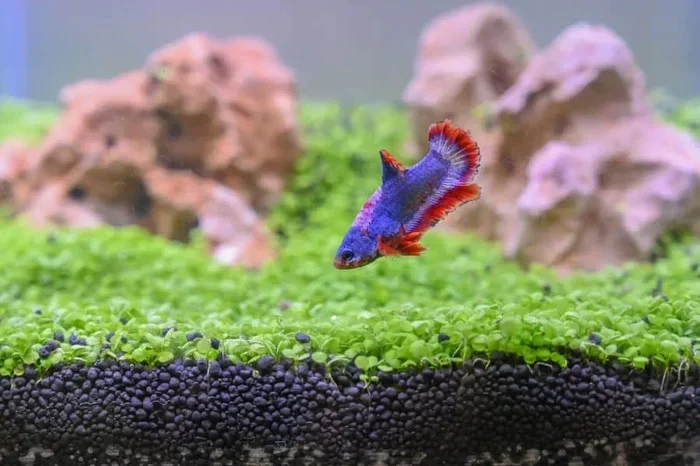
Visual guide about Are Real Plants Better Than Fake for Fish Tanka
Image source: thesprucepets.com
1.2 Oxygen Production and Water Movement
Even slow‑growing species such as Java fern or Anubias create micro‑currents as their leaves sway. This gentle water movement prevents stagnant zones where harmful bacteria could multiply.
1.3 Stress Reduction and Natural Behavior
Bettas are naturally territorial and love to explore vertical space. Real plants provide hiding spots, break‑up lines of sight, and surfaces for “flaring” displays. Studies show that bettas in planted tanks display less frantic swimming and more relaxed fin‑fanning.
2. The Practical Side of Keeping Live Plants
2.1 Lighting Requirements
Most live plants need 6–8 hours of moderate light daily. Too little light leads to algae overgrowth; too much can burn delicate leaves. LED fixtures designed for planted tanks are a good investment.
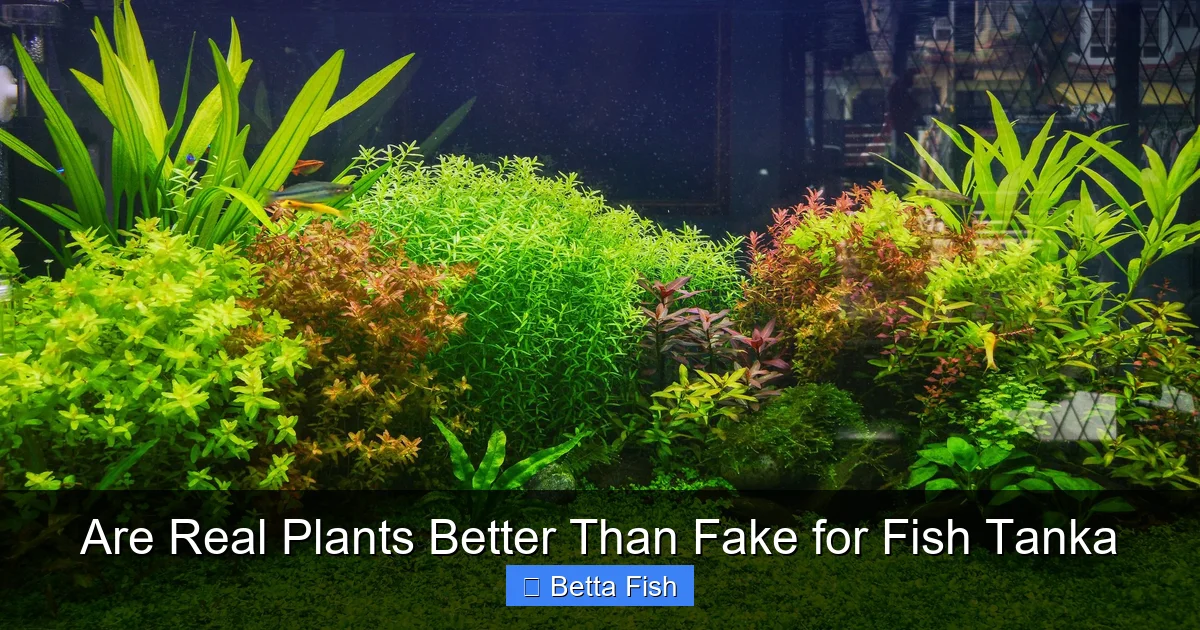
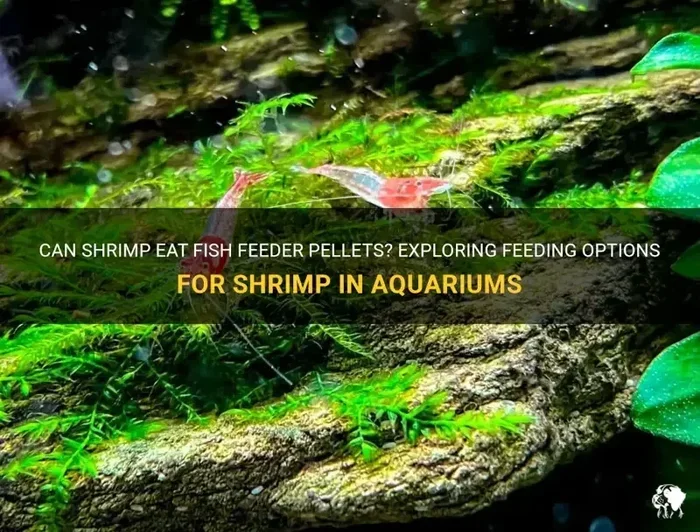
Visual guide about Are Real Plants Better Than Fake for Fish Tanka
Image source: treehugger.com
2.2 Nutrient Management
Plants need macro‑nutrients (nitrogen, phosphorus, potassium) and trace elements. You can supply these through a “soil substrate” or liquid fertilizers. Over‑fertilizing will cause algae, while under‑fertilizing leads to slow growth.
2.3 CO₂ Considerations
While many hardy plants survive without added CO₂, a low‑tech setup (no CO₂) works fine for bettas. If you decide to add CO₂ later, start with a small diffuser and monitor pH.
2.4 Trimming and Maintenance
Regular pruning prevents plants from shading each other out. A simple pair of scissors can keep your Java moss tidy and your tank looking fresh.
3. The Advantages of High‑Quality Fake Plants
3.1 Safety and Cleanliness
Silk and premium plastic plants are made from inert materials that won’t leach chemicals. They’re easy to rinse and sterilize between water changes.
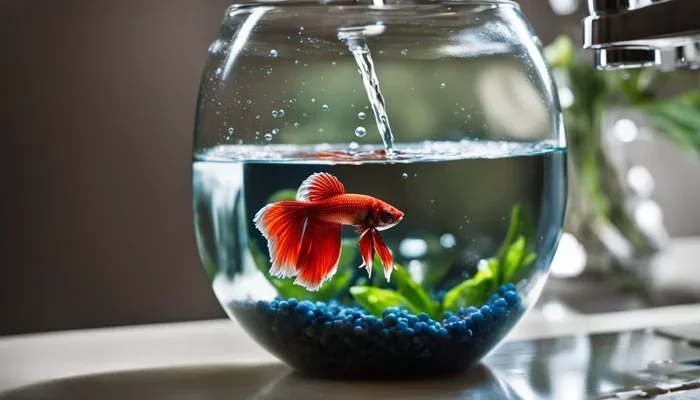
Visual guide about Are Real Plants Better Than Fake for Fish Tanka
Image source: i.pinimg.com
3.2 Low Maintenance
Fake plants need no light, CO₂, or fertilizer. For busy owners or beginners, this is a huge time‑saver.
3.3 Design Flexibility
Manufacturers now produce realistic textures, vibrant colors, and even “floating” leaves that mimic lily pads. You can create a lush look without worrying about plant compatibility.
3.4 Cost‑Effectiveness for Small Setups
If you have a 2‑gal betta bowl, a few silk stems cost less than a live plant that would quickly outgrow the space.
4. When Real Plants Might Not Be the Best Choice
4.1 Small Tanks and Limited Space
In tanks under 3 gallons, live plants can quickly dominate, reducing swimming space. A single hardy plant like Cryptocoryne may be okay, but many hobbyists prefer a few silk stems to keep the tank open.
4.2 Inconsistent Water Parameters
Bettas thrive in slightly acidic to neutral water (pH 6.5‑7.5). If your water swings dramatically, live plants may struggle, leading to die‑off and decay.
4.3 Time Constraints
Busy owners who can’t perform weekly water tests, trim, or replace bulbs may find fake plants a safer bet.
5. Hybrid Setups: Getting the Best of Both Worlds
5.1 Choosing Hardy Live Plants
Start with low‑maintenance species that tolerate a range of conditions:
- Java fern (Microsorum pteropus): attaches to driftwood, needs low light.
- Anubias nana: thrives on rocks, tolerates low CO₂.
- Java moss (Taxiphyllum barbieri): creates a soft carpet, perfect for fry.
5.2 Pairing with Silk Décor
Place silk leaves in open areas to give your betta clear swimming lanes while still offering hideouts. This reduces the risk of plants shading each other out.
5.3 Practical Example: A 5‑Gallon Betta Tank
1. Add a small piece of driftwood and attach a Java fern.
2. Sprinkle a handful of Java moss on the wood.
3. Place two silk “floating” leaves near the surface for surface breathing.
4. Finish with a few smooth river rocks for perching.
This layout provides natural filtration, enrichment, and ease of cleaning—a win‑win for both plant and fish.
6. Frequently Overlooked Details
6.1 Compatibility with Betta Behavior
Bettas love to flare their gills against vertical surfaces. Live plants give them a natural backdrop, while some cheap plastic may have sharp edges that can damage fins.
6.2 Algae Management
Both live and fake plants can become algae magnets. Regular water changes, careful lighting, and occasional algae scrapers keep the tank pristine.
6.3 Impact on Breeding
When you want to breed bettas, dense foliage offers hiding places for eggs and fry. Real plants like Java moss are especially useful for this purpose.
Conclusion: Making the Right Choice for Your Betta
So, are real plants better than fake for fish tanka? The answer is nuanced. Real plants give you natural filtration, oxygen, and behavioral enrichment that fake plants simply cannot match. Yet they demand proper lighting, nutrients, and maintenance. If you have the time and resources, a planted tank will likely give your betta a healthier, more stimulating environment.
If you’re short on time, have a tiny bowl, or prefer a hassle‑free setup, high‑quality silk or plastic plants are a safe and attractive alternative. Many hobbyists find a hybrid approach—one or two hardy live plants plus a few silk decorations—offers the perfect balance.
Remember, the ultimate goal is a happy, healthy betta. Choose the décor that fits your lifestyle, and you’ll both enjoy a beautiful, thriving tank.
Frequently Asked Questions
Are live plants necessary for a healthy betta tank?
No, live plants are not strictly necessary, but they improve water quality and provide natural enrichment that benefits bettas.
Can I keep live plants in a 2‑gallon betta bowl?
It’s possible with very small, low‑light plants like Java fern, but many owners prefer fake plants to maintain open swimming space.
Do fake plants affect water parameters?
High‑quality silk or plastic plants are inert and won’t change pH or nitrate levels, though they can trap debris if not cleaned.
What are the safest fake plant materials for bettas?
Silk and smooth, non‑sharp plastic are safest. Avoid cheap plastic with rough edges that could tear delicate betta fins.
How often should I trim live plants in a betta tank?
Trim every 2‑3 weeks to prevent overgrowth and to remove dead leaves, which helps keep algae under control.
Where can I find hardy live plants for my betta?
Check reputable online shops or local aquarium stores. For a curated list, see Which Live Plants Are Good For Betta Fish.