Are Platinum Betta Fish Rare
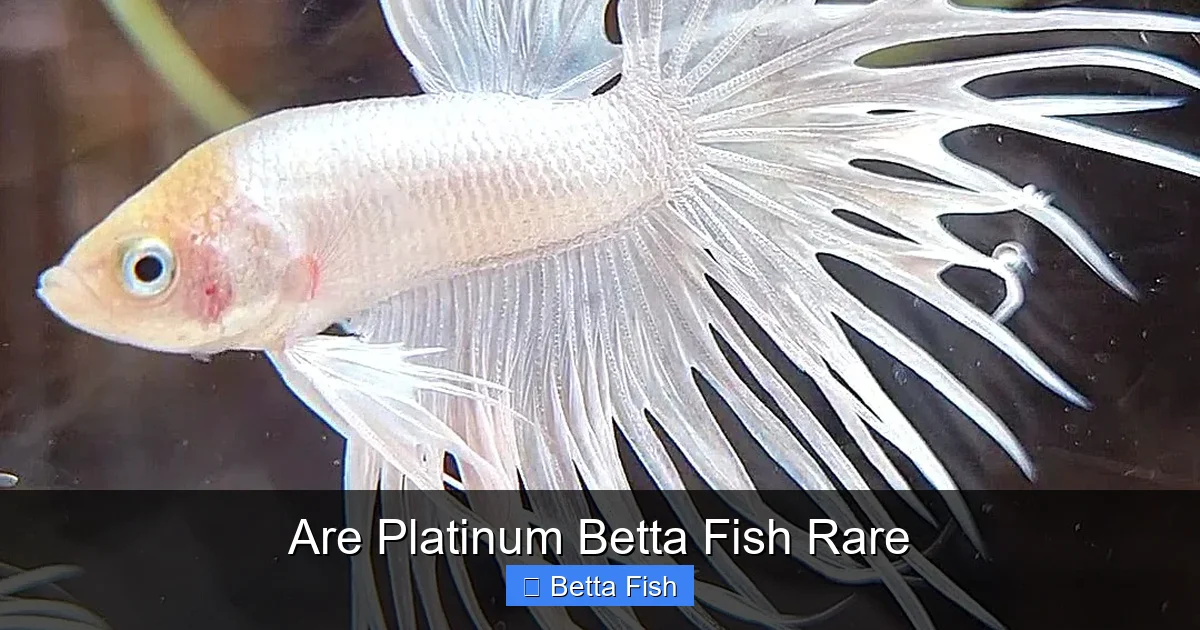
Platinum betta fish are indeed a rare find, prized for their shimmering silver‑white hue and unique genetics. Because they’re scarcer than most color morphs, they often cost more and require careful breeding and tank care.
Key Takeaways
- Rarity explained: Platinum bettas are uncommon due to selective breeding and limited genetic lines.
- Price impact: Their scarcity drives higher market prices compared with standard colors.
- Care basics: They need the same water parameters as other bettas but benefit from stable conditions.
- Finding a reputable source: Buy from trusted breeders who can verify lineage.
- Breeding tips: Successful breeding requires careful selection of pure‑platinum parents.
- Tank setup: Provide ample hiding spots and gentle flow to showcase their iridescence.
- Health monitoring: Watch for common betta issues; platinum coloration does not affect health.
📑 Table of Contents
Introduction: The Allure of the Platinum Betta
If you’ve ever browsed a betta shop and spotted a fish that looks like a living piece of polished metal, you’ve probably seen a platinum betta. Their luminous, almost translucent scales set them apart from the more common reds, blues, and greens. But why do they seem so hard to find? In this article we’ll answer the question “are platinum betta fish rare?” and dive into the science, the market, and the care tips you need to keep one thriving.
We’ll keep the tone friendly—think of us as a fellow hobbyist sharing a cup of coffee over a tank. You’ll learn what makes platinum bettas special, how to spot a genuine specimen, and what to expect if you decide to add one to your aquarium.
What Makes a Betta “Platinum”?
Genetics behind the shimmer
Platinum coloration is the result of a recessive gene that reduces melanin (the dark pigment) and boosts the presence of iridophores, cells that reflect light. When both parents carry the gene, the offspring can display the prized silver‑white hue. Because the gene is recessive, it doesn’t appear in every breeding pair, which immediately limits the number of pure‑platinum fry.
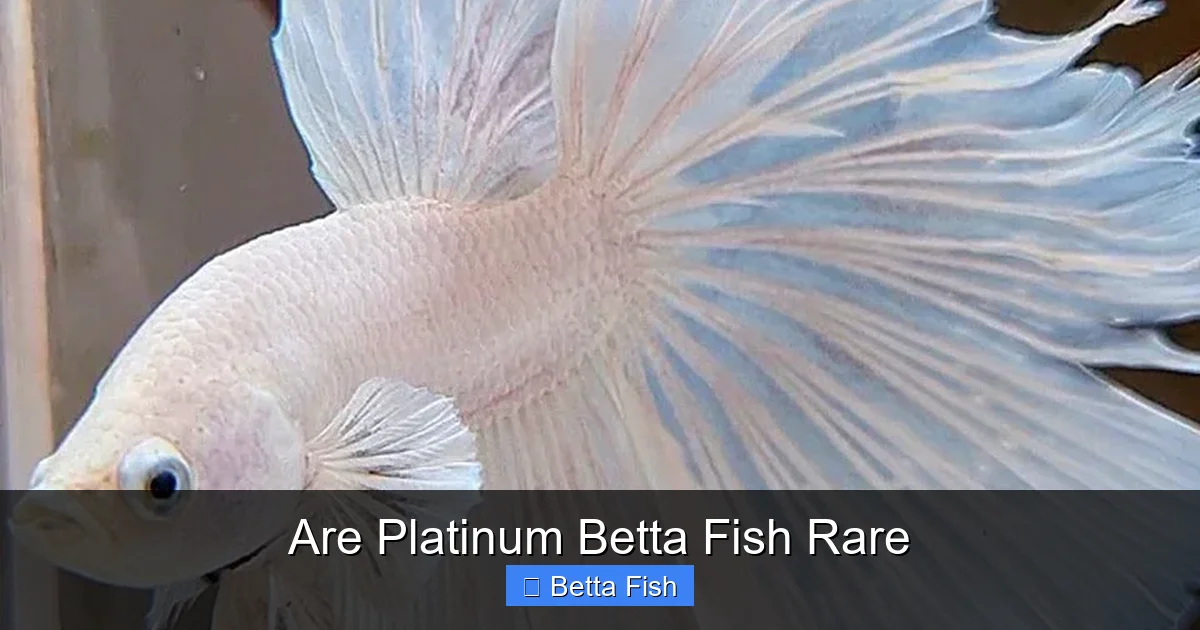
Visual guide about Are Platinum Betta Fish Rare
Image source: rarebettafishstore.com
Difference from other “metallic” morphs
Other metallic bettas, like the “metallic” or “metal” varieties, still retain a base color (red, blue, etc.) with a reflective overlay. Platinum bettas, on the other hand, lack that base color, giving them a true metallic look. This distinction is important when you’re researching a fish’s lineage.
Are Platinum Betta Fish Rare?
Supply‑side factors
Because the platinum gene is recessive, breeders must carefully pair two carriers or two confirmed platinum fish to produce offspring. Many hobbyists focus on more popular colors that appear in larger numbers, so fewer breeders specialize in platinum lines. The result? A smaller supply on the market.
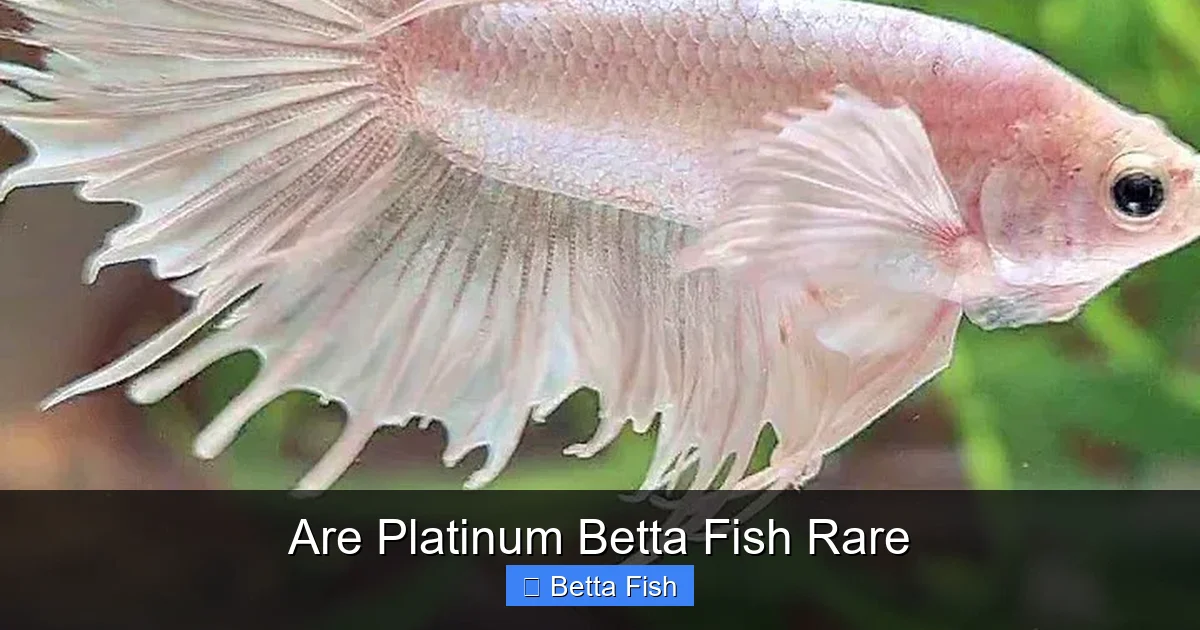
Visual guide about Are Platinum Betta Fish Rare
Image source: rarebettafishstore.com
Demand‑side dynamics
Collectors love rarity. The striking look of a platinum betta makes it a show‑stopper at competitions and a centerpiece in home aquariums. Higher demand combined with limited supply pushes the price up, reinforcing the perception of rarity.
Statistical glimpse
While exact numbers are hard to pin down, surveys of major betta retailers show that platinum bettas represent roughly 2‑4 % of the total betta inventory, compared with 15‑20 % for standard colors. That small slice confirms that they are indeed rare.
How Much Do Platinum Bettas Cost?
Price range overview
Typical wild‑type or common color bettas can be found for $5‑$15 at most pet stores. A pure‑platinum male, however, can range from $30 to $120 depending on lineage, size, and fin type (e.g., veil, crown, or double‑tail). Females are usually a bit cheaper but still command higher prices than average bettas.
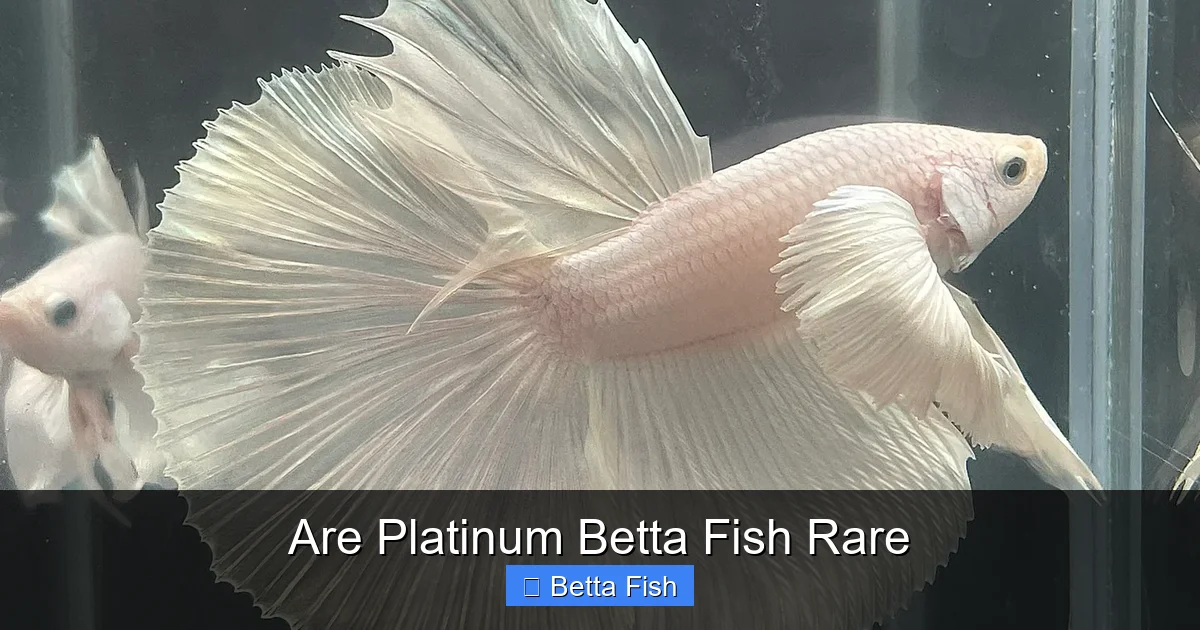
Visual guide about Are Platinum Betta Fish Rare
Image source: thailandbettafish.com
Why the price difference?
The higher cost reflects the extra effort breeders invest in genetic testing, selective pairing, and raising fry in optimal conditions. It also covers the rarity premium that collectors are willing to pay.
Finding a reputable seller
Look for breeders who provide photos of parent fish, a health guarantee, and a clear return policy. Avoid “mystery sellers” on generic marketplaces; a reputable source will be transparent about the fish’s pedigree.
Caring for a Platinum Betta
Water parameters – same as any betta
Platinum bettas thrive in water that mimics their native Southeast Asian habitats: temperature 76‑82 °F (24‑28 °C), pH 6.5‑7.5, and soft to moderately hard water (50‑150 ppm GH). Consistency is key; sudden changes stress the fish and can dull their metallic sheen.
Tank setup for maximum sparkle
- Size: A minimum of 5 gallons is recommended. Larger tanks improve water stability and give the fish room to display its fins.
- Lighting: Bright, full‑spectrum LED lighting highlights the iridescent scales. Avoid overly intense light that can cause algae growth.
- Plants and décor: Live plants like Java fern or Anubias provide hiding spots and help maintain water quality. A few smooth rocks or driftwood create a natural look without damaging delicate fins.
- Filtration: A gentle sponge filter works well; bettas prefer low flow.
Feeding tips
High‑quality betta pellets, frozen or live brine shrimp, and occasional bloodworms provide balanced nutrition. Feeding 2‑3 times daily in small amounts prevents over‑feeding and keeps the water cleaner.
Health considerations
Platinum coloration does not make the fish more susceptible to disease, but like all bettas, they can suffer from fin rot, ich, and velvet. Regular water changes (25 % weekly) and a watchful eye for changes in behavior will keep problems at bay.
Breeding Platinum Bettas: A Step‑by‑Step Guide
Choosing the right pair
Both male and female should be confirmed pure‑platinum. Look for bright, even scaling and no residual color patches. If you’re unsure, ask the breeder for a genetic test or a lineage chart.
Setting up a breeding tank
- Size: 10 gallons to give ample space.
- Substrate: Bare bottom or fine sand to make spawning easier.
- Plants: Dense leaf‑type plants or a spawning mop for the eggs.
- Temperature: Raise to 80‑82 °F to stimulate breeding behavior.
Spawning process
The male builds a bubble nest at the water surface. Once the female is ready, she releases eggs that the male fertilizes and then gathers into the nest. After about 24‑48 hours, the fry hatch and become free‑swimming.
Raising fry
Feed newly hatched fry infusoria for the first few days, then transition to microworms and finely crushed betta pellets. Keep water parameters stable and avoid over‑crowding.
Where to Find Platinum Bettas
Specialty breeders
Many dedicated betta breeders operate out of the United States, Europe, and Southeast Asia. They often showcase their stock on Instagram or specialized forums. Look for breeders who list “platinum” in their catalog and provide clear photos.
Online marketplaces
Websites like BettaFishInfo have directories of reputable sellers. Always read reviews and verify that the seller offers a health guarantee.
Local fish stores
While most pet‑store chains stock standard colors, some boutique stores may carry a platinum specimen during special events or shows. Call ahead and ask if they have “platinum betta fish” in stock.
Conclusion: Embrace the Rarity
So, are platinum betta fish rare? Absolutely. Their scarcity stems from the recessive genetics required for the color, the careful breeding needed to produce them, and the high demand from collectors. This rarity translates into higher prices, but also into a rewarding experience for hobbyists who appreciate a truly unique aquarium star.
With proper tank setup, consistent water care, and a bit of research, you can enjoy the shimmering beauty of a platinum betta for years to come. Whether you buy one or decide to breed your own, the effort you put in will be reflected in the dazzling, silvery flash that only a platinum betta can provide.
Frequently Asked Questions
Are platinum betta fish more expensive than other bettas?
Yes, because they are rarer and require selective breeding, pure‑platinum bettas typically cost $30‑$120, whereas common colors are often under $15.
Do platinum bettas need special water conditions?
No, they thrive in the same parameters as other bettas: 76‑82 °F, pH 6.5‑7.5, and soft to moderately hard water.
Can I keep a platinum betta with other fish?
Male bettas are aggressive and should be housed alone, but a female platinum can share a well‑planted, heavily filtered tank with peaceful community fish.
How can I tell if a betta is truly platinum?
Look for a uniform silvery‑white scale pattern without any underlying color. Reputable sellers will provide lineage proof or photos of the parent fish.
Is breeding platinum bettas difficult?
It requires careful selection of pure‑platinum parents and stable breeding conditions, but the process follows the same steps as breeding any other betta.
Where can I learn more about general betta care?
Check out articles like Are Betta Fish Easy To Care For and What Are Betta Fish for comprehensive guidance.